
ZEISS Full-Series Diffraction Gratings
| Brand | ZEISS |
|---|---|
| Origin | Germany |
| Manufacturer Type | Authorized Distributor |
| Product Origin | Imported |
| Model Range | Full-Series Gratings |
| Application System | Universal |
| Grating Configuration | Dual-Grating Mounting |
| Spectral Resolution | 0.5 nm (at 10 µm slit width) |
| Dispersion | 16 nm/mm |
| Wavelength Range | 190–1100 nm |
| Wavelength Accuracy | ±0.1 nm |
| F-number | F/4 |
| Stray Light | ≤0.1% T |
Overview
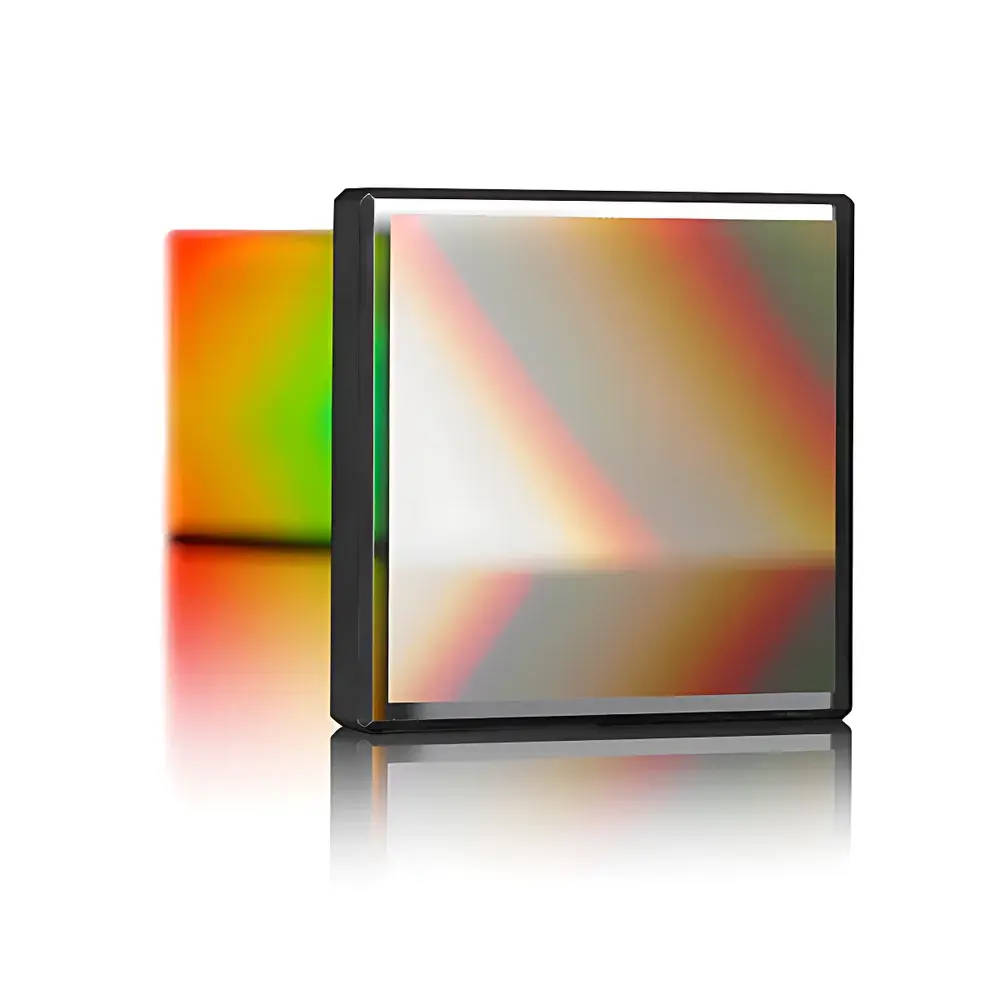
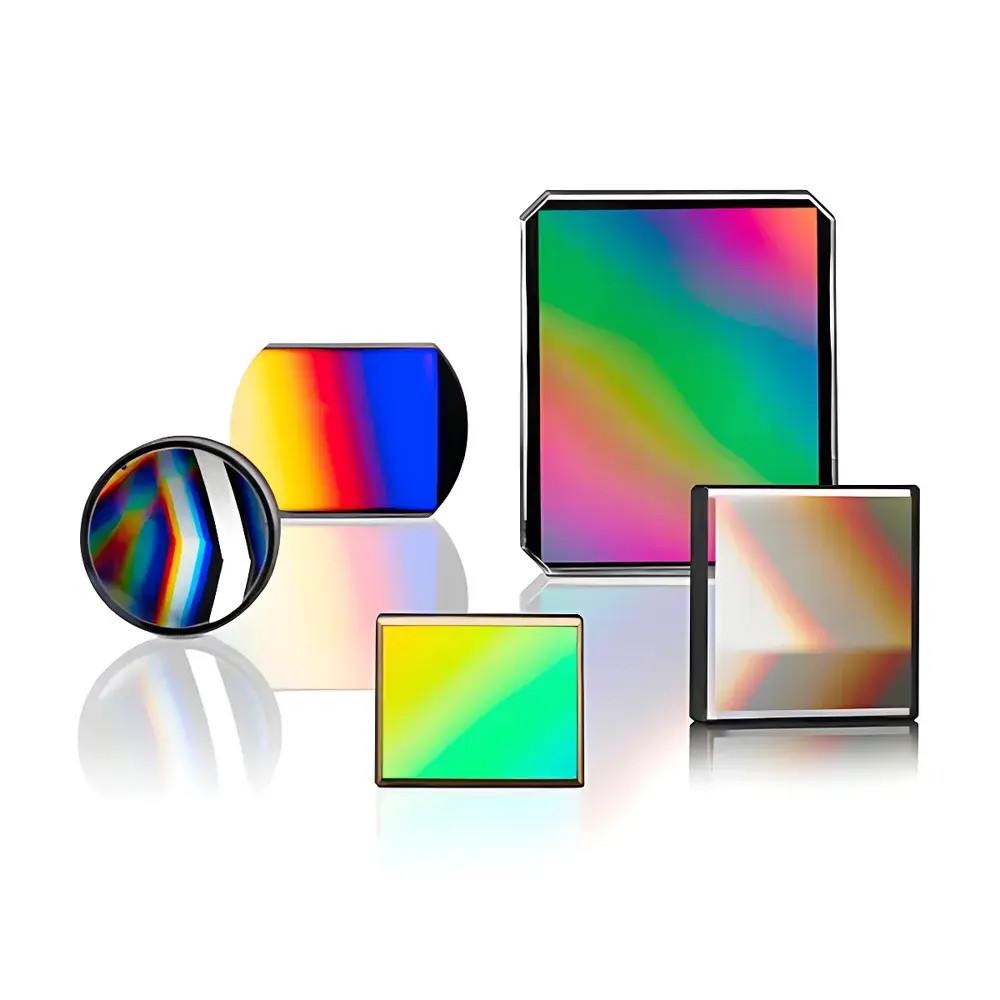
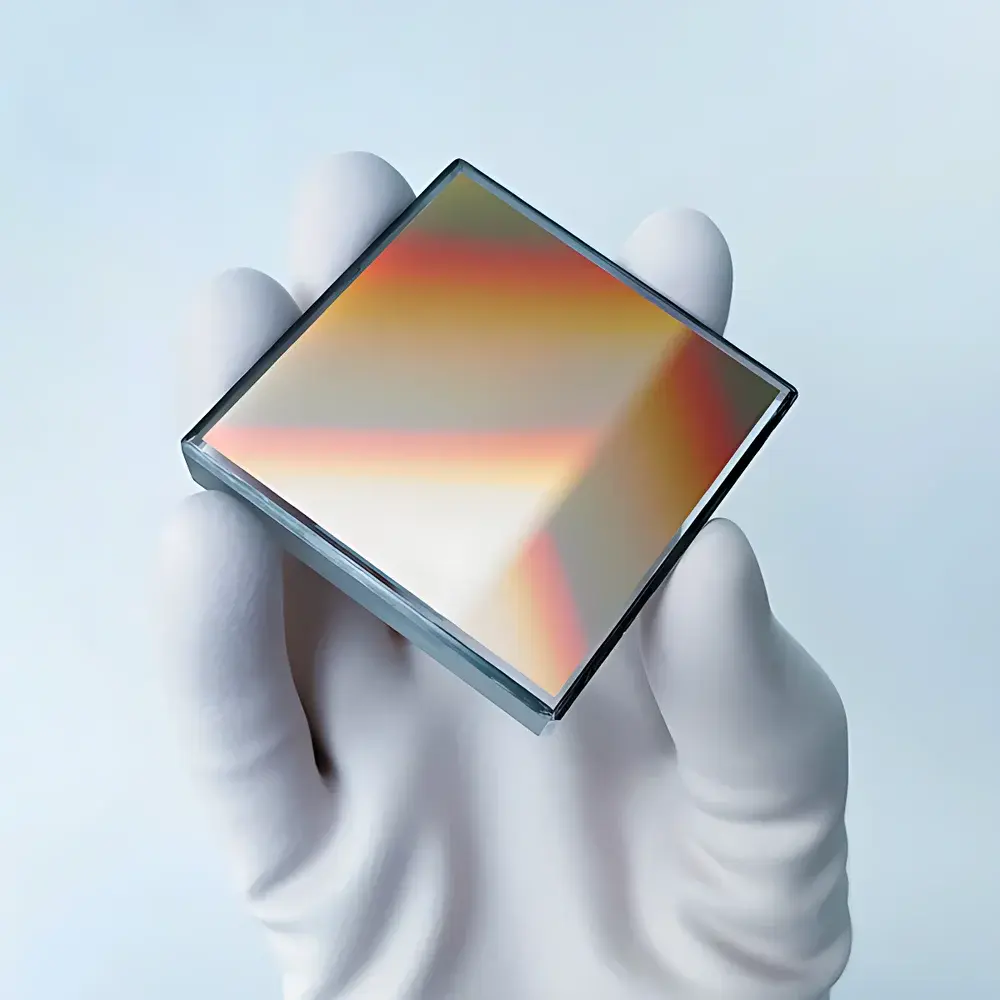
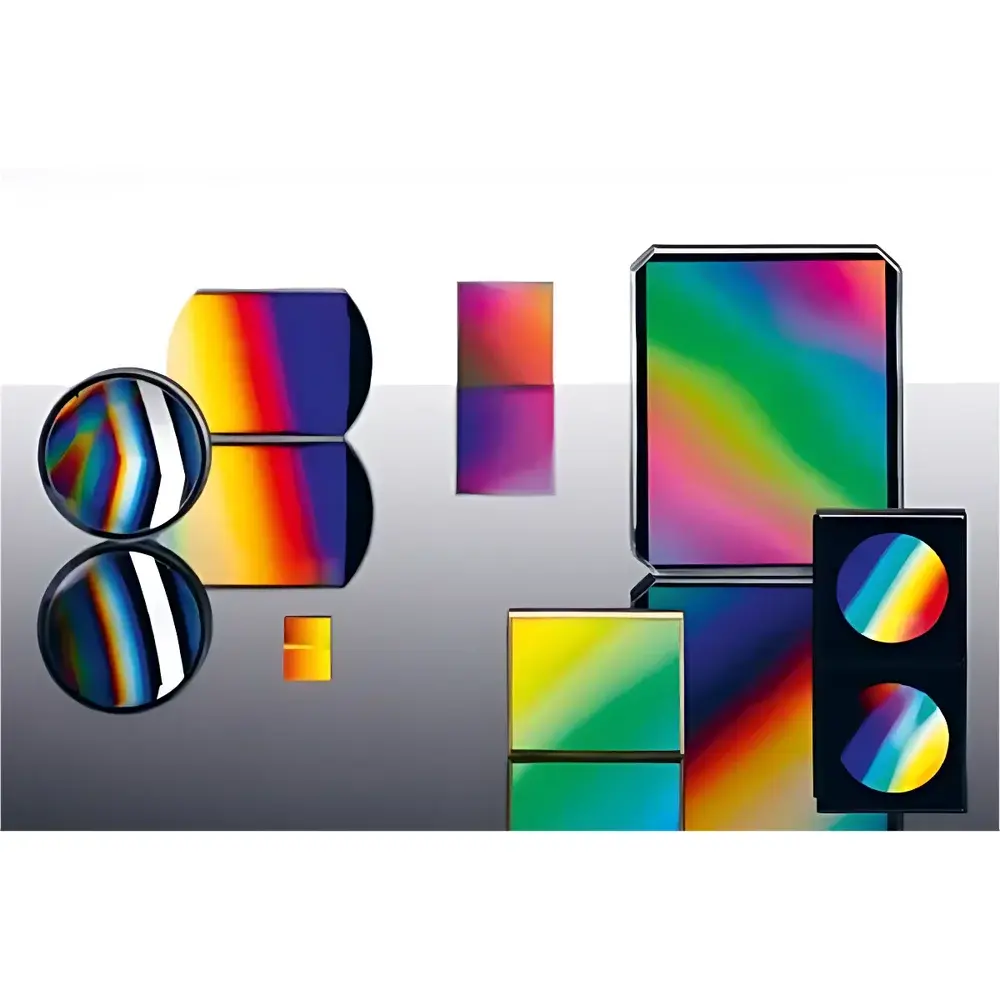
ZEISS full-series diffraction gratings represent a foundational optical component engineered for high-fidelity spectral dispersion in research-grade spectroscopic systems. Based on core principles of interference and periodic modulation of incident wavefronts, these gratings operate via either mechanically ruled or holographically recorded groove structures—each optimized for specific trade-offs between efficiency, resolution, stray light suppression, and spectral coverage. Designed and manufactured in Oberkochen, Germany, ZEISS gratings are not off-the-shelf catalog items but metrologically traceable, long-term stable optical masters or high-fidelity replicas, supporting demanding applications from UV vacuum spectroscopy to near-infrared instrumentation. Their integration into monochromators, spectrometers, and custom optical trains enables precise wavelength selection, spectral calibration traceability, and reproducible line shape fidelity—critical for quantitative analysis under GLP, ISO/IEC 17025, or ASTM E308-compliant workflows.
Key Features
- Two manufacturing modalities: Mechanically ruled gratings (for high groove density and blaze optimization) and holographic gratings (for ultra-low ghosting and exceptional periodic uniformity)
- Stray light performance ≤0.1% T—achieved through proprietary groove profile control, high-quality replication processes, and optimized coating interfaces (Al, Au, or protected Al variants)
- Wavelength accuracy maintained at ±0.1 nm across the 190–1100 nm range, verified against NIST-traceable reference sources
- Dual-grating mounting compatibility supports rapid switching between high-resolution and broad-band configurations without realignment
- F/4 optical design compatibility ensures efficient coupling with standard spectrograph optics and detector arrays (CCD, CMOS, InGaAs)
- Customizable parameters including groove density (from 300 to 3600 grooves/mm), blaze angle, substrate material (fused silica, CaF₂, Si), and coating architecture
Sample Compatibility & Compliance
ZEISS gratings are compatible with both benchtop and vacuum-compatible spectroscopic platforms—including imaging spectrographs, Czerny–Turner monochromators, and Rowland-circle instruments. Substrates meet SEMI F57 standards for surface roughness (<0.2 nm RMS) and wavefront distortion specifications per ISO 10110-7. All gratings undergo full environmental stress screening (thermal cycling, humidity exposure, and vibration testing) in accordance with MIL-STD-810G, ensuring suitability for space-qualified payloads and synchrotron beamline instrumentation. Documentation includes full metrology reports (groove spacing uniformity, efficiency curves, and scatter maps), supporting audit readiness for FDA 21 CFR Part 11–compliant data integrity frameworks when integrated into regulated analytical systems.
Software & Data Management
While ZEISS gratings themselves are passive optical elements, their performance is fully characterized and documented in ZEISS Optical Metrology Reports—digitally archived with unique serial traceability. These reports integrate seamlessly into laboratory information management systems (LIMS) and instrument control software (e.g., LabVIEW, Python-based PyVISA drivers, or EPICS IOC environments) via standardized XML metadata schemas. Efficiency and dispersion models are provided in tabulated form (wavelength vs. diffraction order vs. intensity), enabling accurate radiometric correction and spectral reconstruction algorithms. For users operating under GxP requirements, ZEISS provides IQ/OQ documentation templates aligned with ASTM E2919 and ISO/IEC 17025 calibration validation protocols.
Applications
- High-resolution atomic and molecular spectroscopy—supporting Doppler-free laser spectroscopy, cavity ring-down absorption, and LIBS quantification where spectral purity and line shape fidelity are critical
- Astronomical instrumentation—deployed in ground-based echelle spectrographs and space-borne spectrometers requiring long-term thermal-mechanical stability and minimal ghost artifacts
- Vacuum ultraviolet (VUV) and extreme ultraviolet (EUV) metrology—enabled by laminar-profile holographic gratings on CaF₂ or MgF₂ substrates, with optimized aluminum or iridium coatings
- Plasma diagnostics and combustion analysis—leveraging low-stray-light performance to resolve weak emission lines adjacent to intense continuum backgrounds
- Compact array-based spectrometers—using holographically corrected concave gratings to eliminate collimating optics, thereby improving throughput and mechanical robustness in field-deployable sensors
FAQ
Are ZEISS gratings supplied as master gratings or replicas?
ZEISS supplies both master gratings (for lithographic replication) and high-fidelity epoxy-replica gratings. Replica gratings retain >98% of master efficiency and are certified per ISO 10110-5.
Can ZEISS provide gratings with non-standard groove densities or custom blaze angles?
Yes—custom groove parameters are supported within manufacturing tolerances defined in ZEISS Technical Note TN-GR-2023-01, subject to minimum order quantities and lead-time planning.
Do ZEISS gratings comply with EU RoHS and REACH directives?
All current-production gratings conform to RoHS Directive 2011/65/EU and REACH Regulation (EC) No. 1907/2006, with full material declarations available upon request.
Is there a recommended cleaning protocol for ZEISS grating surfaces?
ZEISS recommends dry nitrogen purging followed by solvent cleaning using spectroscopic-grade acetone and methanol only—strictly avoiding ultrasonic agitation or abrasive wipes to preserve groove integrity.
How is wavelength calibration traceability established for ZEISS gratings?
Calibration is performed using stabilized He–Ne, Hg–Ar, and Kr lamp references traceable to NIST SRM 2034 and PTB primary standards, with uncertainty budgets reported per ISO/IEC Guide 98-3 (GUM).
Related Products





