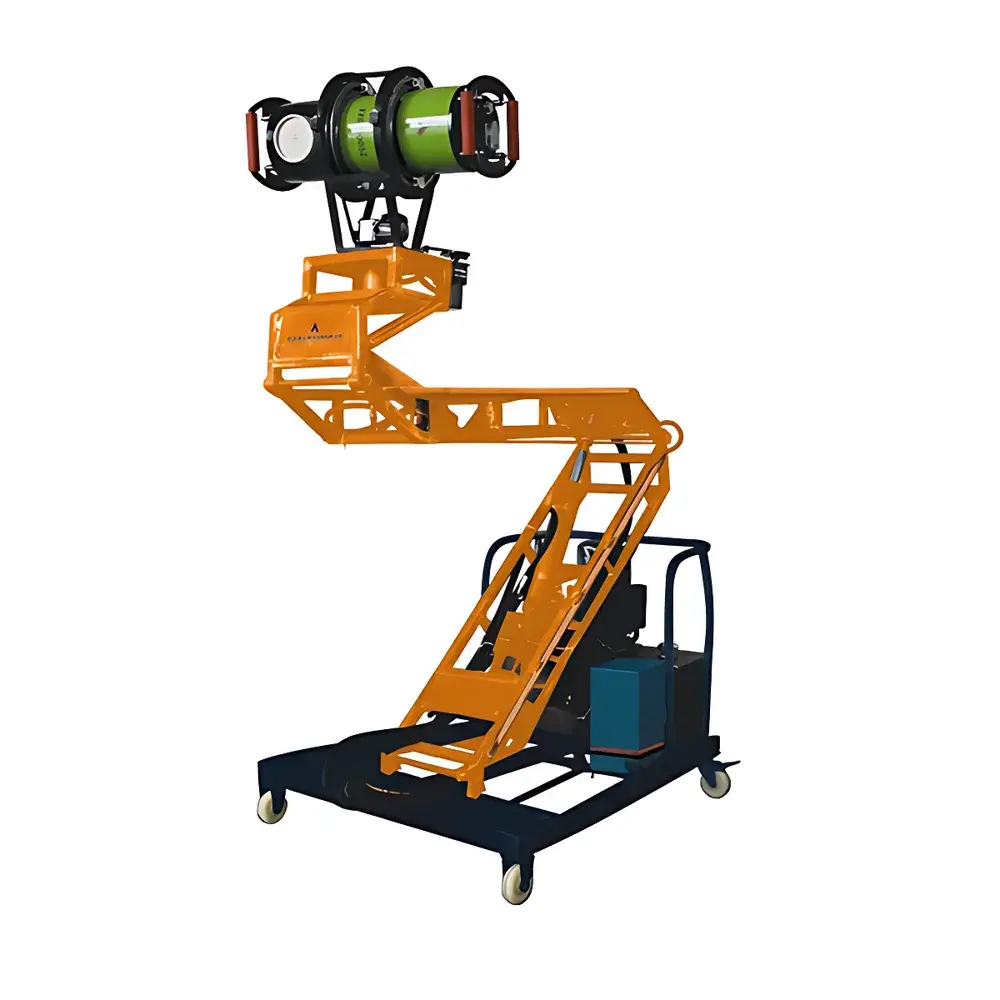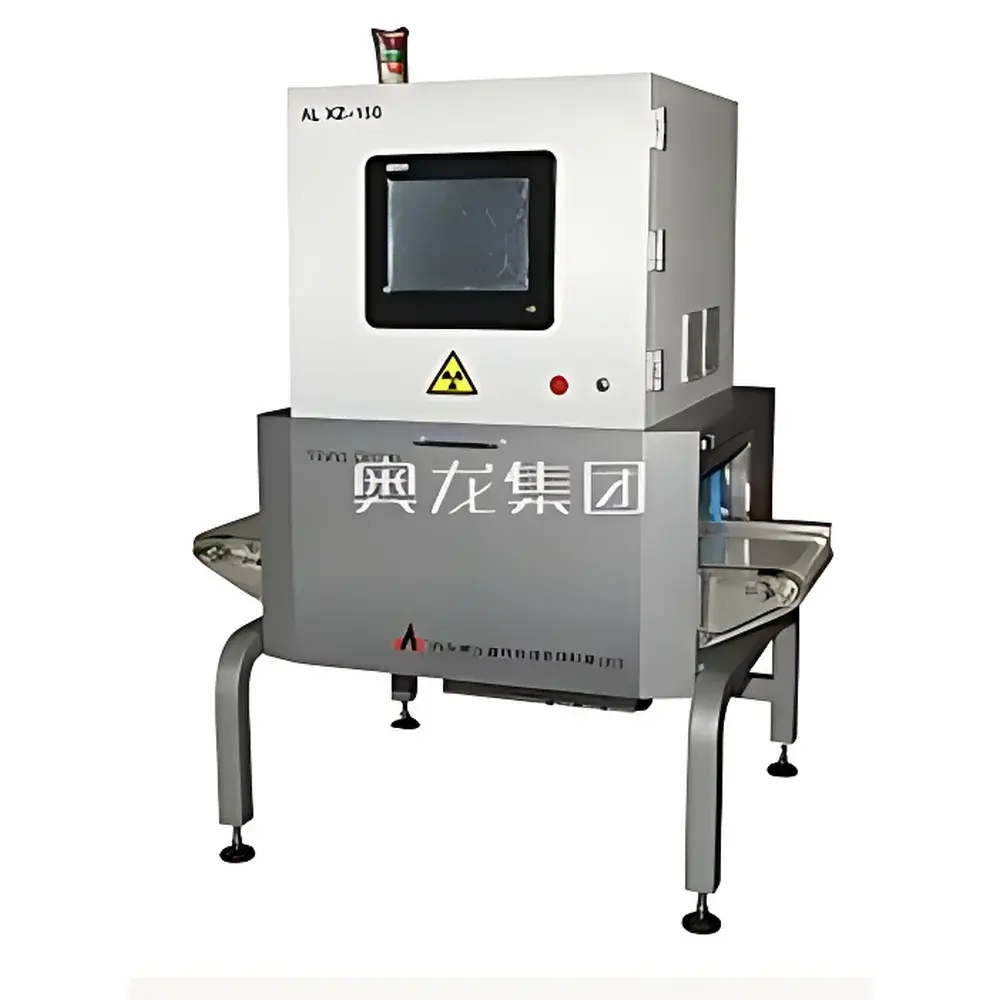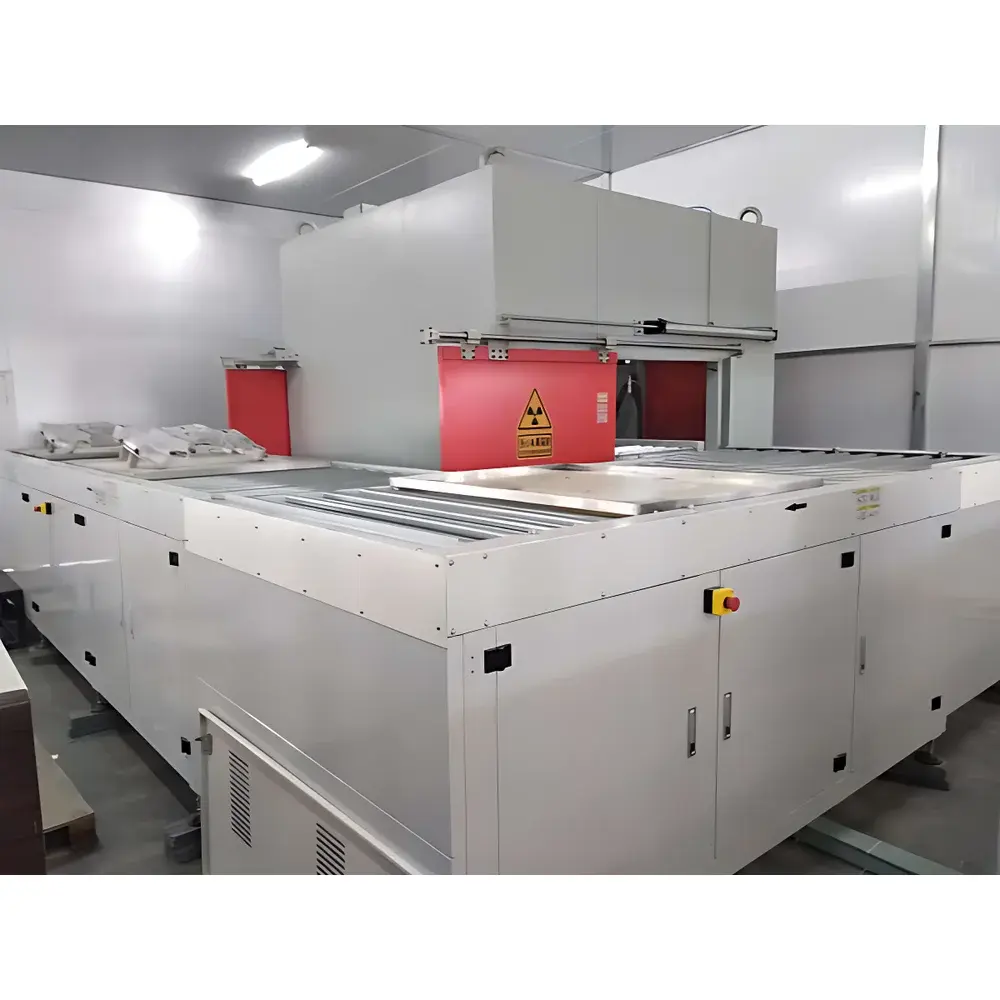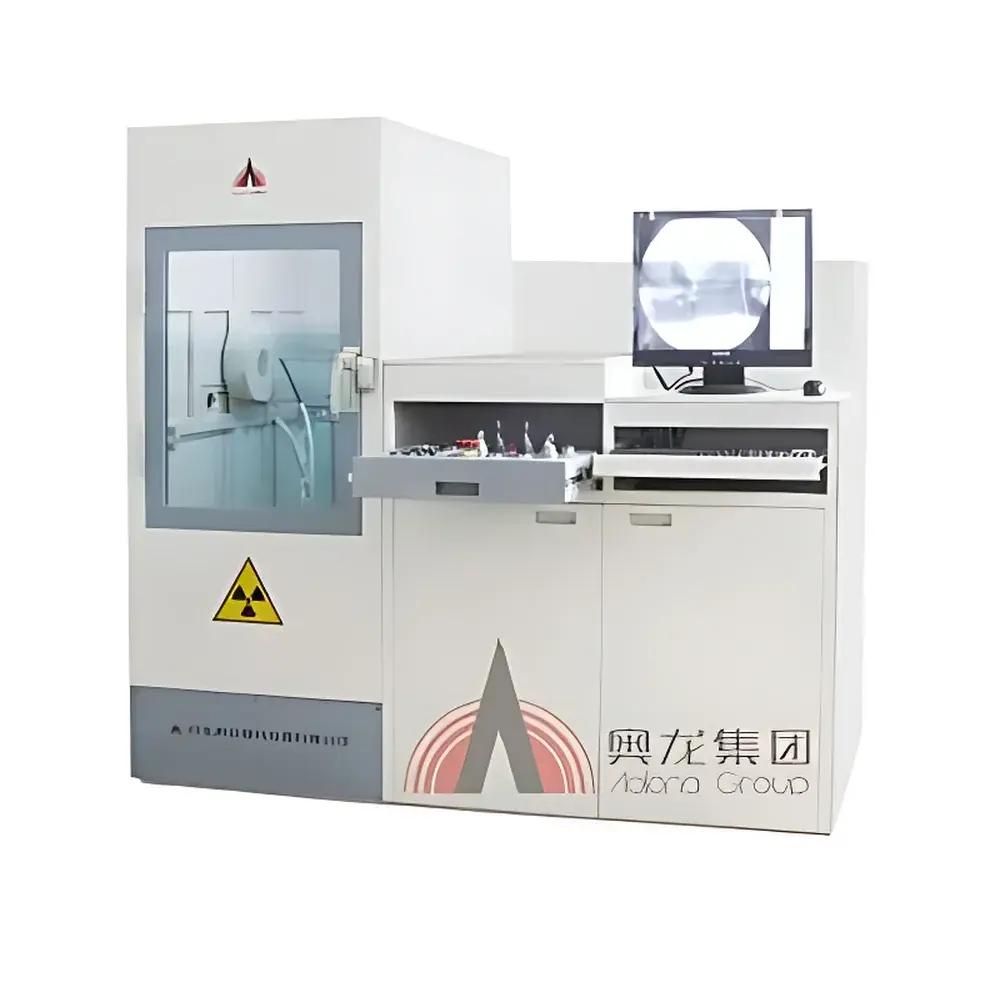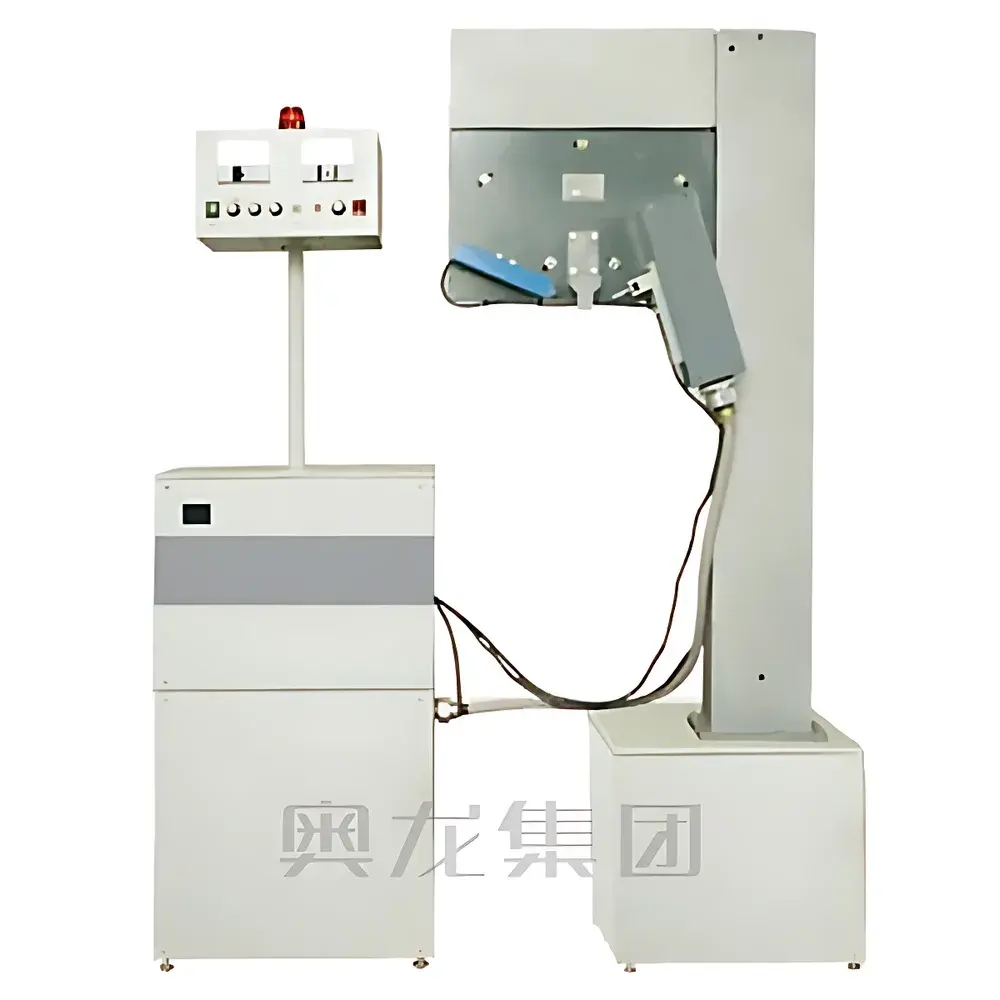
Aolong YXG-2 Single-Crystal Rotary Grinding X-ray Orientation Instrument

| Brand | Aolong |
|---|---|
| Origin | Liaoning, China |
| Manufacturer Type | Direct Manufacturer |
| Region of Origin | Domestic (China) |
| Model | YXG-2 |
| Price | Upon Request |
| Input Power | 220 V AC, 50 Hz, 0.3 kW |
| X-ray Tube | Cu anode, air-cooled, 30 kV, 0–5 mA |
| Detector | Geiger–Müller counter |
| Time Constants | 0.1 s, 0.4 s, 3 s |
| Collimator Slits | 4′, 5′, 6′ |
| Shutter | Motorized |
| Controller Dimensions | 550 × 350 × 1700 mm (L×W×H) |
| Measurement Unit Dimensions | 750 × 550 × 1750 mm (L×W×H) |
| Weight | 180 kg |
Ask about pricing, availability and specifications.
Overview
The Aolong YXG-2 Single-Crystal Rotary Grinding X-ray Orientation Instrument is a dedicated Bragg-angle alignment system engineered for precise crystallographic orientation determination of cylindrical single-crystal ingots—primarily silicon and sapphire—prior to rotary grinding operations. It operates on the principle of X-ray diffraction (XRD) using monochromatic Cu-Kα radiation (λ = 1.5418 Å) generated by a sealed-tube air-cooled X-ray source. The instrument employs fixed-angle geometry: the incident beam, sample rotation axis, and detector are mechanically constrained to maintain constant angular relationships, eliminating operator-dependent alignment variability. This deterministic configuration ensures reproducible angular positioning relative to low-index crystallographic planes (e.g., (100), (111), (0001) in sapphire), directly supporting high-yield wafer slicing with minimal off-axis deviation. Unlike general-purpose diffractometers, the YXG-2 is not designed for phase identification or quantitative structural analysis; its function is strictly metrological—delivering traceable, repeatable orientation reference points for downstream mechanical processing.
Key Features
- Fixed-geometry Bragg-angle alignment architecture optimized for cylindrical specimen geometry, minimizing angular drift during rotational indexing.
- Air-cooled copper-target X-ray tube (30 kV, 0–5 mA) delivering stable, low-noise Cu-Kα radiation without requiring water cooling infrastructure.
- Geiger–Müller counter detector with selectable time constants (0.1 s, 0.4 s, 3 s) to balance signal-to-noise ratio and measurement throughput across varying crystal absorption characteristics.
- Precision motorized optical shutter enabling automated exposure control and compliance with ALARA (As Low As Reasonably Achievable) radiation safety protocols.
- Three interchangeable collimator slits (4′, 5′, 6′) allowing optimization of angular resolution versus intensity trade-offs for different crystal sizes and lattice perfection levels.
- Dedicated mechanical interface for integration with standard industrial roller grinders, ensuring direct transfer of orientation data to grinding axis alignment without manual repositioning.
Sample Compatibility & Compliance
The YXG-2 accommodates cylindrical single crystals up to 300 mm in diameter and 1,200 mm in length, with surface finish requirements aligned with SEMI MF1530 and IEC 62290 standards for semiconductor-grade ingot preparation. It supports orientation verification of Si (100), (111), (110); sapphire (0001), (101̅0), (112̅0); GaAs (100); and other cubic/hexagonal crystals exhibiting strong Bragg reflections under Cu-Kα excitation. The system complies with GB/T 18804–2002 (Chinese national standard for X-ray orientation instruments) and meets electromagnetic compatibility (EMC) requirements per GB 4824–2019. Radiation shielding conforms to GBZ 117–2020 for industrial X-ray equipment, with dose rates <1 µSv/h at 1 m during operation. While not certified to ISO/IEC 17025, its fixed-angle design enables internal calibration traceability to NIST-traceable angle artifacts via mechanical goniometer verification.
Software & Data Management
The YXG-2 operates via embedded microcontroller-based firmware with front-panel LED indicators and tactile push-button controls—no external PC dependency. All operational parameters (shutter timing, time constant selection, slit configuration) are stored in non-volatile memory. Measurement records—including date/time stamp, selected slit, exposure duration, and peak count rate—are logged locally to internal EEPROM with capacity for ≥10,000 entries. Export is supported via RS-232 serial interface (ASCII protocol) for integration into factory MES systems. Audit trails include operator ID input (via keypad), session start/end timestamps, and error codes for tube overcurrent, shutter timeout, or detector saturation. The system supports GLP-aligned documentation practices but does not implement FDA 21 CFR Part 11 electronic signature functionality due to its embedded-only architecture.
Applications
- Pre-grinding orientation verification of Czochralski-grown silicon ingots for photovoltaic and microelectronics wafer production.
- Reference plane alignment of sapphire boules prior to substrate slicing for LED and RF device fabrication.
- Quality assurance of crystal growth batches by confirming consistent orientation distribution across longitudinal sections.
- Calibration support for automated crystal orientation mapping systems using point-reference validation.
- Educational use in materials science laboratories for hands-on instruction in Bragg’s law, lattice parameter estimation, and X-ray safety protocols.
FAQ
What crystal orientations can the YXG-2 measure?
It measures primary low-index orientations including Si (100), (111), and sapphire (0001), (101̅0), provided the crystal exhibits sufficient structural perfection and diffracting power under Cu-Kα radiation.
Is the instrument compatible with automated grinding lines?
Yes—its mechanical mounting interface and fixed-angle output enable direct coupling with industrial roller grinders; orientation data is transferred via physical alignment, not digital handshake.
Does the YXG-2 require annual recalibration?
No formal recalibration is mandated; however, users should verify angular accuracy quarterly using certified angle gauge blocks or reference crystals with known orientation deviations ≤±0.02°.
Can it be used for powdered or polycrystalline samples?
No—the system is exclusively designed for oriented single-crystal cylinders; powder diffraction or texture analysis is outside its functional scope.
What safety certifications does it hold?
It complies with Chinese national radiation safety standard GBZ 117–2020 and EMC standard GB 4824–2019; CE or UL listing is not applicable as it is manufactured for domestic industrial use only.