
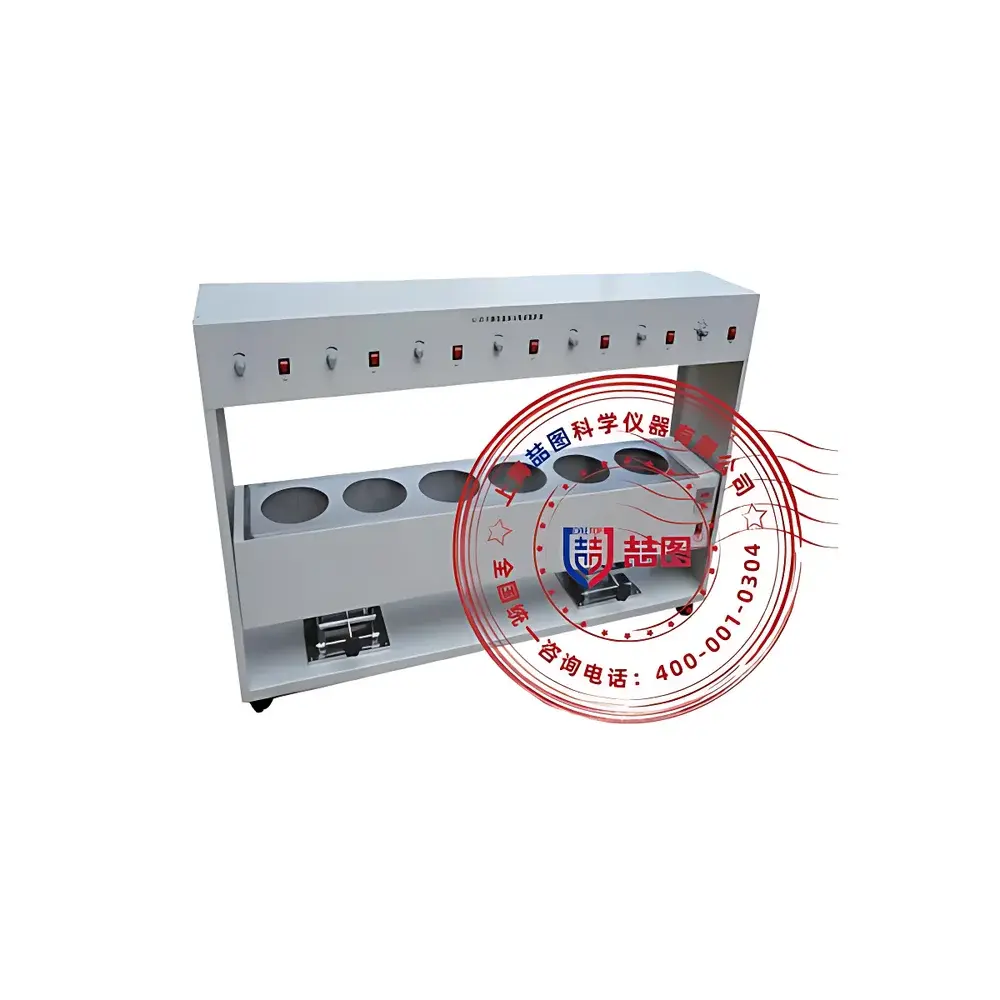
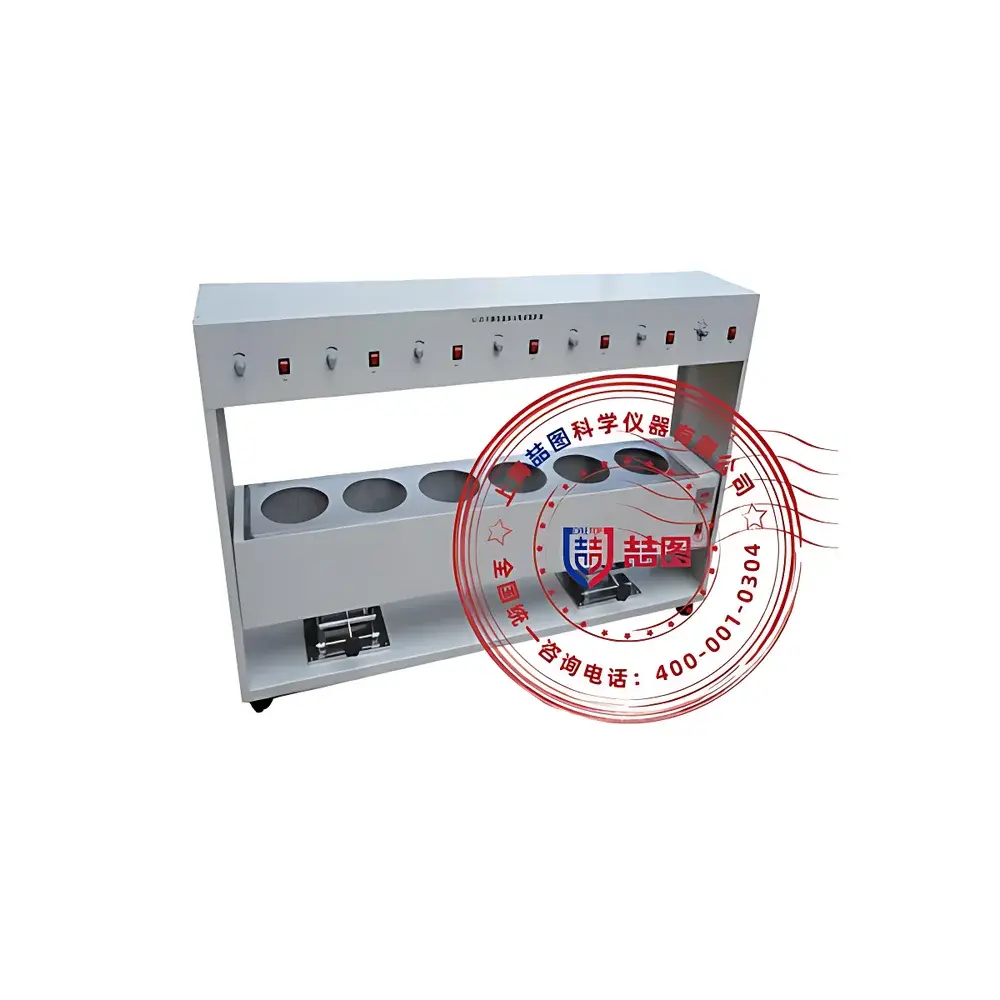
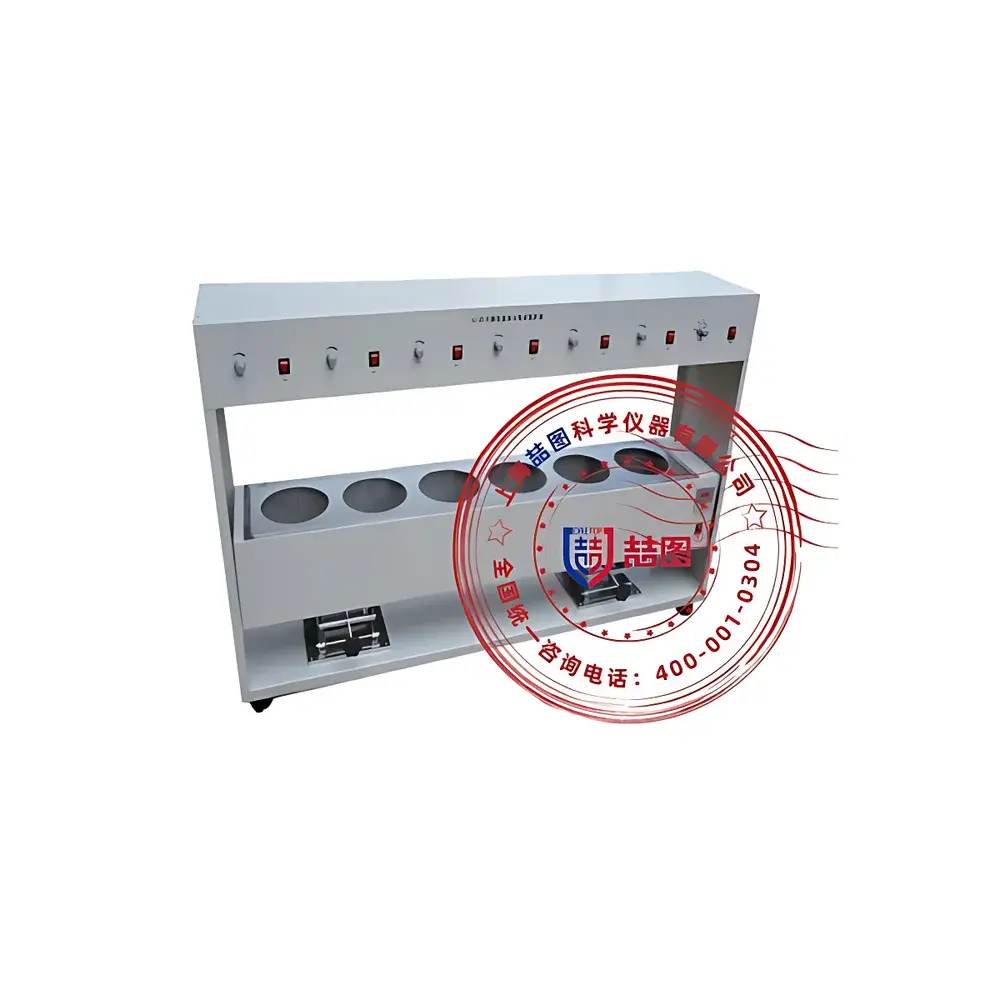
DRETOP EWS-16 Electric Stirring Water Bath
| Brand | DRETOP |
|---|---|
| Origin | Shanghai, China |
| Model | EWS-16 |
| Temperature Range | Ambient to 100 °C |
| Temperature Control Accuracy | ±0.1 °C |
| Stirring Speed Range | 300–3000 rpm |
| Stirring Motor Power | 6 × 100 W |
| Maximum Stirring Capacity | 6 × 1000 mL per station |
| Voltage/Frequency | 220 V, 50 Hz |
| Construction | Stainless Steel Bath Tank |
| Control Mode | Independent PID Control per Station |
| Stirring Rod | Stainless Steel (φ6 × 200 mm), Quick-Release Chuck |
Overview
The DRETOP EWS-16 Electric Stirring Water Bath is an integrated constant-temperature immersion system engineered for concurrent thermal regulation and mechanical agitation across up to six independent sample stations. It operates on the principle of liquid-phase heat transfer via a thermostatically controlled water bath, combined with precision DC motor-driven magnetic or mechanical stirring—ensuring uniform temperature distribution and homogeneous mixing within reaction vessels. Designed for rigorous laboratory workflows where thermal stability and solution homogeneity are critical, the EWS-16 supports applications ranging from reagent preparation and enzymatic assays to dissolution testing and microbiological incubation. Its architecture complies with fundamental safety and performance expectations for Class II laboratory heating equipment under IEC 61010-1, and its temperature control loop meets ISO/IEC 17025-relevant traceability requirements when calibrated with NIST-traceable reference thermometers.
Key Features
- Independent PID temperature control per station, delivering ±0.1 °C stability across the full 20–100 °C operating range (ambient start)
- Six synchronized yet individually adjustable stirring channels, each rated at 100 W continuous output and supporting 300–3000 rpm speed modulation via digital encoder feedback
- Stainless steel bath tank (304 grade) with corrosion-resistant finish, integrated drain valve, and overflow protection
- Quick-release stainless steel chuck (φ6 mm shaft compatibility) enabling tool-free installation/removal of standard-length stirring rods (200 mm length, 6 mm diameter)
- Ergonomic height-adjustable support frame with non-slip rubber base and vertical locking mechanism for secure vessel positioning (compatible with round-bottom flasks, beakers, and jacketed reactors up to 1000 mL volume)
- Digital LED interface with dual-display: real-time bath temperature + setpoint, plus simultaneous rpm readout per active channel
Sample Compatibility & Compliance
The EWS-16 accommodates standard laboratory glassware including borosilicate beakers (50–1000 mL), conical flasks, and cylindrical reaction vessels. Its open-bath design allows direct insertion of temperature probes (e.g., Pt100 or thermistor sensors) for external validation. The system conforms to general electrical safety standards applicable to laboratory heating devices (IEC 61010-1:2010 + A1:2019). While not certified for GMP manufacturing environments, it supports GLP-aligned documentation practices—including manual logbook entries for temperature/stirring parameters—and is routinely deployed in QC labs conducting USP dissolution auxiliary heating, ISO 11348-3 bioluminescence assay conditioning, and ASTM D1298 density determination pre-conditioning steps.
Software & Data Management
The EWS-16 operates as a standalone analog-digital hybrid instrument without embedded PC connectivity; however, its front-panel settings and real-time outputs are fully recordable via external data acquisition systems (e.g., LabVIEW-compatible DAQ modules or RS-232/USB-serial adapters using Modbus RTU protocol). Users may configure automated ramp-soak profiles manually through the keypad interface, with memory retention for up to three user-defined programs. For regulated environments requiring audit trails, integration with LIMS or ELN platforms is achievable via third-party middleware that captures timestamped temperature and rpm values at configurable intervals (1–60 s), satisfying basic FDA 21 CFR Part 11 data integrity prerequisites when paired with electronic signature workflows.
Applications
- Pharmaceutical QC: Auxiliary temperature control during USP dissolution testing (Apparatus I/II), ensuring consistent media temperature prior to tablet immersion
- Biochemical assays: Maintenance of precise thermal conditions for enzyme kinetics studies (e.g., lactate dehydrogenase activity at 37 °C) while sustaining homogeneous substrate distribution
- Materials science: Controlled solvation of polymers or nanoparticles in organic solvents requiring gentle, non-boiling agitation below 100 °C
- Food & beverage analysis: Standardization of extract preparation for HPLC or GC analysis—e.g., caffeine extraction from coffee samples under reproducible thermal-mechanical conditions
- Environmental testing: Accelerated leaching protocols (e.g., TCLP modifications) where pH-buffered aqueous matrices require sustained mixing at elevated temperatures
FAQ
Does the EWS-16 support external temperature probe input for bath calibration verification?
Yes—the unit features a dedicated PT100 sensor port on the rear panel, allowing connection of a calibrated reference probe for periodic accuracy verification against internal readings.
Can the stirring motors operate independently while the bath remains at a fixed temperature?
Yes—each of the six stations can be enabled/disabled individually without affecting bath temperature control or other active stirrers.
Is the stainless steel bath compatible with corrosive solutions such as diluted HCl or NaOH?
The 304 stainless steel tank resists mild alkaline and acidic solutions at room temperature; prolonged exposure to >5% HCl or >10% NaOH above 60 °C is not recommended without supplemental PTFE lining or use of secondary containment.
What maintenance is required for long-term reliability?
Routine cleaning of the bath interior with deionized water and periodic inspection of chuck threads and motor ventilation grilles are sufficient; no lubrication or brush replacement is needed due to brushless DC motor design.
Is there a CE or UL mark affixed to the device?
The EWS-16 carries CE marking per the Low Voltage Directive (2014/35/EU) and EMC Directive (2014/30/EU); UL certification is not held, but the unit meets equivalent safety criteria per IEC 61010-1 when used in accordance with the manufacturer’s instructions.



