
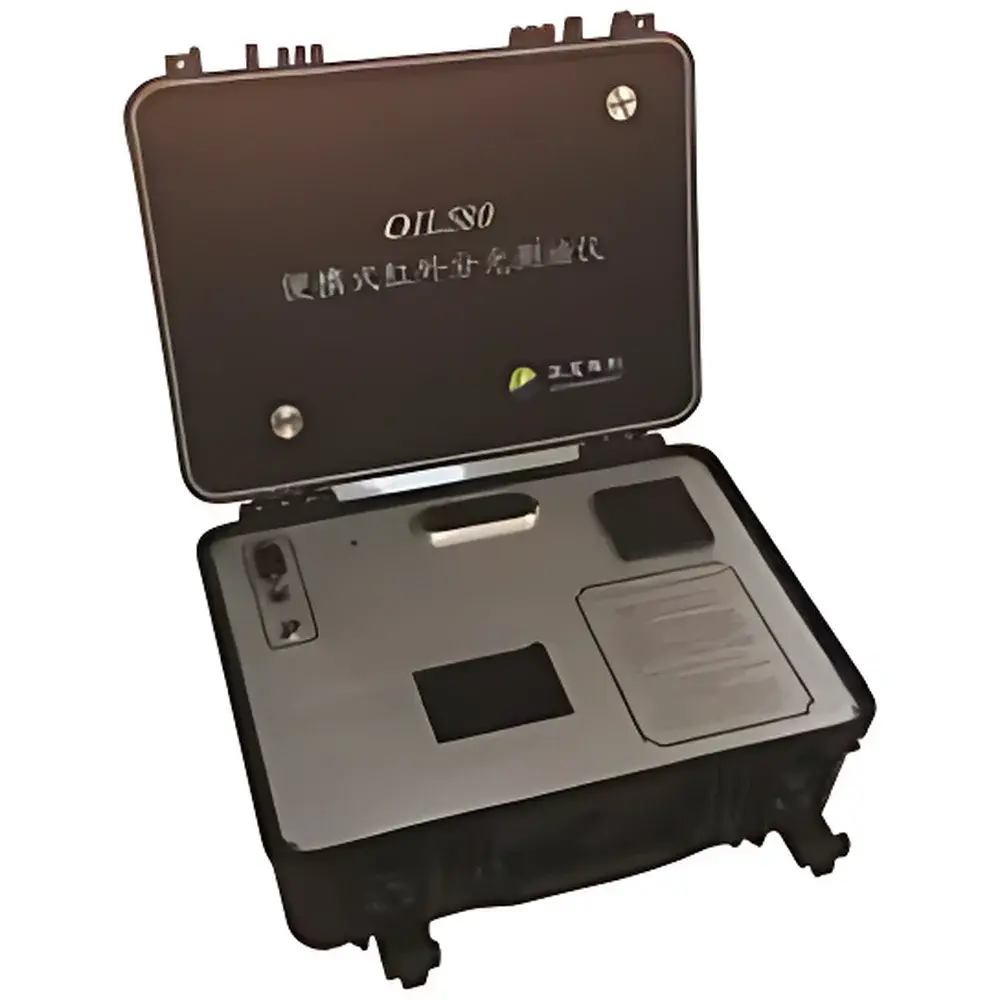
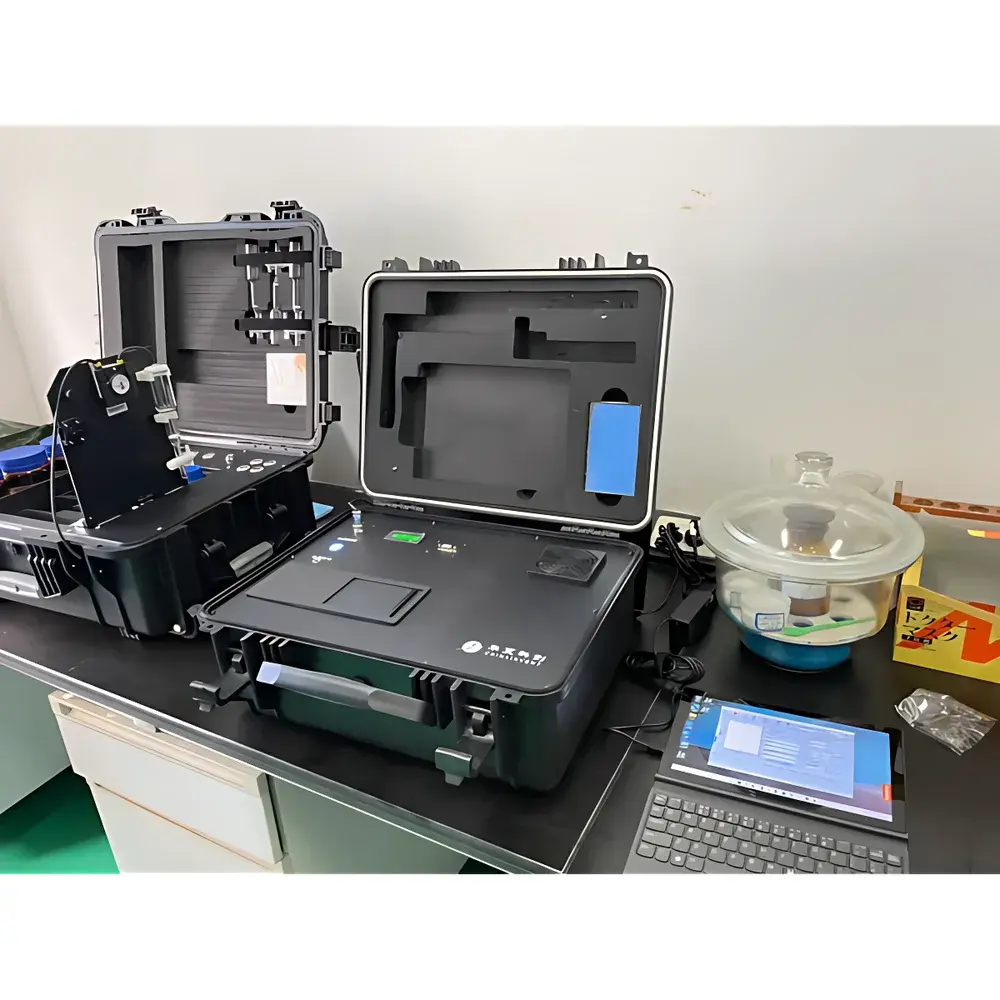
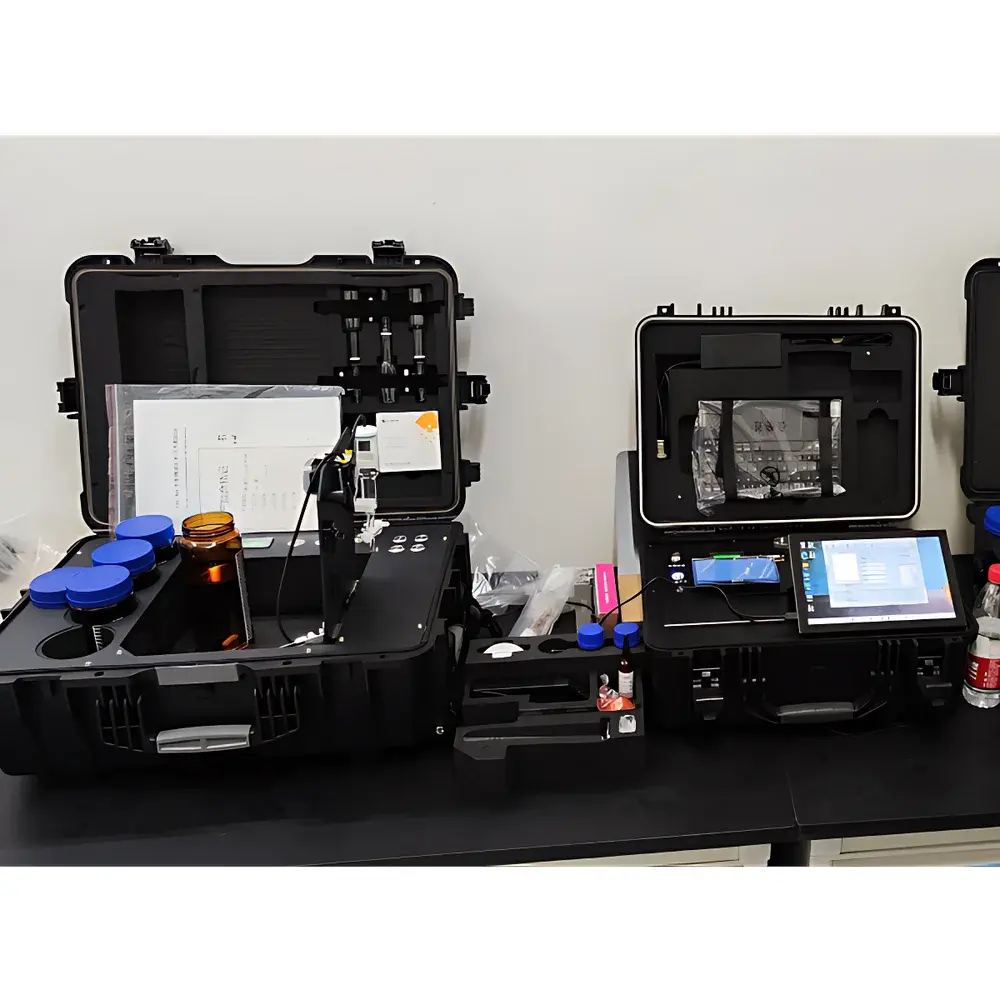
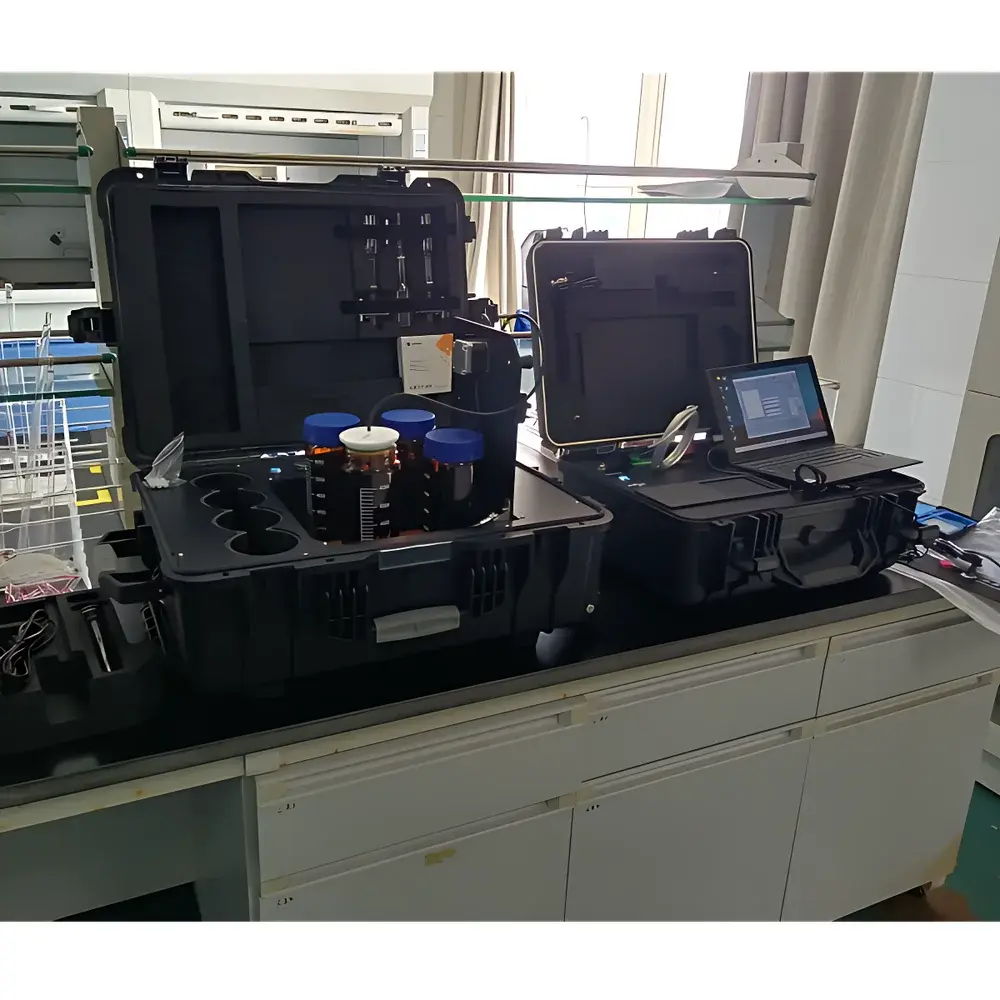
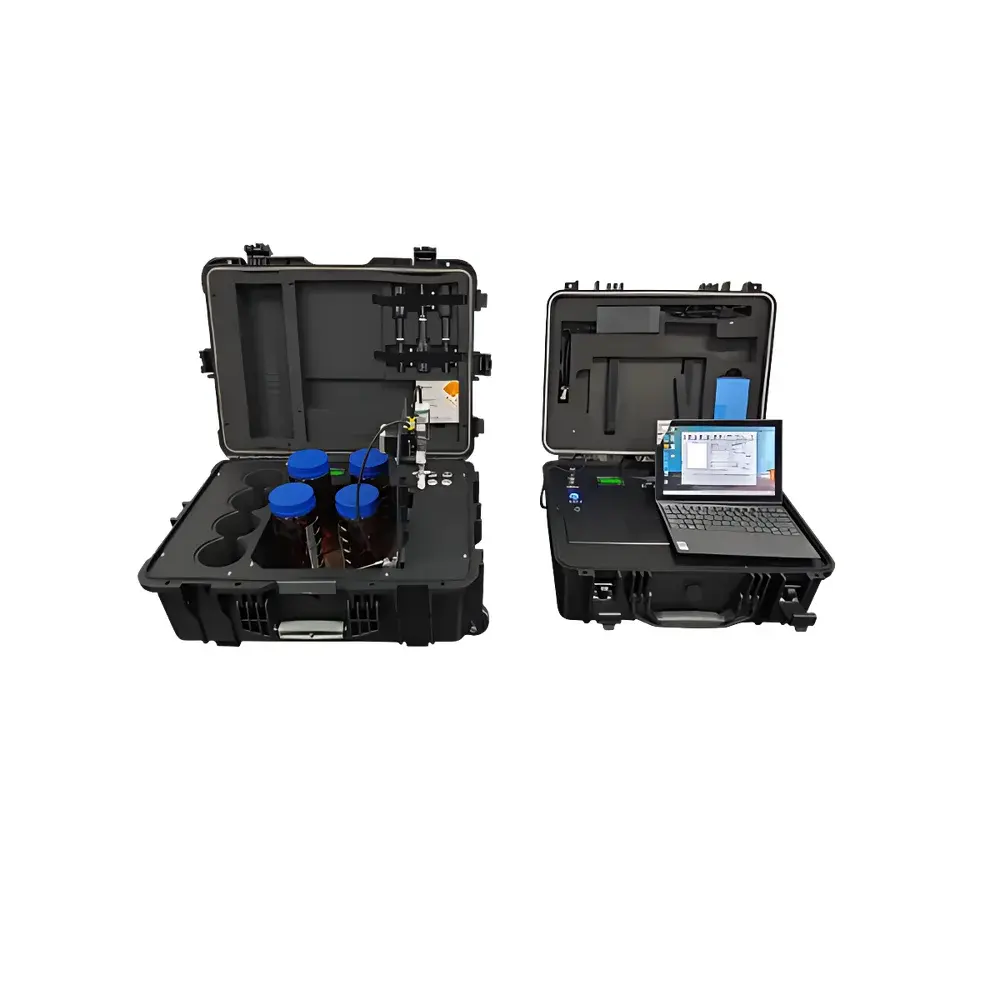
Spectra Invent OIL-580 Portable Infrared Oil Content Analyzer
| Brand | Spectra Invent |
|---|---|
| Origin | Beijing, China |
| Model | OIL-580 |
| Instrument Type | Portable |
| Measurement Principle | Infrared Spectrophotometry |
| Detection Limit | 0.06 mg/L |
| Accuracy | ±2% (at 30–50 mg/L) |
| Compliance | HJ 637-2018, HJ 1051-2019, HJ 1077-2019 |
Overview
The Spectra Invent OIL-580 Portable Infrared Oil Content Analyzer is a field-deployable analytical instrument engineered for the quantitative determination of total petroleum hydrocarbons (TPH), mineral oil, and animal/vegetable oils in aqueous, soil, and airborne particulate matrices. It operates on the fundamental principle of infrared absorption spectroscopy—specifically targeting the asymmetric C–H stretching vibration band near 2930 cm⁻¹ (3.41 µm), the symmetric C–H stretch at 2960 cm⁻¹ (3.37 µm), and the C–H bending mode at 2870 cm⁻¹ (3.49 µm)—enabling selective quantification of hydrocarbon content based on Beer–Lambert law calibration. Designed to meet the stringent methodological requirements of Chinese environmental standards HJ 637-2018 (for water), HJ 1051-2019 (for soil), and HJ 1077-2019 (for fixed-source exhaust oil mist), the OIL-580 delivers laboratory-grade performance in a rugged, battery-powered platform suitable for on-site monitoring, emergency response, regulatory inspections, and routine field QA/QC workflows.
Key Features
- Compact, lightweight design (≤3.2 kg) with integrated rechargeable Li-ion battery supporting ≥6 hours of continuous operation under typical measurement cycles.
- Dual-beam optical architecture with thermoelectrically stabilized silicon carbide (SiC) infrared source and high-sensitivity pyroelectric detector, minimizing baseline drift and thermal noise.
- Pre-calibrated spectral library compliant with HJ 637-2018 reference oil standards (e.g., n-hexadecane, iso-octane, benzene), enabling automatic three-band correction for interference compensation.
- Onboard touchscreen interface (5.0″ capacitive, 800×480 resolution) with intuitive navigation, real-time spectral preview, and embedded method selection (Water, Soil, Exhaust).
- Integrated solvent extraction module compatibility (via optional external extractor) for solid and semi-solid samples per HJ 1051-2019 and HJ 1077-2019 protocols.
- Ruggedized IP65-rated enclosure with shock-absorbing rubber overmold, certified for operation across –10 °C to +50 °C ambient range and relative humidity ≤90% non-condensing.
Sample Compatibility & Compliance
The OIL-580 supports direct analysis of liquid-phase extracts prepared from water (via CCl₄ or tetrachloroethylene per HJ 637-2018), soil (using ultrasonic-assisted extraction with dichloromethane per HJ 1051-2019), and filter-collected oil mist from stack emissions (per HJ 1077-2019). It accepts standard 4-cm pathlength quartz cuvettes and accommodates both manual and automated sample introduction. All measurement procedures adhere to documented analytical workflows traceable to national standard methods; raw absorbance data, calibration curves, and final concentration reports are timestamped and user-ID tagged to support GLP-aligned recordkeeping. While not pre-certified for FDA 21 CFR Part 11, the device’s audit trail functionality—including operator login, parameter change logs, and result revision history—facilitates internal validation for regulated environmental laboratories.
Software & Data Management
The analyzer ships with SpectraLink™ PC software (Windows 10/11 compatible) for advanced data export, multi-instrument fleet management, and customizable reporting templates aligned with local environmental authority submission formats. USB-C and Bluetooth 5.0 interfaces enable secure transfer of CSV- and PDF-formatted reports containing full spectral metadata (wavenumber range, resolution, scan count), calibration parameters (R² > 0.999), and QC flags (e.g., blank drift alert, cuvette alignment warning). Firmware updates are delivered via signed binary packages with SHA-256 verification to ensure integrity and traceability. All stored measurement records include ISO 8601 timestamps, GPS coordinates (when enabled via paired mobile device), and configurable project tagging for spatial-temporal trend analysis.
Applications
- Field screening of surface water, groundwater, and wastewater effluents for petroleum hydrocarbon contamination following spill incidents or routine discharge monitoring.
- Soil remediation site assessment, including pre- and post-treatment TPH profiling in industrial brownfields and pipeline right-of-way surveys.
- Stack emission compliance testing for oil mist concentrations from metalworking fluid systems, compressors, and lubricated industrial processes.
- Environmental laboratory backup instrumentation for rapid triage prior to confirmatory GC-FID or GC-MS analysis.
- Educational use in university environmental science curricula for hands-on instruction in IR spectroscopy, calibration theory, and regulatory method implementation.
FAQ
Does the OIL-580 require external calibration standards for routine use?
No—the instrument includes factory-applied, NIST-traceable calibration stored in non-volatile memory. However, users must perform daily system suitability checks using certified reference materials (e.g., 5 mg/L and 30 mg/L hexadecane standards) per HJ 637-2018 Section 8.2.
Can it quantify both petroleum hydrocarbons and biogenic oils separately?
Yes—by applying the three-wavelength algorithm defined in HJ 637-2018, the OIL-580 calculates “petroleum类” and “动植物油类” fractions independently using differential absorption coefficients, provided the extraction solvent and cleanup steps follow specified protocol.
Is the device suitable for use in explosive atmospheres?
No—it is not ATEX or IECEx certified. Operation in Zone 1/2 hazardous locations requires additional explosion-proof enclosures or remote sampling configurations.
What maintenance intervals are recommended?
Optical path cleaning every 50 measurements; desiccant cartridge replacement every 90 days or after exposure to >80% RH; annual factory recalibration recommended for ISO/IEC 17025-accredited labs.
How is data integrity ensured during field deployments?
All measurements generate immutable digital signatures tied to firmware version, sensor ID, and environmental sensor readings (temperature, humidity); exported files include embedded cryptographic hashes for third-party verification.







