
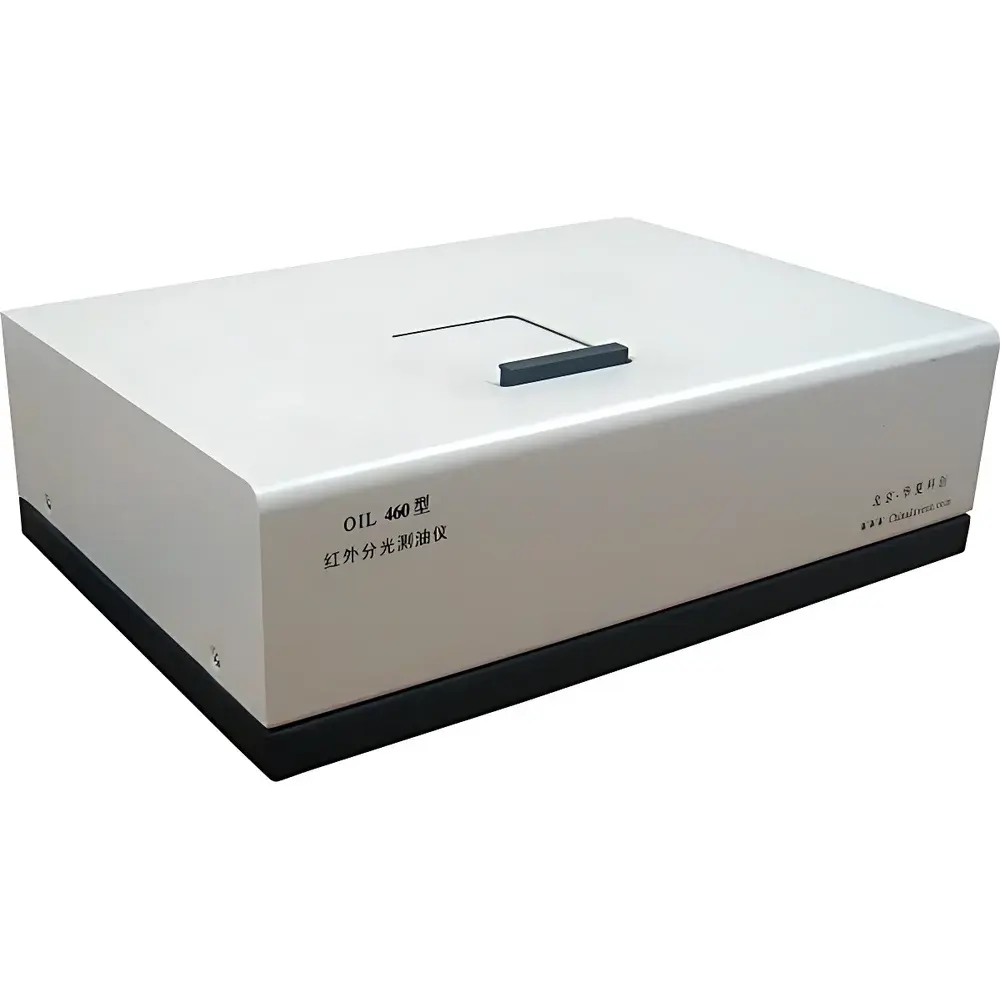
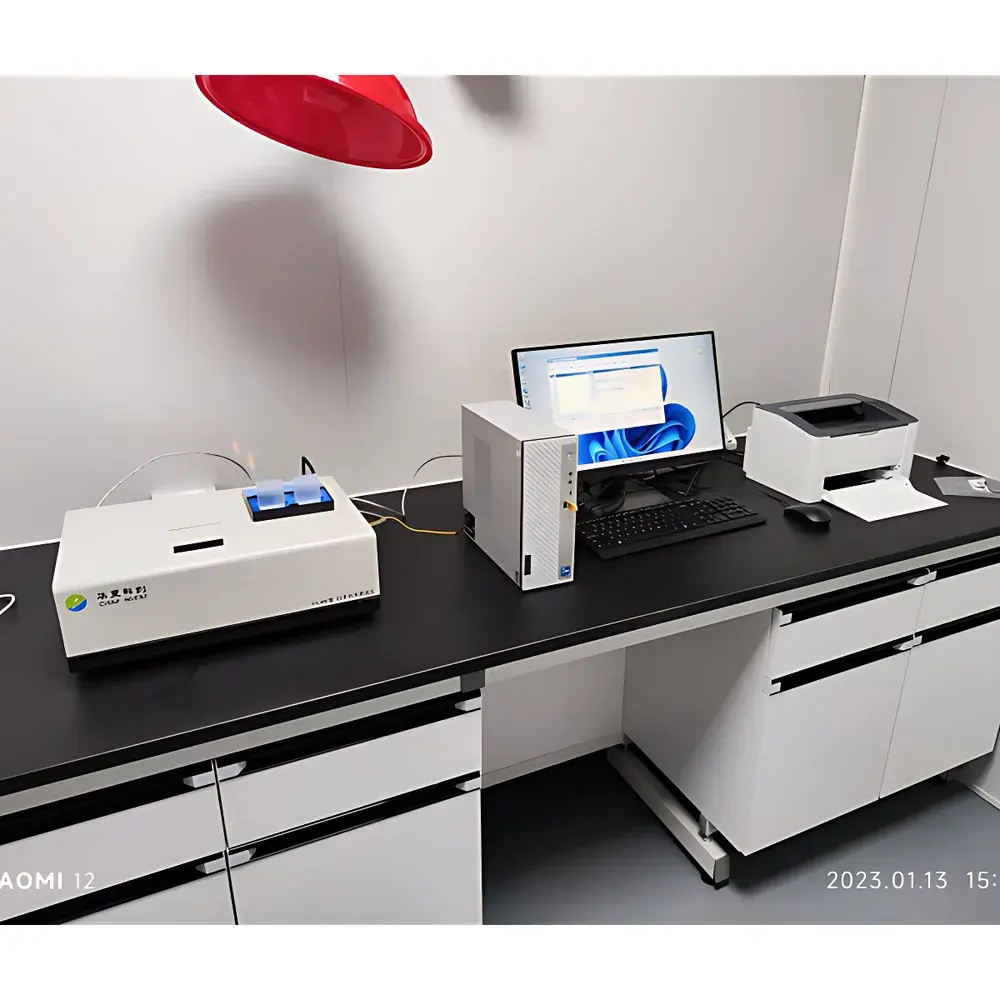
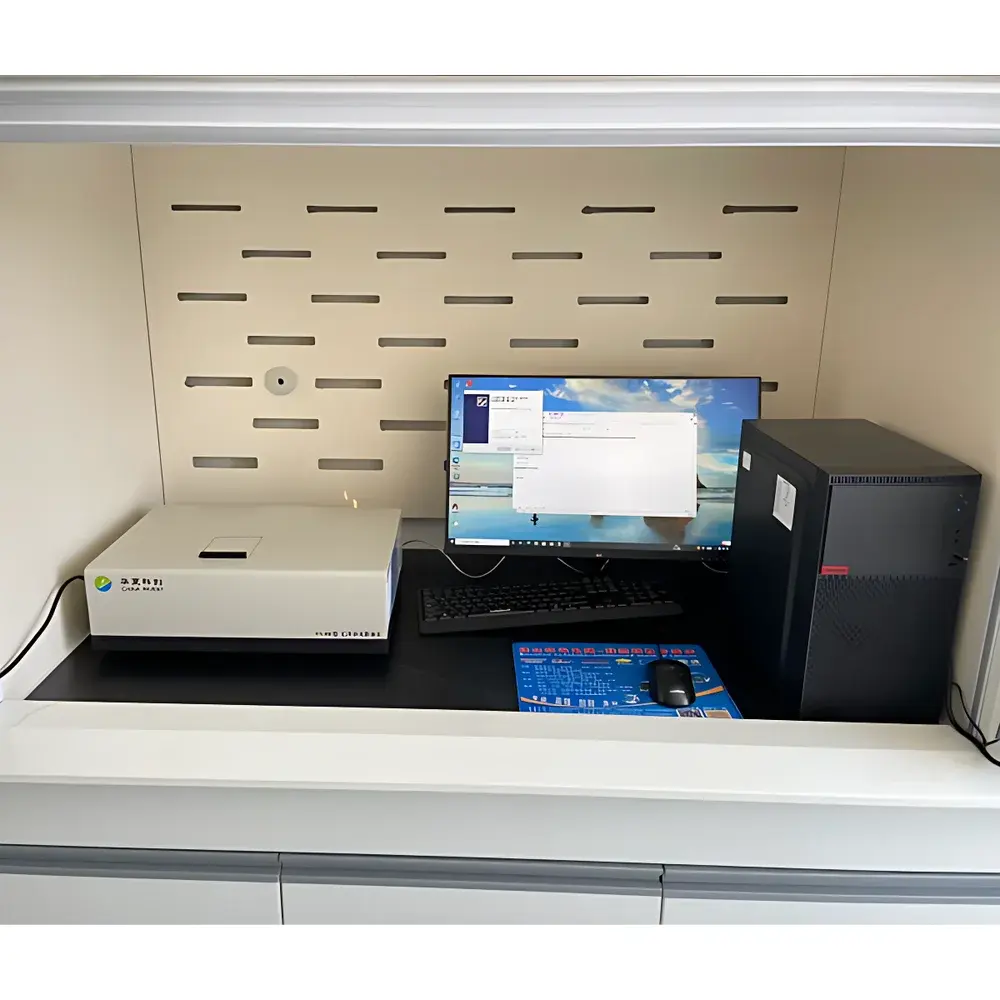
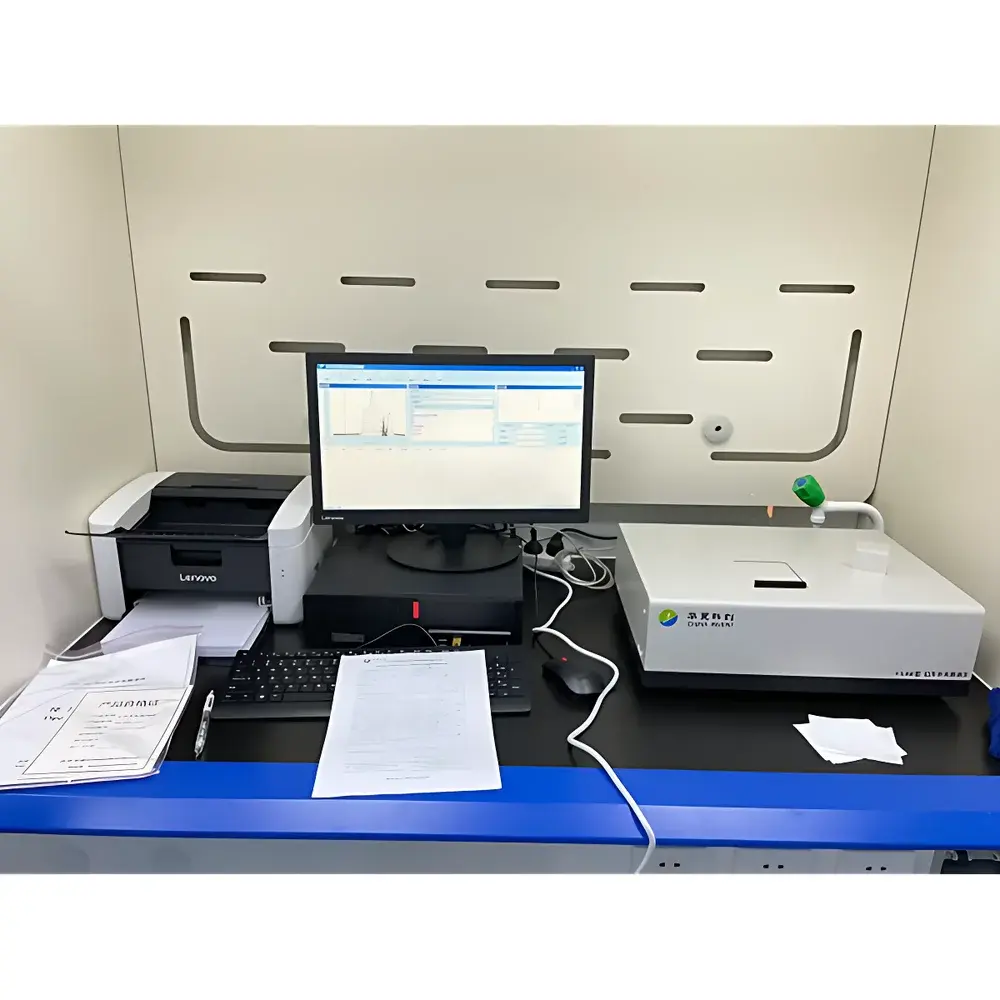
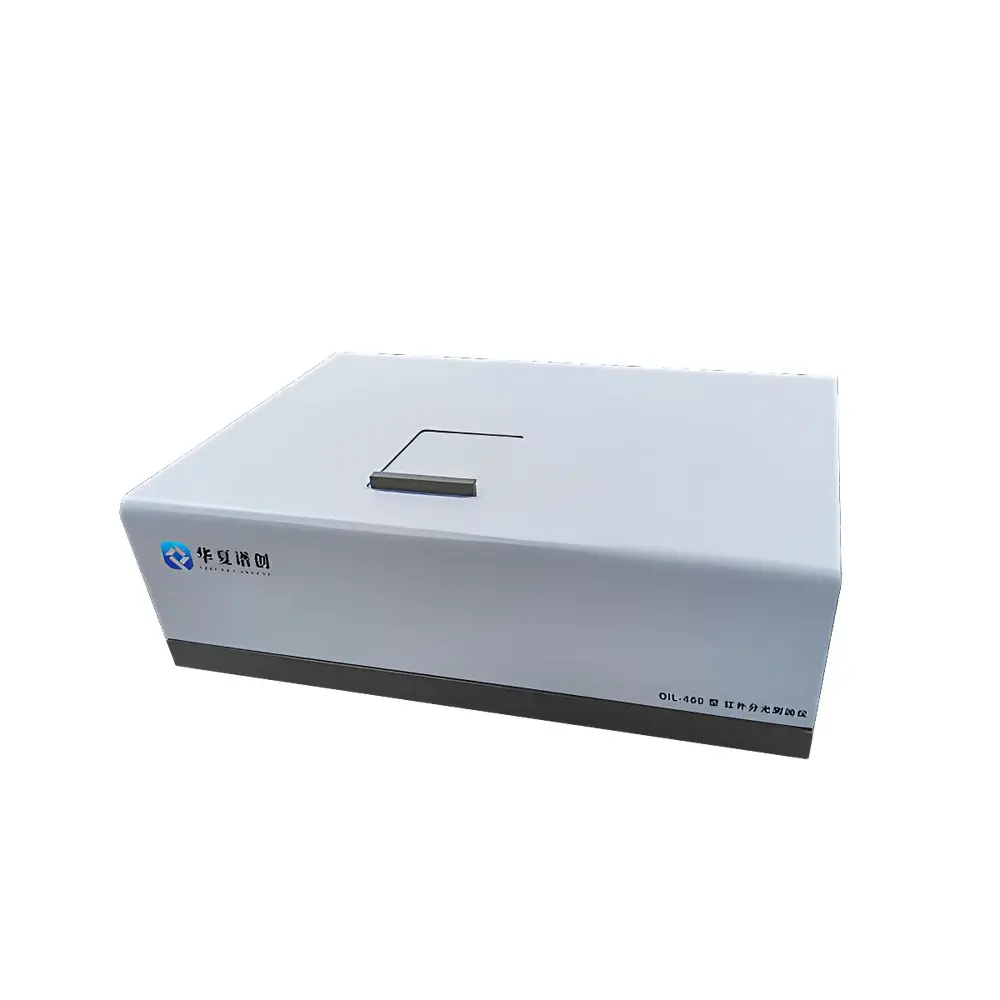
Spectra Invent OIL-460 Infrared Spectrophotometric Oil Analyzer
| Brand | Spectra Invent (Chinainvent) |
|---|---|
| Origin | Beijing, China |
| Model | OIL-460 |
| Instrument Type | Laboratory Benchtop Analyzer |
| Principle | Infrared Absorption Spectrophotometry (Fourier-transform or dispersive, per HJ 637–2018) |
| Detection Limit | DL ≤ 0.06 mg/L (based on 11 measurements of C₂Cl₄ blank, 3σ criterion) |
| Accuracy | ±2% RSD for 30–50 mg/L standard solutions |
| Compliance | HJ 637–2018, HJ 1051–2019, HJ 1077–2019, GB 5084–2021, GB/T 5750.7–2023, GB 5085.6–2007 |
Overview
The Spectra Invent OIL-460 Infrared Spectrophotometric Oil Analyzer is a dedicated laboratory instrument engineered for the quantitative determination of total petroleum hydrocarbons (TPH), petroleum hydrocarbons (petroleum oils), and non-petroleum hydrocarbons (e.g., animal and vegetable oils) in aqueous, soil, and gaseous emission matrices. It operates on the fundamental principle of infrared absorption spectrophotometry, specifically measuring characteristic C–H bond stretching vibrations at three critical wavenumbers: 2930 cm⁻¹ (asymmetric CH₂ stretch), 2960 cm⁻¹ (asymmetric CH₃ stretch), and 3030 cm⁻¹ (aromatic C–H stretch). These spectral bands serve as chemometric anchors for multivariate calibration, enabling selective quantification of oil fractions via standardized correction algorithms defined in HJ 637–2018. The system supports both direct extraction (for total oil) and post-silica gel adsorption (for petroleum-only analysis), ensuring regulatory alignment with Chinese environmental monitoring protocols.
Key Features
- Integrated optical and electronic architecture: All critical components—including IR source, monochromator or interferometer (depending on configuration), sample compartment, and detector—are housed within a thermally stabilized, vibration-damped chassis to minimize signal drift and maximize long-term reproducibility.
- Real-time zero-point baseline correction: Automatic baseline adjustment compensates for thermal drift and solvent vapor fluctuations during sequential measurements, eliminating manual recalibration between samples.
- Dual-mode software platform: Supports both full-spectrum infrared photometric analysis (per HJ 637–2018) and simplified non-dispersive infrared (NDIR)-style quantification for rapid screening applications.
- Extraction solvent flexibility: One-click software toggle between tetrachloroethylene (C₂Cl₄) and carbon tetrachloride (CCl₄), including built-in solvent purity validation protocol based on absorbance thresholds at reference wavelengths.
- Preconfigured compliance templates: Preloaded method files for HJ 637–2018 (water), HJ 1051–2019 (soil), and HJ 1077–2019 (stack emissions), each with validated wavelength selection, pathlength compensation, and correction factor application logic.
Sample Compatibility & Compliance
The OIL-460 accommodates liquid-phase extracts (typically 4 cm pathlength quartz cells), solid-phase eluates (after Soxhlet or ultrasonic extraction), and condensed stack gas condensates. Sample preparation follows strict matrix-specific protocols: aqueous samples require acidification to pH ≤ 2 prior to C₂Cl₄ extraction; soil samples undergo accelerated solvent extraction followed by silica gel cleanup; and油烟/油雾 samples are collected on glass fiber filters and extracted under controlled temperature conditions. All operational procedures align with GLP principles and support audit-ready documentation for laboratories undergoing CNAS (China National Accreditation Service) or ISO/IEC 17025 accreditation. While not FDA 21 CFR Part 11–certified out-of-the-box, the software architecture supports optional electronic signature modules and audit trail logging upon customer-requested configuration.
Software & Data Management
The proprietary SpectraSoft v3.2 analytical suite provides instrument control, spectral acquisition, multi-point calibration, and automated calculation per regulatory equations. Raw absorbance values (A2930, A2960, A3030) are stored with metadata (date/time, operator ID, cell ID, solvent lot), enabling traceable reprocessing. Data export formats include CSV, PDF analytical reports, and XML for LIMS integration. Calibration curves are validated using NIST-traceable mineral oil standards; linearity verification across 0.1–100 mg/L range is performed daily per internal QC SOPs. Software updates are delivered via secure HTTPS portal with version-controlled release notes and impact assessments.
Applications
- Environmental water testing: Quantification of petroleum hydrocarbons in industrial effluents, municipal wastewater, surface water, and groundwater per HJ 637–2018 and GB/T 5750.7–2023.
- Soil contamination assessment: Total recoverable petroleum hydrocarbons (TRPH) in remediation site soils, landfill leachates, and agricultural land per HJ 1051–2019 and GB 5085.6–2007.
- Stack emission monitoring: Measurement of油烟 (cooking fume oil) and oil mist from food service establishments and metalworking facilities per HJ 1077–2019.
- Irrigation water safety: Compliance screening against GB 5084–2021 limits for petroleum contaminants in agricultural water sources.
- Method development labs: Reference instrument for validating alternative extraction techniques, sorbent materials, or spectral deconvolution algorithms in oil speciation research.
FAQ
What extraction solvents are supported, and how is solvent purity verified?
The OIL-460 supports tetrachloroethylene and carbon tetrachloride. Purity verification is performed automatically by measuring absorbance at 2930 cm⁻¹ in a dry 4 cm quartz cell; results are compared against pre-set thresholds derived from manufacturer specifications.
Does the instrument comply with international standards such as ISO 9377-2 or ASTM D7066?
The OIL-460 is designed and validated exclusively for Chinese regulatory methods (HJ and GB series). While its measurement principle aligns with ISO 9377-2 (hydrocarbon analysis by IR), formal conformance requires method equivalence studies conducted by the end user.
Is the software compatible with LIMS systems?
Yes—CSV and XML data export options enable seamless integration with common LIMS platforms. Custom API connectors can be developed under NDA for enterprise deployments.
What maintenance is required for long-term stability?
Recommended quarterly verification includes source intensity check, detector dark current measurement, and wavelength accuracy validation using polystyrene film. Optical alignment is factory-set and does not require field adjustment.
Can the OIL-460 analyze emulsified or highly turbid samples directly?
No. Samples must be homogenized and phase-separated prior to extraction. Emulsion-breaking agents (e.g., NaCl saturation, centrifugation) are required before C₂Cl₄ extraction to ensure accurate partitioning.
Related Products







