
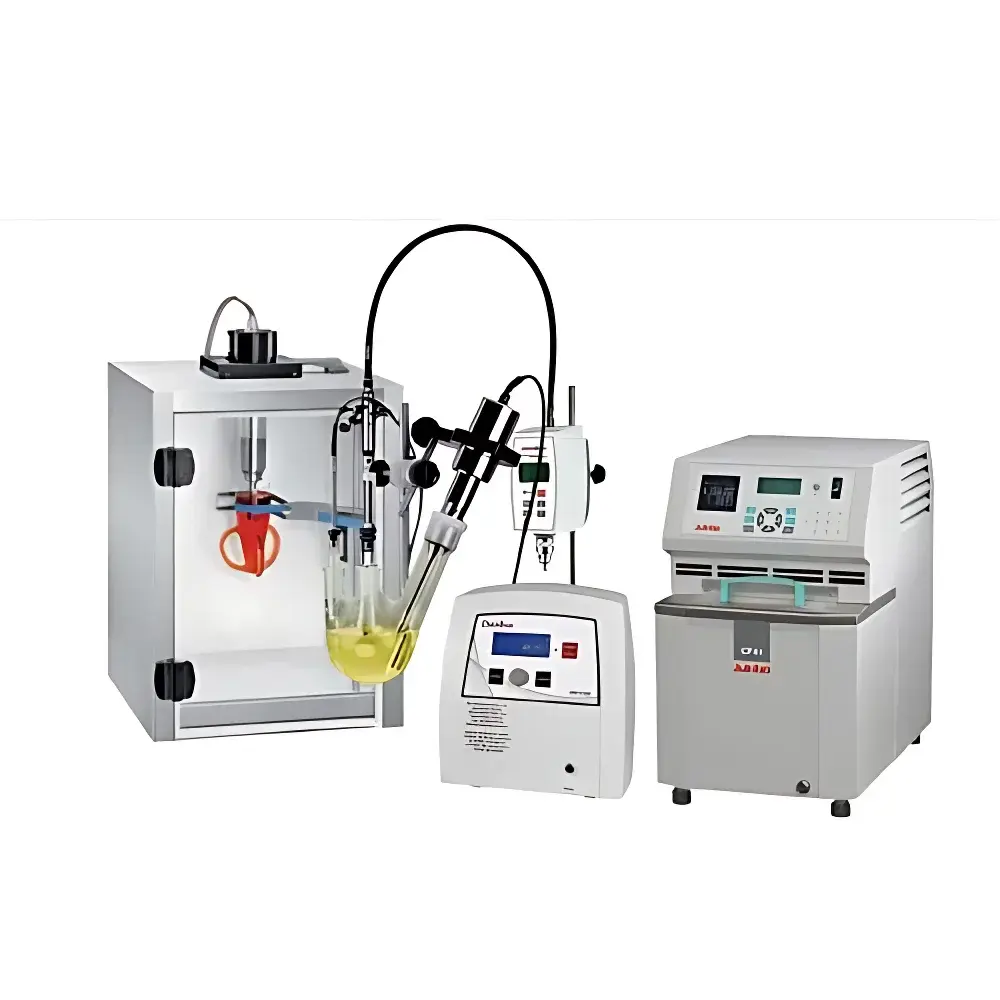
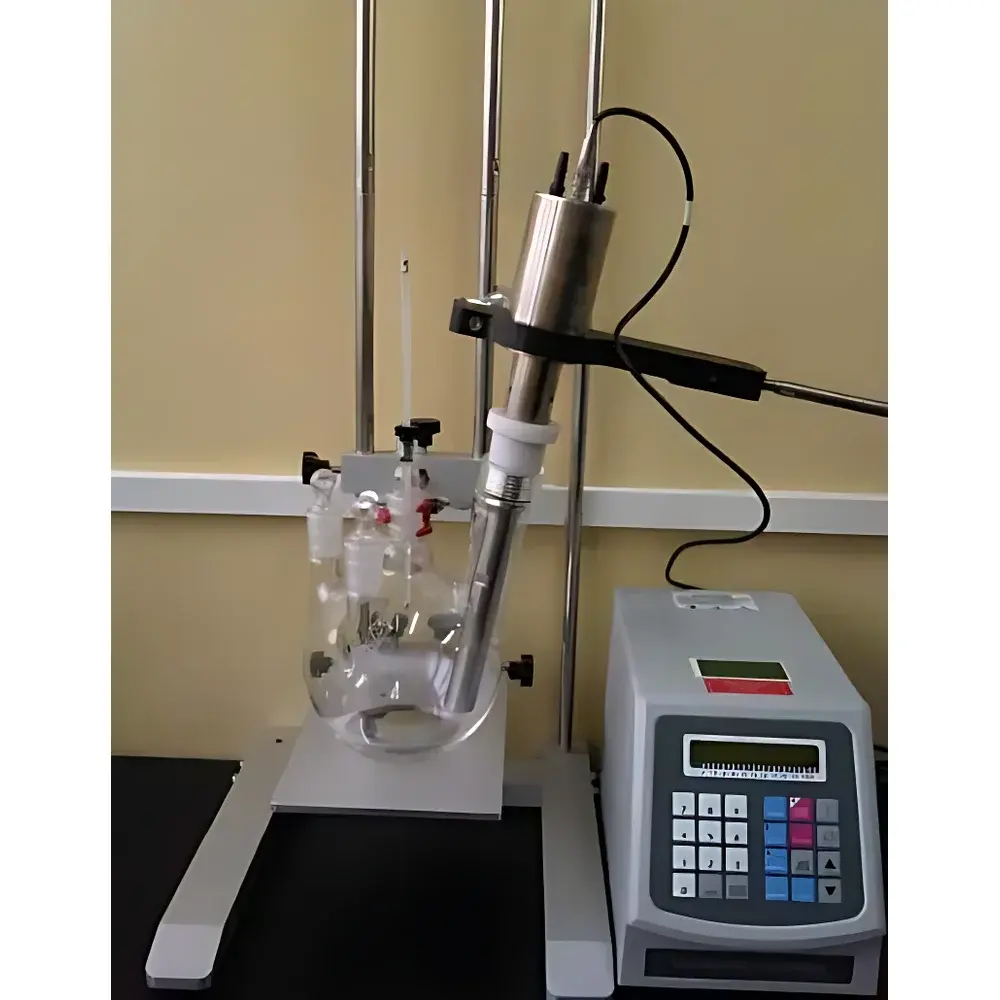
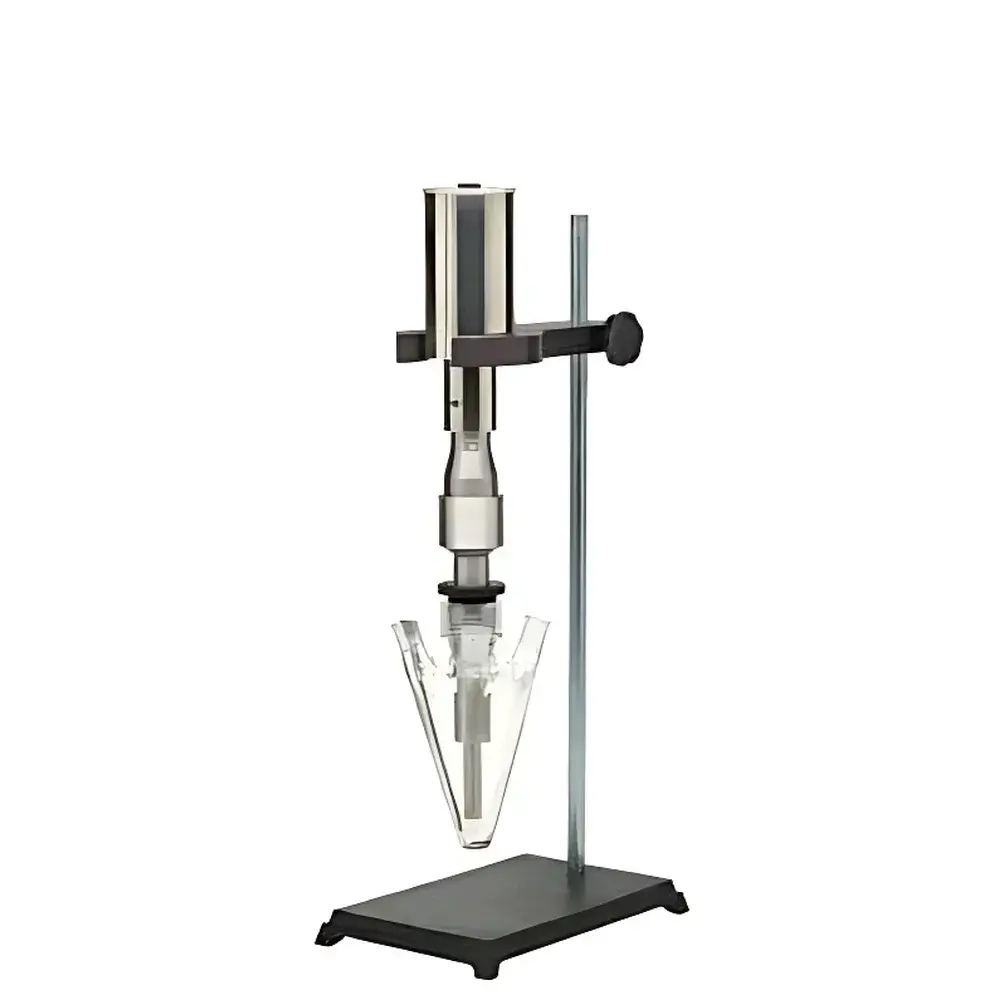
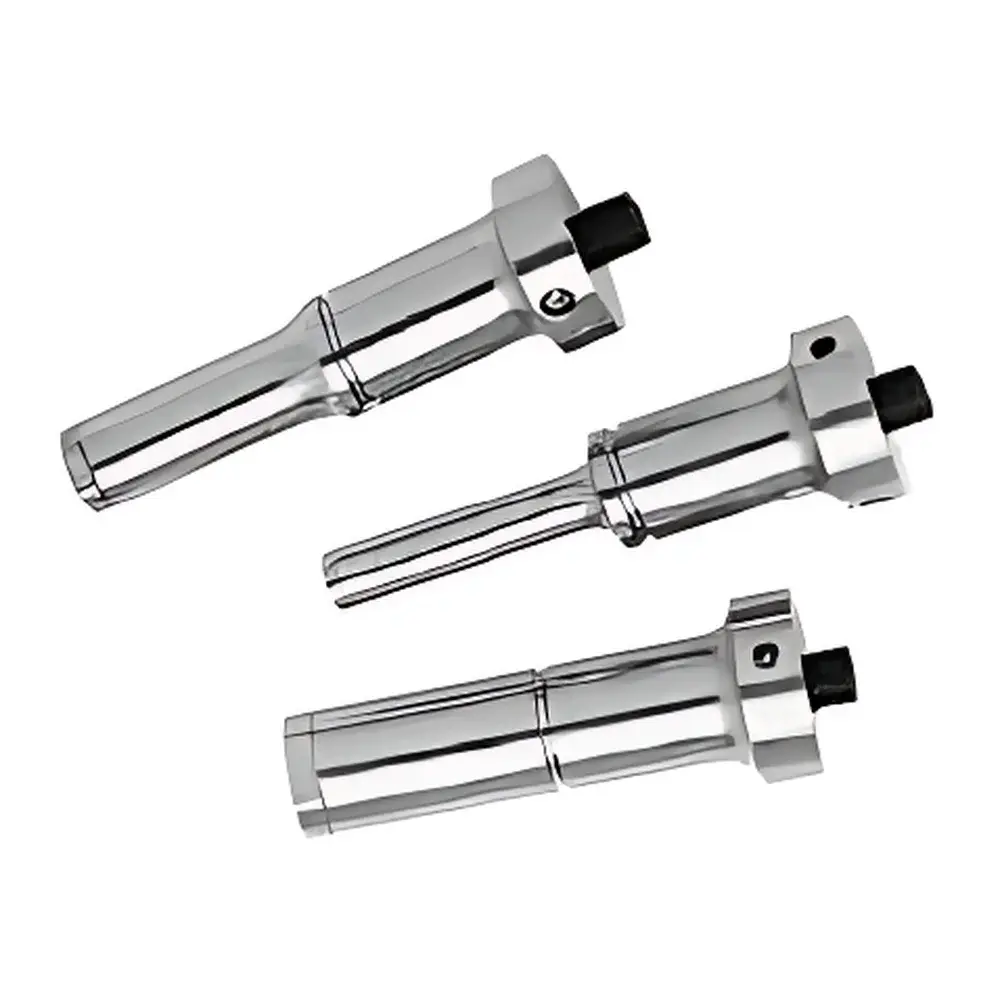
ChemTron ACE Ultrasonic Chemical Reaction System (250 mL – 1000 mL Capacity)
| Brand | ChemTron |
|---|---|
| Origin | USA |
| Model | ACE-USR-250/1000 |
| Ultrasonic Generator Power | 750 W (SONICS) |
| Transducer Material | Titanium Alloy |
| Reactor Volume Range | 250 mL – 1000 mL |
| Temperature Control | JULABO Precision Circulating Chiller/Heater |
| Stirring System | Flexible Shaft Drive |
| Reactor Types | Jacketed, Single-Wall, Flow-Through |
| Probe Options | Titanium Horns (13 mm & 19 mm Diameter), Interchangeable Tips |
| Compliance | Designed for GLP/GMP-aligned laboratory environments |
| Software | Programmable Timer & Multi-Step Protocol Editor |
| Cooling/Heating Interface | External Jacket or Heating Mantle Integration |
Overview
The ChemTron ACE Ultrasonic Chemical Reaction System (250 mL – 1000 mL Capacity) is an engineered platform for controlled sonochemical synthesis and process intensification in research and development laboratories. It integrates high-intensity ultrasonic energy delivery—via piezoelectric transduction at 20 kHz—into thermally regulated, mechanically stirred reaction vessels. Unlike conventional thermal activation, this system leverages acoustic cavitation as a non-thermal, localized energy source: rapid bubble nucleation, growth, and implosive collapse generate transient microenvironments exceeding 5000 K and >1000 bar pressure, with heating/cooling rates surpassing 1010 K/s. This enables bond cleavage, radical formation, and mass transfer enhancement without bulk-phase overheating—making it particularly valuable for catalysis, nanoparticle synthesis, cross-coupling reactions, and degradation studies where thermal sensitivity or selectivity constraints limit conventional methods.
Key Features
- 750 W high-stability ultrasonic generator (SONICS, USA) with digital timer and programmable multi-step protocol editor for reproducible energy dosing.
- Titanium alloy (Grade 5) ultrasonic probes—including 13 mm and 19 mm diameter horns with optional tip geometries—engineered for corrosion resistance, thermal stability, and mechanical durability under continuous duty.
- Jacketed reactor vessels (250–1000 mL) fabricated to ASTM E2877-compliant dimensional tolerances, featuring precision-machined proprietary thread interfaces for leak-tight, vibration-damped coupling between probe and vessel.
- Flexible shaft stirring system decouples agitation from the reactor headspace, preserving clearance for condensers, gas inlets, sampling ports, or pH/DO sensors—enabling modular experimental configuration.
- Integrated temperature management via JULABO high-precision circulating chiller/heater (±0.1 °C stability), supporting both jacketed cooling/heating and external mantle integration for exothermic or cryogenic reaction control.
- Modular reactor library: single-wall, double-jacketed, and flow-through configurations available; all vessels certified for vacuum-rated operation and compatible with inert gas purging (N2, Ar).
Sample Compatibility & Compliance
The system accommodates heterogeneous, viscous, and particulate-laden reaction mixtures—including organometallic suspensions, aqueous colloids, polymer solutions, and slurry-phase catalysts—without probe fouling or performance drift. All wetted components comply with USP Class VI biocompatibility standards and meet FDA-relevant material traceability requirements. The design supports audit-ready documentation workflows aligned with GLP (OECD 1998) and GMP (ICH Q7) principles, including electronic log generation for probe runtime, temperature setpoints, power output, and protocol execution timestamps. No internal electronics reside within explosion-hazard zones; optional ATEX-certified enclosures available upon request.
Software & Data Management
The embedded controller provides intuitive touchscreen interface for defining time-resolved sonication profiles (pulse-on/pulse-off ratios, ramped amplitude, dwell segments) and synchronized temperature ramps. Exportable CSV logs include real-time power draw, reflected power (for impedance monitoring), junction temperature, and setpoint deviation—enabling post-hoc correlation of cavitation intensity with kinetic outcomes. Data files conform to ASTM E2500-22 metadata conventions and support import into LIMS platforms compliant with 21 CFR Part 11 (electronic signatures, audit trail, user access controls).
Applications
- Sono-assisted Suzuki, Heck, and Sonogashira couplings under ambient pressure and reduced temperature.
- Green synthesis of metal–organic frameworks (MOFs) and quantum dots with narrow size distribution (PDI < 0.15).
- Accelerated hydrolysis of esters and amides without acid/base catalysts.
- In situ generation of reactive oxygen species (ROS) for advanced oxidation process (AOP) screening.
- Emulsification and nanoencapsulation of lipophilic actives in pharmaceutical formulation development.
- Cell lysis and protein extraction protocols requiring minimal thermal denaturation.
FAQ
What is the maximum allowable operating temperature for the jacketed reactor vessels?
Standard ACE reactors are rated for continuous operation from –20 °C to +180 °C when used with JULABO thermal fluid circulation. Higher temperatures require custom quartz-lined or Hastelloy-C276 variants.
Can the system be integrated with automated liquid handling or gas dosing modules?
Yes—standard ¼″ NPT and Swagelok®-compatible ports enable third-party integration; API documentation and dry-contact I/O terminals are provided for PLC synchronization.
Is probe calibration traceable to NIST standards?
Ultrasonic power output is calibrated using calorimetric methods per ASTM E2884-23; certificates include uncertainty budgets and reference to NIST-traceable temperature and time standards.
How is cavitation intensity monitored during operation?
While direct optical cavitation imaging requires ancillary equipment, the system infers relative intensity via real-time monitoring of electrical impedance shift, acoustic emission signature (via optional broadband hydrophone input), and thermal load on the transducer housing.
Does the system support remote operation and data logging over Ethernet?
Yes—Ethernet/IP interface supports Modbus TCP and HTTP RESTful endpoints for integration with lab-wide automation networks and centralized data lakes.



