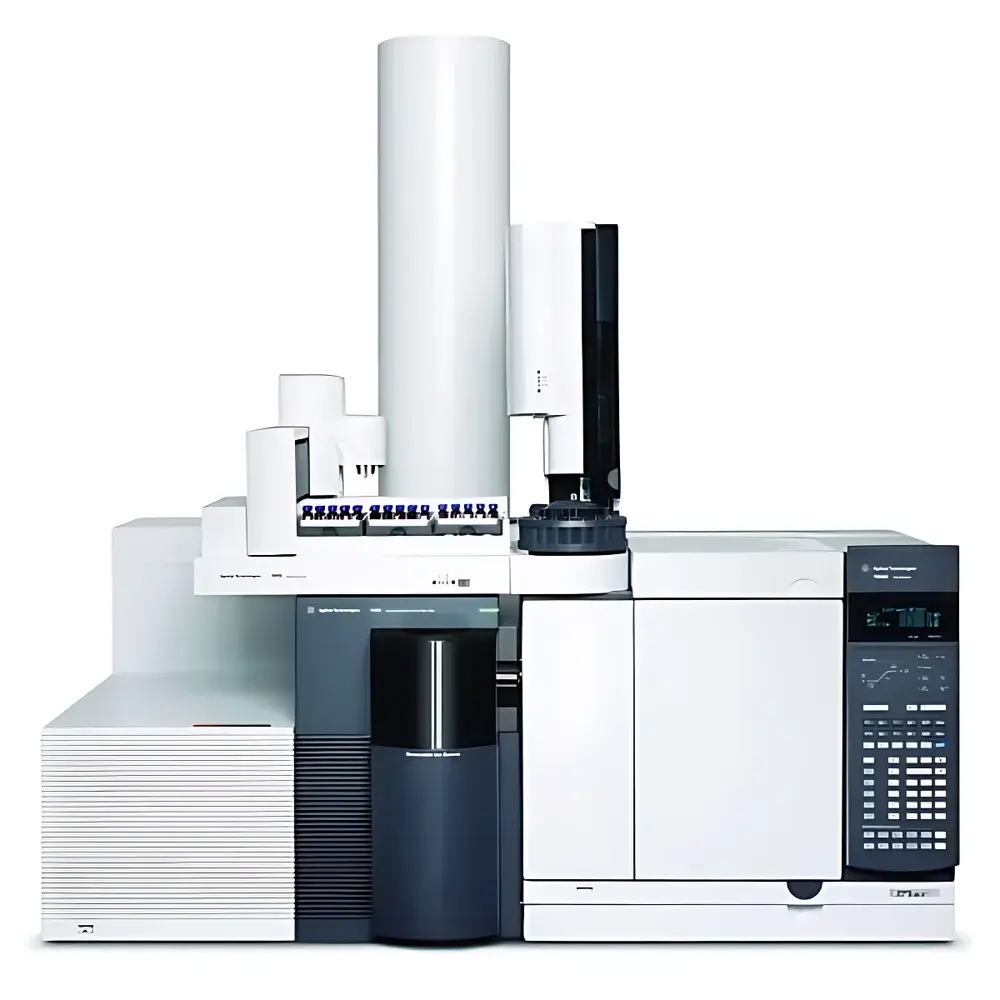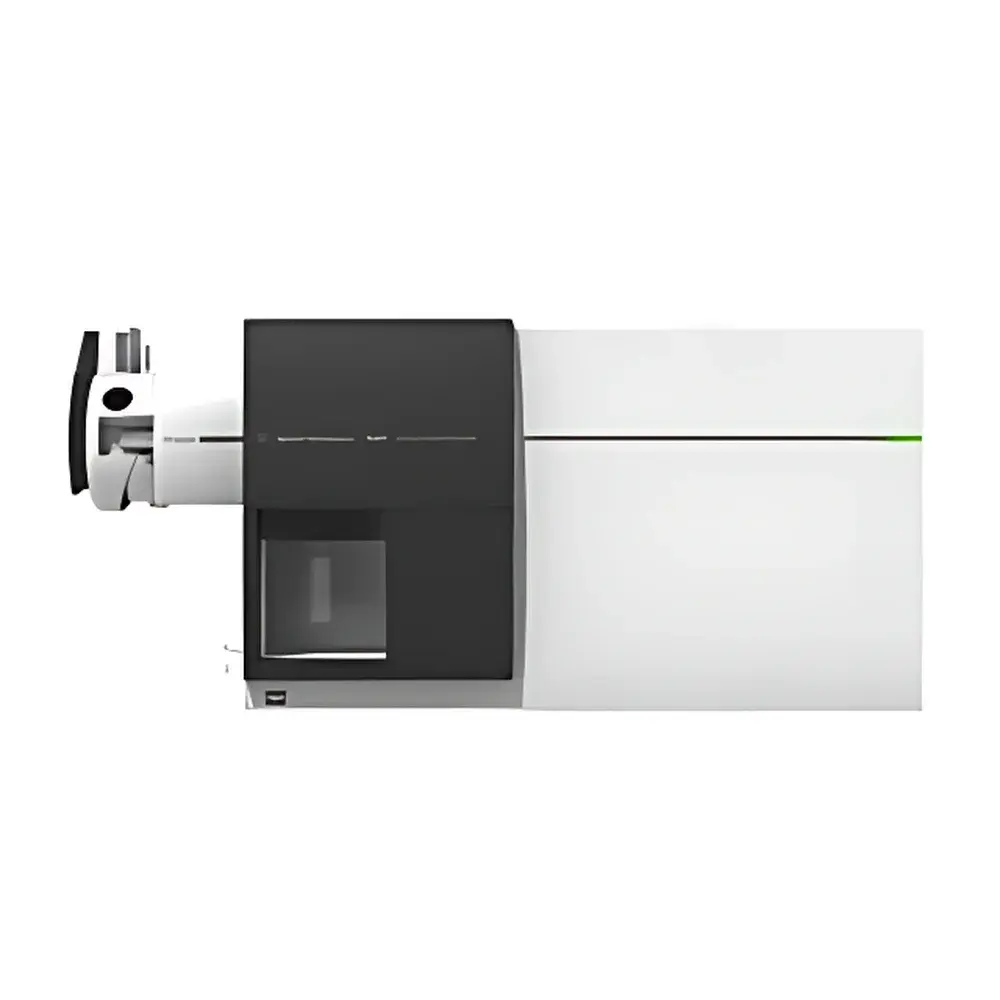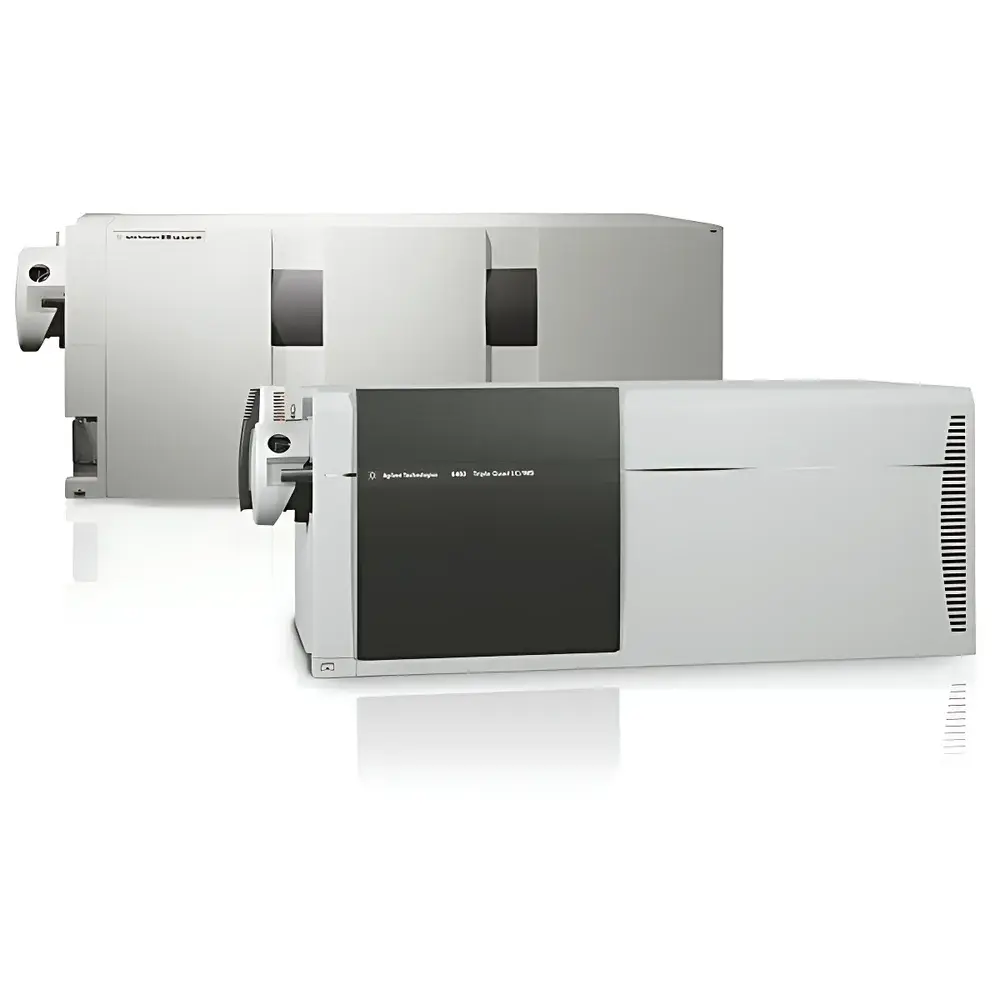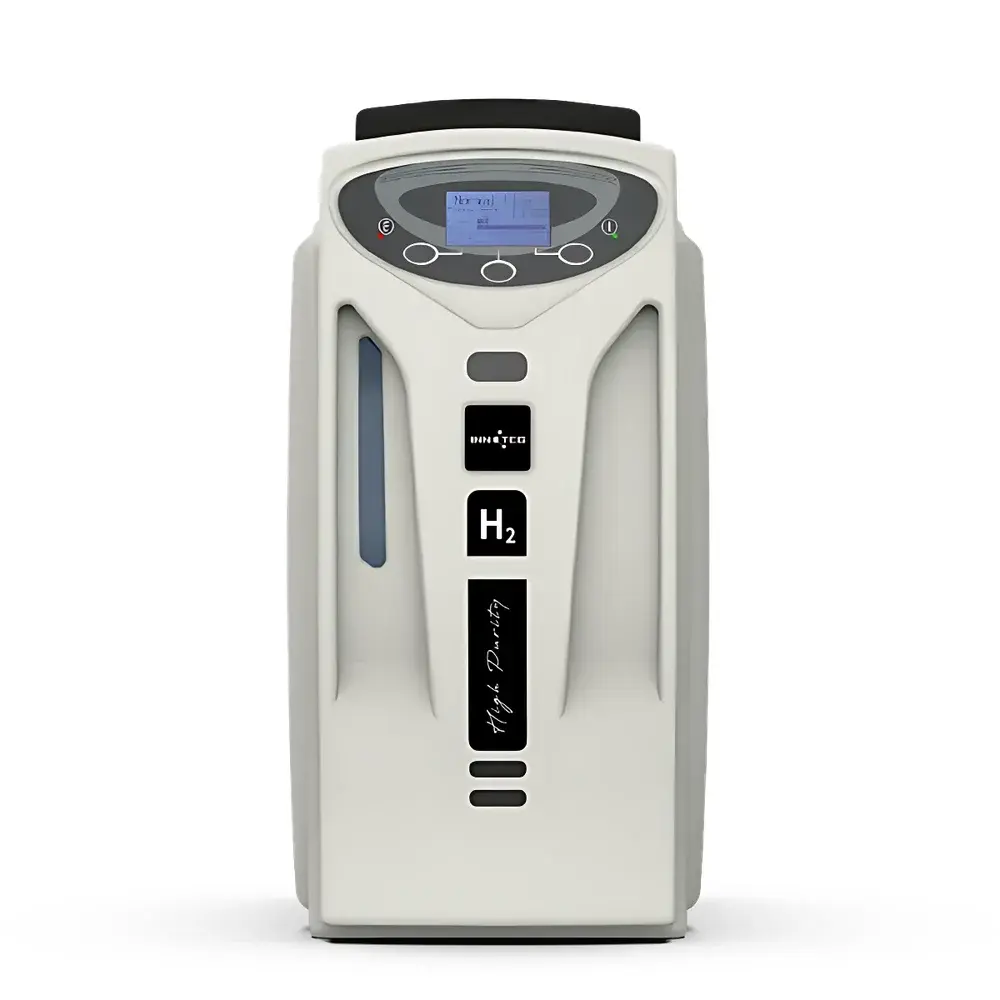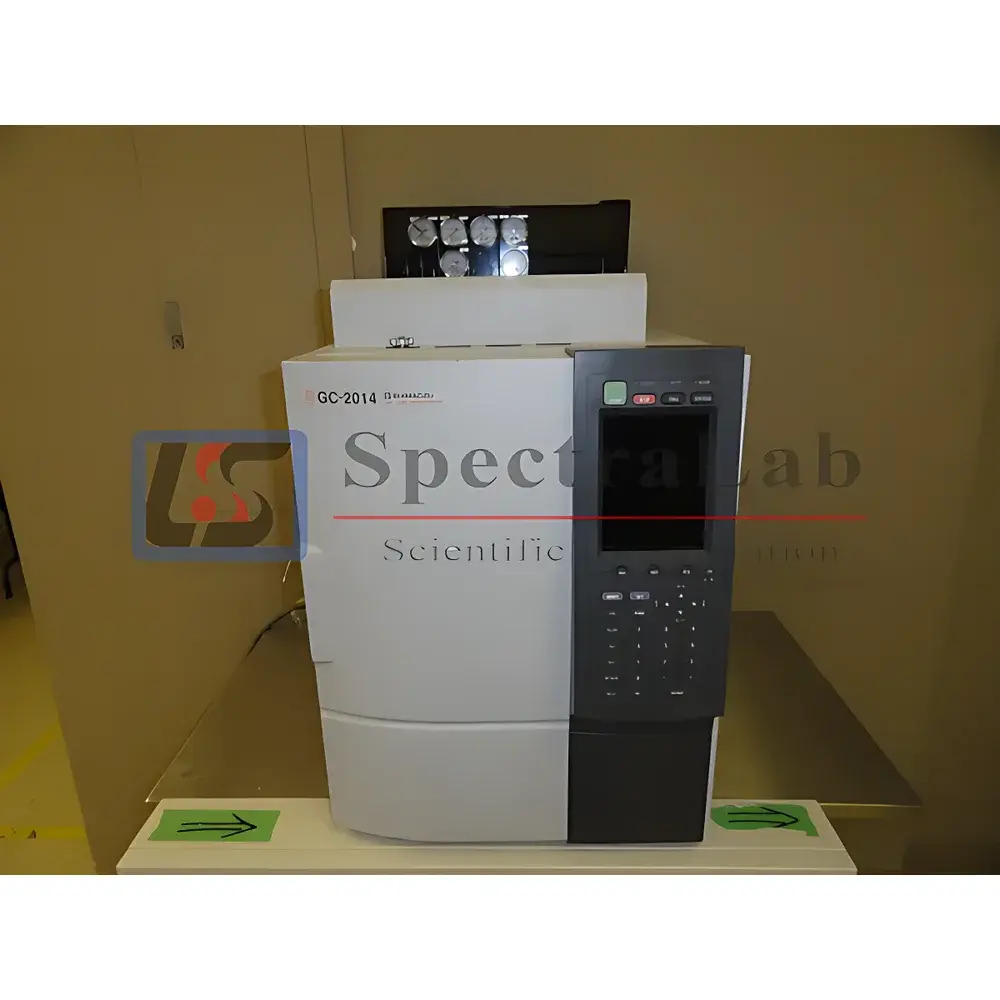
Shimadzu GC-2014 (SPL) with Sulfur Chemiluminescence Detector (SCD) and Photoionization Detector (PID)
| Brand | Shimadzu |
|---|---|
| Origin | Canada |
| Manufacturer Type | Authorized Distributor |
| Origin Category | Imported Instrument |
| Model | GC-2014 |
| Price Range | USD 6,800 – 13,600 |
| Product Category | Chromatography System |
| Operational Age | 5–7 Years |
| Warranty | 6 Months |
| Configuration | Split/Splitless Injector (SPL), Dual-Detector Setup (SCD + PID) |
Overview
The Shimadzu GC-2014 (SPL) equipped with both a Sulfur Chemiluminescence Detector (SCD) and a Photoionization Detector (PID) is a high-integrity, pre-owned gas chromatography system engineered for selective, sensitive, and quantitative analysis of volatile organic compounds (VOCs), sulfur-containing species (e.g., mercaptans, sulfides, SO₂), and aromatic hydrocarbons in complex matrices. Unlike standard flame ionization (FID) or thermal conductivity (TCD) detectors, this dual-detector configuration leverages orthogonal detection principles: the SCD provides element-specific, linear response to sulfur at sub-ppt levels via chemiluminescent reaction with ozone, while the PID delivers broad-spectrum, non-destructive detection of compounds with ionization potentials below 10.6 eV—enabling simultaneous monitoring of target analytes without detector switching or column reconfiguration. The GC-2014 platform features a robust oven architecture with ±0.01 °C temperature stability, programmable ramp rates up to 250 °C/min, and support for up to three independent temperature zones (oven, injector, detector), ensuring method transferability and retention time reproducibility across laboratories.
Key Features
- Split/splitless injector (SPL) with electronic pressure control (EPC) for precise flow management and method scalability
- Dual-detector integration: SCD optimized for ASTM D5623-compliant sulfur speciation; PID calibrated for benzene, toluene, ethylbenzene, xylenes (BTEX), and aldehydes per EPA Method 21 and TO-17
- Pre-owned unit refurbished to OEM specifications—including column oven recalibration, leak-tested pneumatic subsystem, and verified detector baseline stability (< 0.5 pA RMS over 60 min)
- Fully functional data acquisition via Shimadzu LabSolutions GC software (v5.9x or later), supporting AIA/ANDI file export and audit-trail-enabled sequence logging
- Compliant with GLP/GMP documentation requirements when operated with validated methods and instrument qualification records (IQ/OQ/PQ)
Sample Compatibility & Compliance
This GC-2014 (SPL) + SCD/PID system accommodates gaseous, liquid, and solid-phase microextraction (SPME) samples across environmental air monitoring, refinery process streams, pharmaceutical residual solvent testing, and petrochemical quality control workflows. It supports capillary columns up to 60 m in length and internal diameters from 0.10 to 0.53 mm, compatible with polar (e.g., DB-WAX), mid-polarity (DB-624), and low-polarity (DB-1, HP-5) stationary phases. All detector modules meet IEC 61000-4 electromagnetic compatibility standards and operate within Class II, Division 1 hazardous area guidelines when installed with appropriate purging or isolation enclosures. The system satisfies analytical validation criteria per USP , ISO/IEC 17025:2017, and EPA SW-846 Chapter One requirements for detector linearity (R² ≥ 0.999), limit of detection (LOD) verification, and carryover assessment.
Software & Data Management
LabSolutions GC software provides full instrument control, real-time chromatogram visualization, peak integration using valley-to-valley and tangent skim algorithms, and customizable reporting templates compliant with FDA 21 CFR Part 11 when deployed with electronic signatures and audit trail activation. Raw data files (.gcd) are natively exportable to CSV, PDF, and AIA formats for third-party review or LIMS integration. The software includes built-in calibration curve tools supporting multi-level external standardization, internal standard correction, and response factor tracking—essential for regulated sulfur quantitation in fuels per ASTM D2622 and D7039. System logs retain all method changes, detector parameter adjustments, and run history with timestamped user IDs, enabling full traceability during regulatory inspections.
Applications
- Quantitative determination of total sulfur and individual organosulfur compounds in gasoline, diesel, and jet fuel per ASTM D5453 and D7039
- Monitoring BTEX and chlorinated VOCs in ambient air and stack emissions using PID-selective detection
- Residual solvent profiling in active pharmaceutical ingredients (APIs) under ICH Q3C guidelines
- Odorant analysis (e.g., tetrahydrothiophene) in natural gas distribution networks
- Method development and transfer between QC labs operating legacy GC platforms and modern instrumentation
FAQ
Is this GC-2014 system fully qualified prior to shipment?
Yes—each unit undergoes comprehensive operational verification including temperature calibration, detector sensitivity validation, carrier gas leak integrity test, and software functionality check. A Certificate of Inspection and Performance Verification Report is provided with shipment.
Can the SCD and PID operate simultaneously during a single chromatographic run?
Yes—the GC-2014 supports dual-channel data acquisition via its analog output interface; LabSolutions GC synchronizes signal capture from both detectors in real time without hardware modification.
What maintenance documentation accompanies the instrument?
A complete service history log, original Shimadzu manuals (English), firmware version report, and a 6-month parts-and-labor warranty certificate are included.
Is remote technical support available post-installation?
Yes—SpectraLab Scientific offers tiered support packages including remote diagnostics, method troubleshooting, and on-site startup assistance (subject to regional availability).