
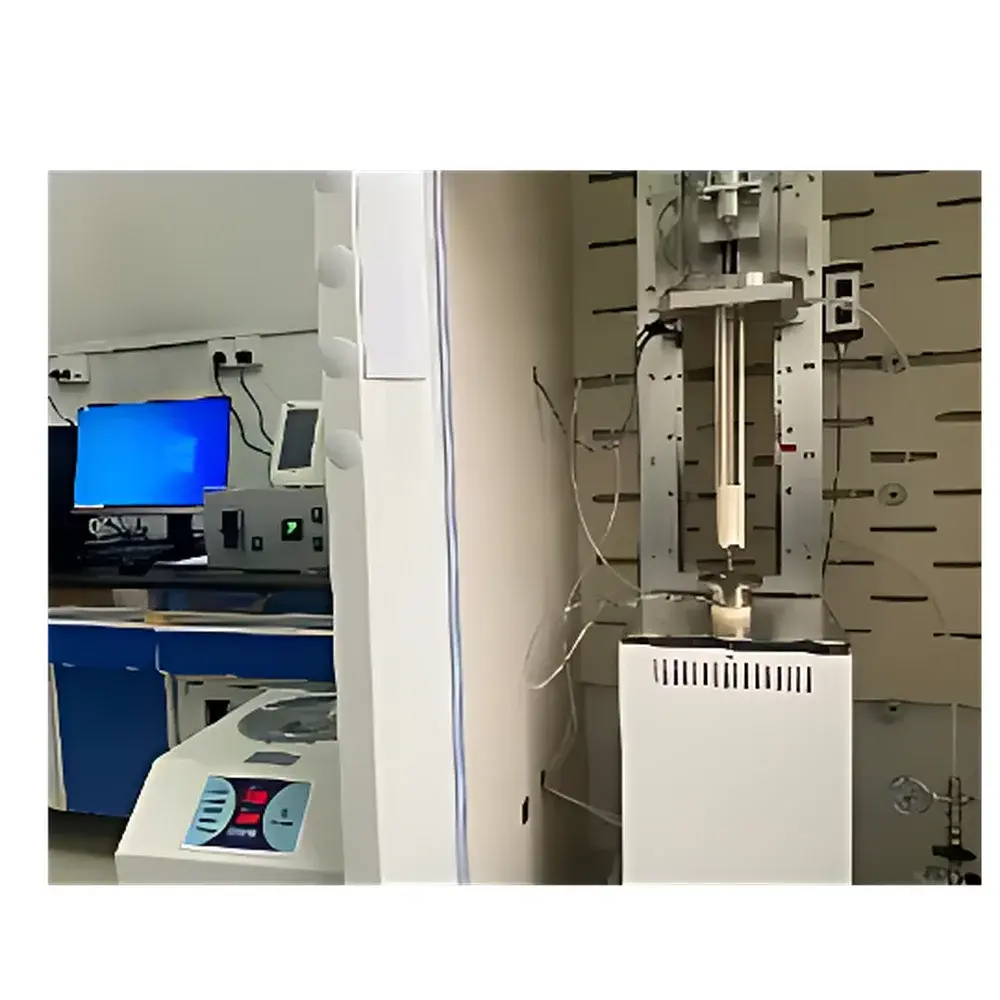
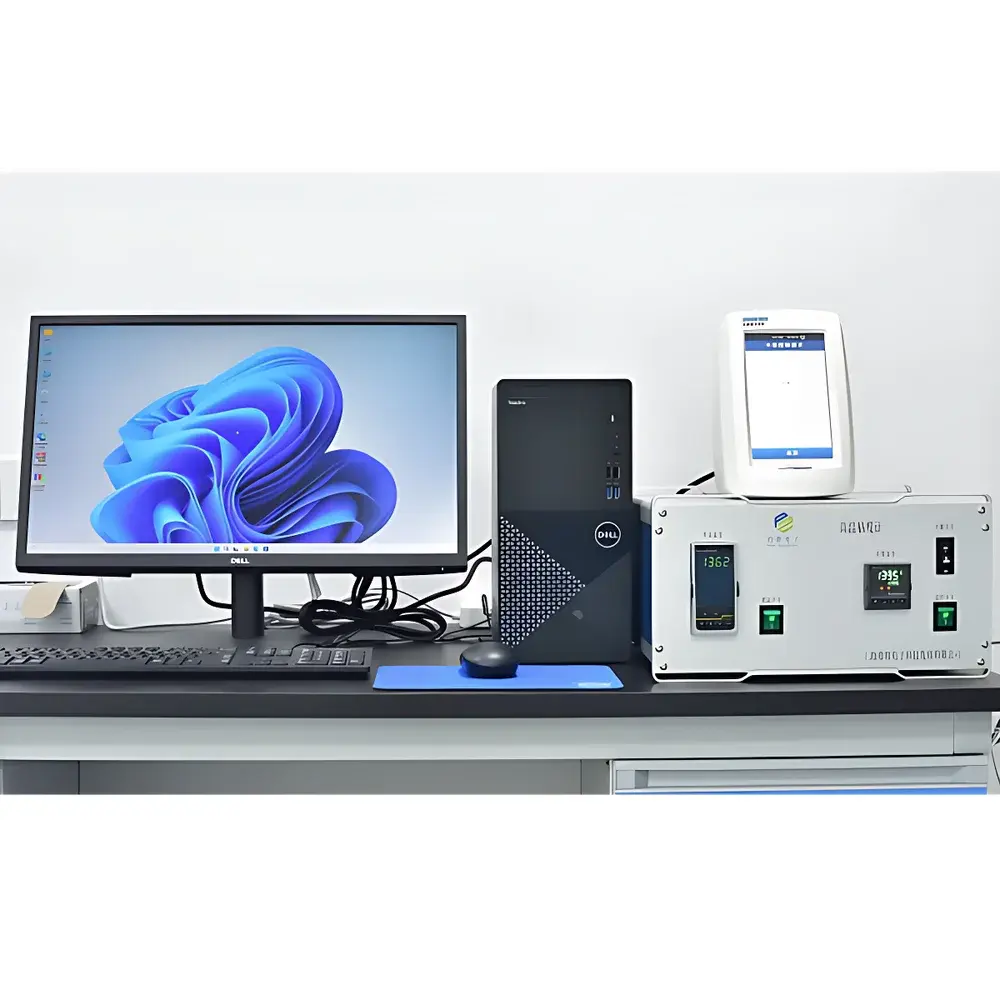
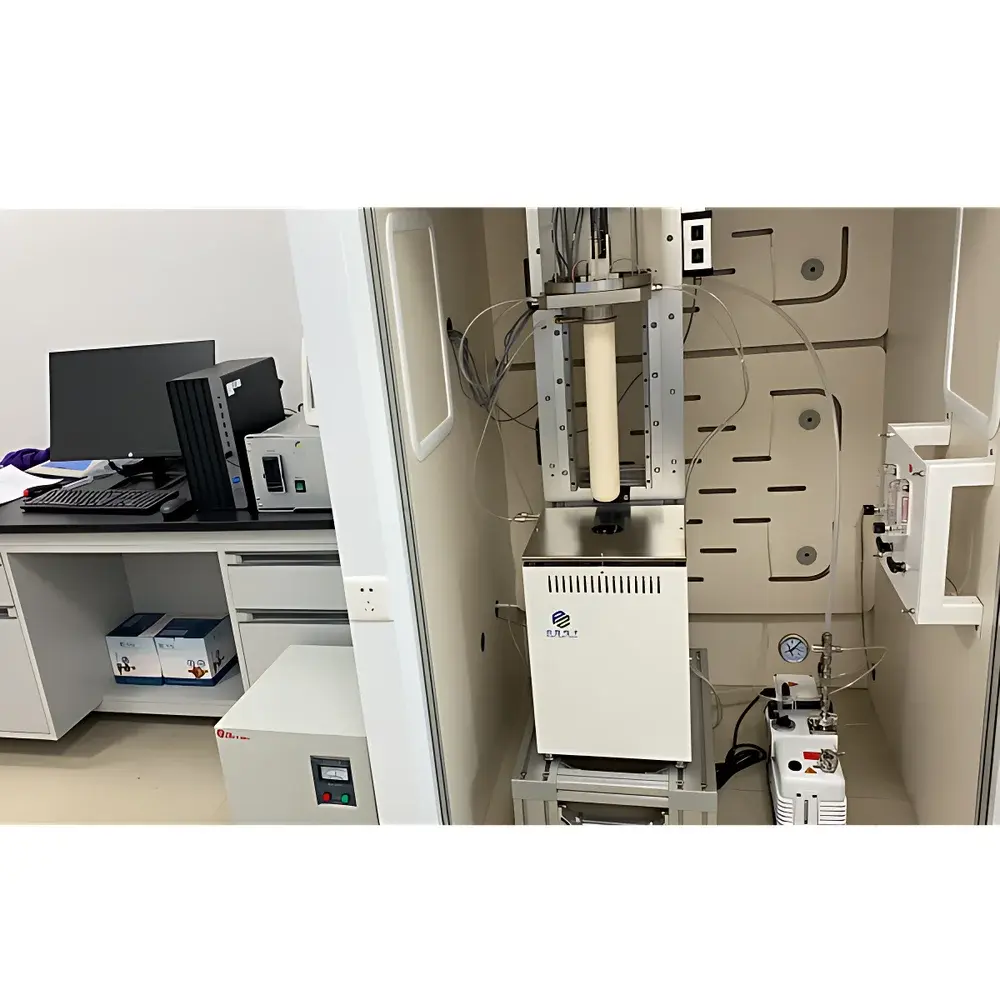
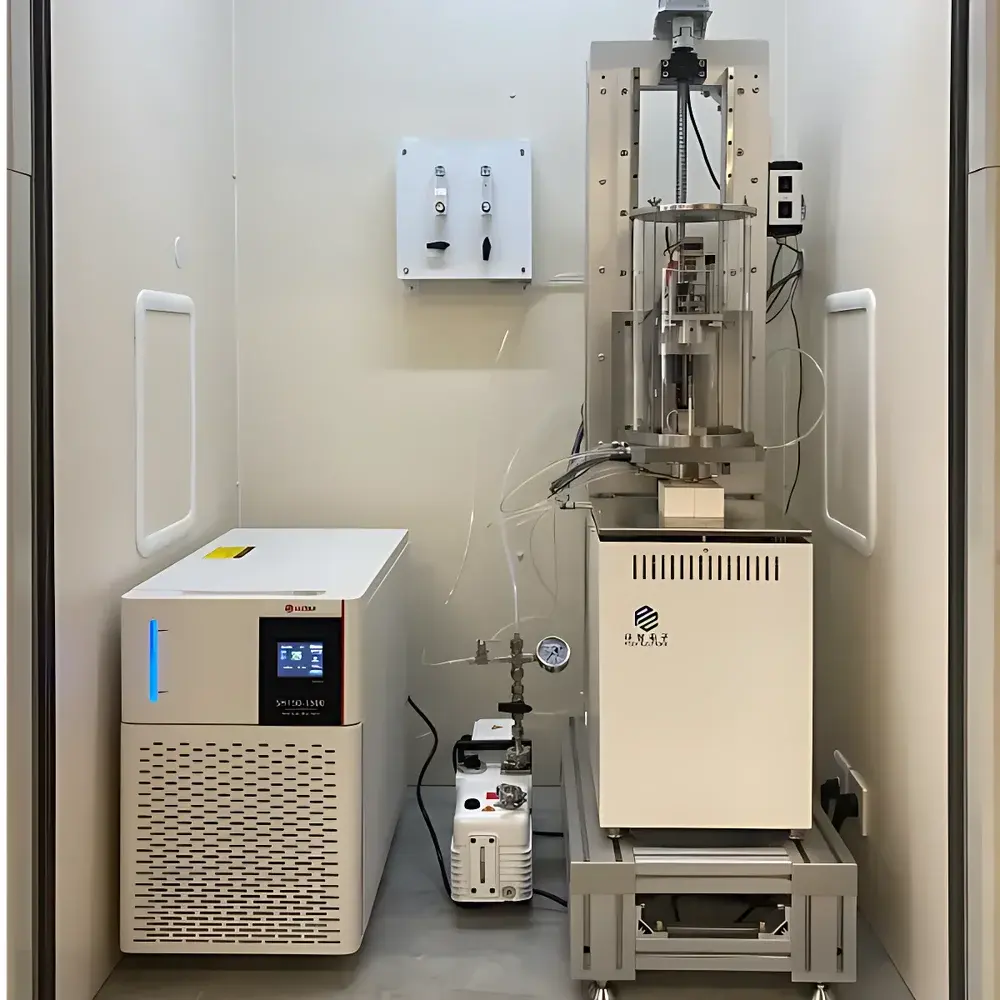
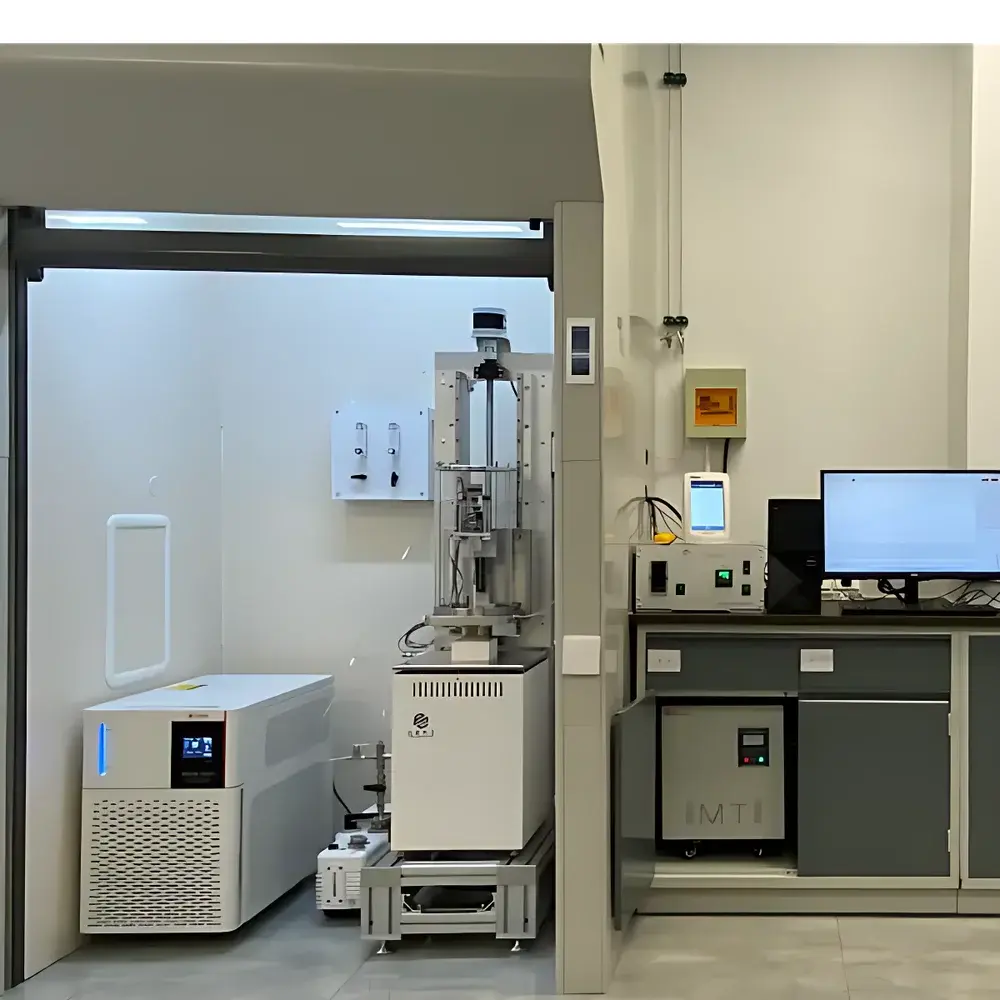
Pozhi RHEO1700 High-Temperature Coal Ash Viscometer
| Brand | Pozhi Electronic |
|---|---|
| Origin | Shanghai, China |
| Model | RHEO1700 |
| Instrument Type | Fixed-Installation High-Temperature Viscometer |
| Temperature Range | 0–1700 °C |
| Temperature Resolution | 0.1 °C |
| Temperature Accuracy | ±1 °C |
| Heating Rate | 0–50 °C/min |
| Viscosity Range | 0.01–40,000 Pa·s |
| Compliance | GB/T 31424–2015 |
| Atmosphere Options | Air, Inert (N₂/Ar), Reducing (CO/CO₂/H₂ mixtures), Vacuum |
| Rotational Speed Range | 0.01–250 rpm |
| Speed Steps | 2600 discrete settings |
| Measurement Principle | Rotational viscometry under controlled high-temperature atmosphere |
Overview
The Pozhi RHEO1700 High-Temperature Coal Ash Viscometer is an engineered solution for precise rheological characterization of coal ash melts under simulated gasifier operating conditions. It operates on the principle of rotational viscometry—measuring torque exerted on a rotating spindle immersed in molten ash at elevated temperatures—to determine dynamic viscosity as a function of temperature. This measurement is critical for predicting slag flow behavior, assessing liquid-phase drainage efficiency, and optimizing furnace design in entrained-flow and fixed-bed coal gasification systems. The instrument maintains strict thermal stability across its full 0–1700 °C range, enabling continuous viscosity profiling through the critical softening, hemispherical, and fluid temperature zones defined in GB/T 31424–2015. Its integrated high-temperature furnace, inert/reducing atmosphere control, and calibrated torque-sensing mechanism collectively ensure metrological traceability and inter-laboratory reproducibility required for process development and quality assurance in coal conversion research.
Key Features
- High-precision dual-zone furnace with programmable heating rates up to 50 °C/min and thermal uniformity better than ±2 °C over the 1500–1700 °C measurement zone
- Corrosion-resistant ceramic crucible assembly and MoSi₂ or Pt/Rh alloy spindles rated for continuous operation at ≥1600 °C in reducing atmospheres
- DVNext-based torque transduction system delivering <1% full-scale accuracy across the 0.01–40,000 Pa·s viscosity range
- Atmosphere control manifold supporting vacuum, synthetic air, high-purity N₂/Ar, and custom CO/CO₂/H₂ gas mixtures with mass flow controllers and O₂ monitoring
- Real-time temperature feedback loop with 0.1 °C resolution and ±1 °C absolute accuracy verified per ASTM E220 calibration protocol
- Modular spindle selection—including conical, cylindrical, and vane geometries—to accommodate varying ash composition, particle loading, and non-Newtonian behavior
Sample Compatibility & Compliance
The RHEO1700 is validated for use with pulverized coal ash, synthetic slags, and blended mineral formulations typical of bituminous, sub-bituminous, and lignite feedstocks. Sample masses range from 15–35 g depending on crucible configuration, with pre-fused or green-state loading options. All operational procedures adhere strictly to GB/T 31424–2015 “Method for Determination of Viscosity of Coal Ash,” including prescribed ramp profiles, dwell times, and shear rate protocols. Optional compliance documentation supports alignment with ISO/IEC 17025 laboratory accreditation requirements, and firmware logs meet basic audit-trail expectations for GLP environments. While not FDA 21 CFR Part 11–certified out-of-the-box, raw data export (CSV, ASCII) and timestamped parameter logging enable integration into validated LIMS or ELN platforms.
Software & Data Management
Control and analysis are executed via PozhiVisco v3.2 software, a Windows-based application providing synchronized thermal–rheological acquisition, real-time viscosity–temperature curve rendering, and automated phase-transition identification (softening, hemispherical, flow points). Data files include full metadata: ambient pressure, gas composition, ramp rate, spindle ID, torque calibration constants, and thermocouple drift compensation flags. Export formats include CSV (for Excel or Python post-processing), PDF reports with embedded calibration certificates, and XML for interoperability with enterprise QA databases. Batch processing tools allow comparative analysis across multiple ash samples, while user-defined pass/fail thresholds support automated screening against industry benchmarks (e.g., <25 Pa·s at 1400 °C for slag tapping feasibility).
Applications
- Coal gasification process optimization: correlating ash viscosity profiles with slag tapability and refractory wear rates
- Fuel blending studies: evaluating interactions between coal ash, fluxing agents (CaO, Fe₂O₃), and contaminant oxides (Na₂O, K₂O)
- Slagging and fouling prediction: mapping viscosity minima and inflection points relevant to heat exchanger deposition
- Alternative feedstock qualification: characterizing biomass–coal co-gasification ash behavior under reducing conditions
- Refractory compatibility testing: assessing chemical attack kinetics via time-resolved viscosity monitoring at constant temperature
- Thermodynamic model validation: generating experimental datasets for FactSage or Thermo-Calc slag module refinement
FAQ
What atmosphere configurations are supported during high-temperature viscosity measurement?
The system supports four standard modes: ambient air, high-purity inert gas (N₂ or Ar), vacuum (down to 10⁻² mbar), and reducing atmospheres using pre-mixed CO/CO₂/H₂ blends. Gas flow rates and composition are regulated via digital mass flow controllers with integrated O₂ sensors for redox potential verification.
Is the RHEO1700 compatible with international standards beyond GB/T 31424–2015?
Yes—the core measurement methodology aligns with ASTM D3615 (Standard Test Method for Viscosity of Slags) and ISO 7208 (Determination of Viscosity of Molten Slags), though formal certification requires site-specific validation per ISO/IEC 17025.
How is spindle calibration performed at elevated temperatures?
Spindle geometry and moment-of-inertia values are factory-characterized at room temperature using NIST-traceable dimensional metrology. High-temperature torque calibration is performed using certified reference oils and molten KCl–NaCl eutectic standards at 800 °C and 1200 °C, with linear interpolation applied across the operational range.
Can the system measure non-Newtonian behavior of coal ash melts?
Yes—by executing controlled shear rate sweeps (0.01–100 s⁻¹) at fixed temperatures, the RHEO1700 captures apparent viscosity vs. shear rate curves, enabling yield stress estimation and power-law index calculation where applicable.



