
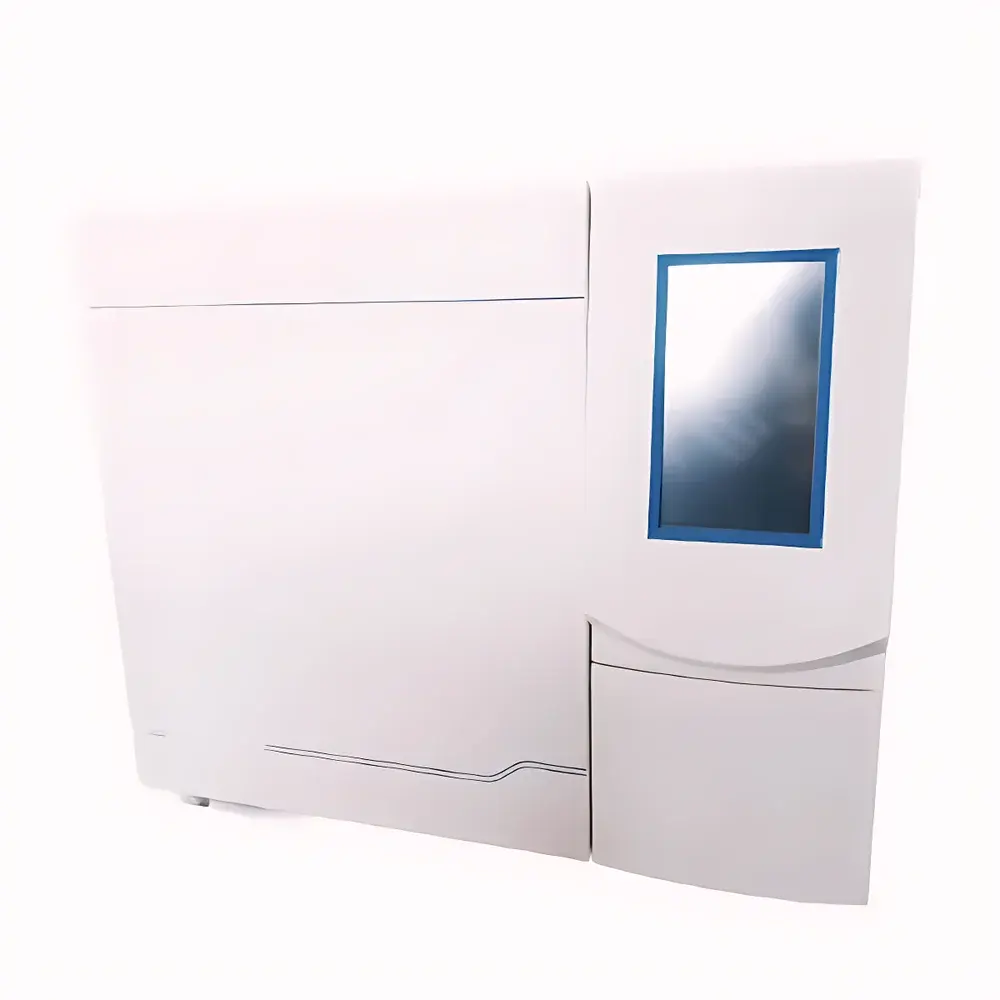
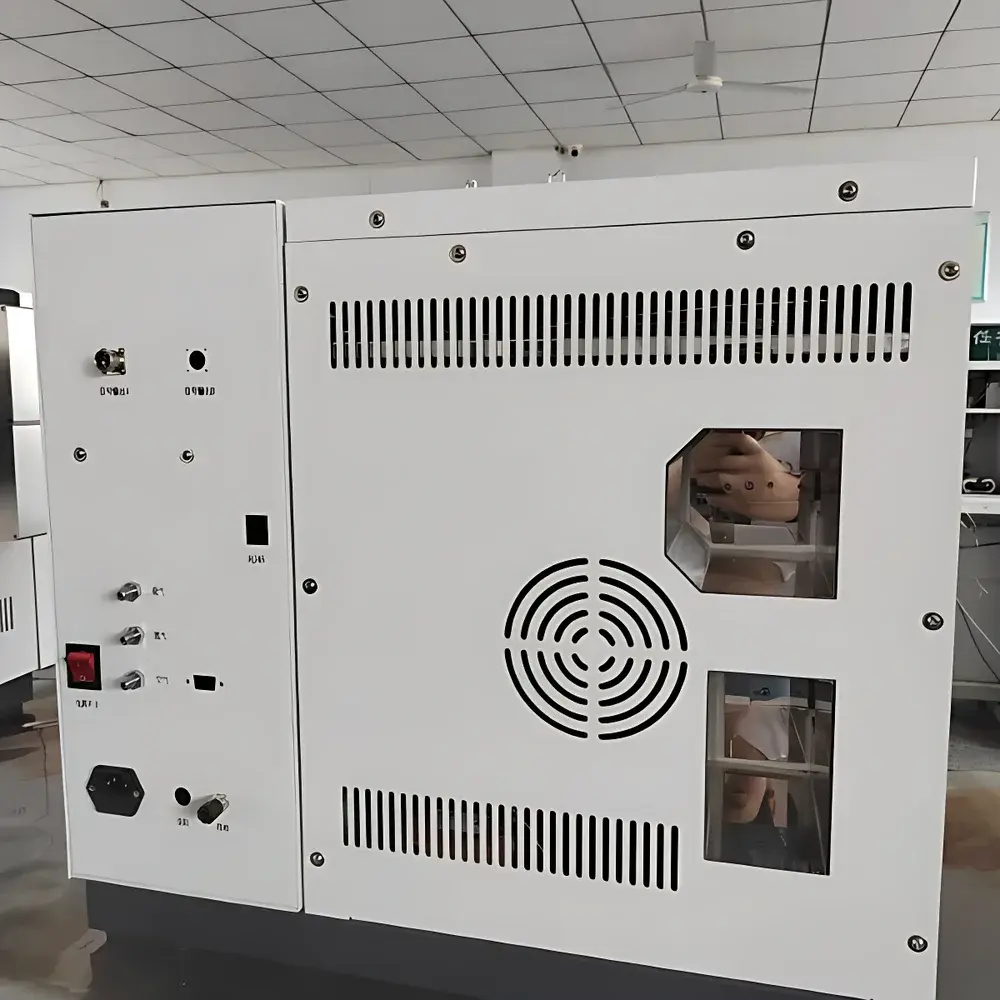
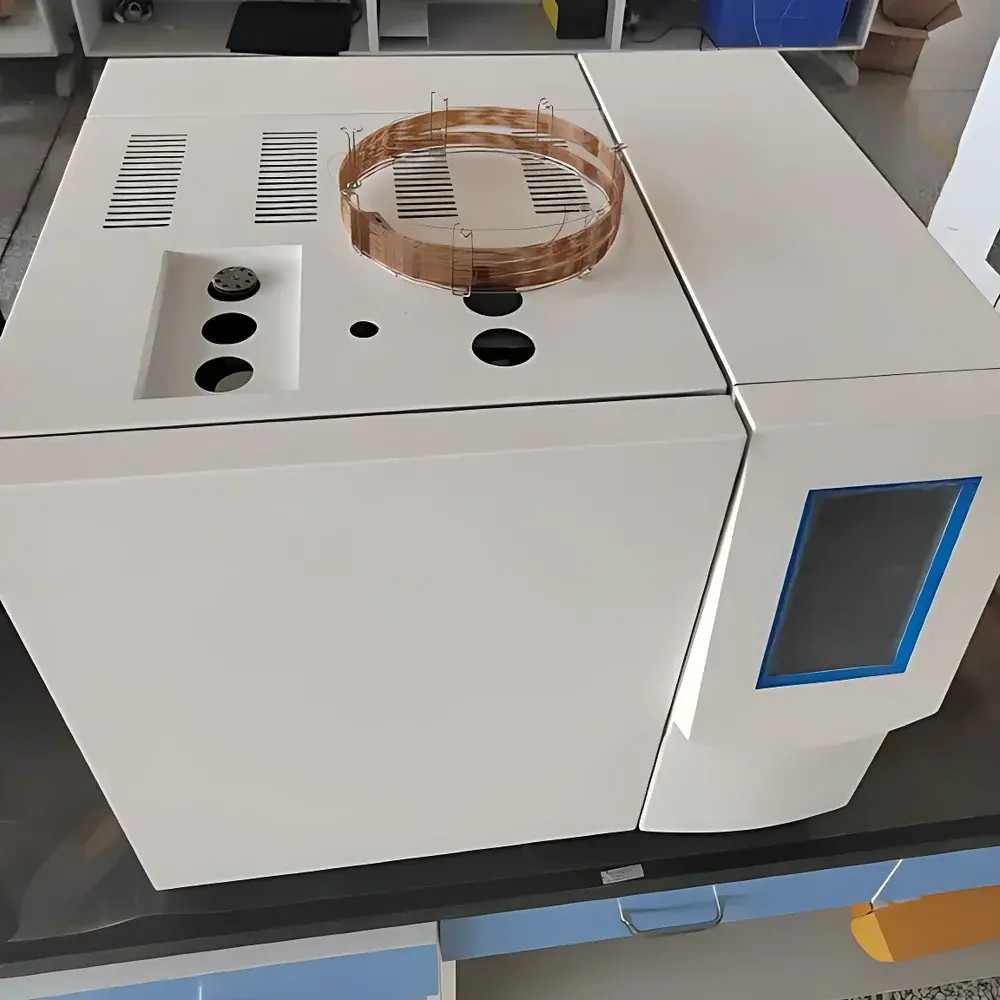
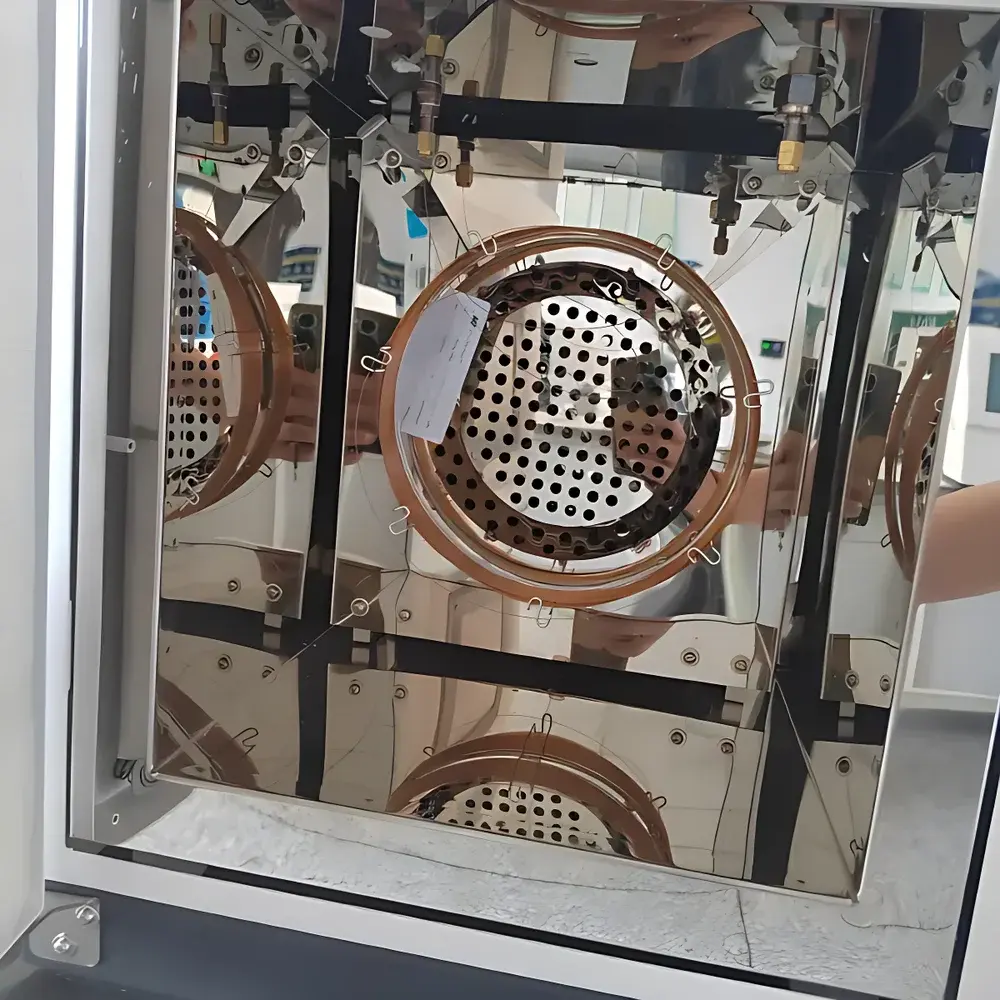
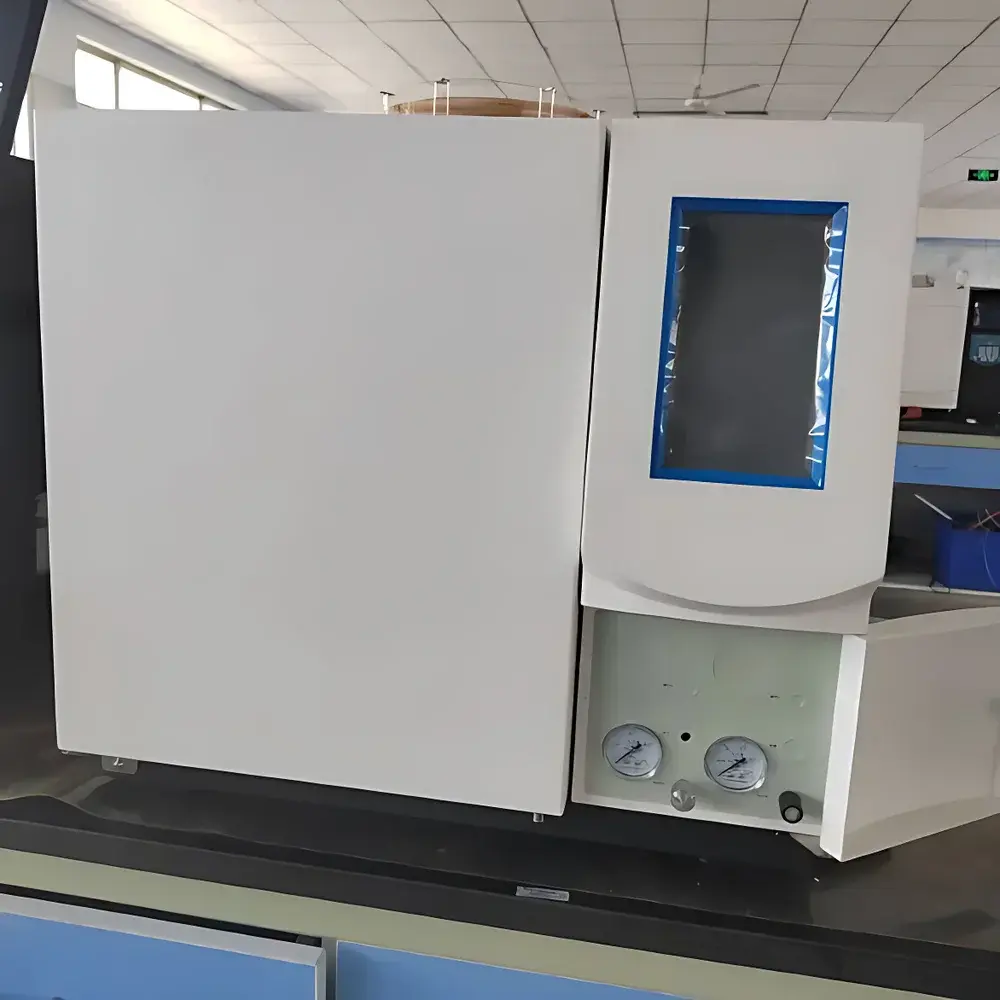
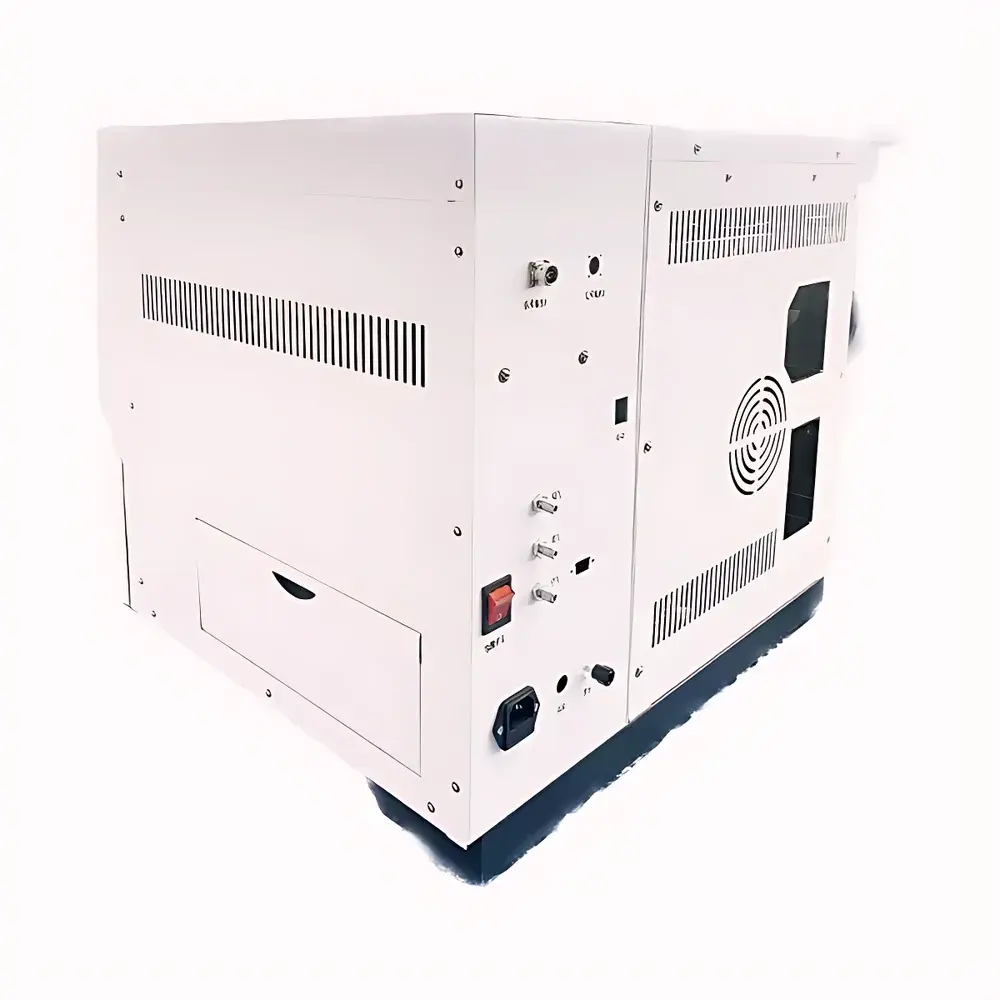
JP GC-7890 Laboratory Gas Chromatograph
| Brand | JP |
|---|---|
| Origin | Shandong, China |
| Model | GC-7890 |
| Instrument Type | Laboratory Gas Chromatograph |
| Application Field | Alcohol Analysis (Wine & Spirits Chromatography) |
| Oven Temperature Range | +5 °C to 450 °C |
| Ramp Rate | 0.1–40 °C/min |
| Injector Maximum Operating Temperature | Room Temperature +10 °C to 400 °C |
| Column Oven Temperature Stability | ±0.01 °C (≤180 °C) |
| Programmable Temperature Ramping | 8-step |
| Simultaneous Detector Configuration | up to 3 detectors (e.g., dual TCD, dual FID, or combined TCD/FID) |
| FID Sensitivity | ≤3×10⁻¹² g/s (benzene, CS₂) |
| FID Baseline Noise | ≤3×10⁻¹³ A |
| FID Drift | ≤5×10⁻¹³ A/30 min |
| Linearity | ≥10⁶ |
| Power Supply | AC 220 V ±10%, 50 Hz, 2200 W |
| Dimensions | 660 × 460 × 465 mm |
| Weight | 60 kg |
Overview
The JP GC-7890 is a high-performance laboratory gas chromatograph engineered for precision separation and quantitative analysis of volatile and semi-volatile organic compounds. Based on the fundamental principle of differential partitioning between a mobile phase (carrier gas, typically helium, hydrogen, or nitrogen) and a stationary phase (capillary or packed column), the GC-7890 delivers robust resolution across complex matrices—particularly in alcohol profiling, fermentation by-product screening, and quality control of distilled spirits and fermented beverages. Its modular thermal architecture supports both capillary and packed column configurations, enabling method flexibility without hardware reconfiguration. The instrument employs microprocessor-controlled temperature zones—including independently regulated injector ports, detector blocks, and a thermally insulated oven—with real-time PID feedback loops to ensure stability within ±0.01 °C at temperatures up to 180 °C and ±0.1 °C across the full 5–450 °C operating range.
Key Features
- Intelligent dual back-door system with adaptive airflow control (Patent ZL 2012 2 0286920.0), enabling rapid cooling from 450 °C to 50 °C in under 8 minutes while maintaining thermal uniformity.
- Six independently programmable temperature zones: column oven, two injectors (split/splitless or packed), and up to three detector modules (FID, TCD, ECD, or NPD).
- Eight-stage oven ramp programming with 0.1 °C resolution; linear heating rates adjustable from 0.1 to 40 °C/min.
- Integrated auto-ignition circuit for flame ionization detectors (Patent ZL 2012 2 0285854.5), eliminating manual pilot flame management and improving operational reproducibility.
- Comprehensive hardware diagnostics: real-time monitoring of Pt100 sensor integrity, heater continuity, gas flow anomalies, and open/short circuit detection in thermal elements.
- Optional built-in 24-bit analog-to-digital conversion module for direct digital signal output, compatible with third-party data systems via RS-232 or USB.
- Automatic sample introduction triggering synchronized with oven ramp initiation (Patent ZL 2012 2 0285852.6), minimizing retention time drift during sequence runs.
- Gas failure protection logic that cuts power to heaters upon carrier gas interruption (Patent ZL 2012 2 0285835.2), preventing column degradation and detector damage.
Sample Compatibility & Compliance
The GC-7890 accommodates standard 0.53 mm, 0.32 mm, and 0.25 mm ID fused-silica capillary columns as well as 1/4″ and 1/8″ stainless-steel packed columns. It supports headspace sampling (via optional HS-100 or equivalent), thermal desorption (with TD-100 interface), liquid autosampling (up to 150 positions), and gas loop injection (with 6- or 10-port Valco valves). For alcohol analysis workflows, the system complies with ASTM D7260 (Standard Practice for Gas Chromatographic Analysis of Alcoholic Beverages), AOAC 985.24 (Ethanol in Wine), and ISO 11767 (Alcohol Content Determination). All firmware and embedded control logic are designed to meet GLP documentation requirements, including audit-trail-capable event logging for temperature setpoints, run start/stop timestamps, and detector status changes.
Software & Data Management
The GC-7890 operates natively with JP ChromaSuite™ v3.x—a Windows-based acquisition and processing platform supporting dual-channel real-time chromatogram display, peak integration using tangent skim or valley-to-valley algorithms, calibration curve generation (linear, quadratic, or multi-point weighted), and report export in PDF, CSV, or XML formats. Remote instrument control—including method upload, parameter adjustment, and run queue management—is enabled via Ethernet or USB. ChromaSuite™ includes optional 21 CFR Part 11 compliance modules featuring electronic signatures, role-based user access levels, and immutable audit trails for all analytical actions. Raw data files (.jpd) are stored in vendor-neutral HDF5 format, ensuring long-term readability and interoperability with third-party chemometric tools such as MATLAB, Python (via PyChromatography), or OpenChrom.
Applications
The GC-7890 is routinely deployed in QC laboratories for ethanol quantification in wine, beer, and spirits per OIV and EU Regulation No. 607/2009; congeners profiling (methanol, isoamyl alcohol, acetaldehyde); residual solvent analysis in pharmaceutical excipients (ICH Q3C); pesticide residue screening in agricultural commodities; and hydrocarbon fingerprinting in petroleum distillates. Its dual-FID/TCD capability allows simultaneous detection of trace-level aromatics (ppb FID response) and permanent gases (CO, CO₂, O₂, N₂) in a single run—reducing turnaround time in environmental air monitoring and biogas composition studies. The extended low-temperature operation (down to –80 °C with dry ice or liquid nitrogen cooling) enables analysis of highly volatile compounds such as chloromethanes and vinyl chloride without cryo-focusing.
FAQ
Does the GC-7890 support regulatory-compliant data handling for pharmaceutical labs?
Yes—optional 21 CFR Part 11 modules provide electronic signature enforcement, audit trail generation, and secure user authentication.
Can the instrument operate with hydrogen as a carrier gas?
Yes, all thermal zones and detector electronics are rated for safe H₂ use; automatic leak-check routines are included in firmware.
Is method transfer possible from other GC platforms?
Column geometry, flow rate, and temperature program parameters are fully configurable; retention index alignment tools are embedded in ChromaSuite™.
What maintenance intervals are recommended for the FID jet and collector?
Cleaning every 200–300 injections is advised; quartz jet replacement is required every 12 months under continuous operation.
How is column bleed compensated during high-temperature analysis?
Baseline subtraction algorithms and dynamic reference channel normalization minimize drift during 400 °C isothermal holds.
Related Products






