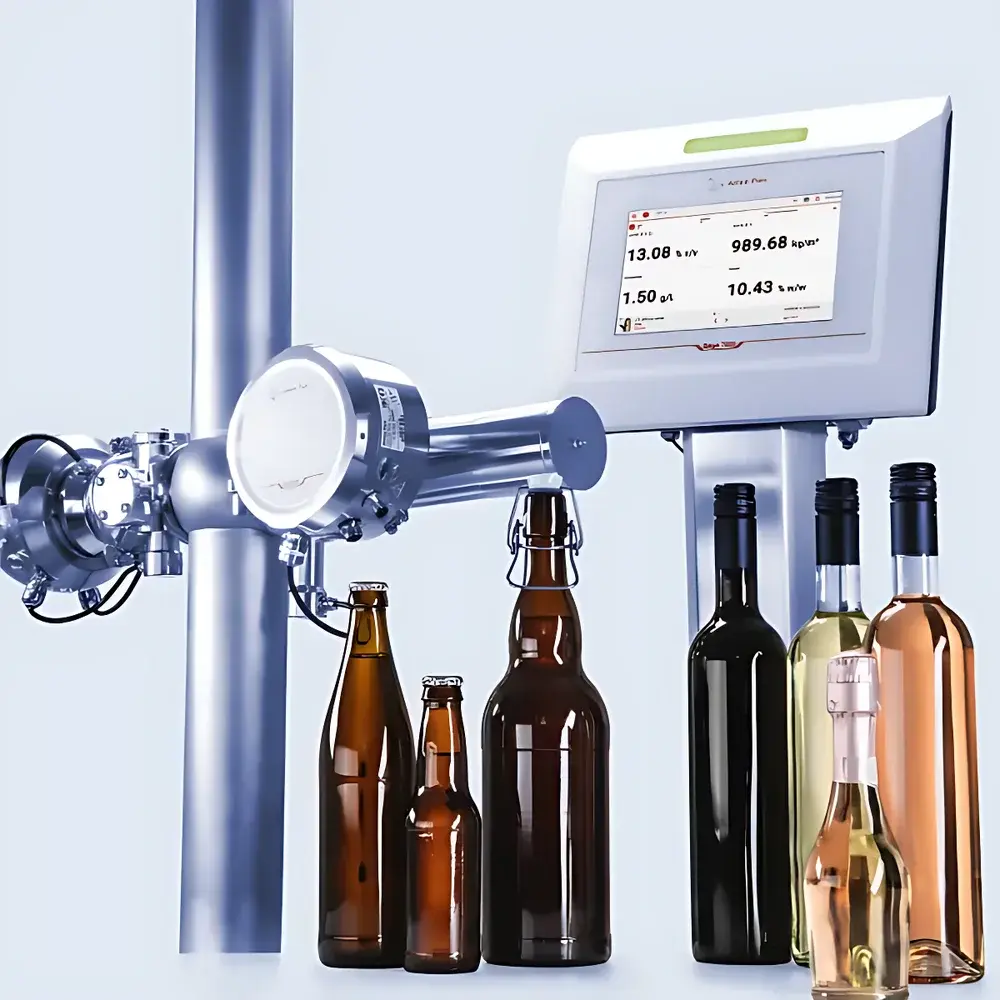
Anton Paar Wine Monitor Online Wine Analyzer
| Brand | Anton Paar |
|---|---|
| Origin | Austria |
| Manufacturer Type | Original Equipment Manufacturer (OEM) |
| Origin Category | Imported |
| Model | Wine Monitor |
| Pricing | Available Upon Request |
Overview
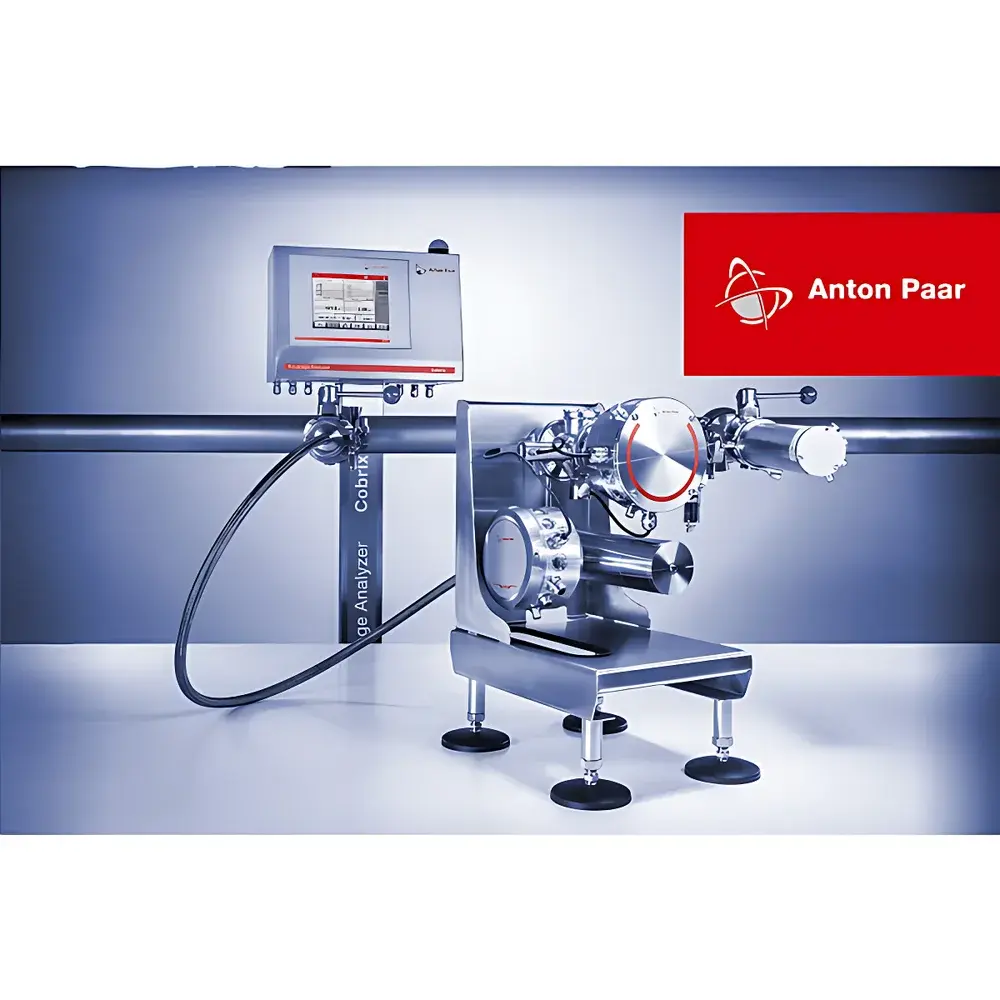
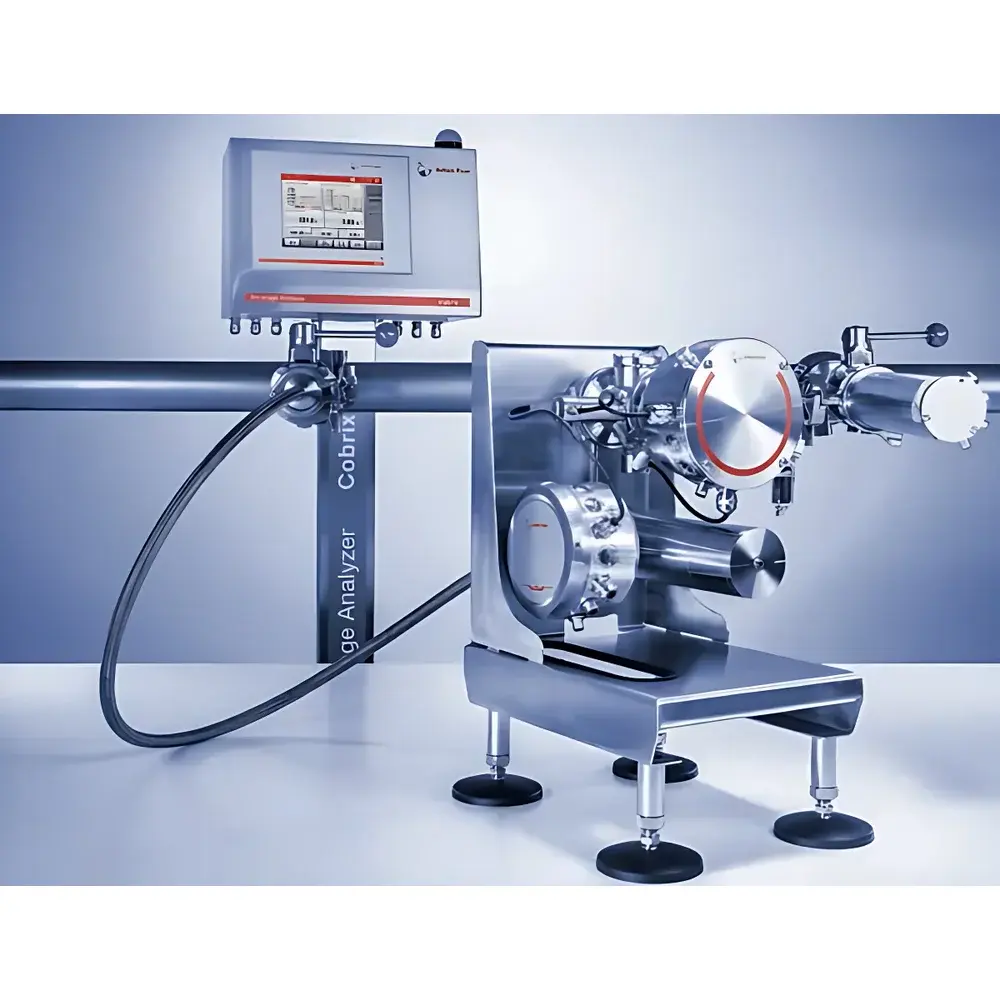
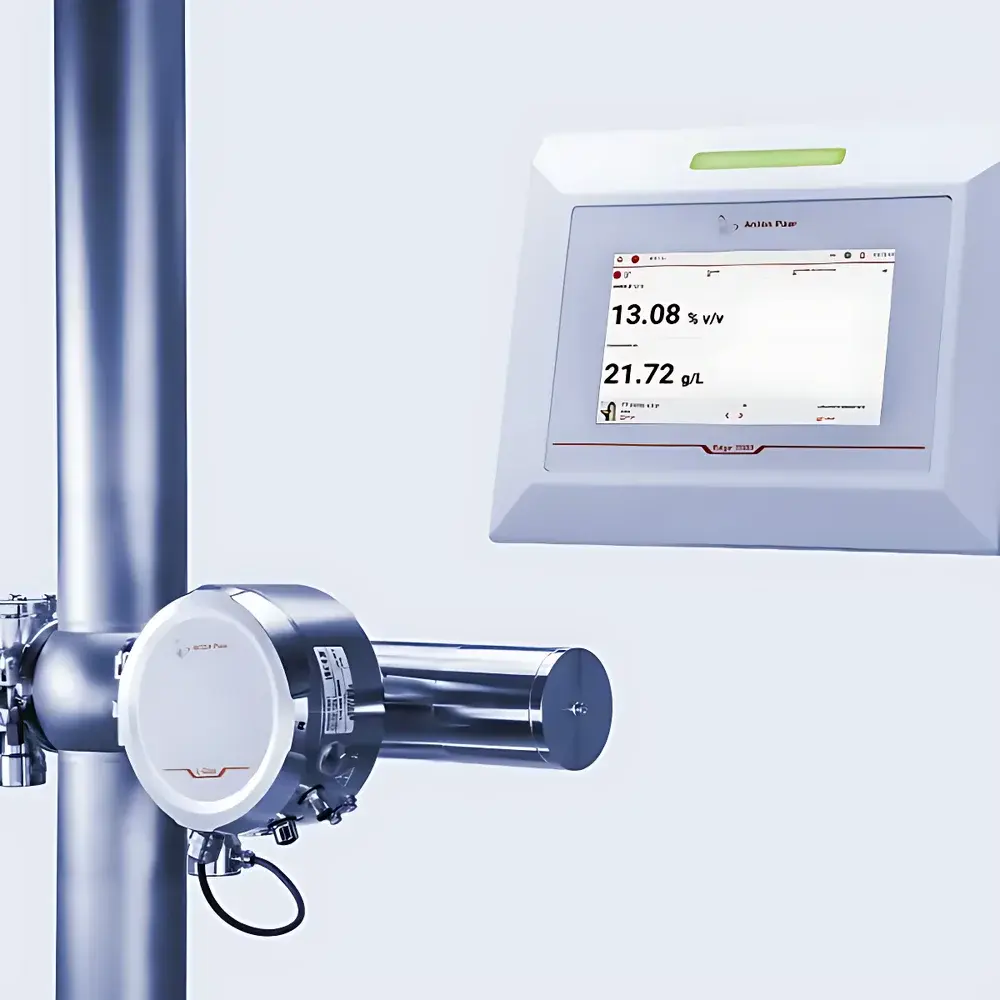
The Anton Paar Wine Monitor is a fully automated, in-line process analyzer engineered for real-time, non-invasive monitoring of key physicochemical parameters in still and sparkling wine production. Based on precision oscillating U-tube densitometry combined with integrated Peltier temperature control and proprietary algorithmic compensation for ethanol–water–CO₂–extract interactions, the instrument delivers traceable, high-reproducibility measurements directly in the production line—without sample diversion, dilution, or reagent consumption. Designed specifically for oenological applications, it continuously quantifies alcohol content (% v/v, % w/w), extract (°Brix equivalent, g/L, % w/w), density (kg/m³ at 20 °C), and dissolved CO₂ (vol/vol, g/L, kPa)—all aligned with internationally recognized oenology standards including OIV Resolution OENO 417A-2021, ISO 2173:2003 (fruit juice density), and EU Regulation (EU) No 1308/2013 governing wine labeling and taxation.
Key Features
- Multi-parameter simultaneous measurement: Alcohol, extract, density, and CO₂—all in a single flow-through cell with <15 s cycle time per reading.
- Patented dual-temperature-controlled oscillating U-tube sensor with ±0.00002 g/cm³ density resolution, enabling sub-0.04% w/w accuracy for alcohol and extract.
- Integrated CO₂ pressure transducer calibrated to 0–6 vol/vol (0–12 g/L) with ±0.025 vol/vol (±0.05 g/L) repeatability—validated against gravimetric reference methods per OIV Method CO2-01.
- Wide operational temperature range (0–25 °C) with active thermal stabilization, ensuring stable metrology across seasonal variations and fermentation-stage shifts.
- IP65-rated stainless-steel housing (316L wetted parts), sanitary tri-clamp (DIN 11851) process connection, and optional CIP/SIP compatibility for hygienic beverage manufacturing environments.
- No consumables, no calibration drift: Factory-calibrated with NIST-traceable standards; verification performed via certified reference wines (e.g., OIV CRM-Wine-01 series).
Sample Compatibility & Compliance
The Wine Monitor supports full-spectrum oenological matrices—including red, white, rosé, fortified, and low-alcohol wines; traditional method sparkling wines (Champagne, Cava, Crémant); tank-fermented sparklers (Prosecco, Sekt); and wine-based RTDs. It complies with EU Annex Ia requirements for mandatory parameter reporting on labels (alcohol, sugar, CO₂), fulfills tax classification criteria under Council Directive 92/83/EEC (excise duty on sparkling wines), and meets GLP-aligned data integrity requirements when paired with optional audit-trail-enabled software. All measurement protocols are documented per ISO/IEC 17025:2017 clause 7.8 (uncertainty estimation) and support 21 CFR Part 11-compliant electronic records when deployed with Anton Paar’s LabSoft™ Suite.
Software & Data Management
Controlled via Anton Paar’s web-native LabSoft™ Process Edition, the Wine Monitor provides OPC UA and Modbus TCP interfaces for seamless integration into DCS/SCADA systems (e.g., Siemens PCS7, Rockwell FactoryTalk). Real-time data streams include timestamped raw sensor outputs, compensated parameter values, measurement uncertainty estimates, and diagnostic flags (e.g., air bubble detection, temperature deviation alerts). Historical datasets are stored in encrypted SQLite databases with configurable retention policies; trend visualization, statistical process control (SPC) charts (X-bar/R), and automated deviation reporting (e.g., out-of-spec alcohol drift >±0.1% v/v over 3 consecutive readings) are natively supported. All user actions—including method changes, calibration verifications, and report exports—are logged with immutable timestamps and operator IDs for regulatory traceability.
Applications
- Real-time blending control: Dynamic adjustment of base wine ratios to meet target alcohol/extract specifications pre-bottling.
- Sparkling wine dosage verification: Accurate CO₂ + alcohol + sugar correlation for precise liqueur d’expédition calculation.
- Fermentation monitoring: Tracking density decline and alcohol accumulation during primary/secondary fermentation without manual sampling.
- Fill-line quality gate: Inline verification of final product compliance prior to corking/capping—reducing reject rates and recall risk.
- Taxation & labeling compliance: Automated generation of excise duty reports (e.g., CO₂ pressure at 20 °C for sparkling wine classification) and label-ready parameter files compliant with EU Commission Implementing Regulation (EU) 2019/934.
FAQ
Does the Wine Monitor require periodic recalibration?
No. The instrument uses factory-applied, NIST-traceable density and CO₂ reference curves. Routine verification—performed quarterly using certified reference wines—is sufficient to maintain metrological validity.
Can it measure oxygen content or color in-line?
Yes—optional add-on modules include a galvanic DO sensor (0–20 ppb resolution) and a fiber-optic spectrophotometric unit (380–780 nm, CIELAB color space), both synchronized with core parameter acquisition.
Is it compatible with existing PLC infrastructure?
Yes. Native Modbus TCP and OPC UA servers are embedded; configuration requires only standard Ethernet connectivity and register mapping documentation provided in the Process Integration Manual.
What maintenance is required?
Annual inspection of the flow cell sealing surfaces and Peltier module performance verification—typically completed by Anton Paar Field Service Engineers during scheduled preventive maintenance visits.
How does it handle suspended solids or yeast lees?
The flow cell incorporates a self-cleaning hydrodynamic design with minimum 1.2 mm internal diameter and laminar flow optimization; particulates <50 µm do not affect measurement stability. For high-lees musts, optional inline filtration (5 µm sintered stainless steel) is available.