
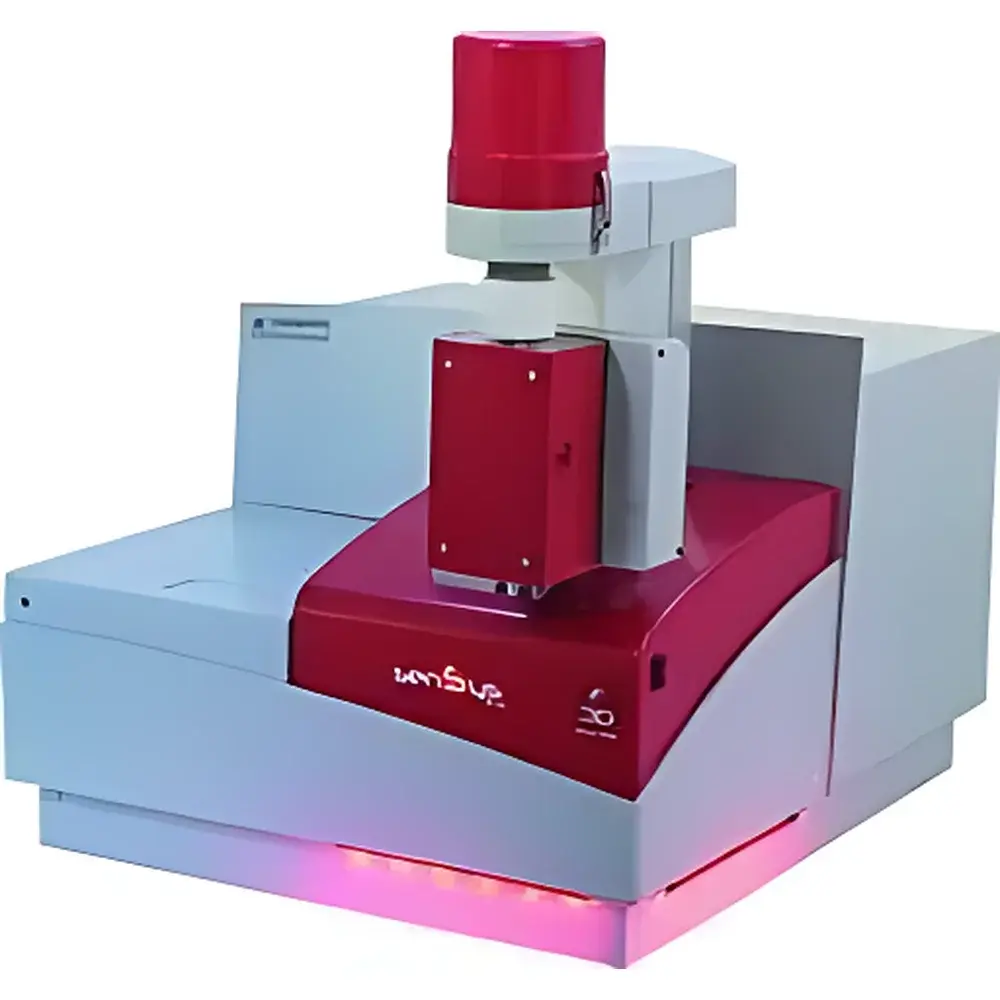
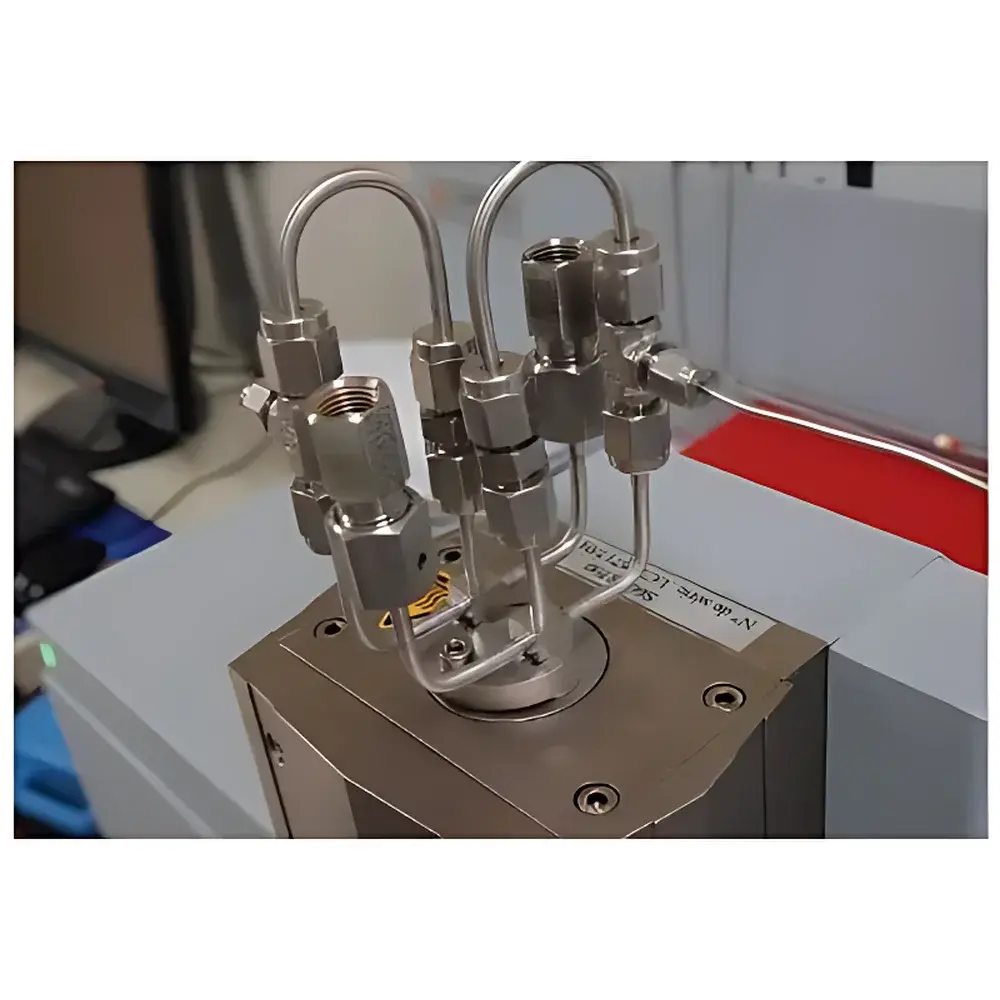
Setaram Sensys Evo TG-DSC High-Pressure Simultaneous Thermal Analyzer
| Brand | Setaram |
|---|---|
| Origin | France |
| Model | Sensys Evo TG-DSC |
| Temperature Range | –120 to 830 °C |
| Heating/Cooling Rate | 0.01–30 °C/min |
| Temperature Stability | ±0.02 °C |
| Max Sample Mass | 3 g |
| Pressure Range (HP-DSC) | up to 500 bar (controlled up to 400 bar) |
| Atmosphere Compatibility | inert, oxidizing, reducing, corrosive (e.g., H₂S, NH₃), humidified, vacuum, steam |
| Balance Resolution | 0.002 µg |
| DSC Sensitivity | < 0.035 µW |
| TG Baseline Drift | < 10 µg (full-scale scan) |
| TG Baseline Repeatability | ±1 µg |
| Gas Control | integrated mass flow controllers, 3 carrier + 1 reactive gas channels |
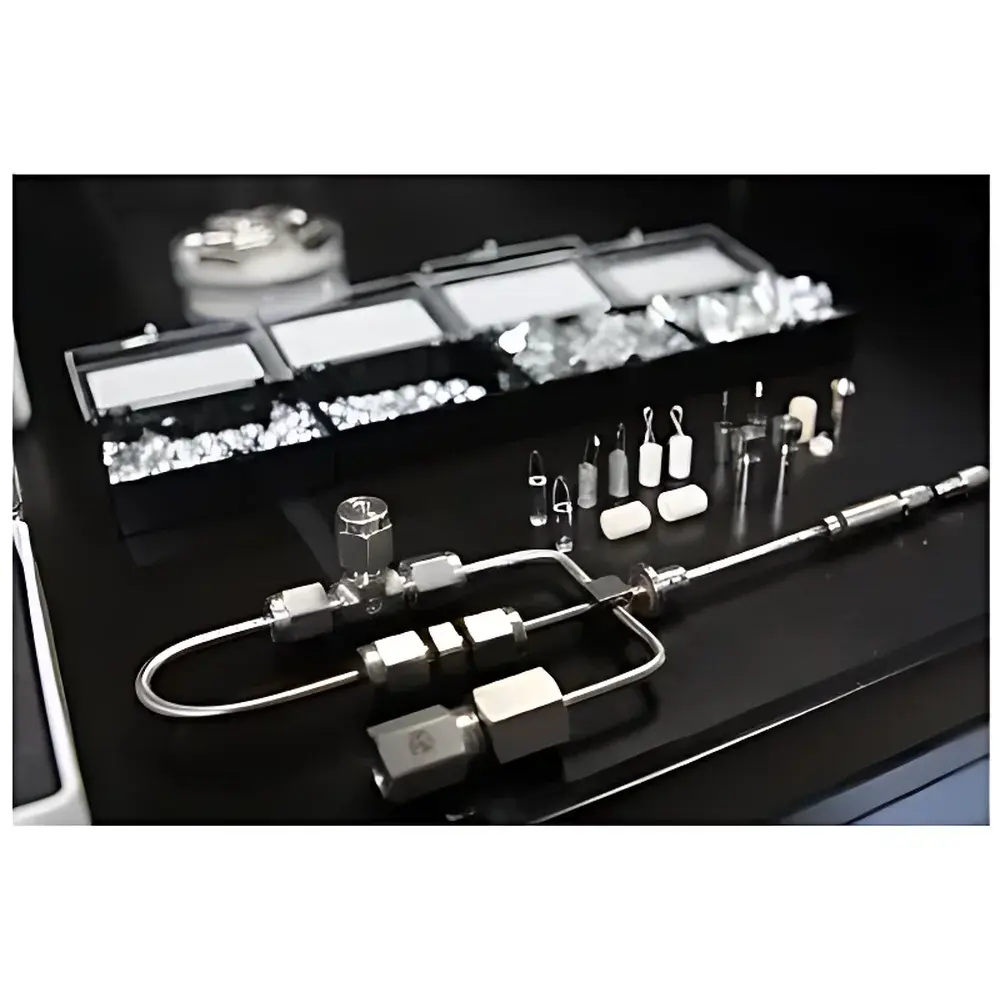
| Sample Holder Options | TG-DSC and TG-DTA dual-mode crucibles |
| Optional Features | ASC auto-sampler (48 positions), humidity control module, FT-IR/MS/GC coupling interfaces |
Overview
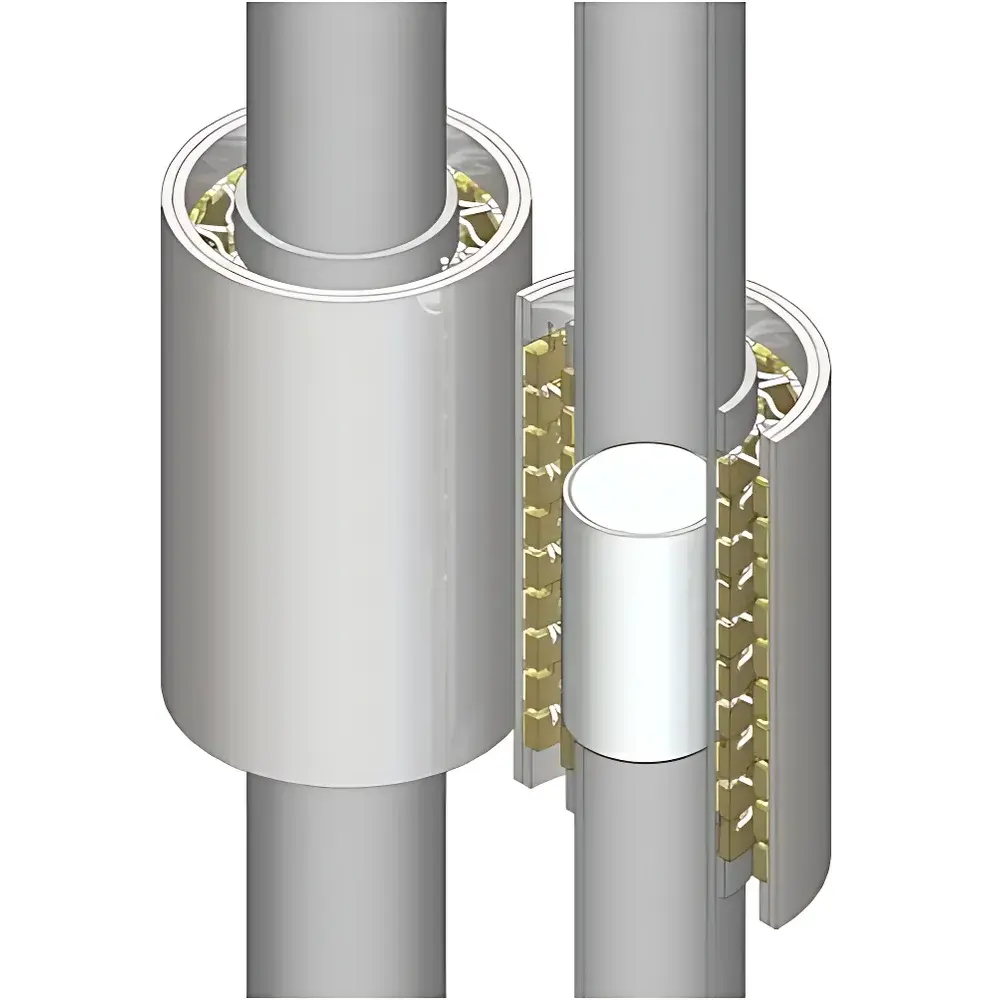
The Setaram Sensys Evo TG-DSC is a high-performance, high-pressure simultaneous thermal analyzer engineered for precision measurement of thermal transitions and mass changes under rigorously controlled thermochemical environments. It integrates thermogravimetric analysis (TG) and differential scanning calorimetry (DSC) in a single, fully synchronized measurement—enabling concurrent quantification of mass loss/gain and heat flow with sub-microgram and sub-microwatt resolution. Its core innovation lies in the proprietary 3D Calvet-type microcalorimetric sensor, originally conceptualized by French physicist Émile Calvet, which captures over 95% of total heat evolved or absorbed during a reaction. This architecture delivers exceptional signal-to-noise ratio, long-term baseline stability, and minimal thermal lag—critical for kinetic modeling, safety screening, and catalytic reaction studies. Unlike conventional furnace-pressurized DSC systems, the Sensys Evo employs internal sample chamber pressurization, eliminating mechanical stress on the sensor and suppressing pressure-induced baseline drift—a known limitation in legacy high-pressure DSC platforms.
Key Features
- 3D Calvet sensor geometry ensuring ultra-high thermal sensitivity and intrinsic signal stability across wide temperature and pressure ranges
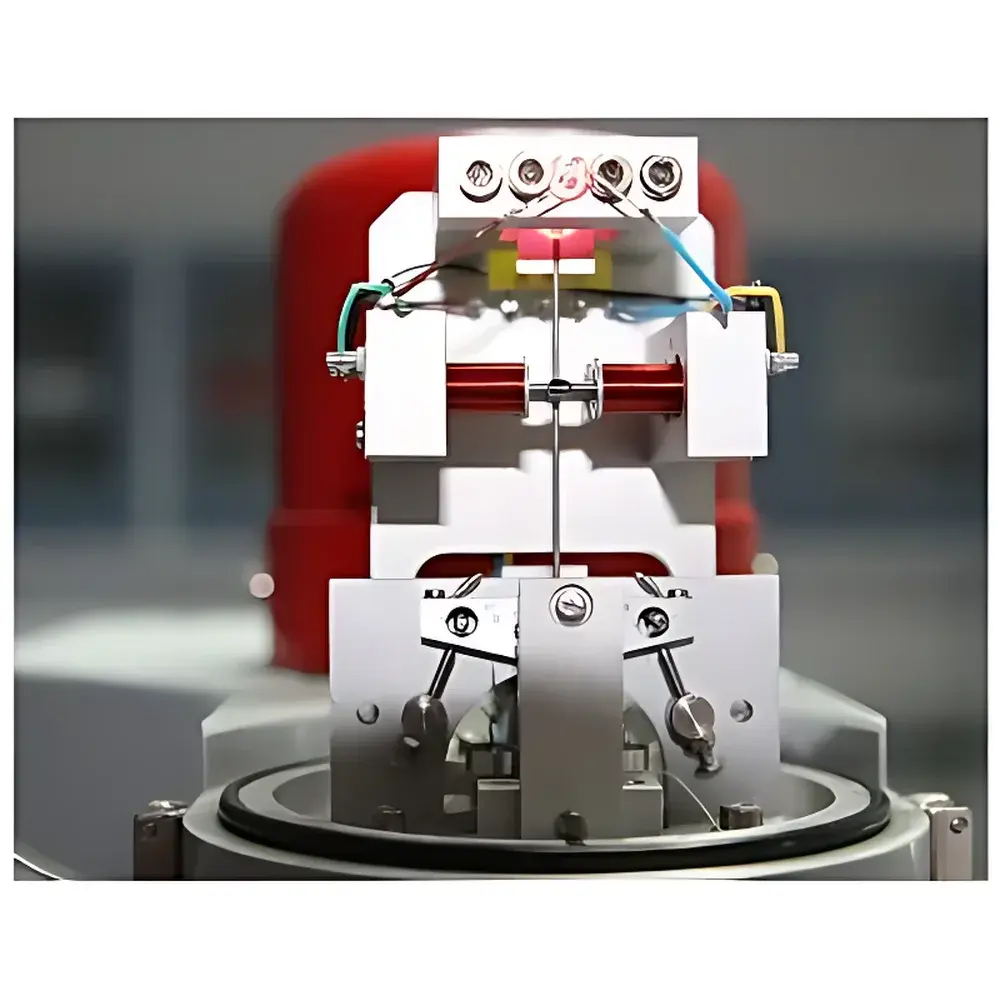
- True symmetrical top-loading microbalance with zero buoyancy interference—immune to convection artifacts and furnace thermal gradients
- Integrated high-pressure DSC capability: direct sample cell pressurization up to 500 bar (400 bar actively controlled), compatible with Inconel® alloy crucibles rated to 600 °C
- Multi-atmosphere flexibility: programmable gas mixing (dual reactive gases, 1:99 to 99:1 ratios), corrosion-resistant flow paths for H₂S, NH₃, and steam, plus full vacuum and dynamic purge modes
- Modular coupling architecture supporting real-time hyphenation with FT-IR, quadrupole mass spectrometry (QMS), gas chromatography (GC), BET surface area analyzers, and X-ray absorption modules
- Joule calibration protocol—eliminates dependency on reference materials and ensures result reproducibility independent of sample morphology, packing density, or ambient conditions
- Calisto software platform compliant with FDA 21 CFR Part 11 requirements, including electronic signatures, audit trails, and user-access-level permissions
Sample Compatibility & Compliance
The Sensys Evo accommodates diverse sample forms—including powders, films, gels, catalysts, pharmaceutical intermediates, energetic materials, and battery electrode composites—within its 3 g capacity and 320 µL DSC sample volume. Its chemically resistant gas handling system permits operation under aggressive atmospheres (e.g., anhydrous HCl, wet CO₂, sulfidizing mixtures), meeting ASTM E1131, ISO 11357, and USP <1231> thermal analysis guidelines. The instrument’s design supports GLP and GMP workflows: all calibrations are traceable to NIST standards, raw data files are immutable and timestamped, and hardware interlocks prevent unauthorized parameter overrides. Pressure transducers and temperature sensors undergo annual metrological verification per ISO/IEC 17025-accredited protocols.
Software & Data Management
Calisto v6.x provides unified control of thermal programing, gas sequencing, pressure ramping, and detector synchronization. It features embedded kinetic analysis tools (e.g., Ozawa-Flynn-Wall, Kissinger-Akahira-Sunose), multi-step deconvolution algorithms for overlapping transitions, and automated baseline correction using polynomial fitting and derivative-based segmentation. All experimental metadata—including MFC setpoints, pressure logs, and balance diagnostics—are embedded in each .CAL file. Data export complies with ASTM E1447 and ASTM E1679 formats, enabling seamless import into MATLAB, OriginLab, or Thermo-Calc for advanced thermodynamic modeling. Network deployment supports centralized instrument monitoring and remote troubleshooting via TLS-encrypted web interface.
Applications
- Decomposition kinetics and thermal stability assessment of propellants, explosives, and lithium-ion battery cathode materials under elevated pressure
- In situ hydration/dehydration behavior of metal–organic frameworks (MOFs) and zeolites under controlled RH and partial water vapor pressure
- Catalyst deactivation profiling during exothermic hydroprocessing reactions under simulated industrial H₂/HC partial pressures
- Polymorph transition mapping of active pharmaceutical ingredients (APIs) in sealed high-pressure DSC cells
- Adsorption enthalpy determination for CO₂ capture sorbents using isothermal pressure-jump DSC
- Safety evaluation of reactive chemical mixtures via adiabatic calorimetry mode coupled with TG-DSC pressure ramping
FAQ
What distinguishes the Sensys Evo’s high-pressure DSC from conventional furnace-pressurized systems?
Unlike furnace-pressurized designs that transmit pressure directly to the sensor assembly—causing mechanical drift and thermal offset—the Sensys Evo pressurizes only the sample chamber, isolating the 3D Calvet sensor from pressure-induced stress.
Can the system perform isothermal pressure holds while monitoring heat flow and mass change simultaneously?
Yes. Calisto enables independent programming of temperature, pressure, and gas composition, allowing true isobaric-isothermal experiments with synchronized TG/DSC acquisition.
Is the auto-sampler compatible with high-pressure operation?
The ASC-48 is designed for ambient-pressure loading only; high-pressure experiments require manual sample insertion using the dedicated HP loading station.
Does the system support compliance with regulatory documentation requirements for pharmaceutical development?
Yes. Calisto includes full 21 CFR Part 11 functionality, raw data integrity assurance, and IQ/OQ documentation templates aligned with ICH Q5C and Q8(R2) guidance.
How is baseline stability maintained during rapid heating under corrosive gas atmospheres?
Through active dual-compensation algorithms that correct for buoyancy, convection, and gas density shifts—validated against NIST SRM 720 (indium) and SRM 781 (alumina) across all operational conditions.



