
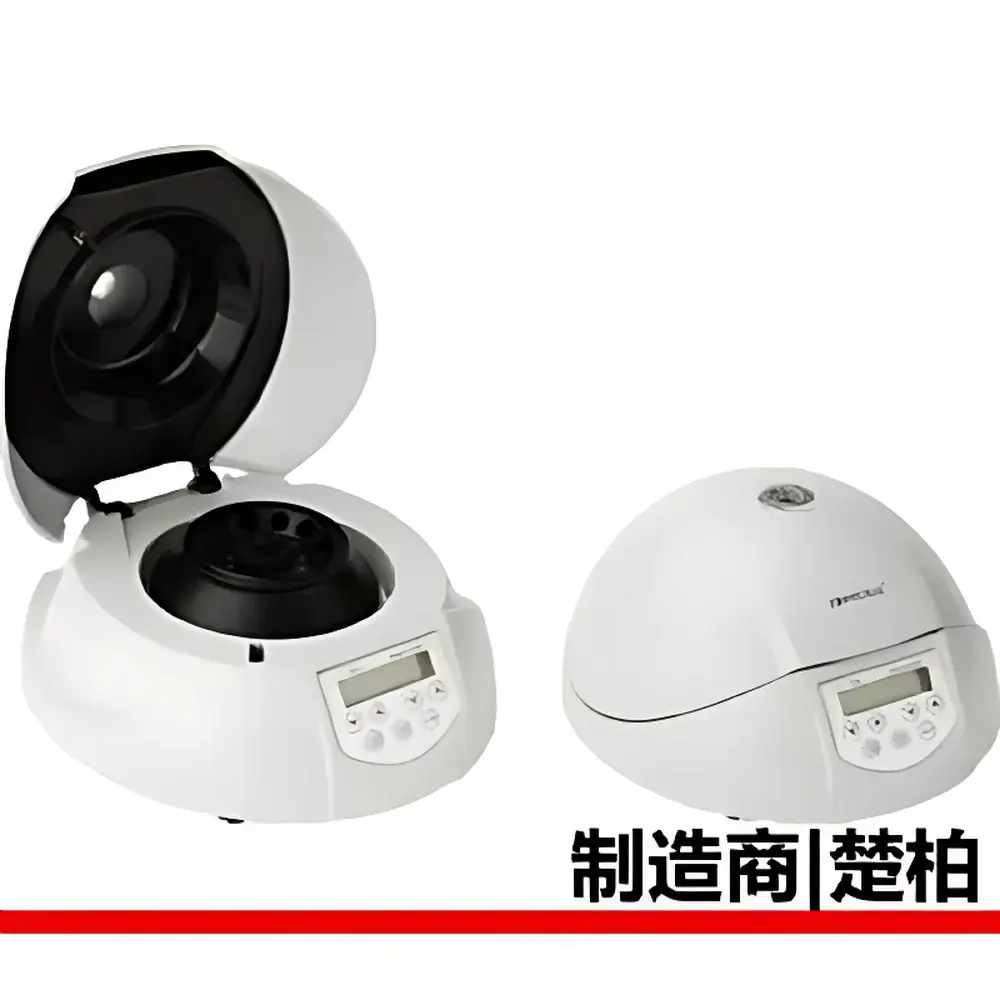
Truelab M-Spin Benchtop High-Speed Microcentrifuge
| Brand | Truelab |
|---|---|
| Origin | Shanghai, China |
| Model | M-Spin |
| Instrument Type | Microcentrifuge |
| Speed Range | 800–14,500 rpm (100 rpm increments) |
| Max RCF | 12,100 × g |
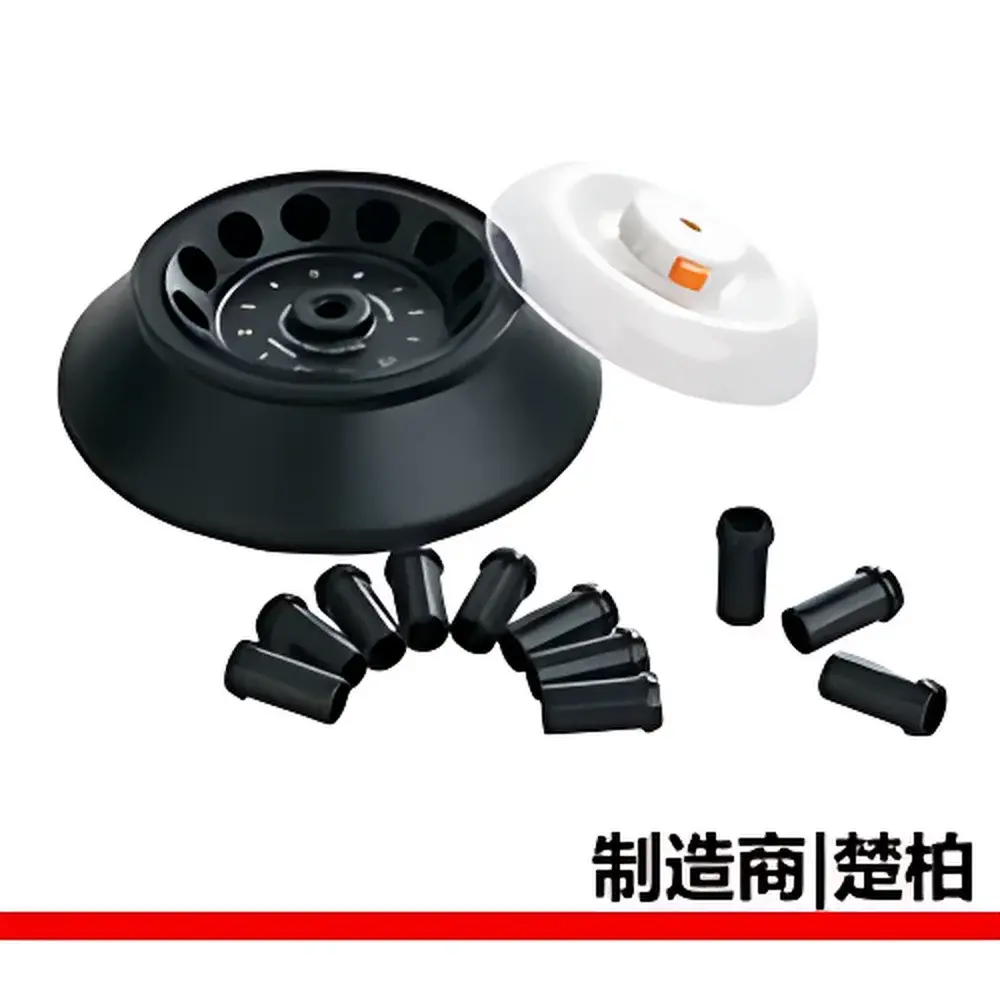
| Capacity | 12 × 1.5/2.0 mL tubes |
| Acceleration Time | 13 s |
| Deceleration Time | 12 s |
| Timer Range | 15 sec – 99 min |
| Power Supply | 120 V / 60 Hz or 230 V / 50 Hz |
| Power Consumption | 70 W |
| Dimensions (L×W×H) | 22.5 × 24 × 12 cm |
| Weight (with rotor) | 4.3 kg |
| Safety Certification | IEC 61010-2-020 |
| Rotor Material | Anodized aluminum alloy, autoclavable at 121 °C for 20 min |
| Noise Level | <55 dB(A) |
| Display | Digital LED |
Overview
The Truelab M-Spin Benchtop High-Speed Microcentrifuge is a compact, precision-engineered microcentrifuge designed for routine and high-throughput laboratory separation tasks requiring reliable performance in minimal bench space. Operating on the principle of centrifugal force generation via high-speed rotor rotation, the M-Spin achieves rapid sedimentation of biological particles—including bacterial cells, subcellular organelles, nucleic acids, and precipitated proteins—by applying controlled radial acceleration up to 12,100 × g. Its optimized aerodynamic chamber design ensures efficient heat dissipation during prolonged runs, minimizing thermal stress on temperature-sensitive samples such as RNA, enzymes, or viral vectors. Engineered for daily use in QC labs, academic research facilities, and clinical diagnostics environments, the M-Spin complies with IEC 61010-2-020 safety standards for laboratory electrical equipment, incorporating dual mechanical and electronic lid interlocks, imbalance detection, and automatic rotor recognition logic.
Key Features
- Compact footprint (22.5 × 24 × 12 cm) ideal for crowded biosafety cabinets or shared lab benches
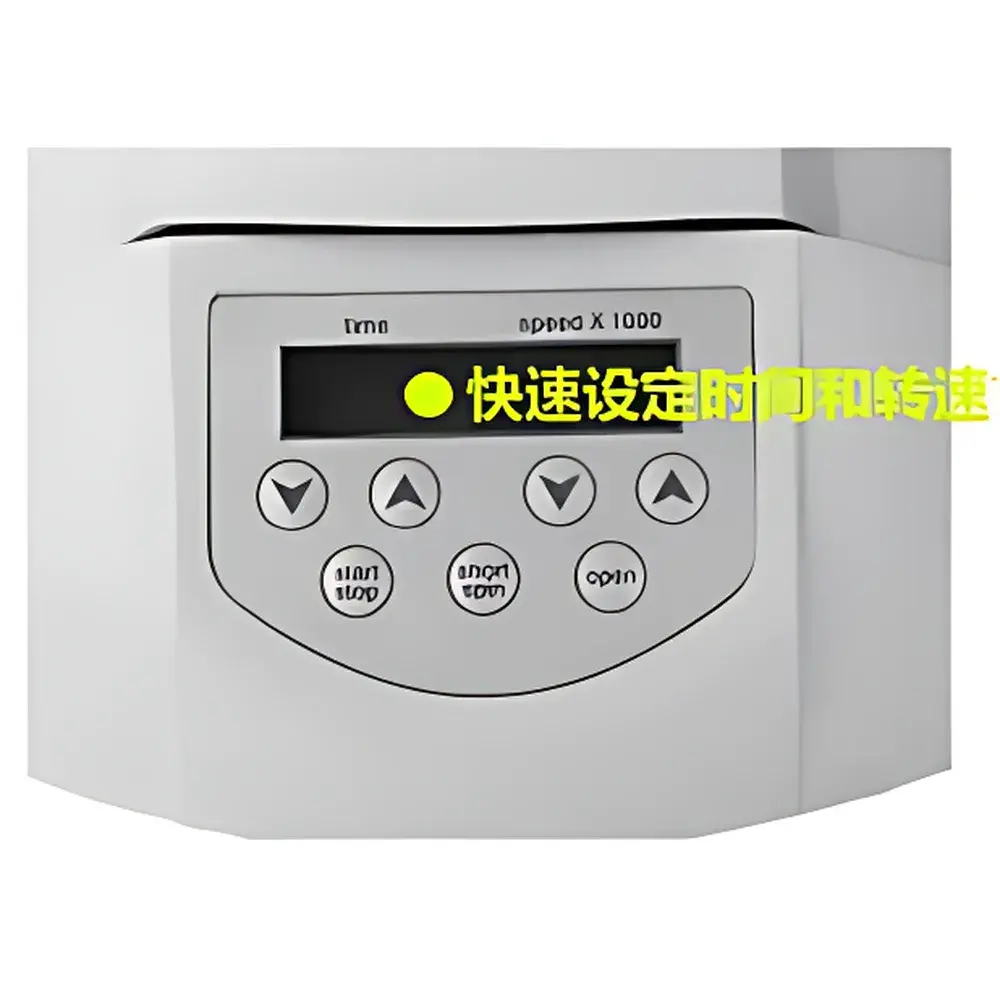
- Digital LED display with intuitive rotary knob interface for precise parameter selection (speed, time, acceleration/deceleration profiles)
- Ultra-fast acceleration (0–14,500 rpm in 13 s) and deceleration (full stop in 12 s), reducing cycle time without compromising rotor integrity
- Anodized aluminum fixed-angle rotor rated for autoclaving at 121 °C for 20 minutes—ensuring sterility for aseptic applications including plasmid prep and cell culture workflows
- Integrated instant-spin button for brief, hands-free centrifugation without timer setup—critical for pellet resuspension or quick supernatant removal
- Low-noise operation (<55 dB[A]) enabled by balanced rotor dynamics and vibration-damping chassis construction
- Automatic lid opening upon completion to expedite sample retrieval and improve workflow continuity
Sample Compatibility & Compliance
The M-Spin accommodates standard 1.5 mL and 2.0 mL conical microcentrifuge tubes, with optional adapters available for 0.2 mL and 0.5 mL PCR tubes—enabling seamless integration into molecular biology, genomics, and proteomics pipelines. All rotor components are chemically resistant to common solvents including ethanol, isopropanol, and dilute sodium hypochlorite solutions. The instrument meets IEC 61010-2-020 for protection against electric shock, mechanical hazards, and abnormal temperature rise. While not certified under FDA 21 CFR Part 11, its deterministic control architecture supports GLP/GMP-aligned documentation practices when paired with external logbook systems. No regulatory claims are made for ISO 13485 or USP sterility testing; users must validate sterilization cycles per internal SOPs.
Software & Data Management
The M-Spin operates as a standalone instrument with no embedded software or network connectivity. All operational parameters are stored locally in non-volatile memory and persist across power cycles. No data export capability (e.g., USB, Bluetooth, or Ethernet) is provided; however, the device supports manual audit trails via timestamped lab notebook entries. For laboratories requiring electronic record retention, integration with LIMS or ELN platforms may be achieved through external process logging—e.g., documenting run start/end times, speed settings, and rotor batch numbers. Firmware updates are not field-upgradable; service-level recalibration and verification are performed exclusively by authorized Truelab technical support centers.
Applications
- Routine pelleting of E. coli and other bacterial cultures prior to lysis or genomic DNA extraction
- Clarification of lysates in protein purification workflows (e.g., His-tagged protein capture)
- Spin-down of PCR reaction mixtures to ensure complete reagent mixing before thermal cycling
- Concentration of exosomes or extracellular vesicles from conditioned media (when used with compatible low-speed pre-clearing steps)
- Separation of phase-separated aqueous-organic extracts in small-volume solvent-based extractions
- Quick sedimentation of magnetic beads in automated nucleic acid isolation protocols
FAQ
What is the maximum recommended run time for continuous operation?
The M-Spin is rated for uninterrupted operation up to 99 minutes per cycle. For extended daily usage (>4 hours cumulative runtime), allow ≥15 minutes cooling interval between consecutive full-speed runs to maintain thermal stability.
Can the rotor be cleaned with organic solvents?
Yes—the anodized aluminum rotor is compatible with ethanol, acetone, and 70% isopropanol. Avoid prolonged exposure to strong oxidizers (e.g., concentrated HNO₃) or alkaline solutions above pH 10.
Is rotor imbalance detection active during acceleration?
Yes. The drive electronics continuously monitor current draw and rotational harmonics; any detected asymmetry triggers immediate deceleration and error code display (E1/E2).
Does the M-Spin support variable acceleration/deceleration rates?
No. It features fixed ramp profiles optimized for rotor longevity and sample integrity—13 s to reach set speed, 12 s to stop. Custom ramp programming is not supported.
What maintenance is required for long-term reliability?
Annual inspection of brushless DC motor bearings and lid latch mechanism is recommended. Lubrication is not user-serviceable; rotor cleaning and visual inspection after each use constitute primary preventive measures.



