
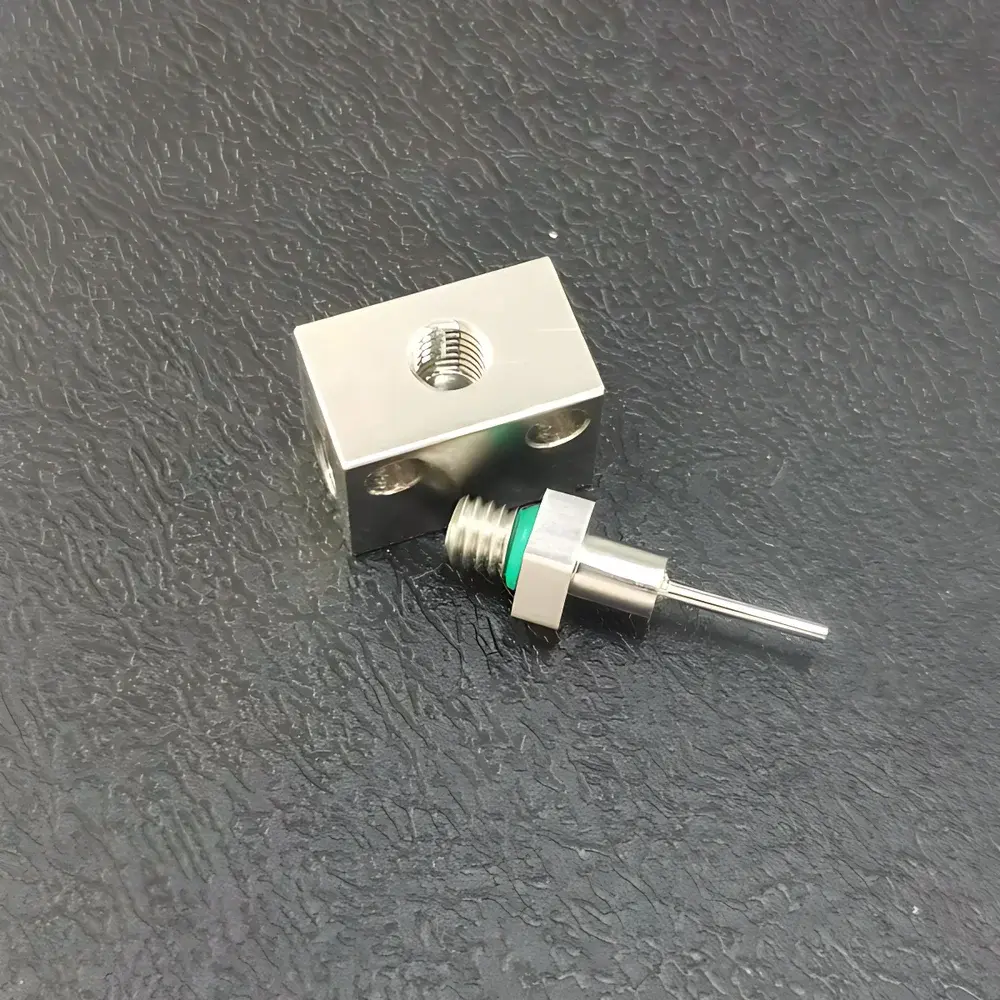
Truelab WI22-0201 Detachable Coaxial Electrospinning Needle Kit for Core–Shell Nanofiber Fabrication
| Brand | Truelab |
|---|---|
| Origin | Shanghai, China |
| Manufacturer Type | Authorized Distributor |
| Product Origin | Domestic (China) |
| Model | WI22-0201 Octo-Configurable Kit |
| Price Range | USD 0.15 – 150.00 |
| Material | 316L Stainless Steel (Needles & Housing), Medical-Grade Polypropylene (Adapters) |
| Certifications | ISO 13485–compatible manufacturing environment |
| Pressure Test | Pre-shipped hydrostatic leak test at 0.6 MPa |
Overview
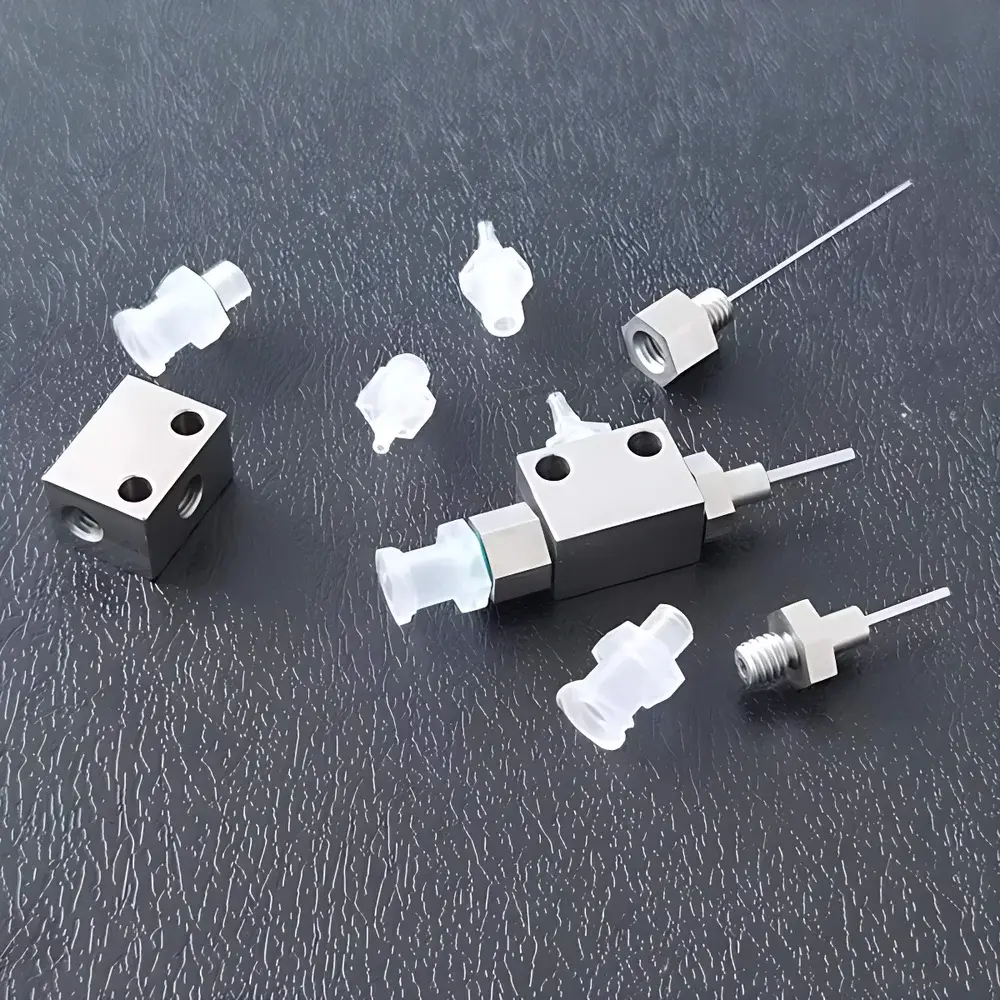
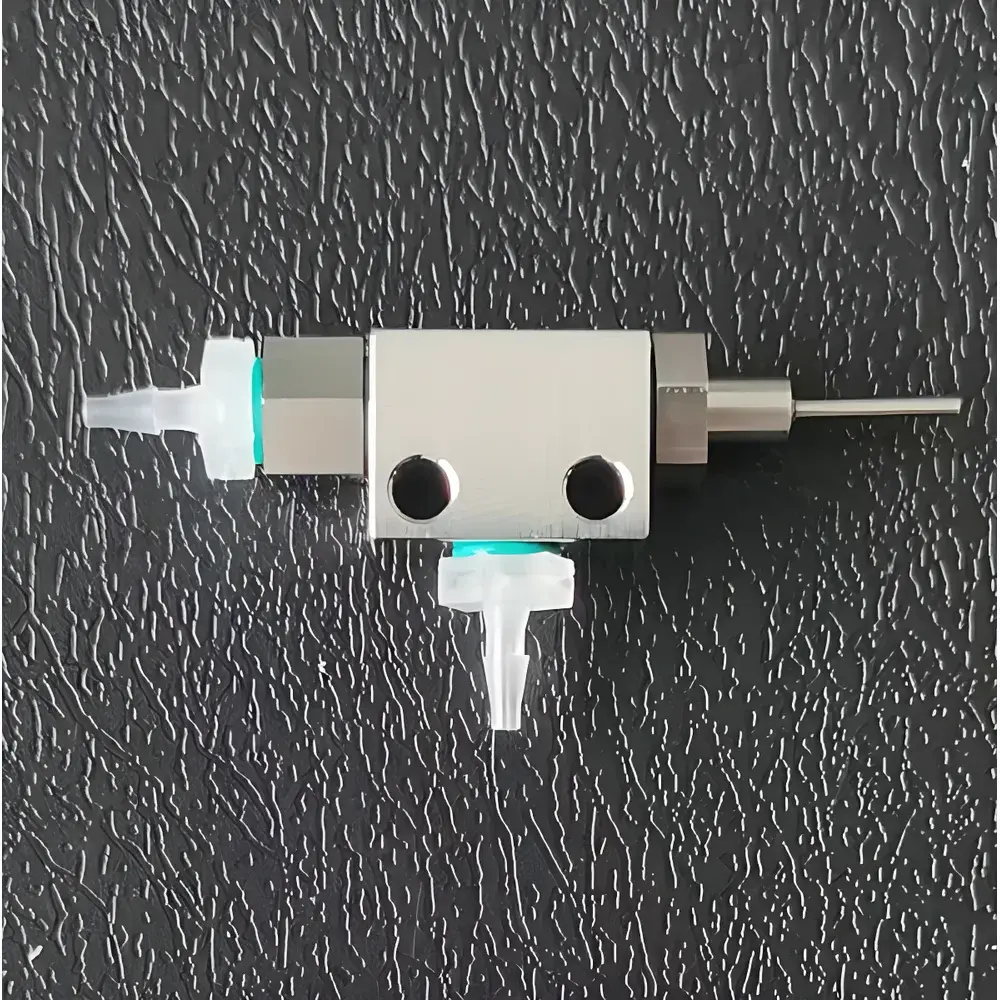
The Truelab WI22-0201 Detachable Coaxial Electrospinning Needle Kit is an engineered solution for reproducible core–shell and coaxial nanofiber synthesis in polymer processing, biomaterials development, and functional textile R&D. Unlike monolithic or laser-welded coaxial nozzles, this system implements a fully modular mechanical assembly based on precision-machined 316L stainless steel components — inner needle, outer needle, central housing, and interchangeable fluidic interfaces — enabling complete disassembly, ultrasonic cleaning, and component-level replacement. Its design adheres to fundamental electrohydrodynamic (EHD) principles: stable Taylor cone formation requires consistent concentricity (< ±2.5 µm radial deviation), minimal dead volume, and laminar co-flow of core and shell solutions under controlled voltage (typically 10–30 kV DC) and syringe pump-driven flow rates (0.1–5 mL/h per channel). The kit supports both single-nozzle and multi-nozzle parallel electrospinning configurations without cross-contamination risk — critical for GLP-compliant formulation screening and DOE-based process optimization.
Key Features
- Fully detachable architecture: Inner needle, outer needle, housing body, and Luer/1/16″ compression fittings separate without tools — eliminates residue buildup in annular gaps and enables validated cleaning per ASTM D4296 (cleaning validation for fluid-contact surfaces)
- Octo-configurable combinatorial setup: One universal housing accommodates three distinct outer needles (A/B/C) and three inner needles (1/2/3), yielding up to eight unique core–shell diameter ratios (e.g., 23G outer + 30G inner; 25G outer + 32G inner) — reduces inventory complexity and accelerates parameter space mapping
- Material integrity: All wetted metal parts fabricated from vacuum-melted 316L stainless steel (ASTM A276, ≤0.03% carbon, ≥10.5% Ni, ≥16% Cr); adapters molded from USP Class VI-certified polypropylene with extractables profile compliant with ISO 10993-12
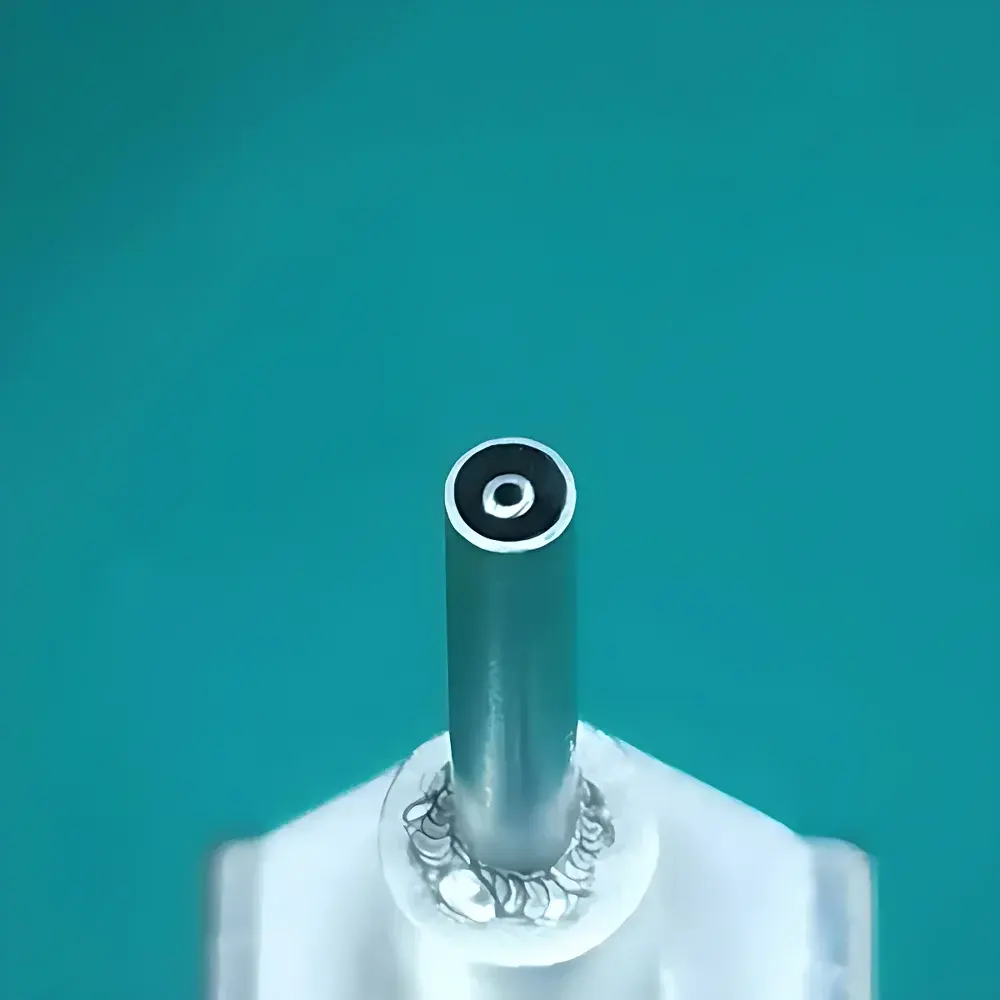
- Geometric fidelity: Inner/outer needle concentricity maintained within ±2.0 µm via CNC turning and electropolished internal bores (Ra < 0.2 µm); tip geometry optimized for uniform electric field distribution and low-voltage onset of jetting
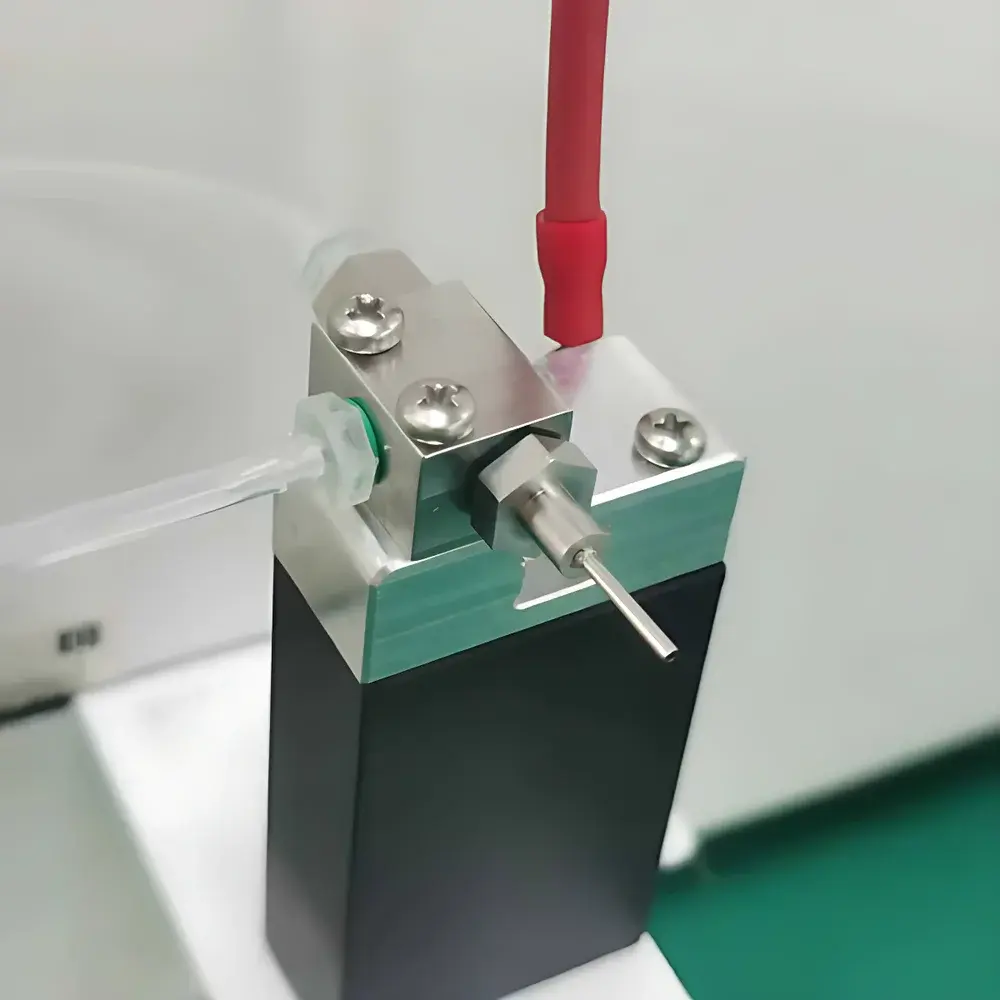
- Mechanical reliability: Integrated mounting holes (M3 threaded) for rigid clamping onto standard electrospinning collector frames; hydrostatically tested at 0.6 MPa (87 psi) for 60 seconds pre-shipment — exceeds typical operational pressure requirements (≤0.3 MPa)
Sample Compatibility & Compliance
The WI22-0201 is compatible with aqueous, organic, and hybrid polymer solutions including PVP, PLA, PCL, gelatin, chitosan, and PVDF-HFP — provided viscosity remains below 1,200 mPa·s (measured at 10 s⁻¹ shear rate) and surface tension is adjustable to 20–35 mN/m range. It supports dual-syringe pump operation with independent flow control (e.g., Harvard Apparatus PHD Ultra or KD Scientific Legato series) and integrates seamlessly with high-voltage power supplies meeting IEC 61010-1 safety standards. All components comply with ISO 9001:2015 quality management protocols; the stainless steel housing meets ASTM F899 for surgical-grade corrosion resistance, while PP adapters conform to FDA 21 CFR §177.1520 for repeated-use medical device applications.
Software & Data Management
While the needle itself is hardware-only, its modularity directly supports traceable experimental workflows in regulated environments. Each kit includes a serialized calibration tube (included as “calibration guide”) enabling visual verification of concentricity prior to use — documented in lab notebooks or electronic lab notebooks (ELNs) such as LabArchives or Benchling. When paired with automated electrospinning platforms (e.g., Inovenso NanoOne or Fluidnatek LE-50), the WI22-0201 allows metadata tagging of nozzle configuration (e.g., “WI22-0201-OUTB-IN2”) in instrument logs — facilitating audit-ready correlation between fiber morphology (SEM/TEM), process parameters, and physical nozzle identity per FDA 21 CFR Part 11 data integrity requirements.
Applications
- Core–shell drug delivery systems: Encapsulation of heat-sensitive biologics (e.g., insulin, VEGF) in thermoplastic shells (PLGA, Eudragit®) with controlled burst/sustained release profiles
- Functional filtration membranes: Dual-layer nanofibrous mats with hydrophobic shell (PVDF) and hydrophilic core (PVA) for oil–water separation
- Conductive nanofibers: Coaxial spinning of AgNW-filled PVP core with insulating PMMA shell for flexible electronics substrates
- Biomimetic scaffolds: Sequential deposition of collagen–HA core fibers within PCL shells for osteochondral tissue engineering
- Process development: Rapid iteration of needle geometry effects on fiber diameter distribution (CV < 12%), bead formation threshold, and jet stability under varying humidity (30–60% RH)
FAQ
Can this needle be autoclaved?
Yes — all 316L stainless steel components withstand standard autoclaving cycles (121°C, 15 psi, 20 min); PP adapters are not autoclavable but may be sterilized via ethylene oxide (EtO) or gamma irradiation (25 kGy).
What syringe pump tubing is recommended for the 1/16″ compression fittings?
Fluorinated ethylene propylene (FEP) or perfluoroalkoxy (PFA) tubing with 1/16″ OD and wall thickness ≥0.030″ — ensures chemical compatibility with chloroform, HFIP, and DMF-based solutions.
How often should concentricity be verified?
Before each new inner/outer needle pairing and after any impact event; use the included calibration tube under 10× magnification or digital microscope.
Is technical support available for nozzle configuration optimization?
Yes — Truelab provides application notes and flow-rate–voltage matrix templates upon request for common polymer systems (PLA, PVP, gelatin).
Does the kit include documentation for IQ/OQ validation?
A standardized Installation Qualification (IQ) checklist and Operational Qualification (OQ) protocol template are supplied digitally upon purchase — aligned with ISO/IEC 17025 and ASTM D3747 guidelines.






