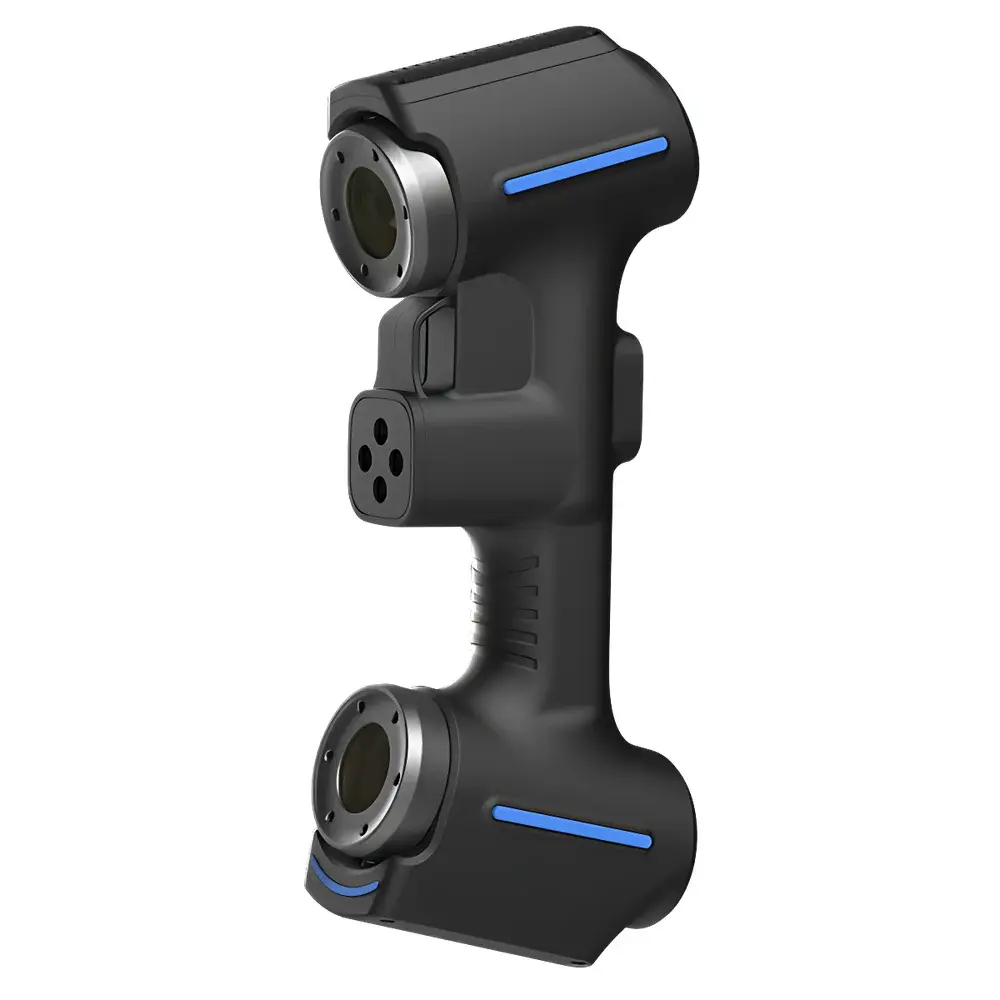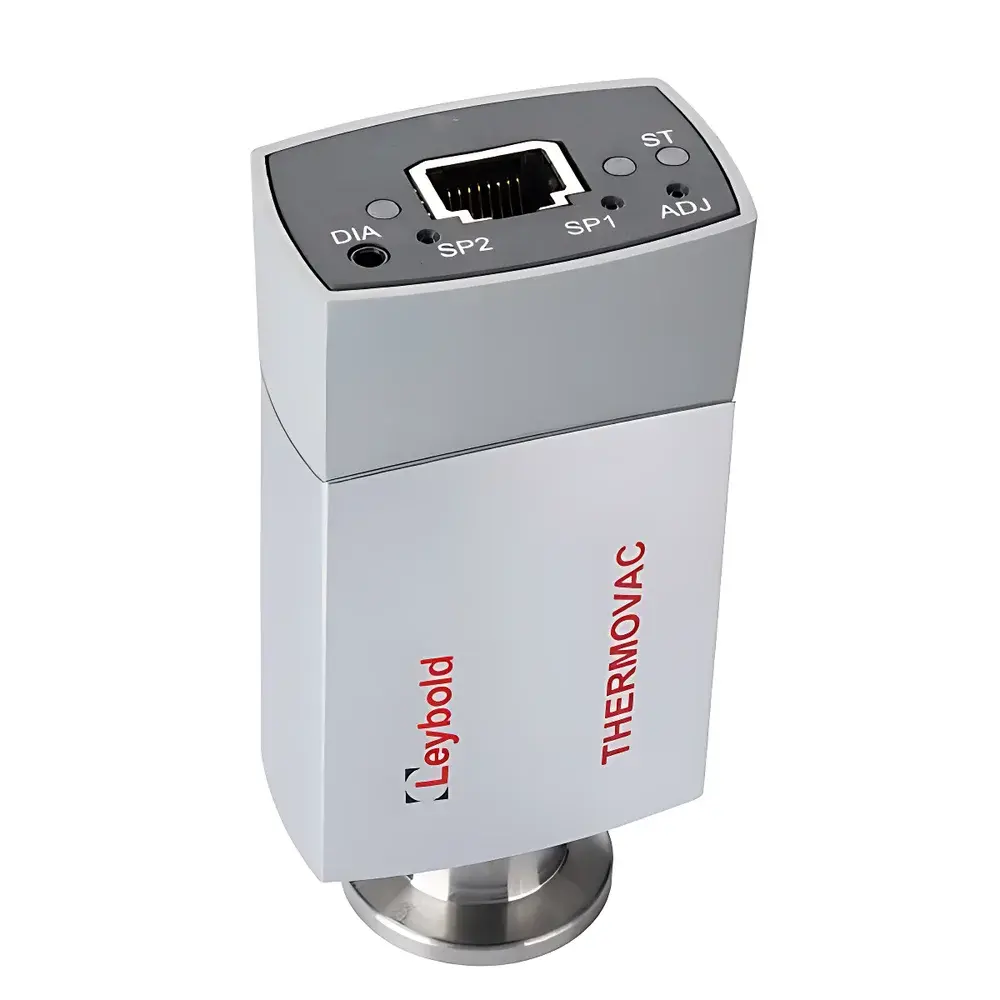
Solar Light PMA2106 Non-Weighted UVB Radiometer Detector
| Brand | Solar Light |
|---|---|
| Origin | USA |
| Model | PMA2106 |
| Angular Response | ≤5% deviation from ideal cosine (Lambertian) for incident angles <60° |
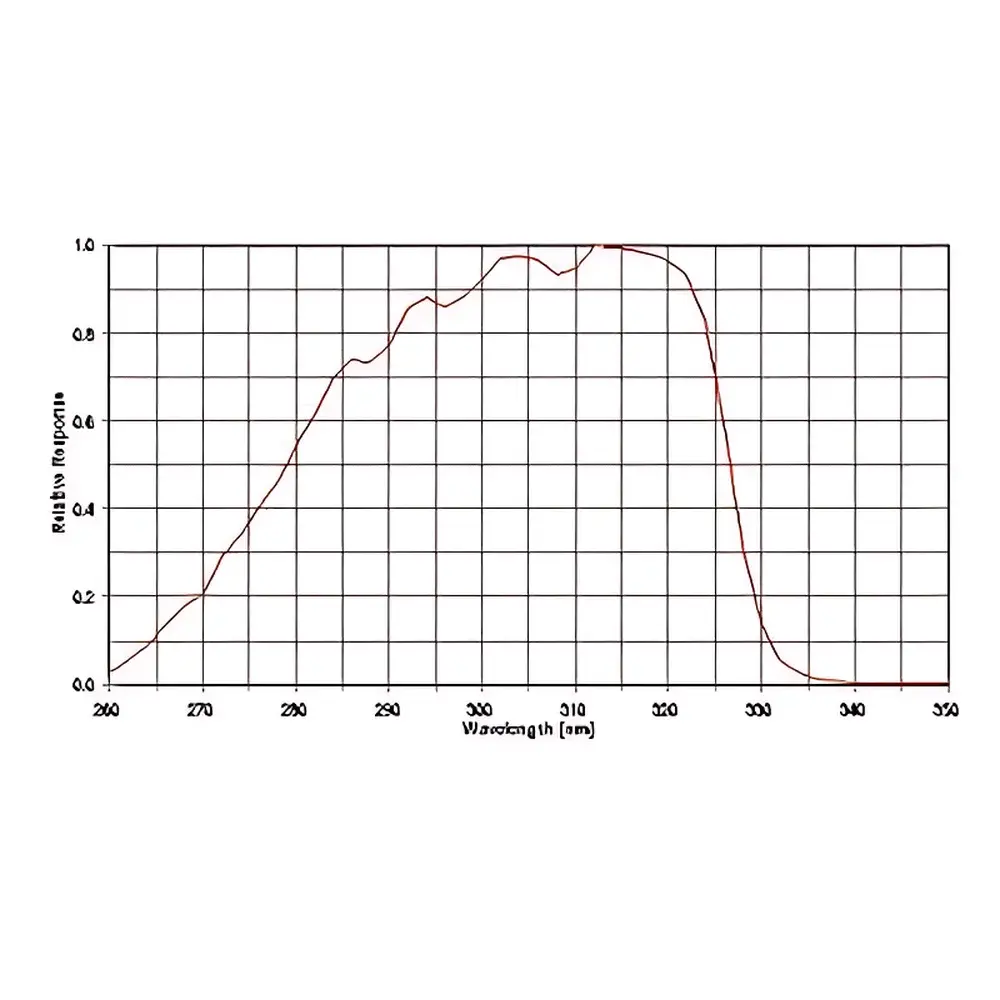
| Spectral Range | Non-weighted UVB (280–320 nm) |
| Measurement Range | 0.001–200 mW/cm² (0.01–2000 W/m²) |
| Resolution | 0.001 mW/cm² / 0.01 W/m² |
| Operating Temperature | 0–50 °C (32–120 °F), non-condensing |
| Temperature Coefficient | ±1 %/°C (for solar irradiance) |
| Cable | Retractable, 0.3–1.5 m |
| Dimensions | Ø40.6 mm × H45.8 mm |
| Weight | 200 g |
| Calibration | NIST-traceable |
Overview
The Solar Light PMA2106 Non-Weighted UVB Radiometer Detector is a precision optical sensor engineered for quantitative measurement of unweighted ultraviolet-B (UVB) irradiance across both natural and artificial light sources. Unlike biologically weighted detectors (e.g., erythemal or vitamin D action spectra), the PMA2106 delivers spectrally flat, non-weighted response in the 280–320 nm band—enabling absolute radiometric quantification without spectral weighting functions. Its optical design incorporates a high-transmission UV-grade fused silica diffuser with rigorous cosine correction, achieving ≤5% angular deviation from ideal Lambertian response up to ±60° incidence—critical for accurate integration of diffuse sky radiation, large-area lamps, or collimated beams in non-normal geometry. The detector employs a calibrated silicon photodiode with thermally stabilized signal conditioning, ensuring stable output under variable ambient conditions. Output is provided in standard radiometric units: mW/cm² and W/m², traceable to National Institute of Standards and Technology (NIST) reference standards via documented calibration certificates.
Key Features
- True non-weighted UVB spectral response (280–320 nm), optimized for absolute irradiance quantification—not biological effect modeling
- Lambertian angular response with ≤5% deviation at angles <60°, validated per ISO/CIE guidelines for broadband radiometers
- High dynamic range of 2×10⁵, supporting measurements from 0.001 mW/cm² (low-intensity UVB monitoring) to 200 mW/cm² (high-output lamp characterization)
- NIST-traceable calibration with uncertainty budget reported per ISO/IEC 17025 requirements; certificate includes spectral responsivity curve and angular correction factors
- Thermal compensation circuitry limits drift to ±1 %/°C over 0–50 °C operating range—validated under controlled thermal ramp testing
- Compact, ruggedized aluminum housing (Ø40.6 mm × 45.8 mm) with IP54-rated ingress protection for laboratory and field-deployable use
Sample Compatibility & Compliance
The PMA2106 is compatible with all Solar Light PMA-series meters (e.g., PMA2100, PMA2200) and third-party data loggers supporting 0–2 V or 4–20 mA analog input. It requires no external power—operating passively via photodiode-generated current. For regulatory compliance, the detector supports GLP-compliant workflows: calibration certificates include serial-number-matched documentation, measurement uncertainty, and traceability statements required under FDA 21 CFR Part 11 for electronic records. While not itself certified to IEC 61347 or UL 1598, its performance aligns with ASTM E772–22 (Standard Terminology of Solar Energy Conversion) and CIE S 014/E:2006 for broadband UV radiometry. It is routinely deployed in ISO 17025-accredited laboratories for UV stability testing per ISO 4892-3 and material weathering validation.
Software & Data Management
When paired with Solar Light’s proprietary software (e.g., SOLARLOG v5.x), the PMA2106 enables time-stamped irradiance logging, spectral weighting application (post-acquisition), and automated report generation compliant with ISO/IEC 17025 record retention. Raw voltage outputs are linearly proportional to irradiance, allowing direct integration into custom LabVIEW, Python (PyVISA), or MATLAB environments via analog interface. All calibration metadata—including date, NIST reference standard ID, and temperature correction coefficients—is embedded in device-readable EEPROM, ensuring audit-ready traceability during instrument qualification (IQ/OQ/PQ). Data export supports CSV, XML, and PDF formats with embedded digital signatures for integrity verification.
Applications
- Quantitative UVB dosimetry in phototherapy systems (e.g., narrowband UVB lamps for psoriasis treatment), where non-weighted irradiance informs exposure time calculation independent of action spectrum assumptions
- Environmental UV monitoring networks measuring stratospheric ozone impact on ground-level UVB flux—deployed in NOAA, EPA, and WMO-affiliated stations
- Accelerated weathering validation per ASTM G154 and ISO 4892-3, verifying spectral output consistency of fluorescent UV lamps (UVA-340, UVB-313)
- Optical transmission testing of UV-blocking films, coatings, and packaging materials—used in pharmaceutical primary packaging qualification
- Agricultural photobiology studies assessing UVB effects on plant morphogenesis, flavonoid synthesis, and pathogen resistance under controlled growth chamber illumination
- Calibration transfer between reference-grade spectroradiometers and field-deployable broadband sensors in metrology labs
FAQ
Is the PMA2106 suitable for measuring UVB from LED-based sources?
Yes—the detector’s flat spectral responsivity and minimal stray-light rejection design ensure accurate irradiance measurement across narrowband UVB LEDs (e.g., 310 nm ±5 nm), provided the source emits within the 280–320 nm band.
Does it require periodic recalibration?
Annual recalibration is recommended per ISO/IEC 17025 best practices; however, long-term stability testing shows <±2% drift over 24 months under typical lab storage conditions.
Can it be used outdoors in direct sunlight?
Yes—its operating range (0–50 °C, non-condensing) and sealed housing support outdoor deployment, though extended exposure to precipitation or dew requires optional weatherproof enclosure (sold separately).
How is cosine error characterized and corrected?
Cosine response is empirically mapped during NIST-traceable calibration using a goniometric setup per CIE 177:2007; correction coefficients are applied in firmware or post-processing for angles beyond ±60°.
What is the minimum measurable irradiance with reliable SNR?
At 0.001 mW/cm², the detector achieves a signal-to-noise ratio >30:1 when integrated over 1 s using a PMA2100 meter with low-noise analog front-end—verified per ANSI/NCSL Z540.3.