Solar Light 16S/LS1000 In Vitro SPF Pre-Irradiation UV Simulator
| Brand | Solar Light |
|---|---|
| Origin | USA |
| Model | 16S/LS1000 |
| Light Source Type | Xenon Arc Lamp |
| Irradiation Mode | External Top-Down Illumination |
| Compliance | FDA, ISO 24443, COLIPA (now Cosmetics Europe), JCIA, Australian Standard AS/NZS 2604 |
| Effective Dose | 4 MED (1 MED = 21 mJ/cm² effective erythemal dose) |
| Uniformity | <20% spatial variation (meets FDA requirement) |
| Beam Diameter (16S) | 75 mm (covers 2" × 2" PMMA plate) |
| Beam Area (LS1000-4S) | 4" × 4" (for simultaneous irradiation of four 2" × 2" PMMA plates) |
| Optional Beam Area | 6" × 6" (for nine plates) |
| Temperature Rise on PMMA | <0.2 °C during full 4-MED exposure |
| Exposure Time (16S) | ~23 min for 4 MED |
| Exposure Time (LS1000-4S) | ~20 min for 4 MED per plate |
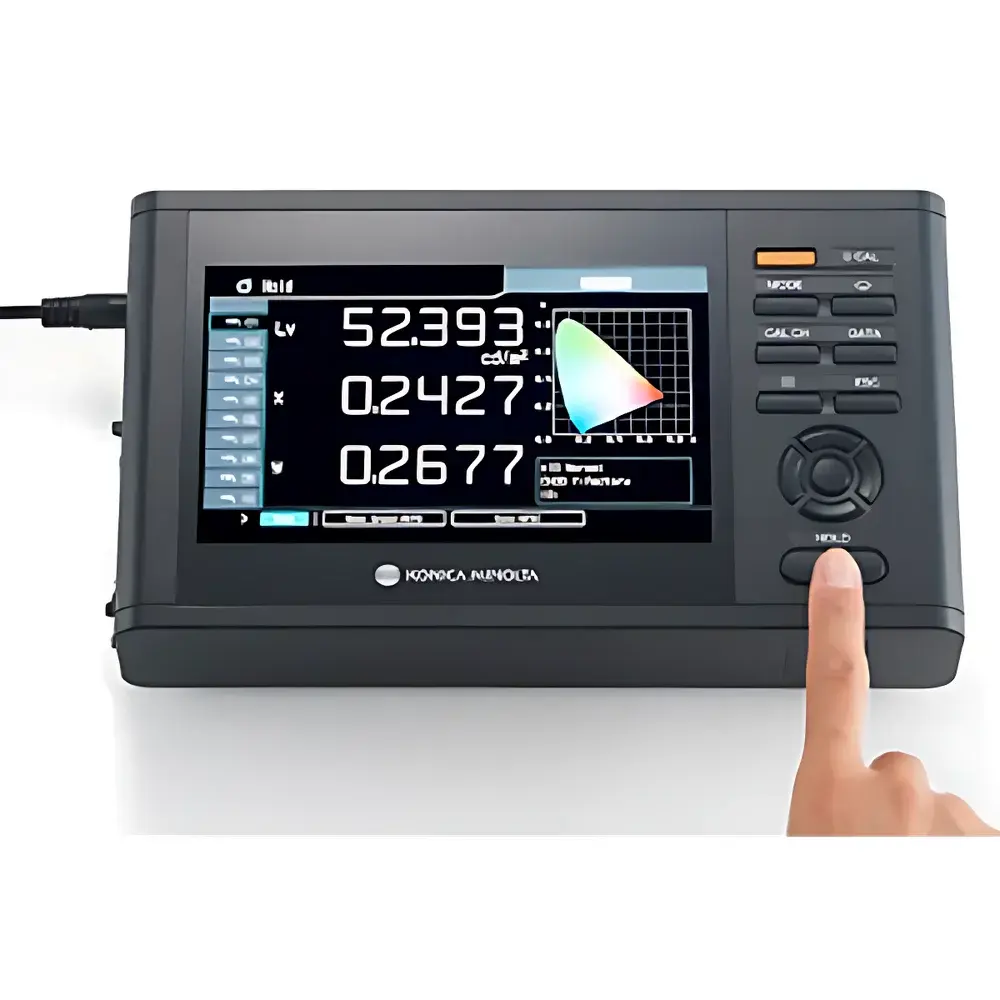
| Detector Compatibility | PMA2101 Erythemal Sensor, PMA2100 Radiometer with dose-integration and auto-shutoff |
| Footprint | <2 ft² |
| Cooling | Air-cooled, no external chiller required |
Overview
The Solar Light 16S/LS1000 In Vitro SPF Pre-Irradiation UV Simulator is a precision-engineered xenon arc-based optical system designed exclusively for standardized pre-irradiation of polymethyl methacrylate (PMMA) substrates in accordance with internationally recognized in vitro sun protection factor (SPF) testing protocols. It replicates the solar ultraviolet (UV) spectrum—specifically the erythemally weighted UVA/UVB range—with spectral fidelity aligned to the COLIPA (now Cosmetics Europe) reference spectrum adopted by the U.S. Food and Drug Administration (FDA) in 21 CFR Part 740 and codified in ISO 24443:2021. This device executes the critical second step in the three-stage in vitro SPF assay: after sunscreen application onto PMMA plates (Step 1), the simulator delivers a precisely controlled, uniform 4 minimal erythemal dose (MED) exposure (Step 2), prior to spectrophotometric or diffuse transmittance analysis (Step 3). Its optical architecture employs stabilized short-arc xenon technology, enabling high spectral stability and reproducible irradiance output without active liquid cooling—making it suitable for routine use in GLP-compliant cosmetic testing laboratories and R&D environments.
Key Features
- Xenon arc lamp source calibrated to emit an erythemally weighted UV spectrum matching the FDA-adopted COLIPA solar reference, ensuring regulatory alignment across global markets.
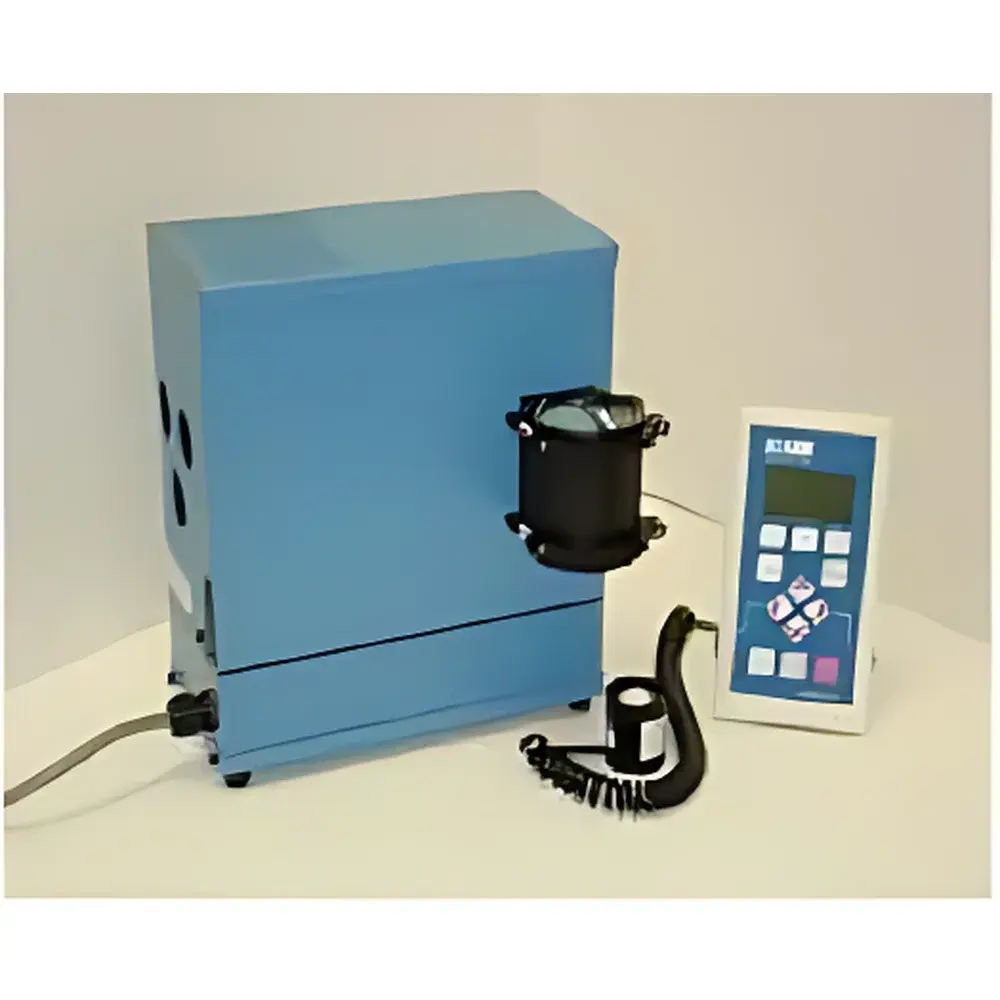
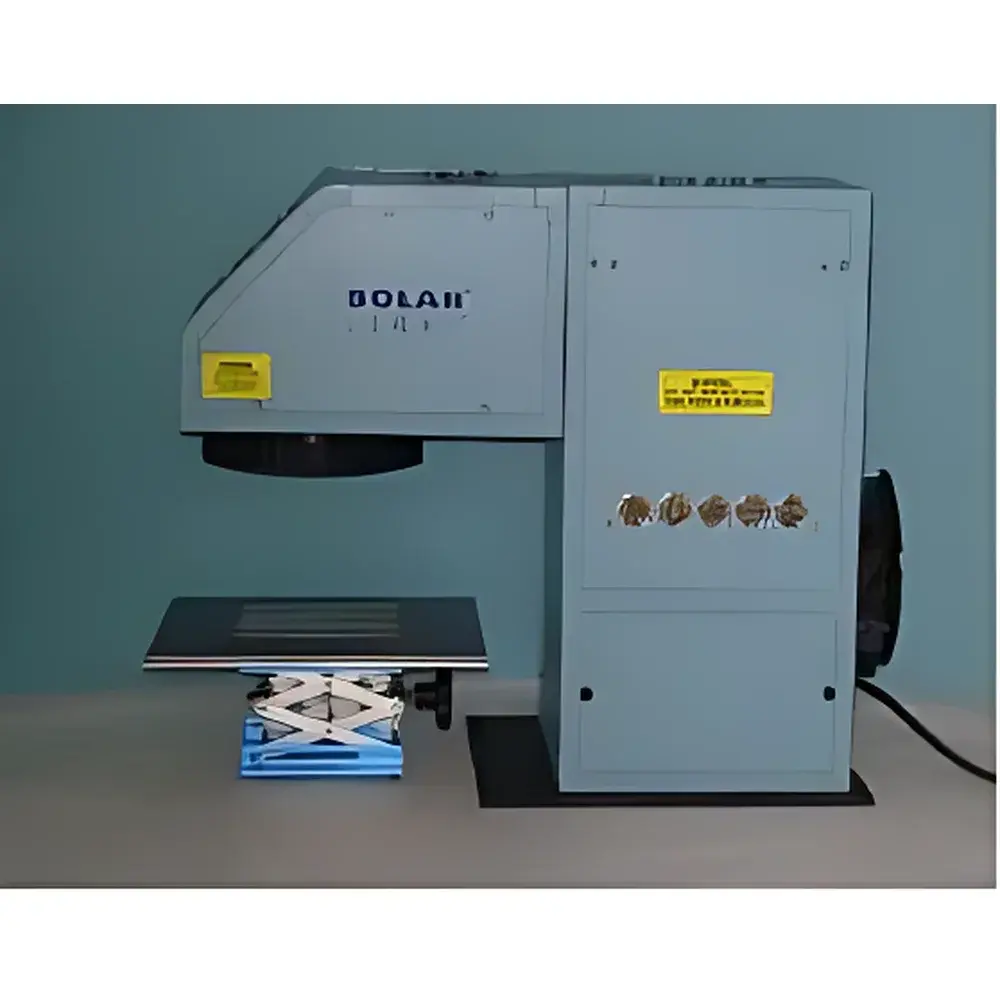
- Two platform configurations: the compact 16S-300-009 model (75 mm beam diameter) for single-plate R&D applications, and the LS1000-4S-009 (4″ × 4″ collimated field) optimized for throughput in contract testing labs processing up to four 2″ × 2″ PMMA plates simultaneously.
- Optional 6″ × 6″ irradiation field available for high-volume screening of nine plates per cycle—maintaining <0.2 °C temperature rise on substrate surface throughout exposure.
- Integrated compatibility with Solar Light’s PMA2101 erythemal sensor and PMA2100 radiometer, enabling real-time dose integration, automated endpoint termination, and audit-ready digital logging compliant with FDA 21 CFR Part 11 requirements.
- Optical uniformity ≤18% across irradiated area—exceeding the ±20% spatial variation tolerance specified in ISO 24443 Annex C and FDA guidance for pre-irradiation homogeneity.
- Footprint under 0.186 m² (2 ft²); air-cooled operation eliminates dependency on external chillers or water lines—reducing infrastructure complexity and operational overhead.
Sample Compatibility & Compliance
The 16S/LS1000 series is validated for use with standard 2″ × 2″ PMMA plates (thickness: 1–2 mm), as defined in ISO 24443, ASTM D7090, and the former COLIPA Guideline for In Vitro SPF Determination. It supports alternative substrates—including polycarbonate and quartz—when referenced in method-specific validation studies. Regulatory compliance includes full conformance with: FDA 21 CFR Part 740 Subpart C (Sunscreen Drug Products for Over-the-Counter Human Use), ISO 24443:2021 “Cosmetics — Sun protection test methods — In vitro determination of sunscreen UV spectral absorbance”, Cosmetics Europe (formerly COLIPA) Revised Guidelines (2011), Japanese Cosmetic Industry Association (JCIA) Standards, and AS/NZS 2604:2012 “Sunscreen products – Evaluation and classification of ultraviolet protection”. All units ship with factory-issued calibration certificates traceable to NIST standards and include documented uncertainty budgets for irradiance and dose delivery.
Software & Data Management
Operation is managed via the PMA2100 Radiometer’s embedded firmware, supporting configurable dose setpoints (default: 4 MED = 84 mJ/cm² effective), real-time irradiance monitoring (W/m²), and time-stamped cumulative dose logging (J/m²). Data export is supported in CSV format for integration into LIMS or electronic lab notebooks (ELN). The system meets ALCOA+ principles for data integrity: attributable, legible, contemporaneous, original, accurate, complete, consistent, enduring, and available. Audit trails record all parameter changes, start/stop events, and sensor calibration history—fully satisfying GLP and GMP documentation requirements for regulated cosmetic product development and third-party testing.
Applications
- In vitro SPF and UVA-PF (protection factor) determination per ISO 24443 and FDA-recommended protocols.
- Method validation and transfer between internal R&D labs and ISO/IEC 17025-accredited contract testing facilities.
- Stability assessment of photolabile UV filters under controlled spectral stress conditions.
- Comparative evaluation of sunscreen film morphology and homogeneity following standardized UV preconditioning.
- Supporting submissions to regulatory bodies including the FDA, Health Canada, TGA (Australia), and MHLW (Japan).
FAQ
What does “4 MED” mean in the context of pre-irradiation?
4 MED refers to four minimal erythemal doses—the biologically weighted UV exposure equivalent to 84 mJ/cm² (effective), calculated using the CIE erythemal action spectrum and normalized to 21 mJ/cm² per MED.
Can this system be used with non-PMMA substrates?
Yes—while optimized for 2″ × 2″ PMMA plates per ISO 24443, the system has been successfully deployed with polycarbonate and fused silica substrates in method-validated applications; users must establish substrate-specific correction factors for dose equivalence.
Is PMA2100 software compatible with modern Windows OS versions?
Yes—the PMA2100 firmware and PC interface software support Windows 10 and 11 (64-bit), with drivers digitally signed for secure installation.
How often does the xenon lamp require recalibration or replacement?
Lamp lifetime exceeds 1,000 hours at rated power; Solar Light recommends annual radiometric recalibration using NIST-traceable transfer standards, with lamp replacement advised after 1,200 operating hours or if spectral drift exceeds ±3% in the 290–400 nm band.
Does the system support IQ/OQ/PQ documentation packages?
Yes—comprehensive qualification protocols (Installation, Operational, and Performance Qualification) are available upon request, aligned with ASTM E2500 and ICH Q9 principles for analytical instrument lifecycle management.