
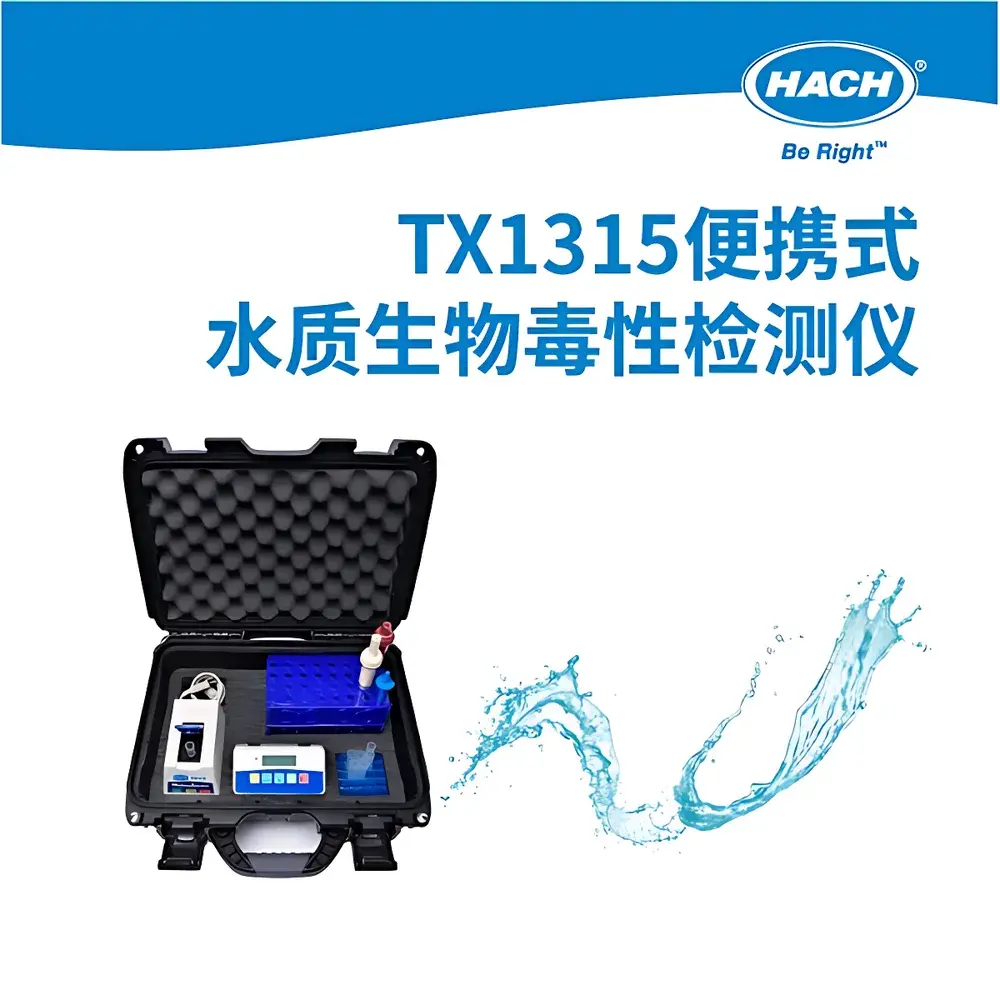
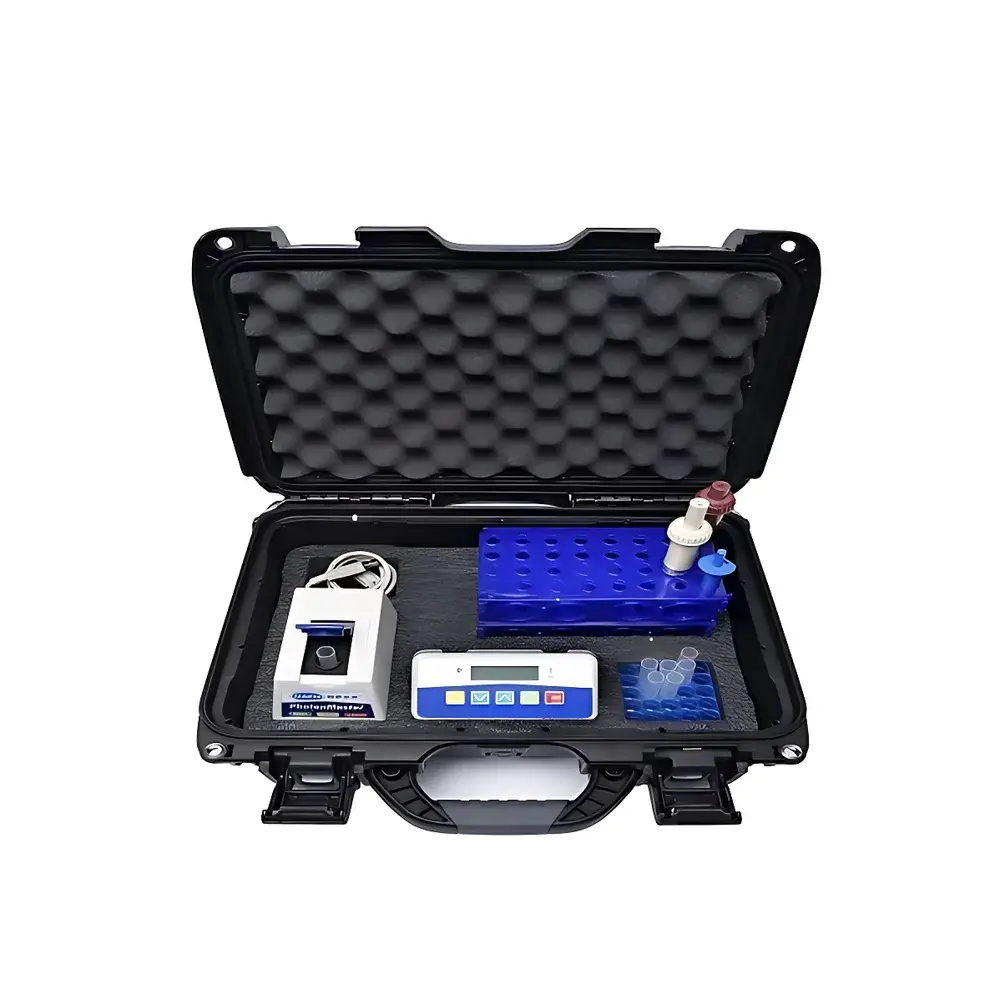
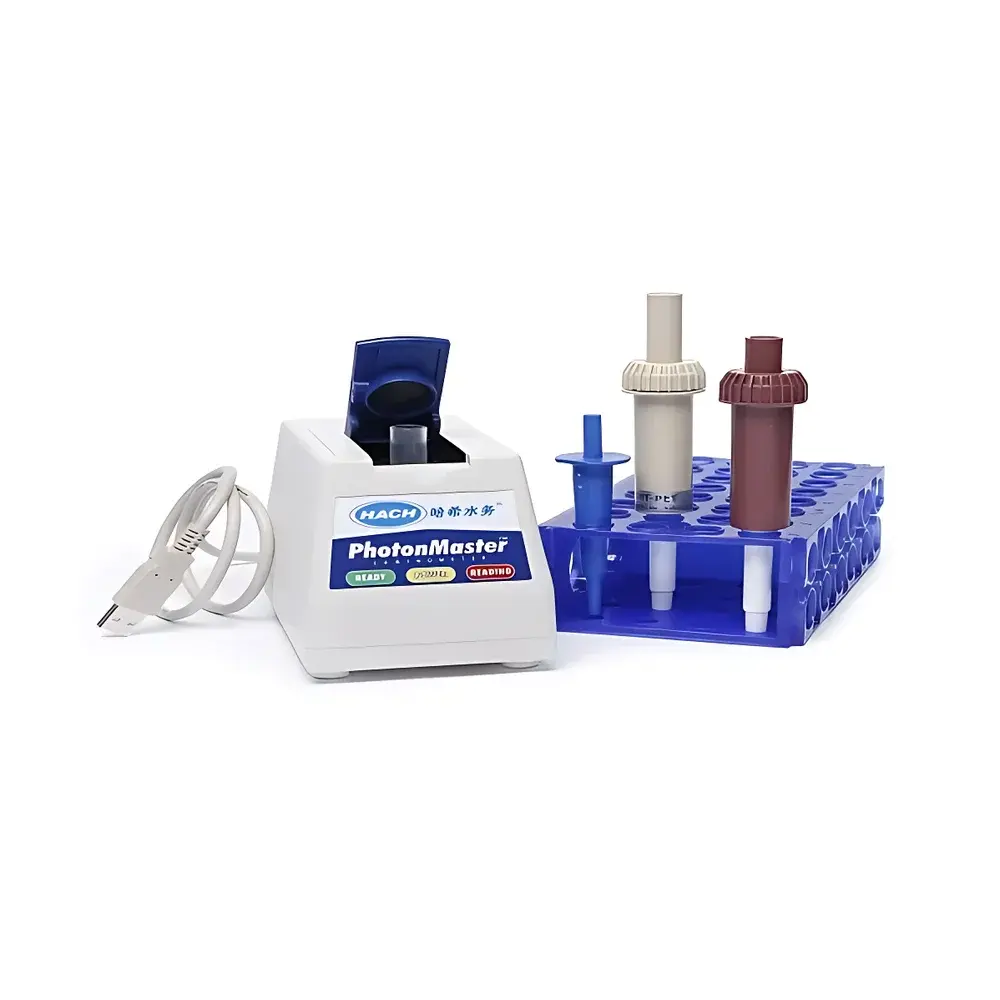
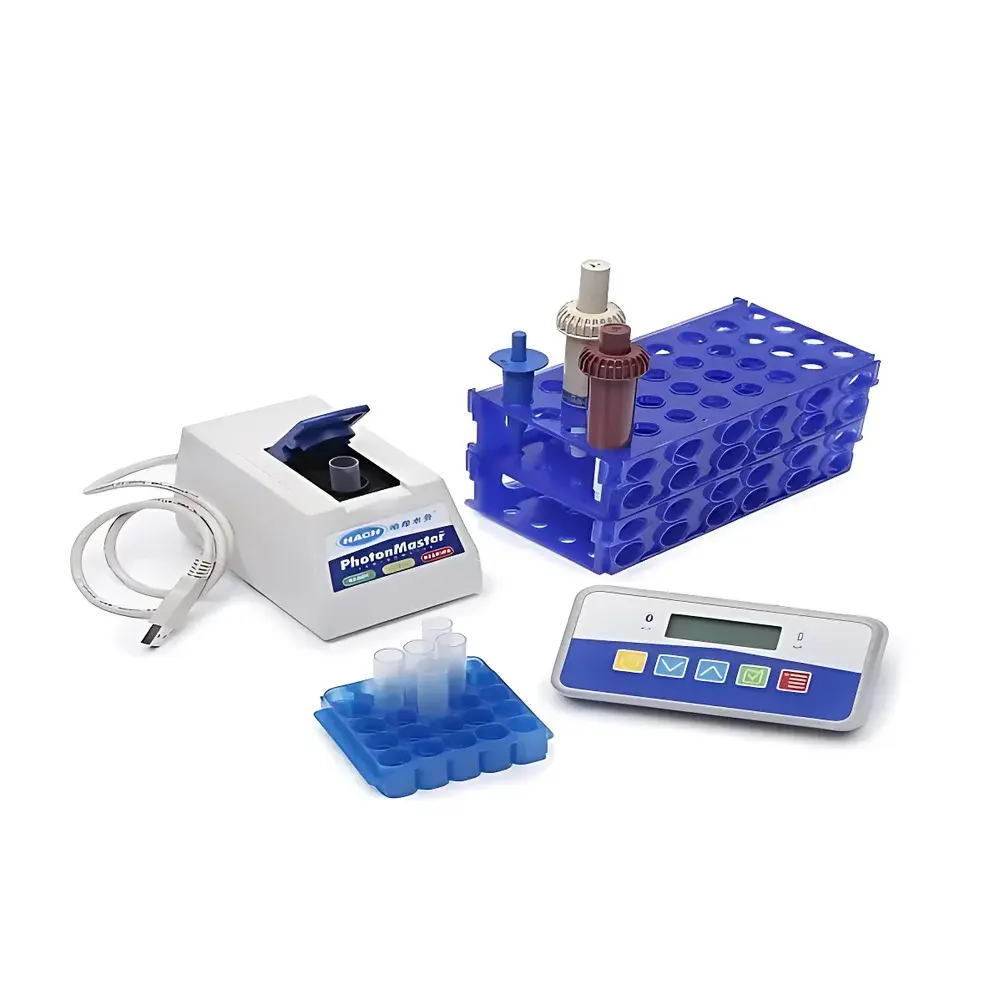
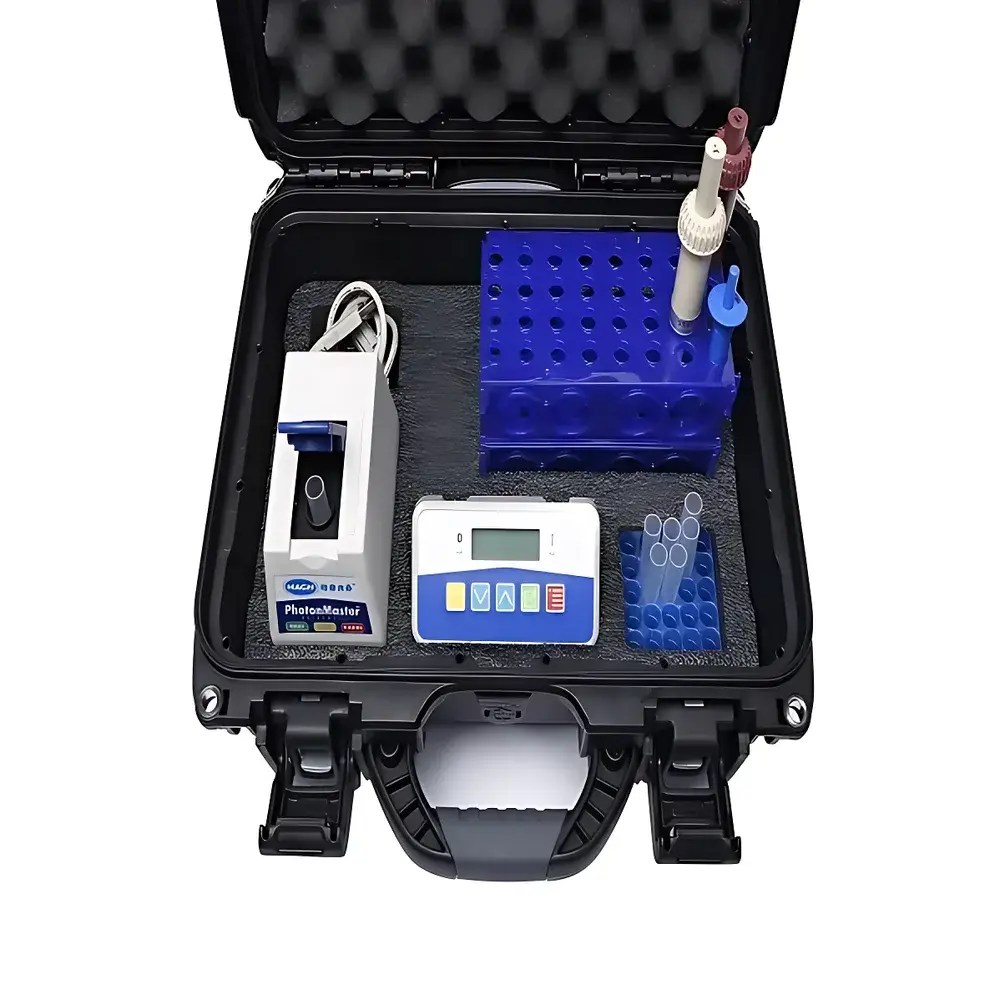
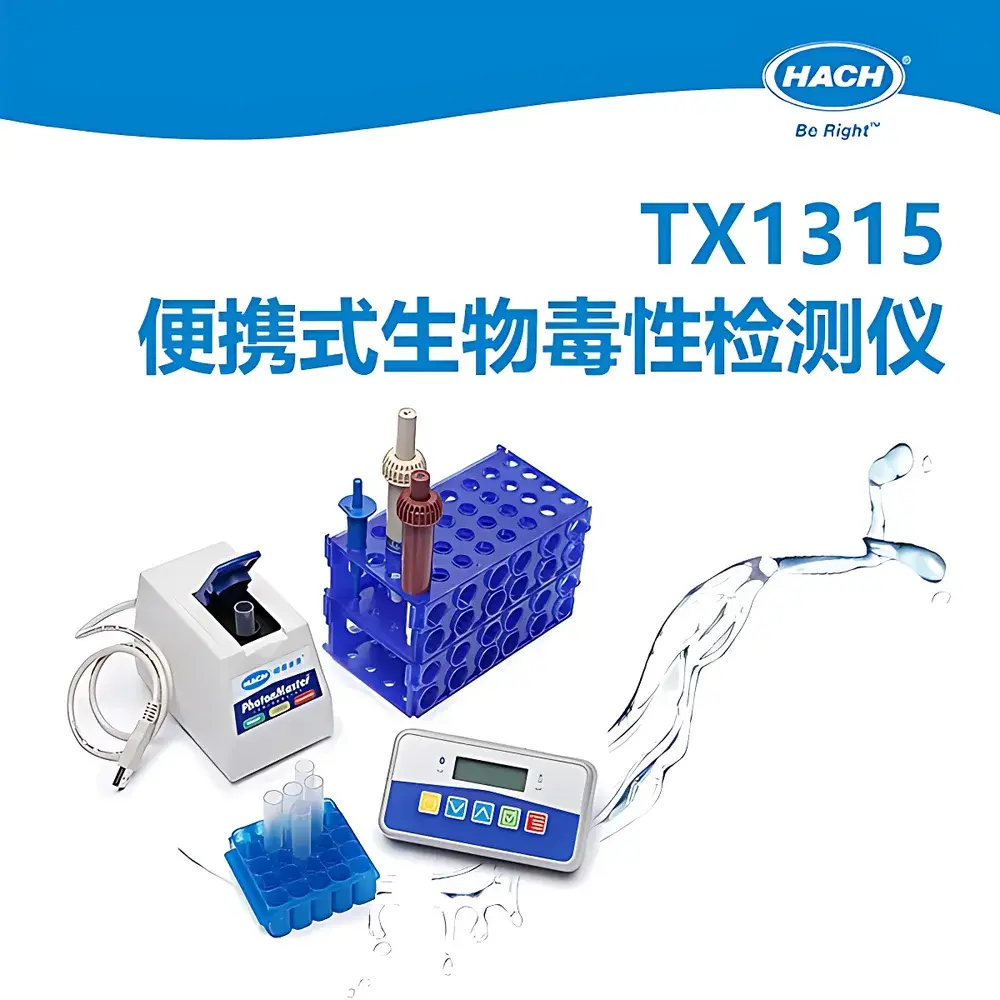
HACH TX1315 Portable Water Toxicity Analyzer
| Brand | HACH |
|---|---|
| Origin | Imported |
| Manufacturer Type | Original Equipment Manufacturer (OEM) |
| Model | TX1315 |
| Instrument Type | Field-Portable |
| Biological Indicator | *Aliivibrio fischeri* (formerly *Vibrio fischeri*) bioluminescent bacteria |
| Operating Temperature Range | +5 °C to +45 °C |
| Storage Temperature Range | −10 °C to +50 °C |
| Reagent Temperature Range | +5 °C to +45 °C |
| Batch Capacity | Up to 50 sequential tests per reagent kit (wastewater matrix) |
| Detection Time | <15 minutes for luminescence-based toxicity assay |
| Measurement Principle | Bioluminescence inhibition assay (ISO 11348-3 compliant) and ATP bioluminescence quantification (ISO 22192 & EPA 1605B aligned) |
Overview
The HACH TX1315 Portable Water Toxicity Analyzer is an engineered field-deployable instrument designed for rapid, on-site assessment of acute aquatic toxicity and microbial viability in water matrices. It operates on two complementary bioluminescence-based measurement principles: (1) the standardized *Aliivibrio fischeri* bioluminescence inhibition assay—internationally recognized under ISO 11348-3 for evaluating the combined toxic effect of pollutants such as heavy metals, organophosphates, neurotoxic agents, and pesticide formulations; and (2) ATP (adenosine triphosphate) quantification via firefly luciferase–luciferin reaction, aligned with ISO 22192 and U.S. EPA Method 1605B for rapid estimation of viable microbial biomass in drinking water, wastewater, and surface water samples. Unlike benchtop or online systems requiring laboratory infrastructure, the TX1315 integrates optical detection, temperature-controlled reaction cuvettes, and embedded signal processing into a ruggedized, battery-powered platform certified for IP67 environmental protection. Its design prioritizes operational robustness in emergency response scenarios—including chemical spill incidents, post-disaster water screening, and border security applications—while maintaining metrological traceability to reference methods.
Key Features
- Ruggedized portable chassis with shock-absorbing housing and sealed optical path, rated IP67 for dust/water ingress resistance
- Dual-mode operation: switch seamlessly between *A. fischeri* toxicity mode and ATP microbial activity mode via intuitive touchscreen interface
- Integrated thermoregulated sample chamber ensuring precise +5 °C to +45 °C control during both assay incubation and luminescence readout
- Auto-calibrating photomultiplier tube (PMT) detector with linear dynamic range spanning 101–106 relative light units (RLU), enabling quantification across low- and high-toxicity ranges
- Onboard data logging with timestamped results, GPS tagging (optional external module), and encrypted export via USB or Bluetooth 5.0
- Preloaded assay protocols compliant with ISO 11348-3 (toxicity) and ISO 22192 (ATP), supporting GLP/GMP-aligned audit trails
Sample Compatibility & Compliance
The TX1315 accepts raw, filtered, or centrifuged aqueous samples—including raw sewage, industrial effluents, drinking water, groundwater, and surface runoff—without pre-dilution in most cases. Sample volume requirement is 2.0 mL per test. The system accommodates turbid and colored matrices through algorithmic background luminescence subtraction and adaptive gain control. All toxicity assays are validated against ISO 11348-3 using freeze-dried *A. fischeri* lyophilized cultures supplied in single-use vials. ATP testing utilizes thermostable recombinant luciferase and stabilized luciferin reagents compatible with EPA 1605B performance criteria. Instrument firmware supports 21 CFR Part 11-compliant user authentication, electronic signatures, and immutable audit logs—enabling direct integration into regulated environmental monitoring programs.
Software & Data Management
The embedded HACH TX Software Suite (v3.2+) provides real-time assay visualization, dose–response curve generation (EC50 calculation), and statistical outlier detection per batch. Data exports conform to ASTM E2500-18 structured reporting standards and support CSV, PDF, and XML formats. Optional cloud synchronization enables centralized dashboard monitoring across multi-site deployments via HACH Connect™—with role-based access control, automated QC flagging, and versioned method storage. All software modules undergo annual validation per IEC 62304 Class B medical device software requirements, reflecting the instrument’s use in public health decision-making contexts.
Applications
- Emergency response screening following chemical spills, industrial accidents, or natural disasters
- Regulatory compliance monitoring at wastewater treatment plant influent/effluent points
- Drinking water safety verification during source water contamination events
- Pharmaceutical manufacturing facility environmental monitoring (cleanroom surfaces, purified water loops)
- Field-based ecological risk assessment in rivers, lakes, and estuarine systems
- Border control and customs laboratories for rapid detection of illicit toxicants or bioweapon simulants
FAQ
Is the TX1315 certified for regulatory reporting under national or international frameworks?
Yes—the instrument’s toxicity assay protocol is fully aligned with ISO 11348-3, and its ATP module meets ISO 22192 and U.S. EPA Method 1605B specifications. Firmware and data handling comply with 21 CFR Part 11 for electronic records in regulated environments.
What is the shelf life and storage condition for the bioluminescent reagents?
Freeze-dried *A. fischeri* vials retain viability for ≥18 months when stored at −20 °C; ATP reagents remain stable for 12 months refrigerated (2–8 °C) and 72 hours at ambient temperature after reconstitution.
Can the TX1315 differentiate between specific toxicants (e.g., heavy metals vs. organophosphates)?
No—it measures integrated acute toxicity response and does not identify individual compounds. Confirmatory analysis requires GC-MS, ICP-MS, or immunoassay follow-up.
Does the instrument require annual calibration by an authorized service provider?
Yes—HACH recommends annual optical verification and PMT linearity check using NIST-traceable luminance standards, documented in accordance with ISO/IEC 17025.
Is remote firmware update supported?
Yes—secure over-the-air (OTA) updates are available via HACH Connect™, with cryptographic signature verification and rollback capability.
Related Products







