
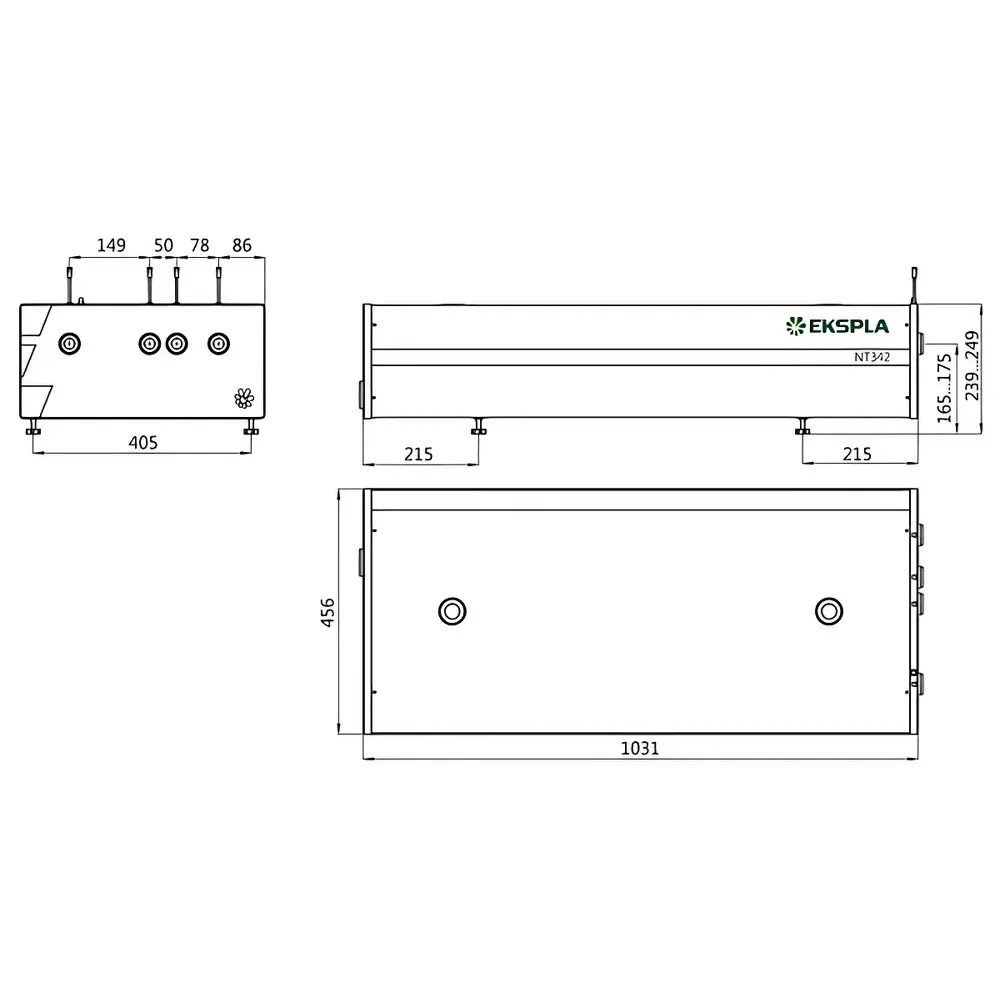
Ekspla NT340 High-Energy Tunable OPO Laser System
| Brand | Ekspla |
|---|---|
| Origin | Lithuania |
| Manufacturer Type | Original Equipment Manufacturer (OEM) |
| Product Category | Imported Scientific Instrument |
| Model | NT340 |
| Core Architecture | Diode-Pumped Nd:YAG Solid-State Laser + Integrated Nanosecond Optical Parametric Oscillator (OPO) |
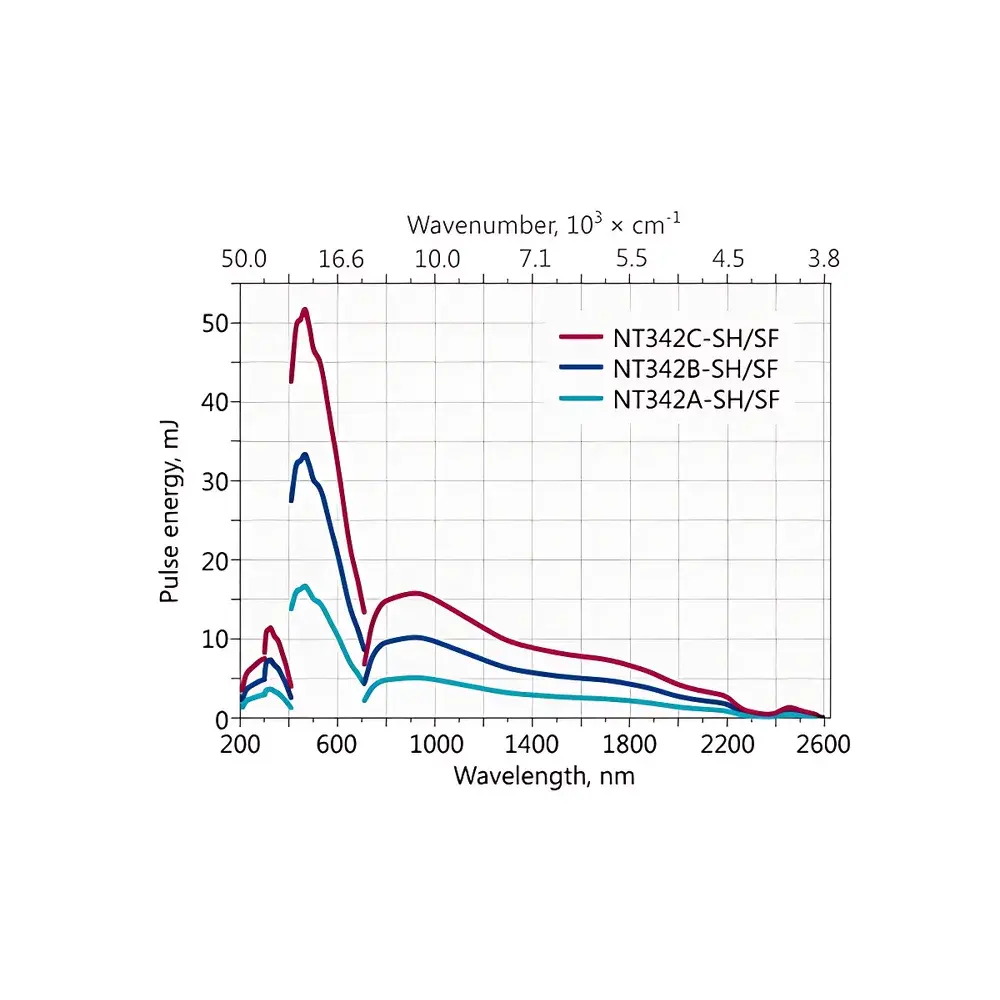
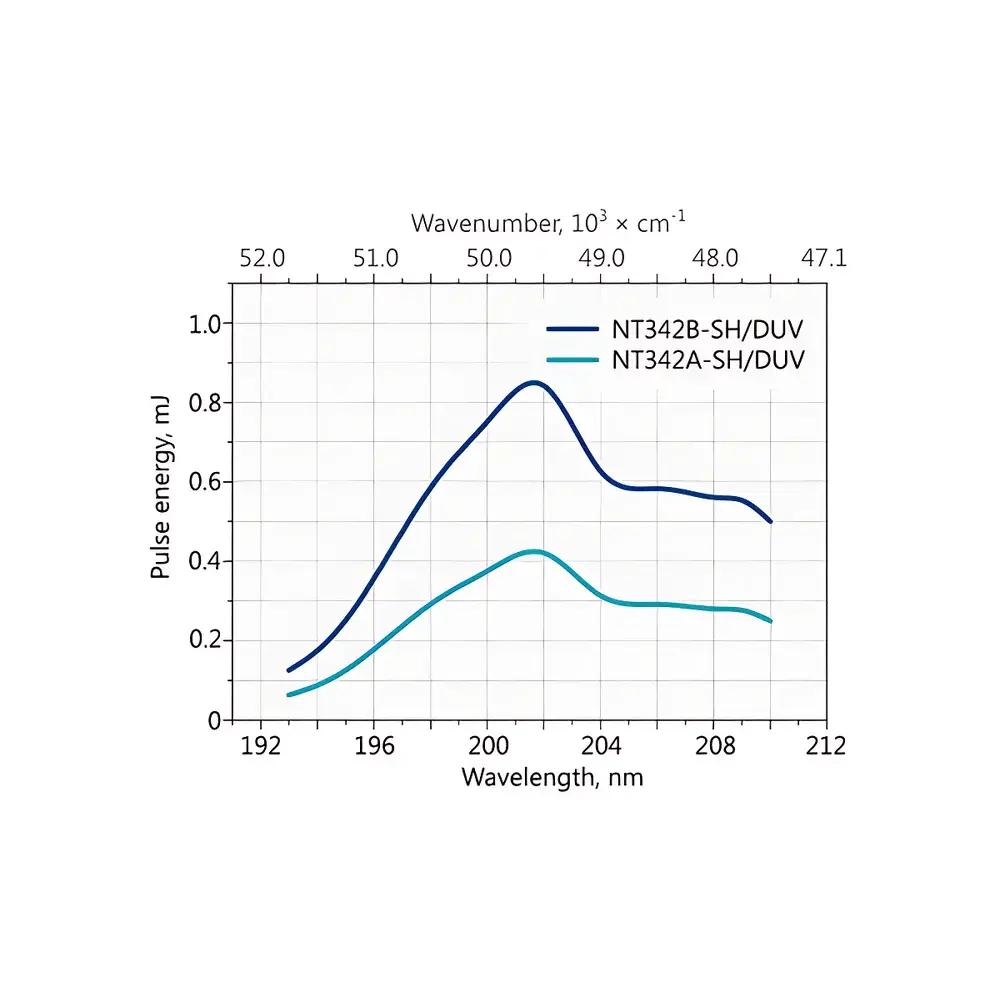
| Tuning Range | 420–2300 nm (standard), extendable to 210 nm via harmonic generation |
| Output Energy (Visible, 420–700 nm) | Up to 30 mJ/pulse |
| Spectral Linewidth | < 5 cm⁻¹ |
| Pulse Duration | 4–6 ns (FWHM) |
| Repetition Rate | 10 Hz or 20 Hz (selectable) |
| Pump Wavelengths | 355 nm, 532 nm, 1064 nm (internally selectable) |
| OPO Pump Energy Adjustment | Continuous, motorized control |
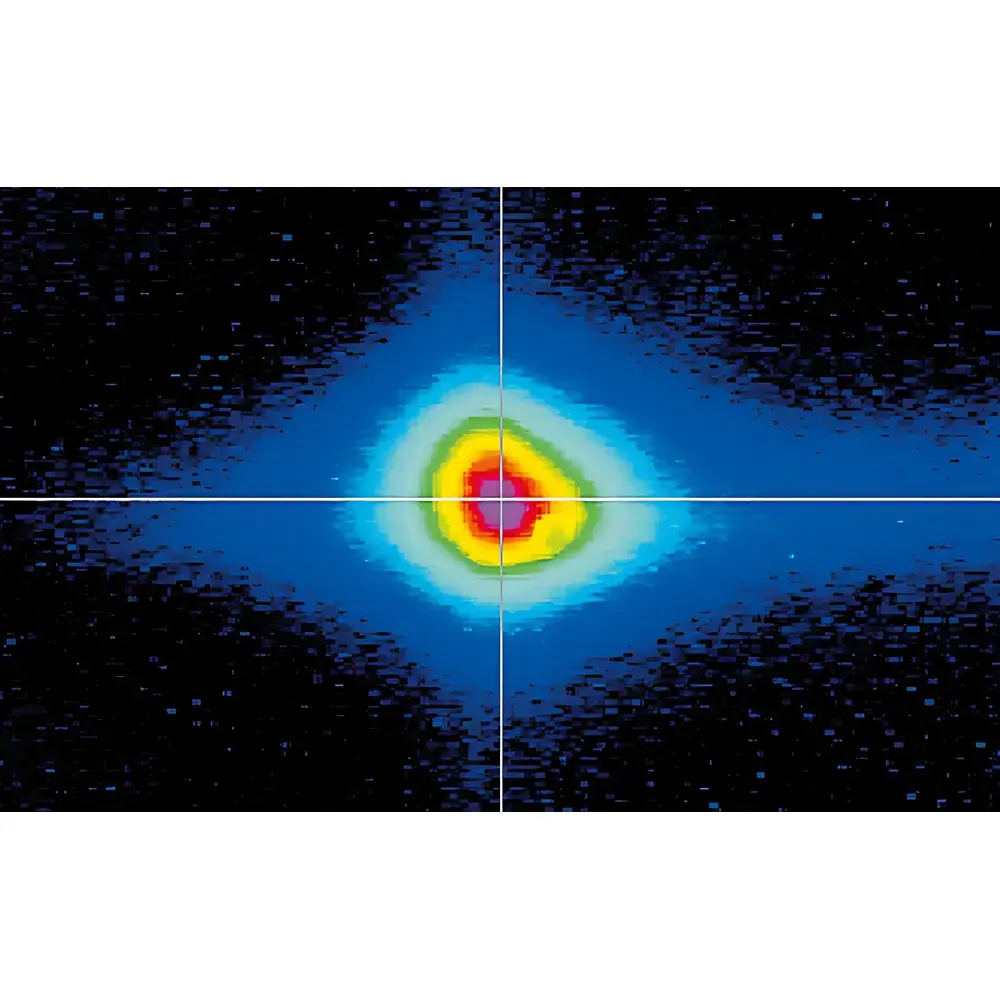
| Beam Delivery | Collimated, TEM₀₀-like spatial profile |
| Control Interface | RS-232 serial port + LabVIEW-compatible drivers |
| Remote Operation | Dedicated handheld controller with real-time parameter feedback |
| Compliance | CE-marked, RoHS-compliant, Class 4 Laser Product per IEC 60825-1 |
Overview
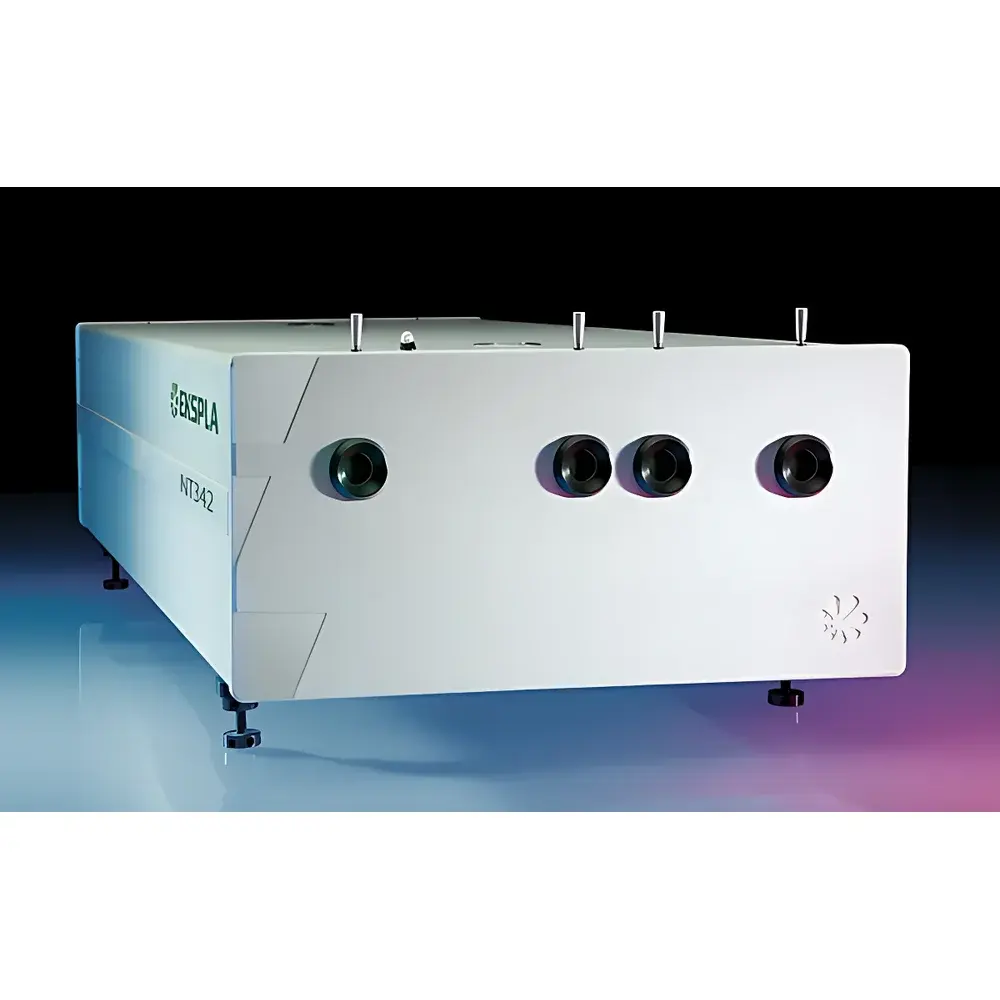
The Ekspla NT340 is a turnkey, high-energy tunable laser system built around a diode-pumped, Q-switched Nd:YAG solid-state master oscillator and an integrated nanosecond optical parametric oscillator (OPO). Engineered for precision spectroscopy, nonlinear optics research, and time-resolved photophysics, the NT340 delivers broad spectral coverage—from 420 nm to 2300 nm—with optional extension into the deep ultraviolet (210 nm) via intracavity harmonic generation. Its core architecture separates the pump laser beam path from the OPO output, enabling simultaneous access to fundamental pump wavelengths (1064 nm, 532 nm, 355 nm) and widely tunable signal/idler beams. The system operates at fixed repetition rates of 10 Hz or 20 Hz, ensuring stable pulse-to-pulse energy stability and thermal management under extended duty cycles. All critical optical components—including cavity mirrors, nonlinear crystals (e.g., BBO, KTP, LiNbO₃), and wavelength-selective elements—are pre-aligned and sealed within a rigid, temperature-stabilized enclosure, minimizing alignment drift and maximizing long-term operational reproducibility.
Key Features
- Integrated dual-output design: Independent access to high-energy pump beams (1064/532/355 nm) and continuously tunable OPO output (420–2300 nm)
- Motorized, software-controlled OPO crystal angle tuning for precise, repeatable wavelength selection across full spectral range
- Optimized conversion efficiency: Achieves >15% signal+idler energy conversion from 355 nm pump at peak wavelengths
- Nanosecond pulse fidelity: Temporal pulse width maintained at 4–6 ns FWHM across entire tuning range, verified by fast photodiode + oscilloscope calibration
- LabVIEW-ready architecture: Full command set implemented via RS-232 protocol; includes driver libraries, VI examples, and error-handling routines for automated experiment sequencing
- Dedicated handheld remote controller with OLED display: Enables real-time adjustment of wavelength, repetition rate, pump energy, and safety interlock status without PC dependency
- Thermally managed housing: Active air cooling with internal temperature monitoring ensures < ±0.5 °C stability of nonlinear crystal mounts during 8-hour continuous operation
Sample Compatibility & Compliance
The NT340 is compatible with standard optical tables, kinematic mirror mounts, and vacuum-compatible beam delivery systems (e.g., fused silica lenses, CaF₂ windows, reflective off-axis paraboloids). Its output beam meets ISO 11146-1 requirements for M² measurement and exhibits near-diffraction-limited divergence (< 2 mrad full angle). As a Class 4 laser product, it complies fully with IEC 60825-1:2014 and carries CE marking for use in EU laboratories. Safety features include key-switched enable circuitry, redundant shutter control, emission indicator LEDs, and hardware-enforced interlock loops meeting EN 61511 SIL-2 requirements. For regulated environments, the system supports audit-trail logging when integrated with compliant LabVIEW applications adhering to FDA 21 CFR Part 11 principles (electronic signatures, data integrity controls).
Software & Data Management
Control is executed through Ekspla’s native NT340 Control Suite (Windows 10/11 x64), providing GUI-based wavelength scanning, energy profiling, and pulse synchronization setup. All parameters—wavelength, pump energy, repetition rate, crystal position—are logged with timestamps and stored in HDF5 format for traceability. The RS-232 interface implements ASCII command-response protocol with CRC checksum validation. LabVIEW drivers include VIs for wavelength sweep automation, trigger delay calibration, and multi-instrument synchronization (e.g., with streak cameras or gated ICCDs). Raw spectral data export supports .csv and .mat formats, enabling direct import into Igor Pro, MATLAB, or Python-based analysis pipelines (e.g., SciPy, LMFIT).
Applications
- Time-resolved fluorescence and phosphorescence spectroscopy in condensed-phase and gas-phase samples
- Pump-probe transient absorption studies requiring synchronized tunable excitation and broadband probe sources
- Photoacoustic imaging calibration and multispectral tissue characterization
- Remote sensing simulation using differential absorption lidar (DIAL) wavelengths
- Nonlinear frequency conversion benchmarking (e.g., SHG, SFG, DFG) in novel crystal platforms
- Calibration source for FTIR spectrometers, monochromators, and hyperspectral sensors
- Photolysis kinetics experiments targeting specific electronic/vibrational transitions in atmospheric chemistry models
FAQ
What is the typical warm-up time required before achieving spectral stability?
The NT340 achieves wavelength and energy stability within 20 minutes after power-on, following a factory-calibrated thermal equilibration sequence.
Can the system be upgraded to support higher repetition rates beyond 20 Hz?
No—the NT340’s thermal design and flashlamp pumping architecture are optimized exclusively for 10 Hz and 20 Hz operation. Higher repetition rates require alternative platforms such as Ekspla’s FemtoLux or Atlantic series.
Is third-party crystal replacement supported under warranty?
Only Ekspla-certified nonlinear crystals installed by authorized service personnel maintain system calibration and safety certification. Unauthorized crystal substitution voids optical performance warranties.
Does the RS-232 interface support hardware flow control (RTS/CTS)?
Yes—full RTS/CTS handshaking is implemented and enabled by default in firmware v2.4.1 and later.
How is beam pointing stability quantified over 8 hours of continuous operation?
Beam pointing deviation remains ≤ 15 µrad RMS (measured at 1/e² intensity centroid) when operated within specified ambient temperature (18–25 °C) and humidity (< 60% RH, non-condensing).




