
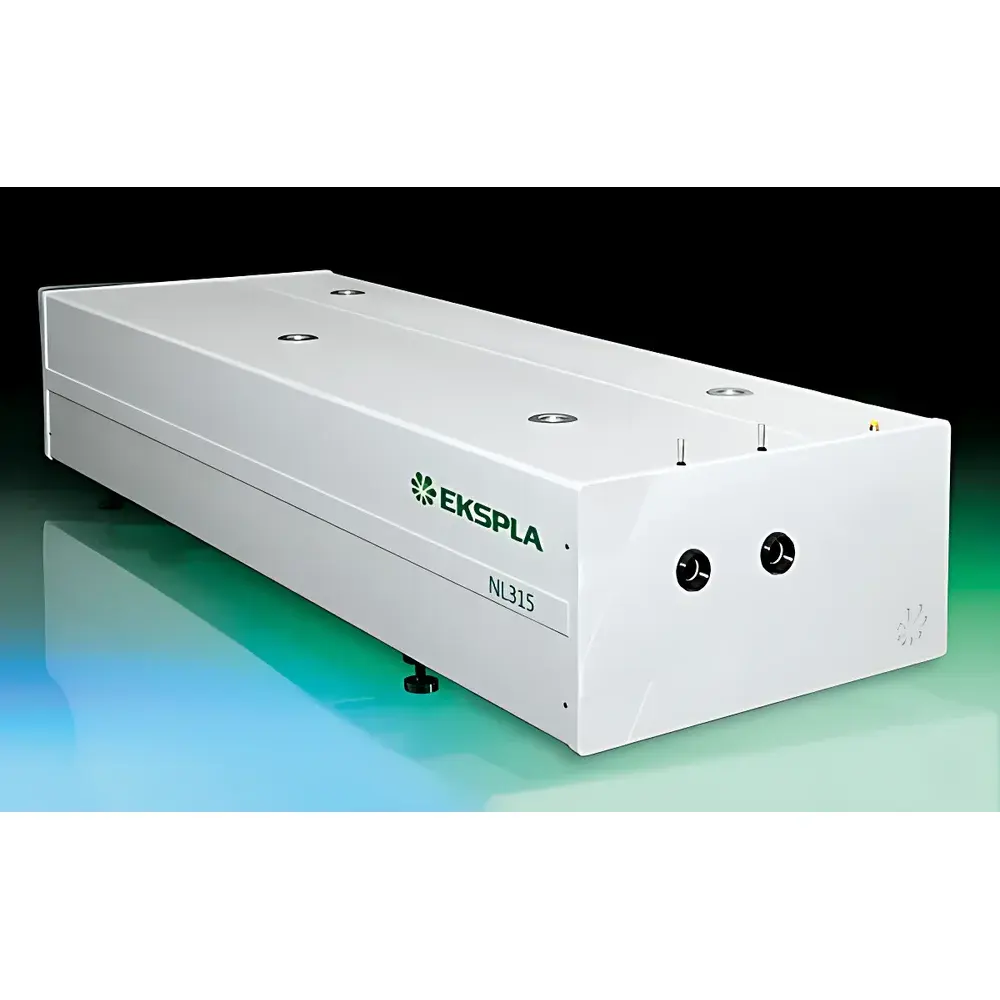
Ekspla NL310 High-Energy Nanosecond Q-Switched Laser System
| Brand | Ekspla |
|---|---|
| Origin | Lithuania |
| Model | NL310 |
| Pulse Energy | up to 10 J |
| Pulse Width | 4–6 ns (FWHM) |
| Repetition Rate | 10 Hz or 20 Hz |
| RMS Pulse Energy Stability | < 0.5% |
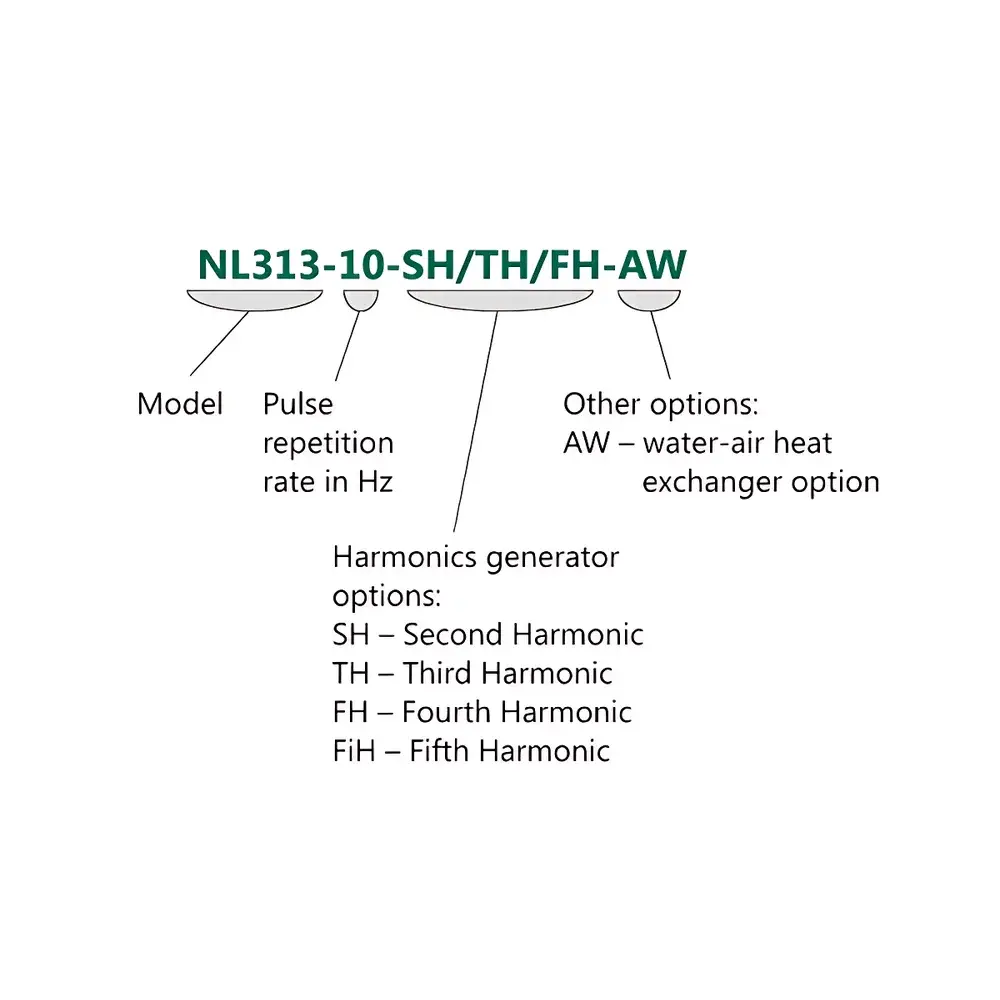
| Harmonic Generation | Integrated temperature-stabilized 2nd–5th harmonic modules |
| Trigger Jitter | < 1 ns (internal/external sync) |
| Control Interface | Handheld controller + USB-CAN interface |
| Laser Type | Diode-pumped solid-state (DPSS), Nd:YAG-based |
Overview
The Ekspla NL310 is a high-energy, diode-pumped solid-state (DPSS) nanosecond Q-switched laser system engineered for demanding scientific and industrial applications requiring robust pulse-to-pulse stability, precise temporal control, and scalable optical power. Based on a master oscillator–power amplifier (MOPA) architecture with Nd:YAG gain media, the NL310 delivers up to 10 J per pulse at 1064 nm with a near-transform-limited pulse duration of 4–6 ns (FWHM). Its thermally stabilized resonator and rigid monolithic laser head ensure long-term alignment integrity and minimal thermal drift—critical for pump-probe experiments, nonlinear frequency conversion, and high-repetition-rate plasma generation. Designed and manufactured in Vilnius, Lithuania, the NL310 complies with IEC 60825-1:2014 for Class 4 laser safety and meets CE marking requirements for electromagnetic compatibility (EMC) and low-voltage directives.
Key Features
- High pulse energy output: up to 10 J at 1064 nm, scalable via optional harmonic generators
- Exceptional pulse-to-pulse stability: < 0.5% RMS energy fluctuation over 8 hours under standard lab conditions
- Precise temporal performance: < 1 ns jitter for internal or external triggering, enabling synchronization with ultrafast diagnostics and gated detectors
- Integrated harmonic generation: factory-aligned, temperature-stabilized modules for 532 nm (2ω), 355 nm (3ω), 266 nm (4ω), and 213 nm (5ω) outputs—each with independent attenuation and beam steering
- Dual repetition rate operation: selectable 10 Hz or 20 Hz modes optimized for thermal management and average power delivery
- Robust control architecture: dual-interface operation via ergonomic handheld controller and industrial-grade USB-CAN bus, supporting remote scripting and integration into automated test benches
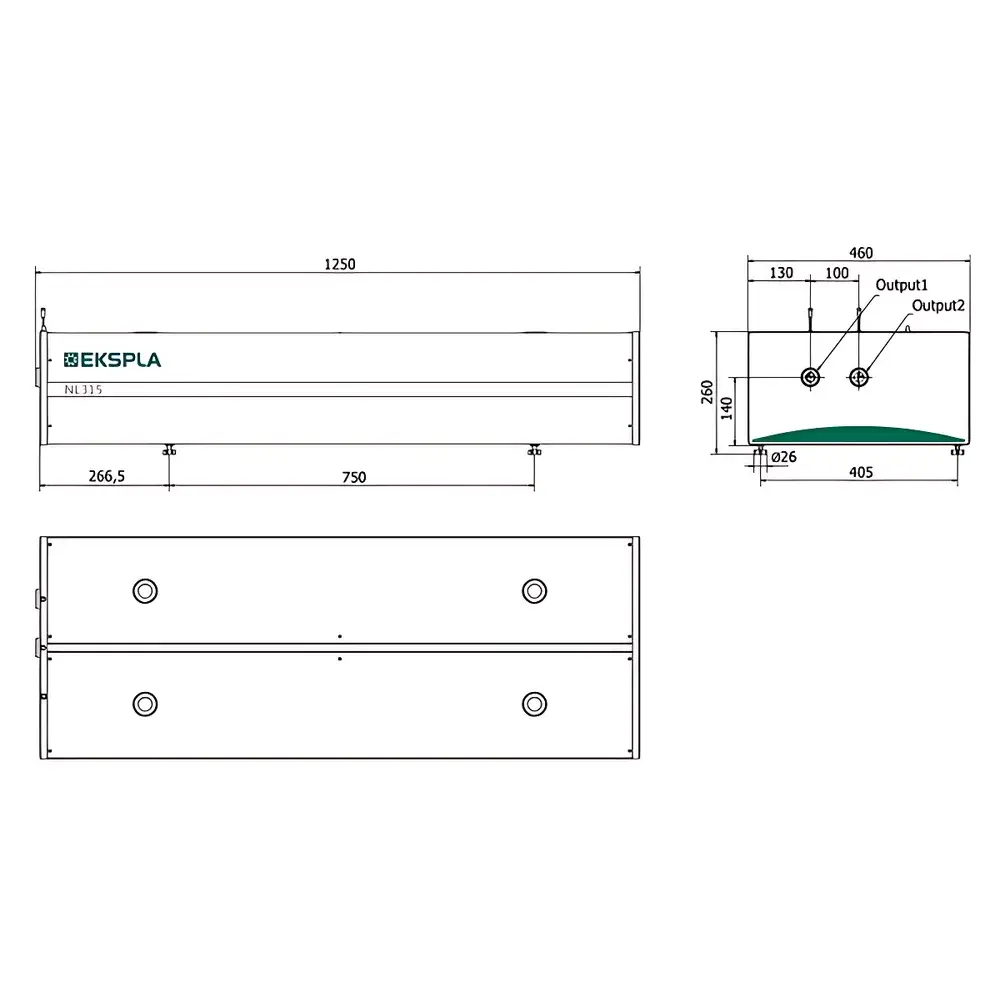
- Passively cooled, vibration-damped laser head: aluminum alloy housing with precision-machined optical mounts; no active water cooling required for nominal operation
Sample Compatibility & Compliance
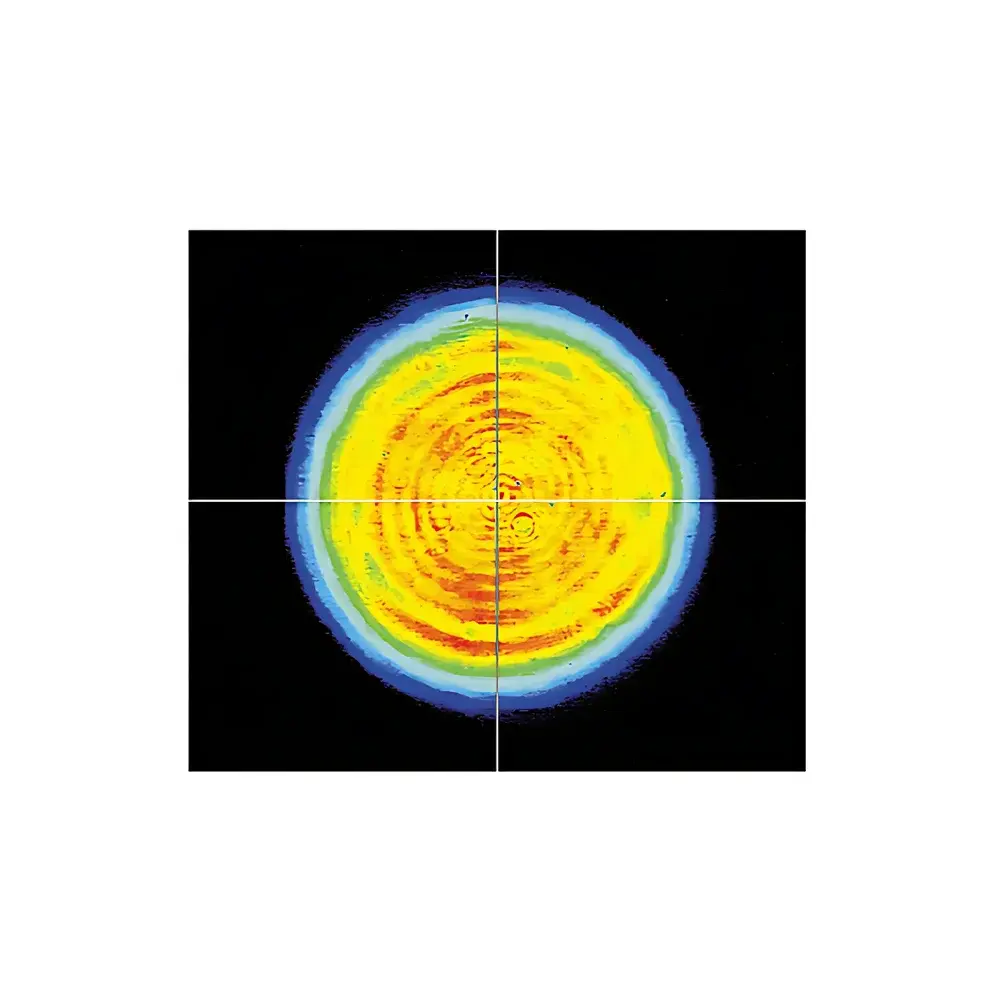
The NL310 is compatible with a broad range of optical components and downstream systems—including optical parametric oscillators (OPOs), Ti:sapphire amplifiers, dye laser pump cavities, and high-finesse interferometric diagnostics. Its beam profile (M² < 2.5) and pointing stability (< 10 µrad over 8 h) meet ISO 11146-1 requirements for beam characterization. All harmonic modules are certified to ISO 9001:2015 manufacturing standards and comply with RoHS 2011/65/EU restrictions on hazardous substances. For regulated environments, the system supports audit-ready log export (timestamped trigger events, energy monitor readings, thermal sensor data) suitable for GLP-compliant laboratories and ISO/IEC 17025-accredited testing facilities.
Software & Data Management
Ekspla’s proprietary LaserControl Suite provides cross-platform (Windows/Linux) configuration, real-time monitoring, and script-driven automation. The software logs all operational parameters—including pulse energy (via integrated pyroelectric sensor), cavity temperature, diode current, and harmonic conversion efficiency—with timestamp resolution ≤ 1 ms. Export formats include CSV, HDF5, and MATLAB-compatible .mat files. USB-CAN interface enables seamless integration with LabVIEW, Python (via CANopen libraries), or custom SCADA systems. Audit trails adhere to ALCOA+ principles (Attributable, Legible, Contemporaneous, Original, Accurate, Complete, Consistent, Enduring, Available), satisfying documentation requirements for FDA 21 CFR Part 11–compliant workflows where electronic records are retained.
Applications
- Pumping tunable OPOs and Ti:sapphire amplifier chains for ultrafast spectroscopy and coherent anti-Stokes Raman scattering (CARS)
- Plasma generation and time-resolved emission spectroscopy (TRES) in LIBS and laser-induced breakdown diagnostics
- Nonlinear optical studies including sum-frequency generation (SFG), difference-frequency generation (DFG), and high-harmonic generation (HHG) in gas-phase targets
- Remote sensing via LIDAR configurations using eye-safe harmonics (e.g., 532 nm) with gated ICCD detection
- Material ablation, thin-film patterning, and surface texturing in vacuum or controlled-atmosphere chambers
- Calibration of high-dynamic-range photodetectors and radiometric reference standards traceable to NIST SRM protocols
FAQ
What is the maximum achievable pulse energy at 532 nm?
At 532 nm (second harmonic), the NL310 delivers up to 5.2 J per pulse with >65% conversion efficiency from fundamental output, depending on thermal loading and harmonic crystal temperature setpoint.
Can the NL310 be operated in burst mode?
No—the NL310 is designed for stable single-pulse or fixed-rate (10/20 Hz) operation; burst-mode capability requires external pulse picking and is not supported by default firmware.
Is the laser compatible with third-party harmonic generators?
While the NL310 includes fully integrated, factory-optimized harmonic modules, its 1064 nm output beam meets ISO 11146 beam quality specifications, enabling retrofitted use with external BBO/LBO crystals when configured with appropriate beam expansion and collimation optics.
Does the system include a built-in energy meter?
Yes—a calibrated pyroelectric energy sensor is embedded in the beam path upstream of the harmonic module, providing real-time pulse energy readout with ±2% uncertainty (NIST-traceable calibration certificate included).
What maintenance intervals are recommended for long-term reliability?
Laser diode arrays are rated for >1 billion shots; routine maintenance includes quarterly inspection of thermal interface compounds, annual verification of harmonic crystal alignment, and biannual recalibration of the internal energy monitor per ISO/IEC 17025 procedures.




