
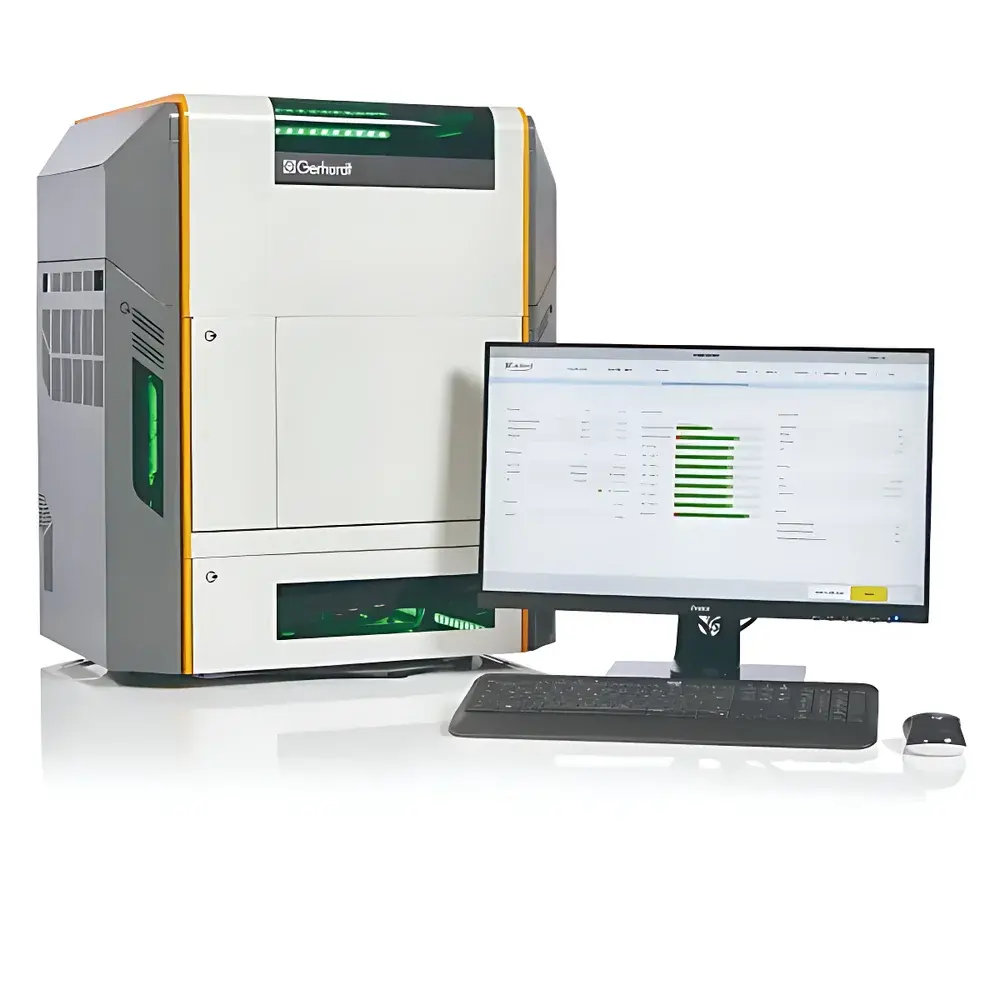
Gerhardt N-Realyzer Dumas Nitrogen Determinator
| Brand | Gerhardt |
|---|---|
| Origin | Germany |
| Manufacturer | C. Gerhardt GmbH & Co. KG |
| Instrument Type | Dumas Combustion Method |
| Automation Level | Fully Automatic |
| Repeatability | RSD < 0.5% |
| Sample Weight Capacity | up to 1 g |
| Nitrogen Recovery Rate | ≥ 99.5% |
| Power Consumption | 1400 W |
| Dimensions (L × W × H) | 600 × 550 × 722 mm |
Overview
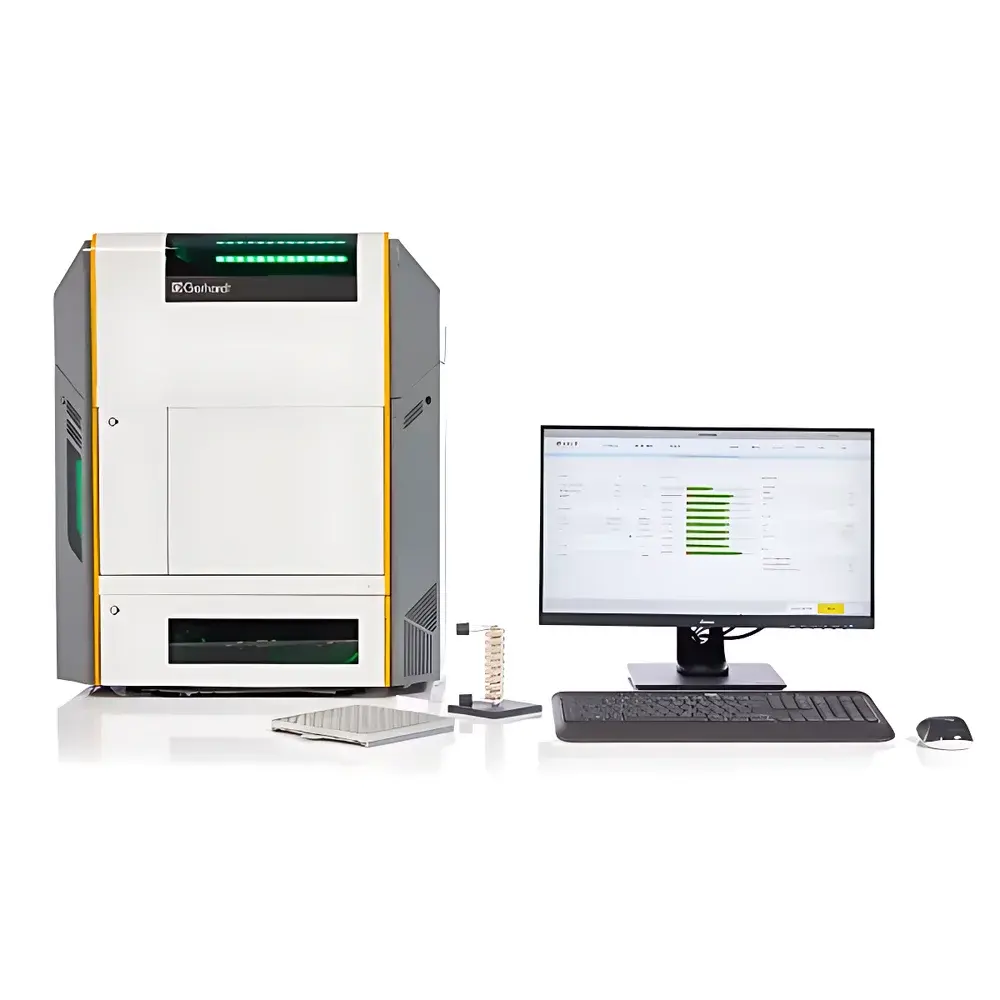
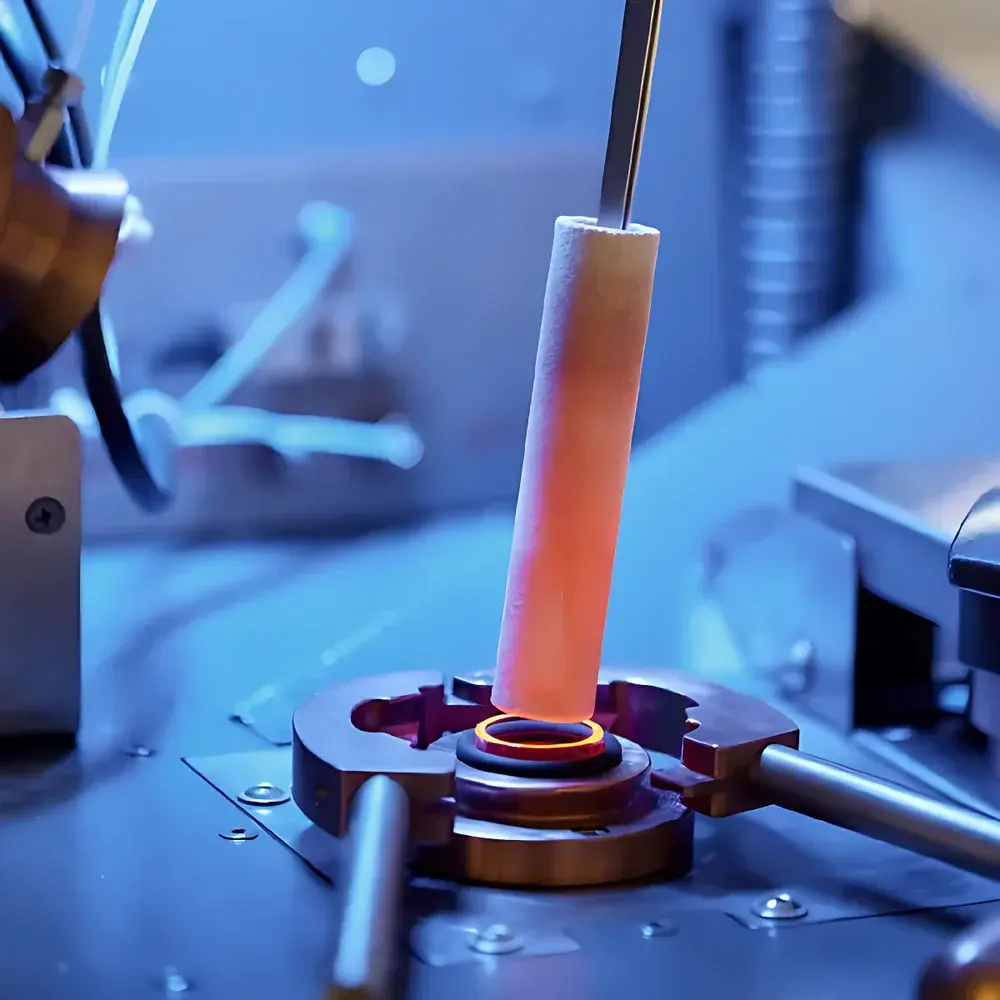
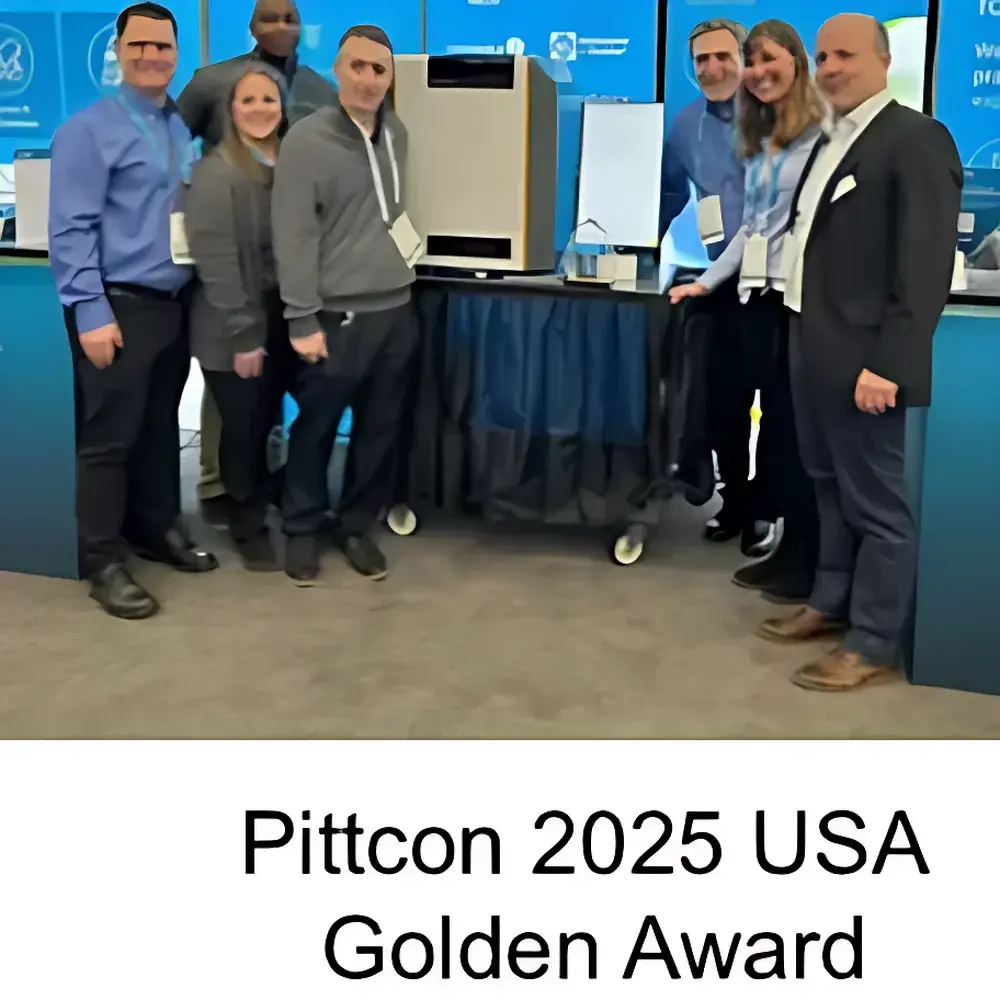
The Gerhardt N-Realyzer is a fully automated Dumas combustion-based elemental nitrogen determinator engineered for high-precision, high-throughput total nitrogen and protein analysis in modern analytical laboratories. Operating on the principle of high-temperature oxidative combustion (900–1100 °C) in a pure oxygen atmosphere, the instrument quantitatively converts all organic and inorganic nitrogen compounds in solid or liquid samples into molecular nitrogen (N₂). The resulting gas stream—comprising N₂, CO₂, H₂O, and residual O₂—is subjected to sequential removal of interfering components (H₂O via membrane dryer; CO₂ via soda lime trap), followed by selective detection of purified N₂ using a high-stability thermal conductivity detector (TCD) with single-gas-path architecture. This design eliminates cross-sensitivity, ensures baseline stability, and delivers results within 2–4 minutes per sample. Certified with the Pittcon 2025 Golden Award, the N-Realyzer meets the stringent demands of regulated environments requiring traceable, auditable, and reproducible nitrogen quantification.
Key Features
- Fully automated workflow—from sample weighing and capsule loading to combustion, gas purification, detection, and data reporting—minimizing manual intervention and operator variability.
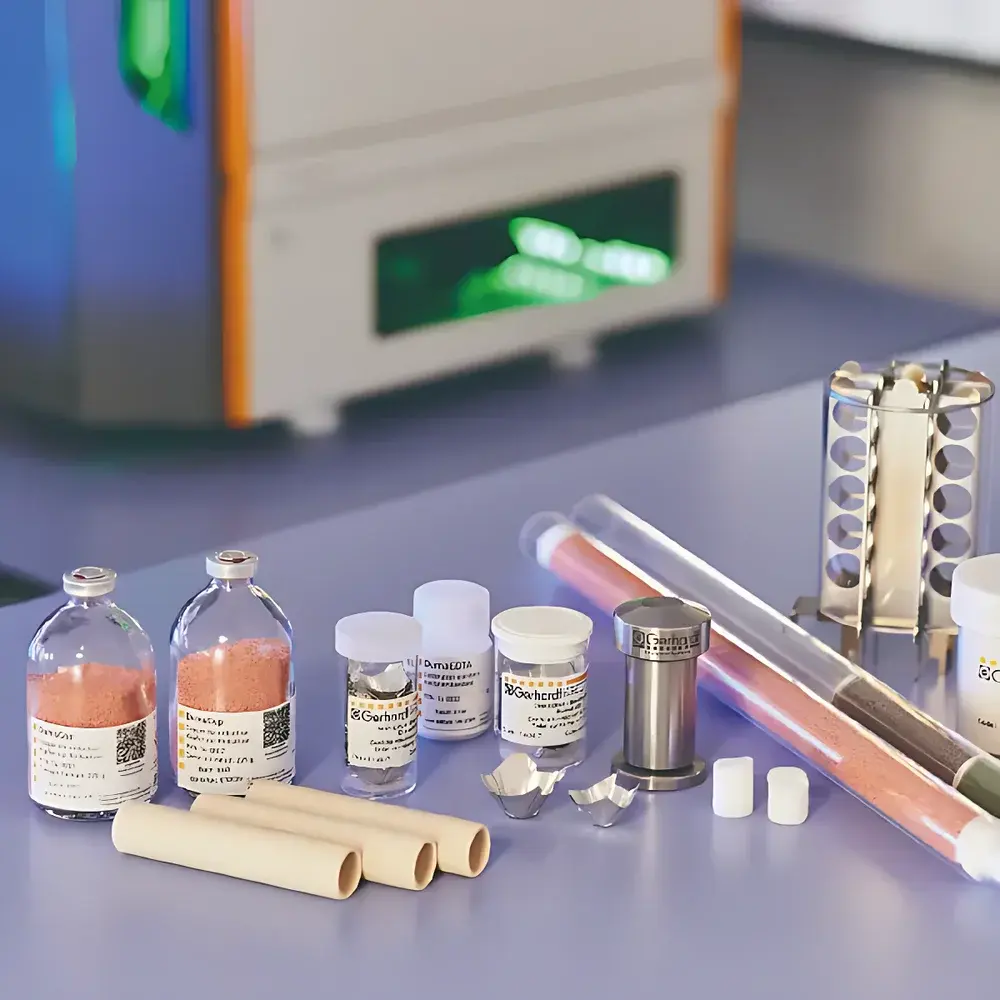
- Integrated, tool-free maintenance design: ceramic combustion tube, quartz liner, and catalyst cartridges are accessible without disassembly tools, reducing downtime and service complexity.
- Optimized gas management system: dynamic oxygen dosing adjusts O₂ volume per sample mass, while helium carrier flow is precisely regulated to minimize consumption without compromising resolution or retention time consistency.
- Robust safety architecture: integrated pressure monitoring, overtemperature cutoffs, CO detection, and fail-safe purge cycles ensure compliance with IEC 61010-1 for laboratory equipment safety.
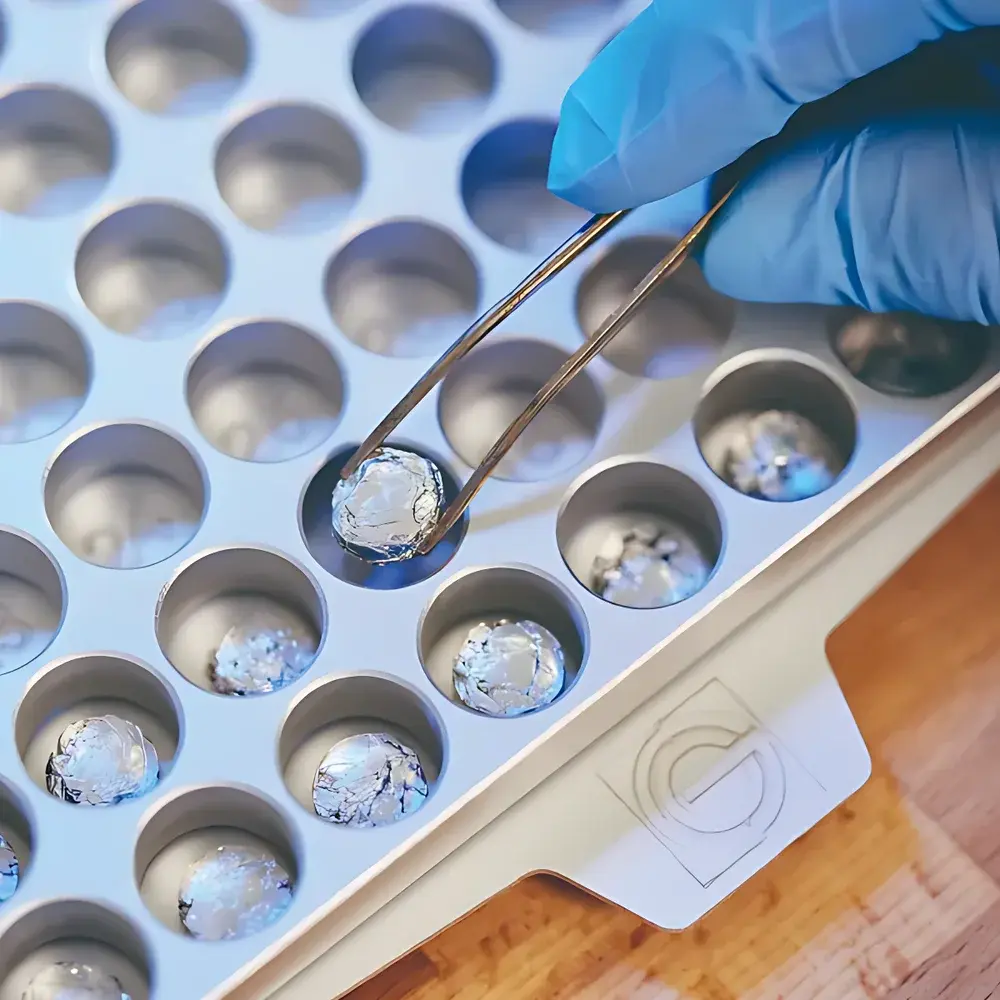
- Modular autosampler accommodating up to 100 positions, compatible with standard tin or silver capsules (including pre-weighed options), supporting unattended overnight operation.
Sample Compatibility & Compliance
The N-Realyzer accepts heterogeneous matrices without derivatization or digestion: solids (grains, feed, soil, plastics, tobacco), liquids (milk, wine, wastewater, enzyme solutions), and semi-solids (pasteurized dairy products, sludge, plant extracts). It complies with globally recognized standards including AOAC Official Methods 979.09, 992.15, 990.03, 997.09; ISO 14891, ISO 16634, DIN EN ISO 14891; DIN 11512-20, DIN 19684-4; and USP & FDA-relevant protocols for protein content verification in food, feed, and pharmaceutical excipients. All method parameters—including temperature ramp profiles, catalyst regeneration cycles, and TCD calibration intervals—are stored as auditable, user-editable methods aligned with GLP/GMP documentation requirements and 21 CFR Part 11-compliant electronic records.
Software & Data Management
Controlled via Gerhardt’s proprietary N-Control software, the system provides role-based access control, full audit trail logging (user actions, parameter changes, calibration events), and automatic generation of PDF reports compliant with ISO/IEC 17025 documentation standards. Raw chromatograms, peak integration parameters, and calibration curves are archived with timestamped metadata. Export options include CSV, XML, and LIMS-ready formats (ASTM E1384, ASTM E2500). Software validation packages—including IQ/OQ documentation templates and performance qualification protocols—are available upon request for regulated laboratories.
Applications
The N-Realyzer serves as a primary nitrogen quantification platform across food safety (protein labeling in dairy, meat, cereals), agricultural science (fertilizer efficacy, soil N-mineralization studies), environmental testing (wastewater TN, sediment nutrient load), and industrial R&D (polymer nitrogen content, tobacco alkaloid profiling, pharmaceutical excipient purity). Its ability to deliver sub-0.5% RSD across wide concentration ranges (0.01–99.9% N) enables reliable analysis of low-nitrogen matrices (e.g., purified water, refined sugars) and high-nitrogen materials (e.g., ammonium nitrate, urea formulations) without dilution or method switching.
FAQ
What combustion temperature range does the N-Realyzer operate at?
The furnace operates between 900 °C and 1100 °C, adjustable per method to ensure complete oxidation of refractory nitrogen species.
Is helium the only carrier gas supported?
Helium is the default carrier gas for optimal TCD sensitivity and stability; argon may be used under validated conditions for specific regulatory workflows.
How is catalyst lifetime monitored?
The software tracks cumulative combustion cycles and flags catalyst replacement based on signal drift thresholds and recovery rate trends—no manual logbook required.
Can the system be integrated into an existing LIMS?
Yes, via configurable ODBC drivers and HL7-compatible data export modules, supporting bidirectional communication with major LIMS platforms.
Does the N-Realyzer support nitrogen isotope ratio analysis (δ¹⁵N)?
No—this instrument is designed for total nitrogen quantification only; isotopic analysis requires coupling to an IRMS system.





