
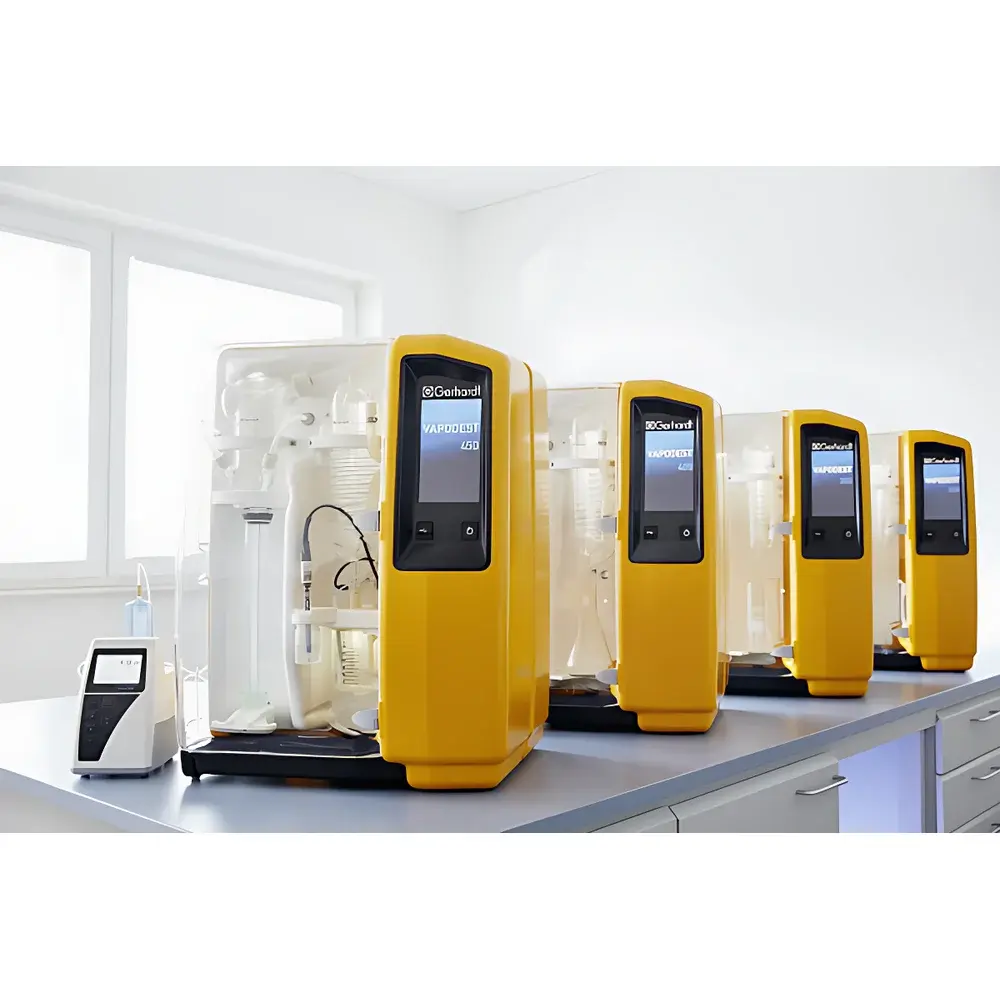
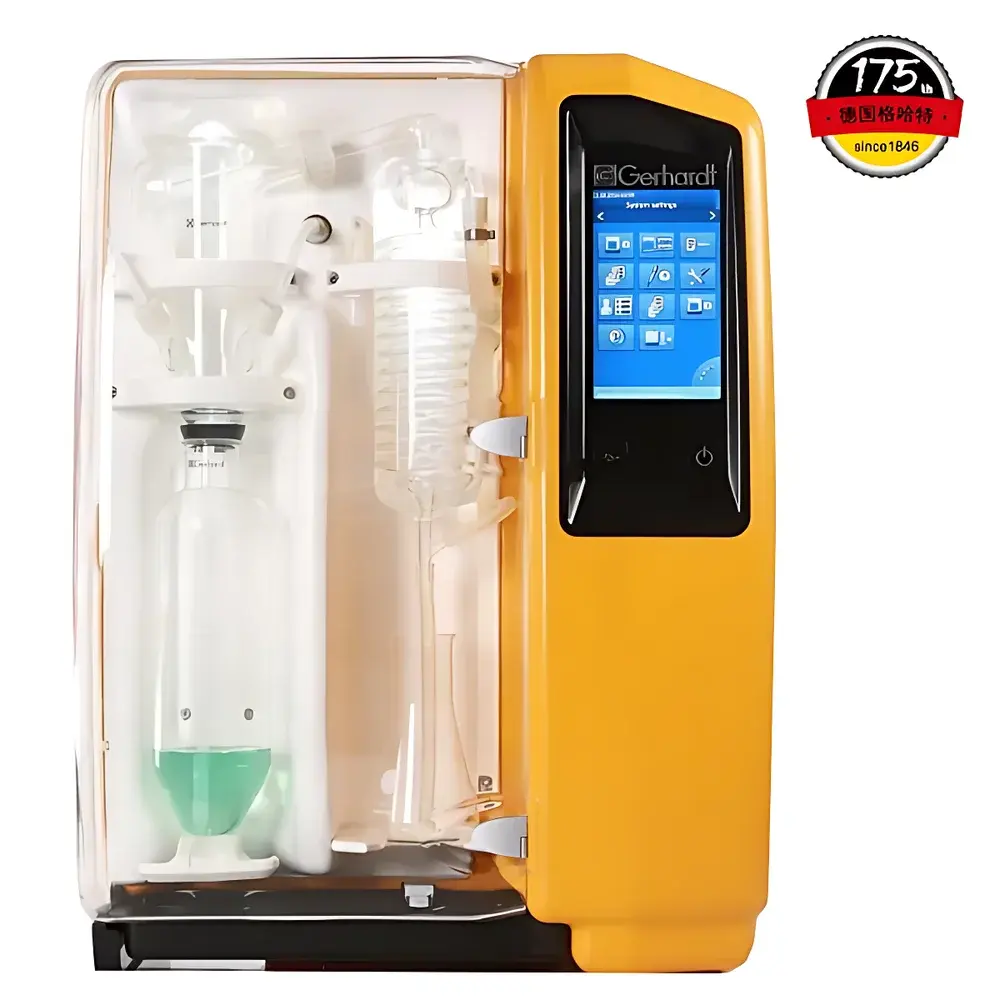
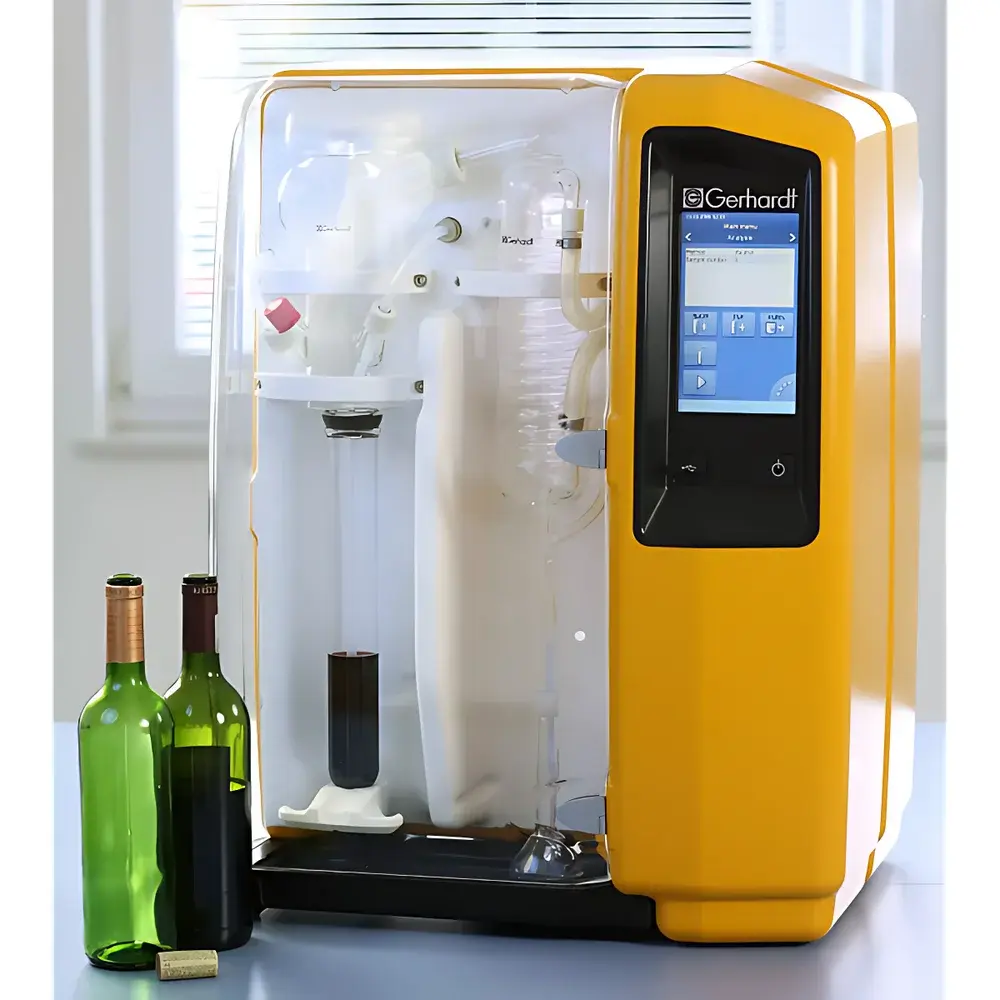
C. Gerhardt VAPODEST® 200 Programmable Steam Distillation Unit for Kjeldahl Nitrogen Determination
| Brand | C. Gerhardt |
|---|---|
| Origin | Germany |
| Manufacturer | C. Gerhardt GmbH & Co. KG |
| Type | Kjeldahl Nitrogen Determinator |
| Model | VAPODEST® 200 |
| Automation Level | Semi-Automatic |
| Nitrogen Range | 0.1–200 mg |
| Distillation Time | 2–4 min per sample |
| Repeatability | ±1% |
| Sample Weight (solid) | ≤5 g |
| Recovery Rate | 99.5% |
| Power Consumption | 2200 W |
| Dimensions (L×W×H) | 527 mm × 390 mm × 697 mm |
| Compatible Acid Titration Range | Universal (any standard acid concentration) |
Overview
The C. Gerhardt VAPODEST® 200 is a programmable, semi-automated steam distillation unit engineered specifically for Kjeldahl nitrogen determination in compliance with ISO 8968, AOAC 981.10, and DIN EN ISO 5983-1/2. It operates on the fundamental principle of controlled steam distillation: following acid digestion, alkaline liberation of ammonium ions (NH₄⁺ → NH₃) is achieved under precisely regulated steam pressure and temperature, followed by quantitative trapping of liberated ammonia in boric acid or other suitable receiving solutions. The VAPODEST® 200 delivers rapid, reproducible distillation cycles—typically 2 to 4 minutes per sample—by dynamically modulating steam generation between 10% and 100% via microprocessor-controlled steam generator feedback. Its robust stainless-steel and corrosion-resistant polymer housing ensures long-term stability in high-throughput laboratory environments, while integrated thermal safety mechanisms—including overheat protection and steam standby mode—guarantee operational continuity and user safety.
Key Features
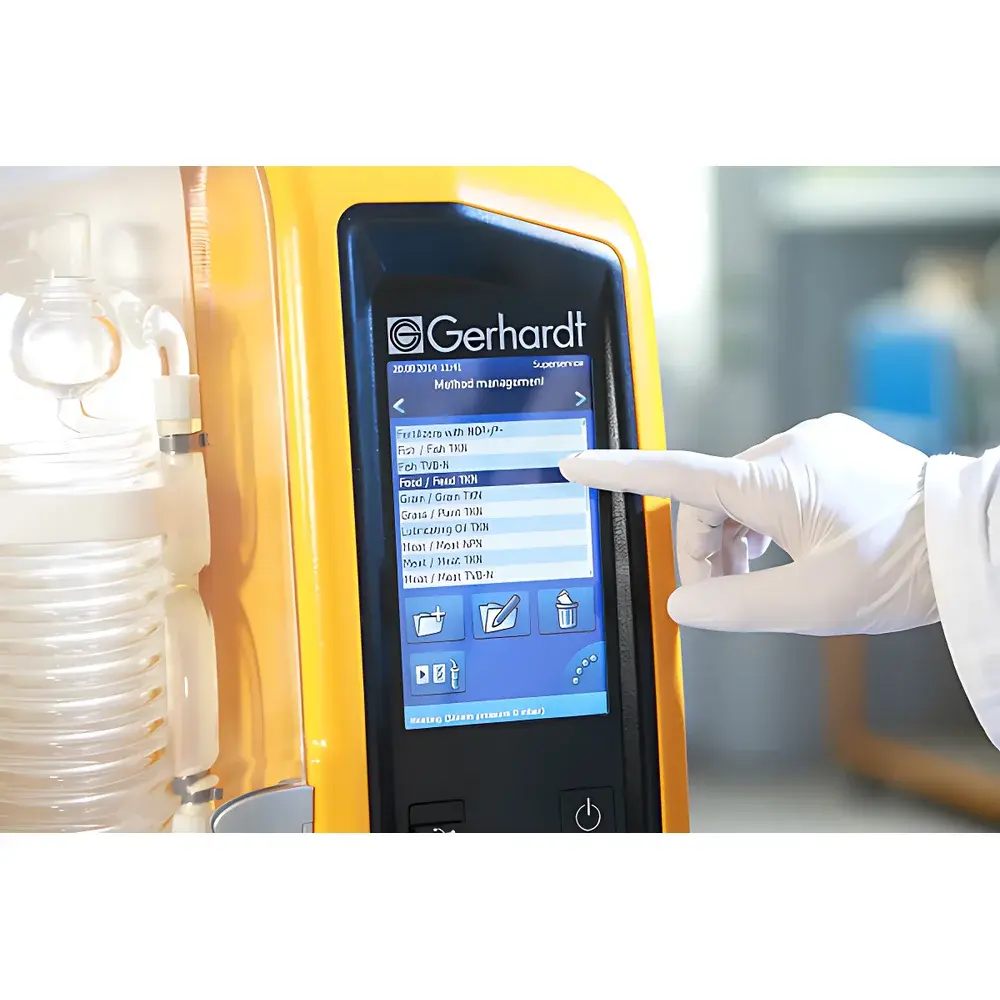
- Microprocessor-based control system with large backlit LCD display showing real-time step progression, program status, and error diagnostics (acoustic and visual alerts)
- Programmable alkaline reagent addition via precision metering pump, synchronized with distillation timing and steam ramp profiles
- Adjustable steam output (10–100%) optimized for diverse applications: Kjeldahl nitrogen, volatile acidity, formaldehyde, SO₂, phenols, ethanol, and nitrosamines
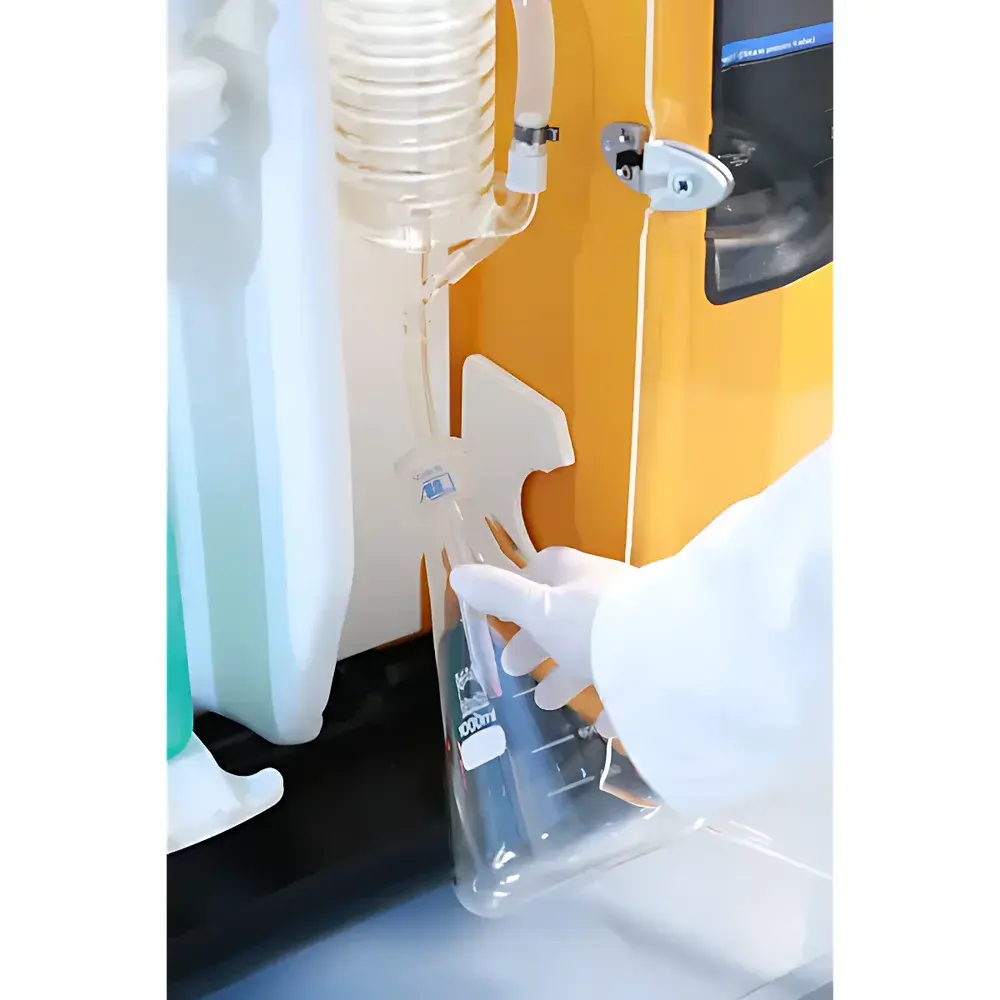
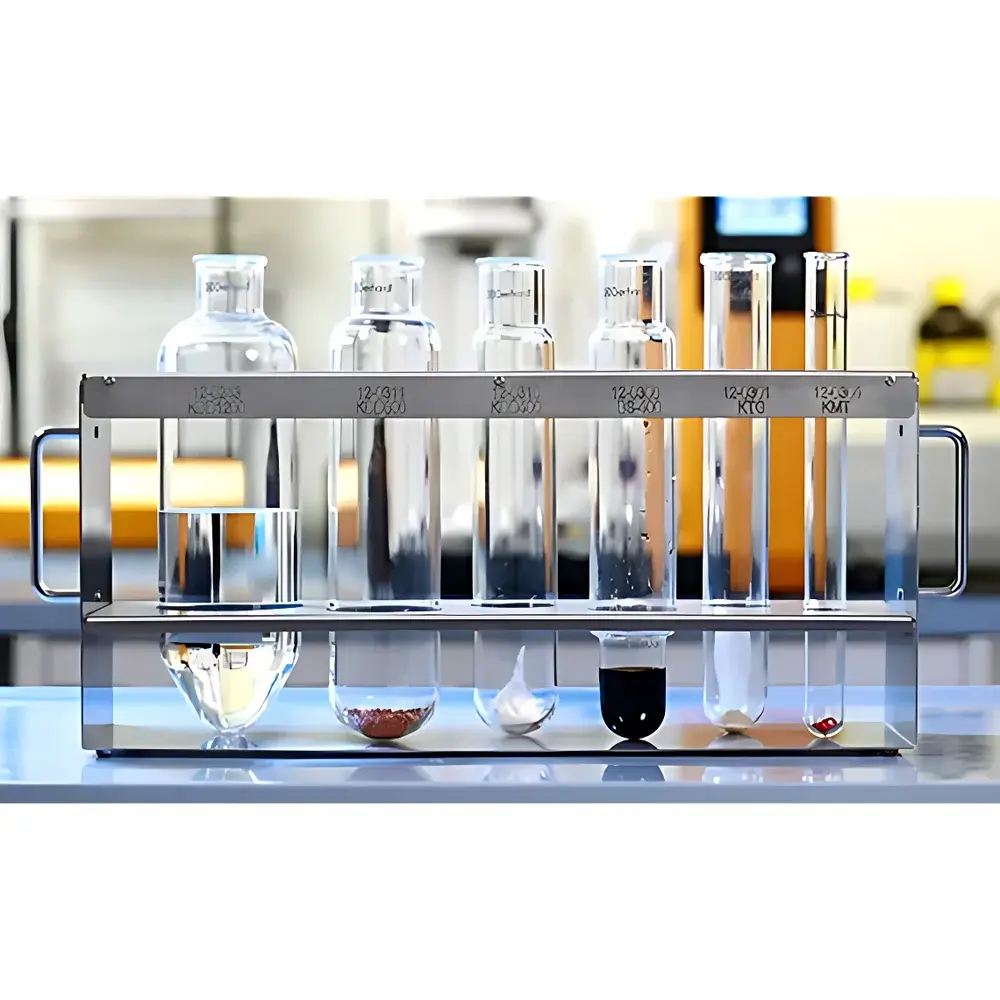
- Dedicated configuration support for standard Kjeldahl vessels: 250 mL / 400 mL / 800 mL digestion tubes and 250 mL / 500 mL / 750 mL wide-neck flasks
- Integrated steam generator with automatic fill-level monitoring, thermal cut-off, and energy-efficient standby mode
- RS485 serial interface for external data logging or integration into LIMS environments (e.g., LabWare, STARLIMS)
- Corrosion-resistant housing compliant with IP42 environmental rating for humid or chemically aggressive lab settings
Sample Compatibility & Compliance
The VAPODEST® 200 accommodates solid samples up to 5 g and liquid digestates from prior mineralization using Gerhardt digestion systems (e.g., KB, CSB, SMA series). Its modular design supports both colorimetric and potentiometric endpoint titration, enabling seamless integration with automated titrators (e.g., Metrohm 916 Ti-Touch, Hanna HI902C). Method validation adheres to GLP and GMP requirements, with full traceability of distillation parameters (steam pressure, time, alkaline volume) for audit readiness. The system meets essential regulatory benchmarks including FDA 21 CFR Part 11 (when paired with compliant software), ISO/IEC 17025 documentation standards, and European Pharmacopoeia monographs for nitrogen content in pharmaceutical excipients and APIs.
Software & Data Management
Although the VAPODEST® 200 does not include onboard data storage, its RS485 port enables bidirectional communication with third-party control software or centralized laboratory information management systems. Users may store up to 12 pre-defined distillation protocols—including custom alkaline dosing sequences, variable steam ramp rates, and multi-stage hold times—directly on the instrument’s embedded controller. All operational logs (start/stop timestamps, steam setpoints, alarm events) are accessible via serial query commands, supporting retrospective analysis and QC reporting. For laboratories requiring electronic records, optional Gerhardt Connect software (v3.2+) provides secure, timestamped export of distillation metadata in CSV or XML format, compatible with FDA 21 CFR Part 11-compliant signature workflows.
Applications
The VAPODEST® 200 serves as a core distillation module across food safety, agricultural research, environmental monitoring, and industrial quality control. Routine applications include crude protein quantification in cereals, dairy, and feedstuffs; volatile basic nitrogen (VBN) assessment in seafood spoilage studies; ammoniacal nitrogen in wastewater treatment sludge; and ethanol determination in alcoholic beverages per OIV methods. It also supports specialized analyses such as formaldehyde release in resins, total sulfide in biogas digestates, free phenol in cosmetics, and SO₂ in wine and fruit juices. Its precise steam modulation makes it uniquely suited for alcohol distillation where optimal vapor-phase separation requires ~70% steam saturation—a condition reliably maintained without manual intervention.
FAQ
Is the VAPODEST® 200 compatible with automated titration systems?
Yes—it interfaces with common potentiometric and photometric titrators via standardized analog or digital I/O signals; no proprietary hardware is required.
Can it be used for non-Kjeldahl applications like volatile acid analysis?
Absolutely—the adjustable steam profile and broad pH tolerance of the condensate path enable validated methods for volatile fatty acids (VFA), acetic acid, and formic acid per APHA Standard Methods 5520B.
What maintenance intervals are recommended for long-term reliability?
Daily rinsing of the condenser and alkaline delivery lines is advised; quarterly inspection of steam generator scaling and annual calibration of the metering pump are recommended per Gerhardt Service Bulletin VD-2023-04.
Does the unit require chilled cooling water?
No—ambient tap water (10–30 °C) at flow rates of 2–7 L/min suffices; the condenser design accommodates seasonal ambient temperature fluctuations without performance degradation.
How is method traceability ensured during regulatory audits?
All active distillation parameters (alkaline volume, steam %, duration, start time) are displayed in real time and can be logged externally; Gerhardt provides IQ/OQ documentation templates aligned with ISO/IEC 17025 Annex A.2 requirements.






