
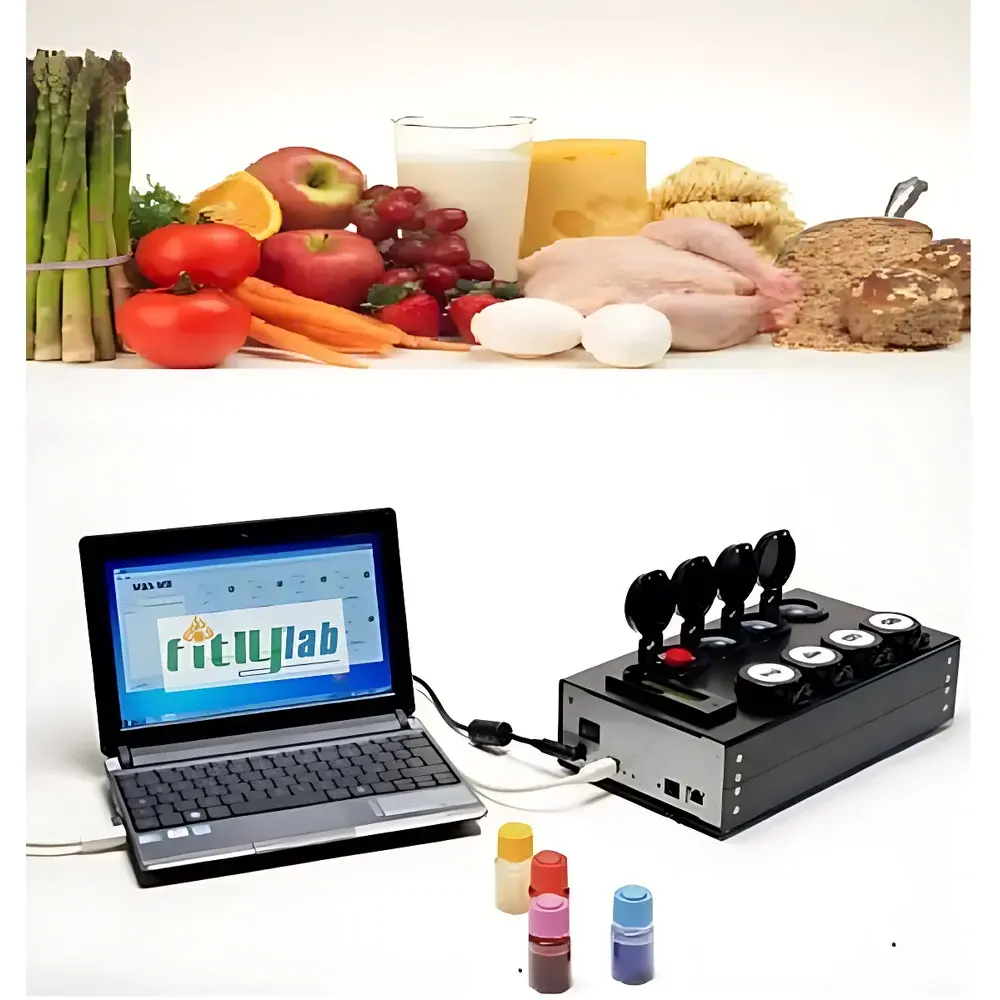
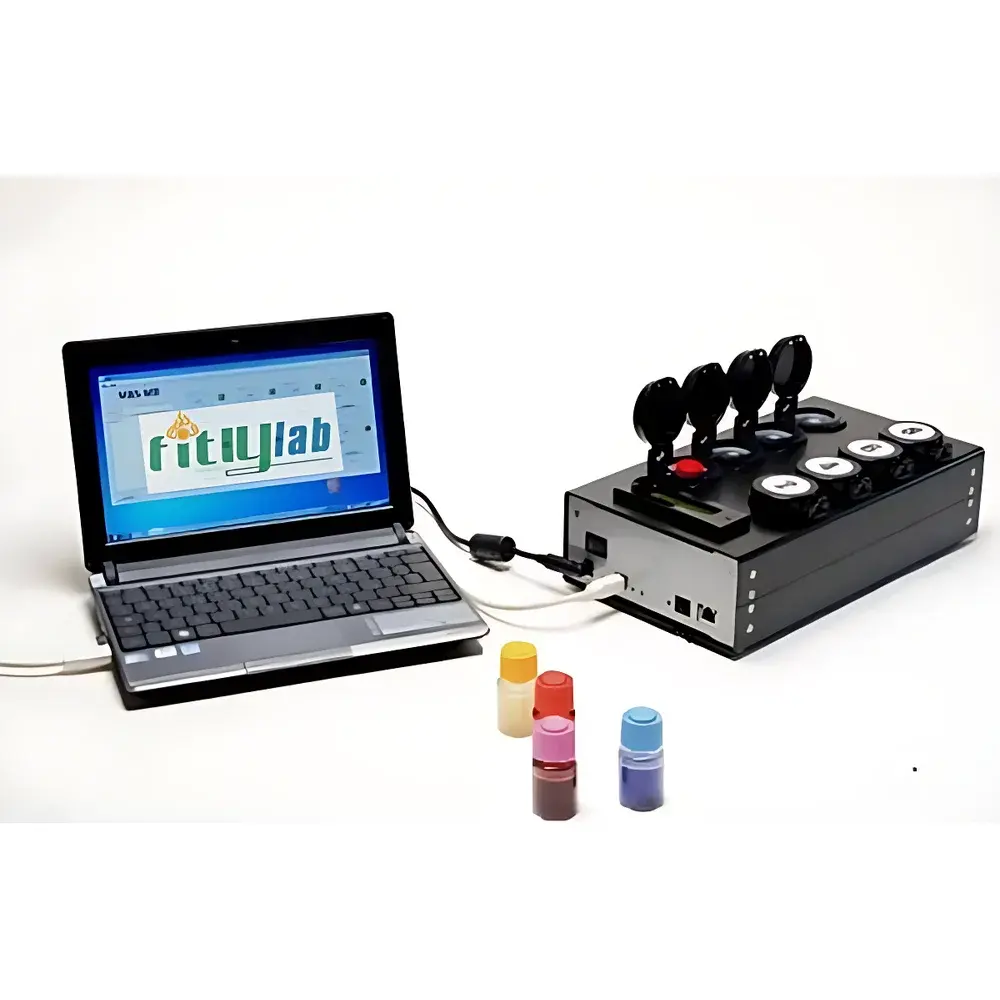
MBS Fitlylab Automated Microbial Rapid Detection System
| Brand | MBS S.r.l. |
|---|---|
| Origin | Italy |
| Model | MBS (Fitlylab) |
| Instrument Type | Fully Automated Microbial Detection & Quantification System |
| Detection Throughput | 8 independent channels |
| Sample Types | Liquid, solid, surface swabs, semi-solid (e.g., pastes, gels) |
| Target Microorganisms | Total viable count, *Escherichia coli*, *Staphylococcus aureus*, *Salmonella* spp., *Pseudomonas aeruginosa*, *Listeria monocytogenes*, *Enterococcus faecalis*, coliforms, fecal coliforms, *Enterobacteriaceae*, yeasts |
| Detection Sensitivity | ≥1 CFU per test |
| Specificity | ≥99.999% |
| Detection Principle | Multi-modal optical biosensing based on real-time monitoring of redox-mediated chromogenic response in VL detection vials |
| Regulatory Compliance | ISO 16140:2003 (validation of alternative methods), ISO/IEC 17025:2017 (testing laboratory competence), ISO/TR 13843:2000 (water microbiology) |
Overview
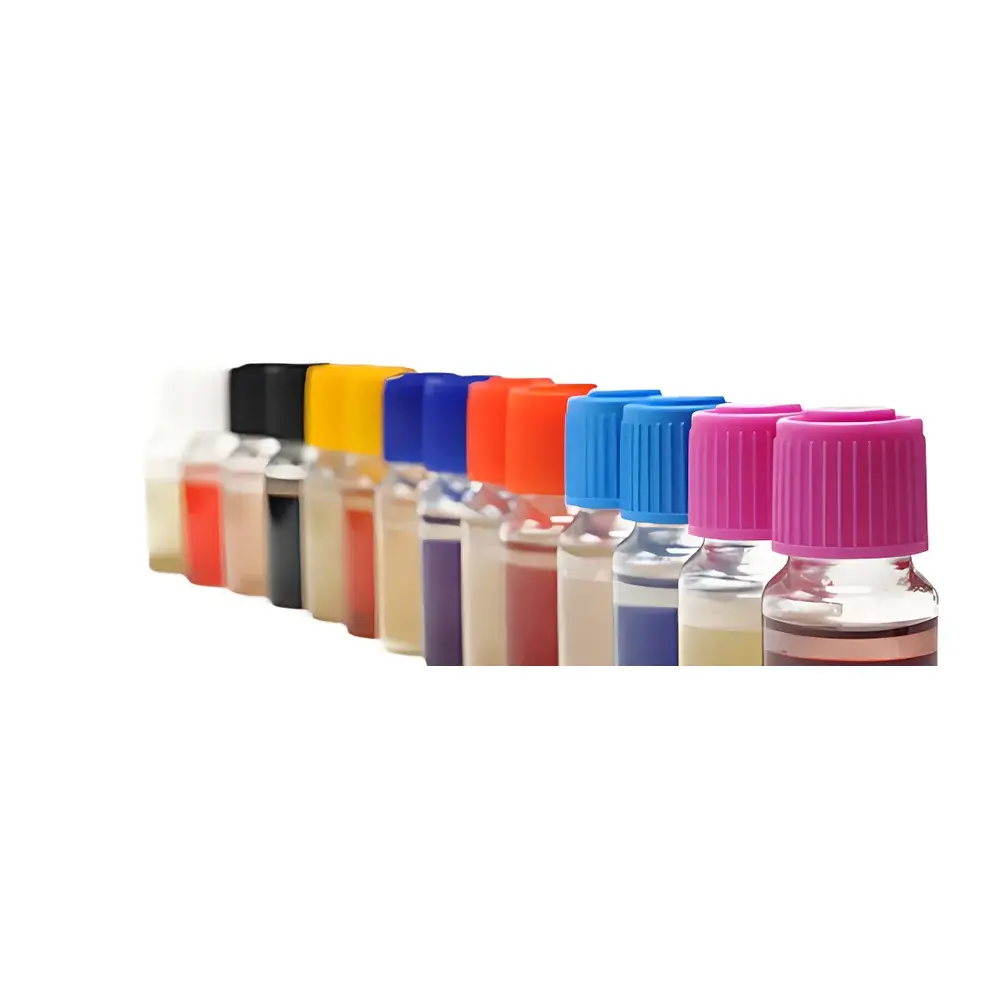
The MBS Fitlylab Automated Microbial Rapid Detection System is an integrated, benchtop-grade platform engineered for high-fidelity, quantitative microbial analysis in non-sterile laboratory environments. Unlike conventional culture-based or PCR-driven systems, Fitlylab employs a patented multi-modal detection principle grounded in real-time optical monitoring of microbial metabolic activity. Each VL detection vial contains a proprietary formulation comprising selective nutrients, growth inhibitors for non-target flora, and a redox-sensitive chromogenic substrate coupled with a dedicated electron shuttle (e.g., a cytochrome C–compatible reductant). Upon introduction of target microorganisms, respiratory chain activity—whether aerobic (electron flux through oxygen-dependent oxidases) or anaerobic (endogenous electron sink reduction)—alters the oxidation–reduction potential of the medium. This shift triggers a stoichiometric, time-resolved color transition in the chromophore. The MBS-MR host instrument captures this dynamic response across three discrete wavelengths (blue, green, red) simultaneously, eliminating interference from turbidity, particulate scattering, or heterogeneous sample matrices. The system computes microbial concentration by modeling the inflection point (first derivative maximum) of the tri-chromatic intensity curve against time—a parameter directly correlated to initial colony-forming units (CFU) via pre-validated kinetic calibration models.
Key Features
- Fully automated 8-channel detection architecture: each channel operates independently with programmable temperature control (range: 25–45 °C), enabling concurrent analysis of diverse samples and organisms without cross-contamination or thermal crosstalk.
- Tri-wavelength optical detection (450 nm, 530 nm, 630 nm): mitigates signal distortion from light scattering, suspended solids, or pigmented matrices—critical for food homogenates, surface swabs, and wastewater filtrates.
- Single-step sample introduction: most samples—including raw foods, beverages, environmental swabs, and filtered water—require no enrichment, dilution, or pre-culture; direct addition of 1 g or 1 mL suffices.
- VL detection vials are self-contained, sealed reaction vessels with integrated sterilization capability: post-assay vials undergo in-situ thermal or chemical deactivation and may be disposed of as standard biohazard waste under local regulations.
- Quantitative and qualitative flexibility: users define pass/fail thresholds for regulatory compliance (e.g., EU Annex I limits for *E. coli* in ready-to-eat foods) or perform unrestricted enumeration for process optimization and trend analysis.
- Robust software architecture: Fitlylab v5.x (English & Chinese localized UI) supports full audit trail, electronic signatures, and 21 CFR Part 11–compliant data integrity controls—including immutable storage of raw optical curves, timestamps, user IDs, and calibration logs.
Sample Compatibility & Compliance
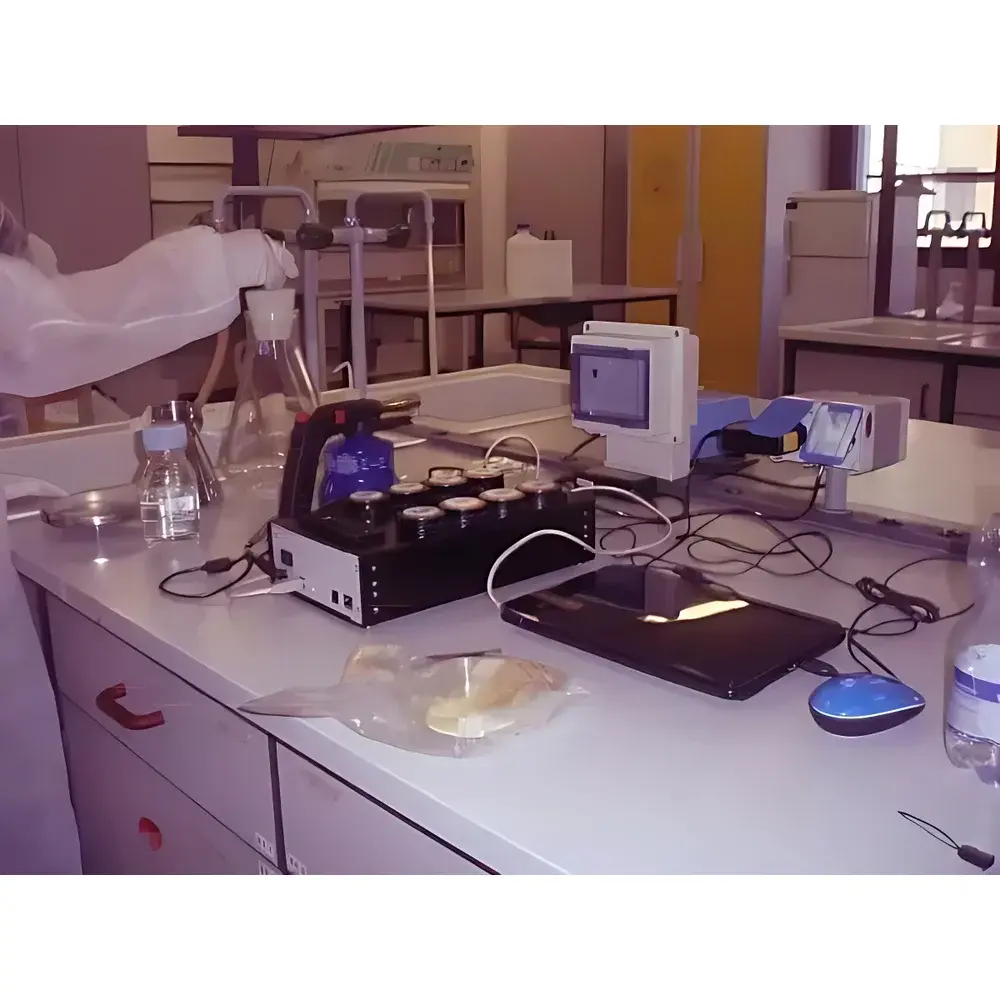
The system accommodates a broad spectrum of sample matrices without modification: liquid foods (milk, juice), solid foods (meat, produce), semi-solids (cheese, sauces), environmental surfaces (stainless steel, plastic, ceramic), and aqueous media (drinking water, process water, wastewater effluent). Surface sampling utilizes ISO 18593-compliant sterile swabs immersed in neutralizing buffer prior to vial insertion. Water analysis follows ISO 9308-1 methodology—100 mL filtration onto 0.45 µm membranes, followed by membrane transfer into VL vials. All VL vials are certified per ISO 16140:2003 for method equivalence validation against reference culture techniques (ISO 4833-1, ISO 6579-1, ISO 11290-2). Internal validation documentation satisfies ISO/IEC 17025:2017 requirements for method verification, including precision (within-lab reproducibility ≤15% RSD), limit of detection (1 CFU/test), and robustness across matrix variability.
Software & Data Management
Fitlylab software provides GLP/GMP-aligned data governance. All measurements are timestamped, user-authenticated, and stored in an encrypted SQLite database with automatic daily backups. Raw spectral data (intensity vs. time per wavelength) and derived kinetic parameters (lag time, slope, inflection point) are retained permanently. Reporting modules generate PDF certificates compliant with ISO/IEC 17025 Annex A (test reports), including instrument ID, vial lot numbers, calibration status, environmental conditions, and uncertainty statements. Export options include CSV (for LIMS integration), XML (for ELN ingestion), and structured JSON (for API-driven QA dashboards). Software updates are delivered remotely at no cost for the lifetime of the instrument, with version-controlled changelogs and validation summaries provided for regulated environments.
Applications
The system serves critical roles across food safety (HACCP prerequisite programs, shelf-life studies, supplier verification), pharmaceutical manufacturing (environmental monitoring per EU GMP Annex 1, water system validation), clinical microbiology support (non-CLIA settings), public health surveillance (CDC field deployment, port-of-entry screening), and consumer protection laboratories. Use cases include rapid verification of sanitation efficacy on food contact surfaces, quantification of spoilage flora in dairy processing lines, detection of *Salmonella* in poultry rinse water, and enumeration of total viable counts in cosmetic challenge testing. Its portability and battery-ready operation enable on-site analysis in mobile labs, cold-chain audits, and remote agricultural cooperatives.
FAQ
What regulatory standards does the MBS Fitlylab system comply with?
It is validated per ISO 16140:2003 for equivalence to reference methods, conforms to ISO/IEC 17025:2017 for testing laboratory competence, and meets ISO/TR 13843:2000 for water microbiology applications.
Can the system quantify mixed microbial populations?
No—it is designed for targeted quantification of individual species or functional groups (e.g., total coliforms) using organism-specific VL vial formulations. Multiplex detection requires sequential runs with corresponding vials.
Is external incubation required before analysis?
No. All incubation occurs within the temperature-controlled MBS-MR unit; no separate incubator or manual intervention is needed.
How is data integrity ensured in regulated environments?
The software implements role-based access control, electronic signatures, immutable audit trails, and 21 CFR Part 11–aligned security protocols—including password complexity enforcement, session timeout, and cryptographic hashing of raw data files.
What maintenance is required for long-term reliability?
Annual optical alignment verification and quarterly performance checks using NIST-traceable reference vials are recommended. No consumable optics or lamps require replacement during normal operation.
Related Products




