
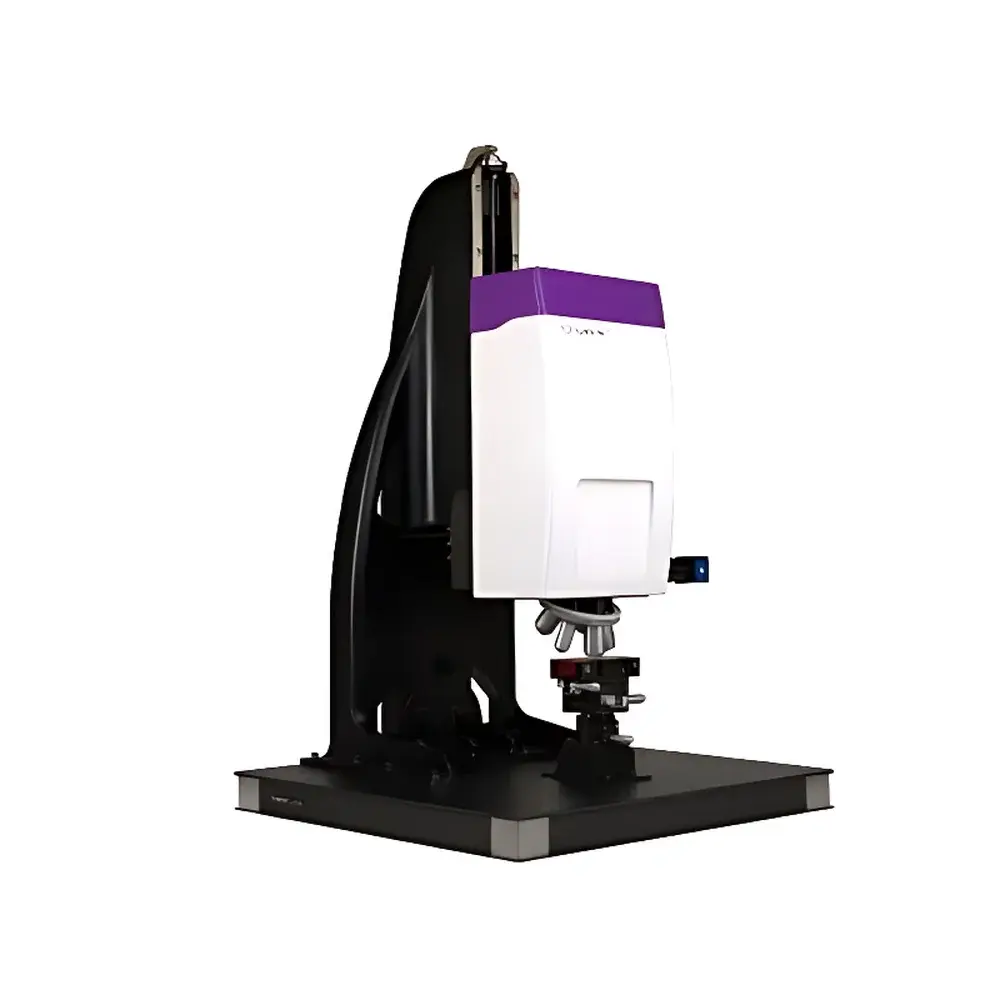
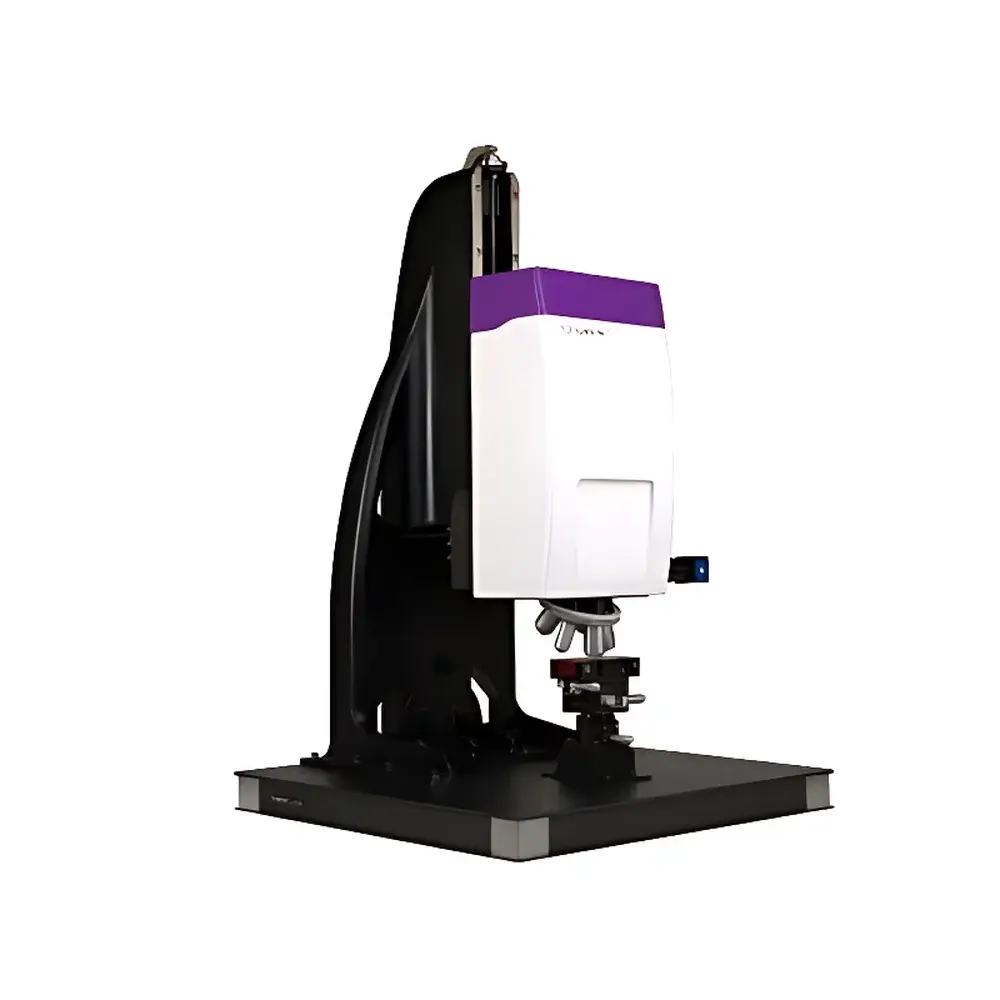
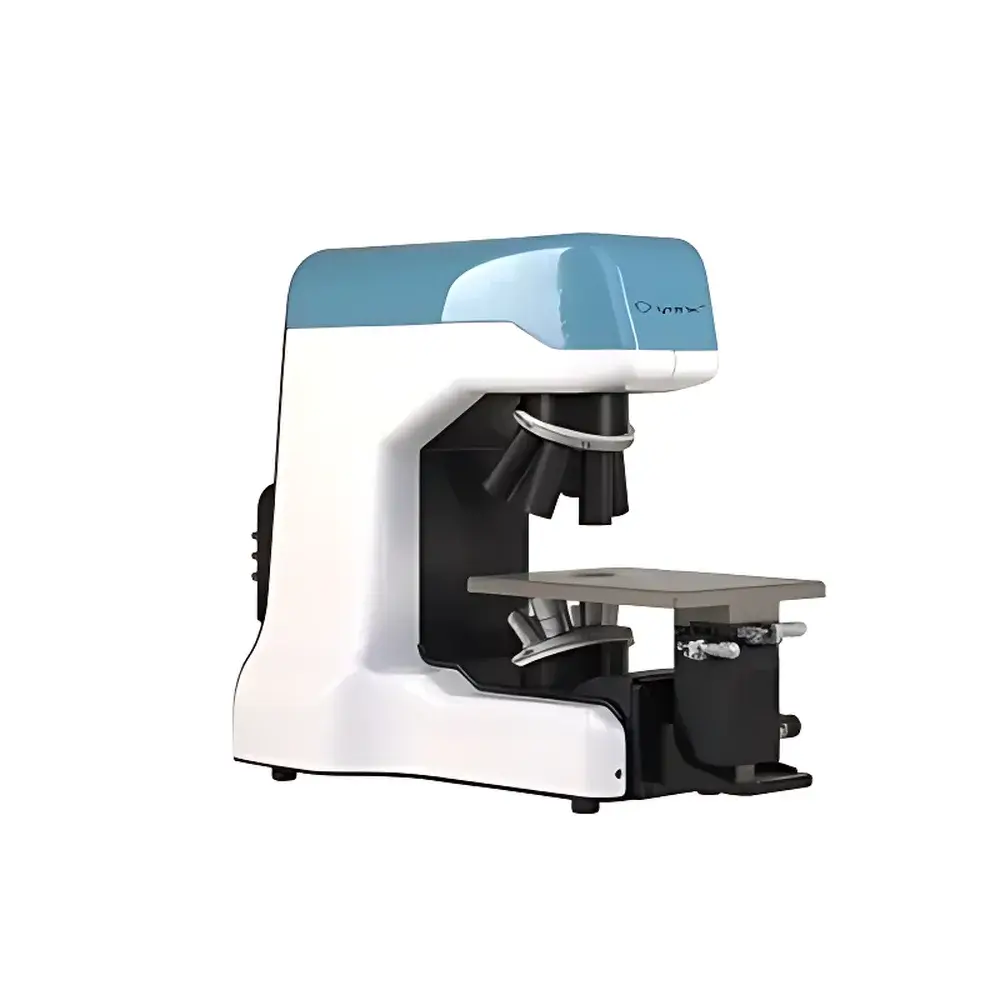
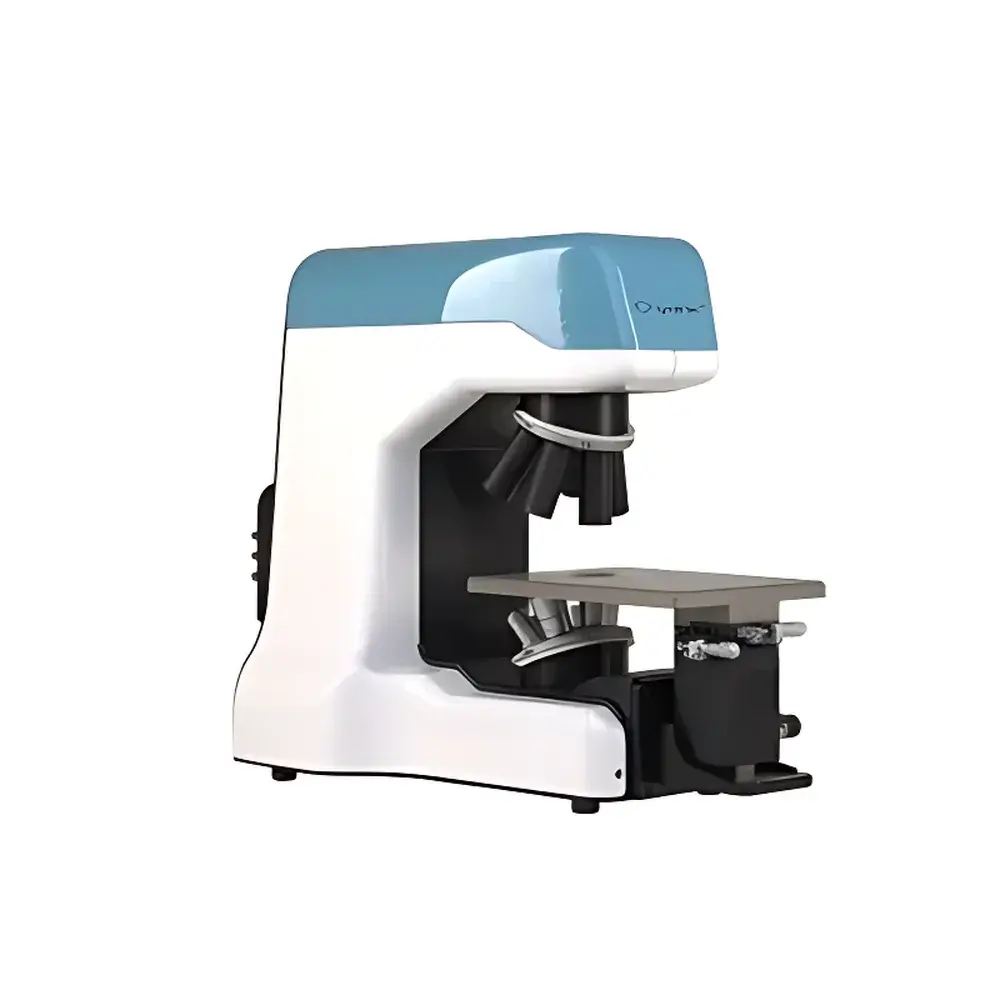
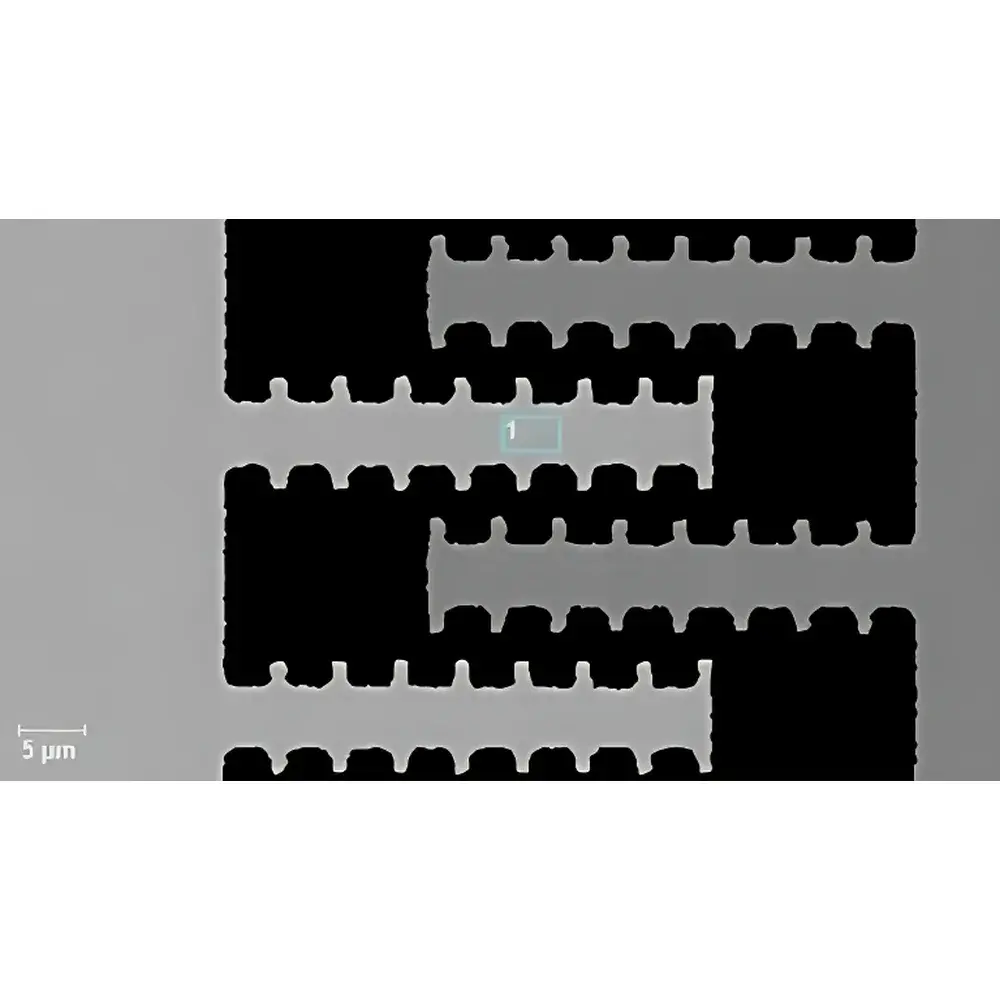
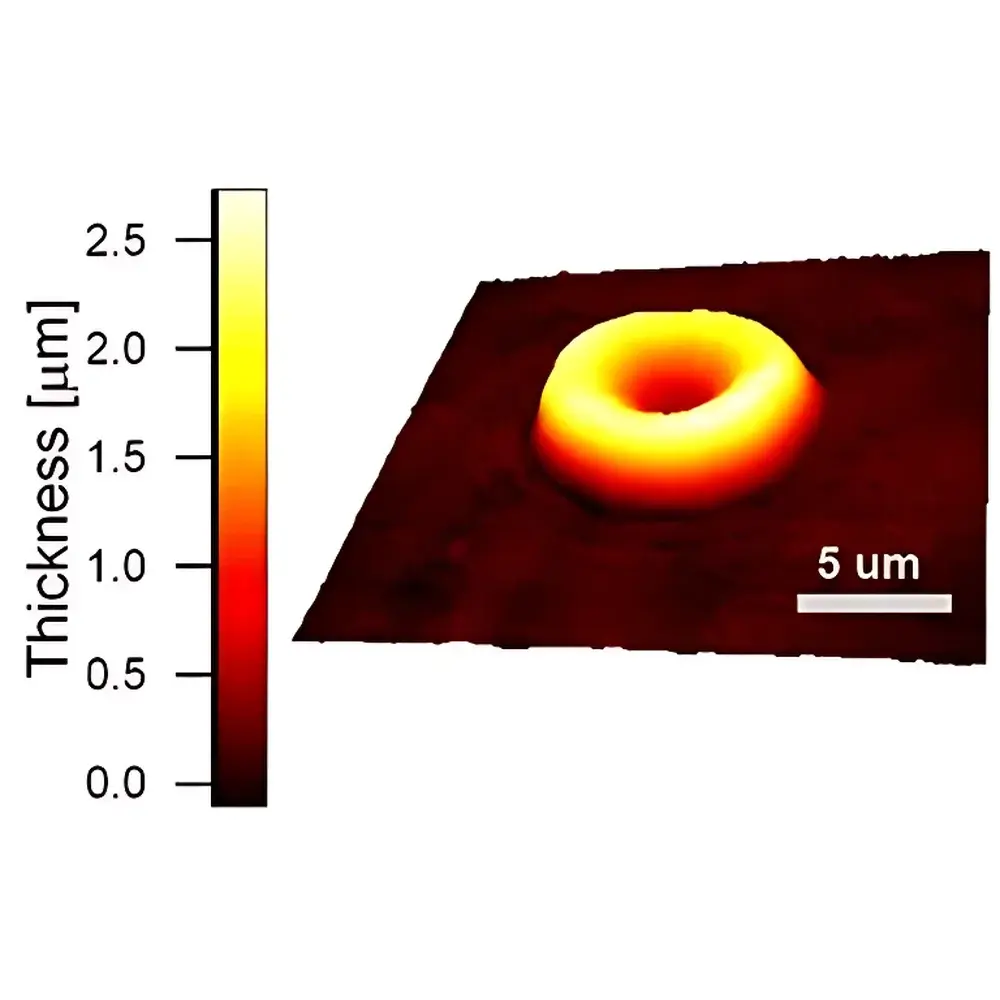
Lyncee Tec R2200 Digital Holographic Microscope (DHM)
| Brand | Rayscience |
|---|---|
| Origin | United Kingdom |
| Distributor Type | General Distributor |
| Origin Category | Imported |
| Model | R2200 |
| Price | USD 280,000 (approx.) |
Overview
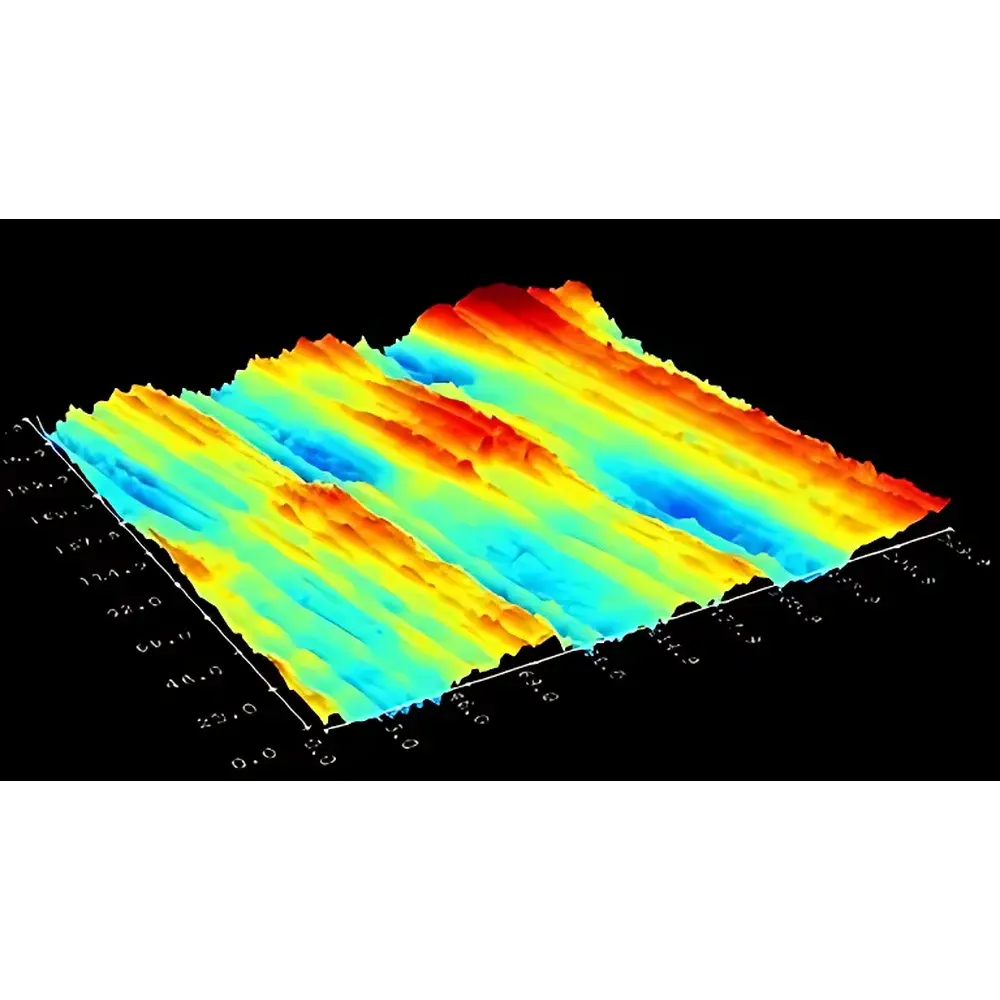
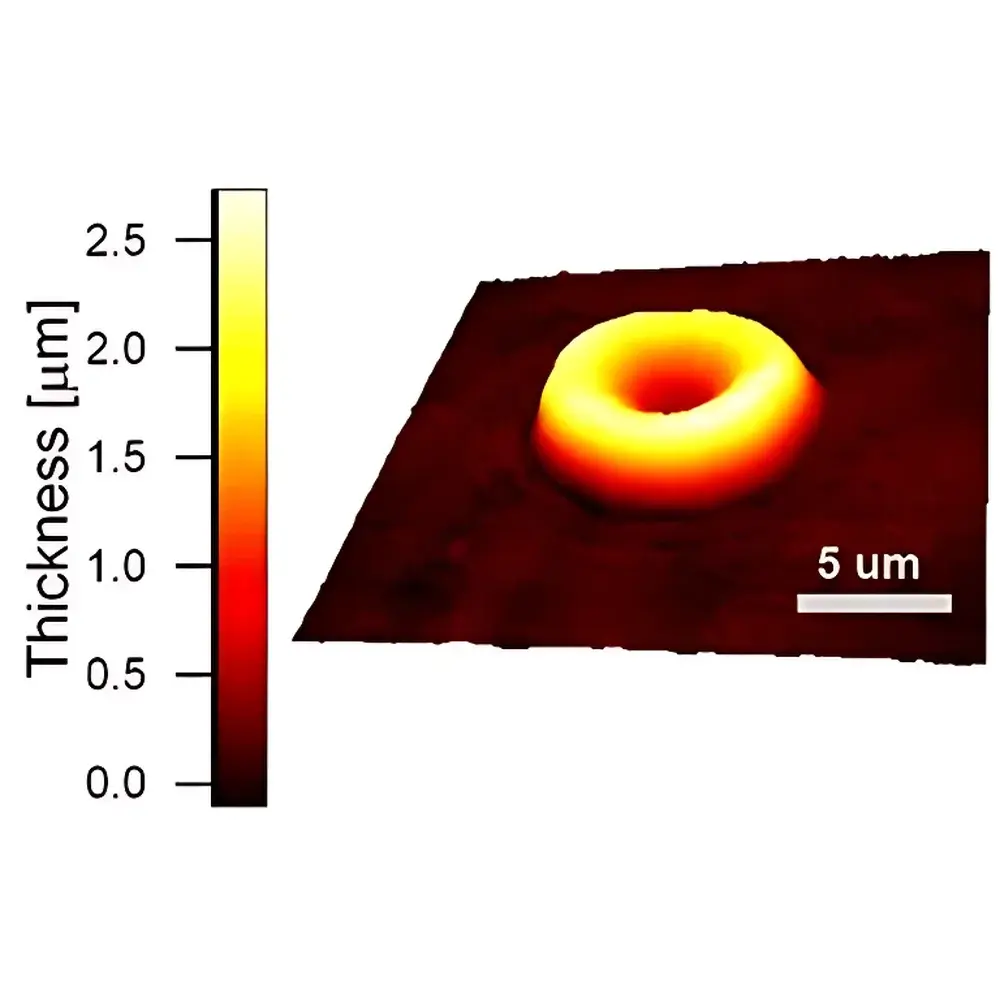
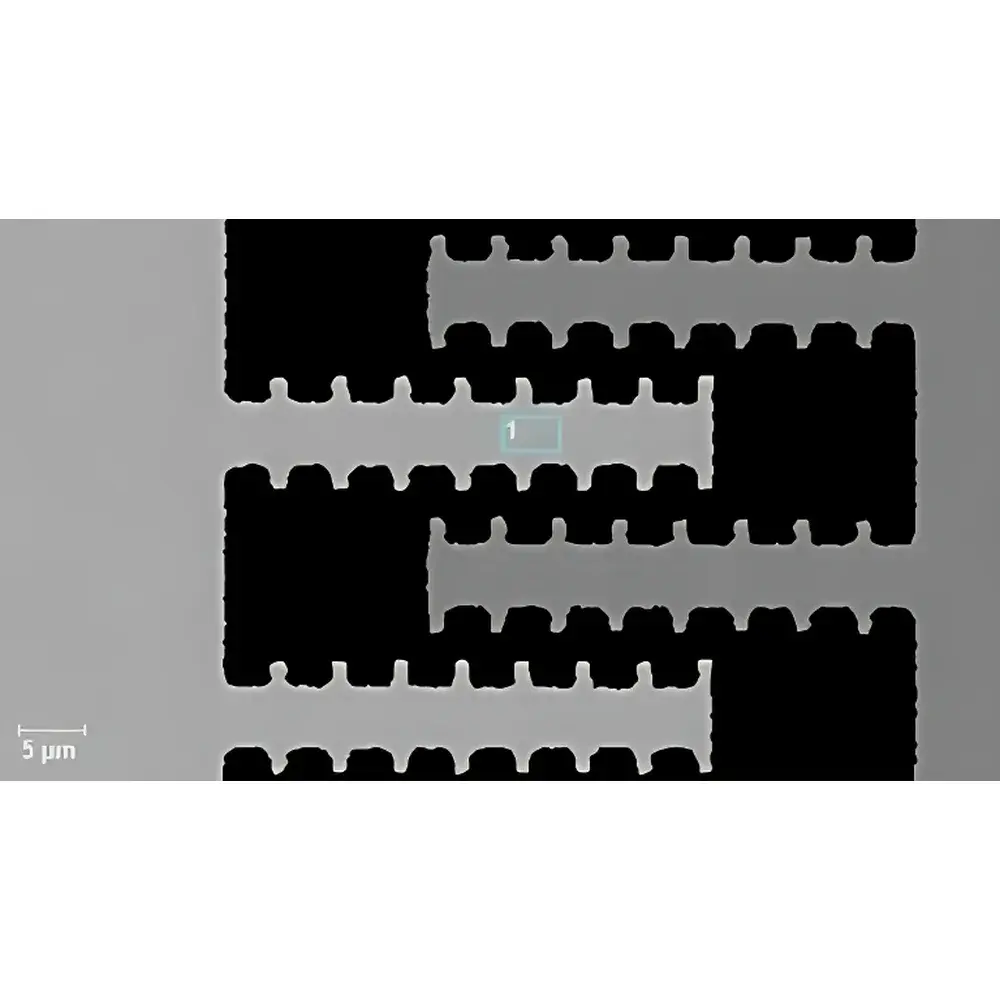
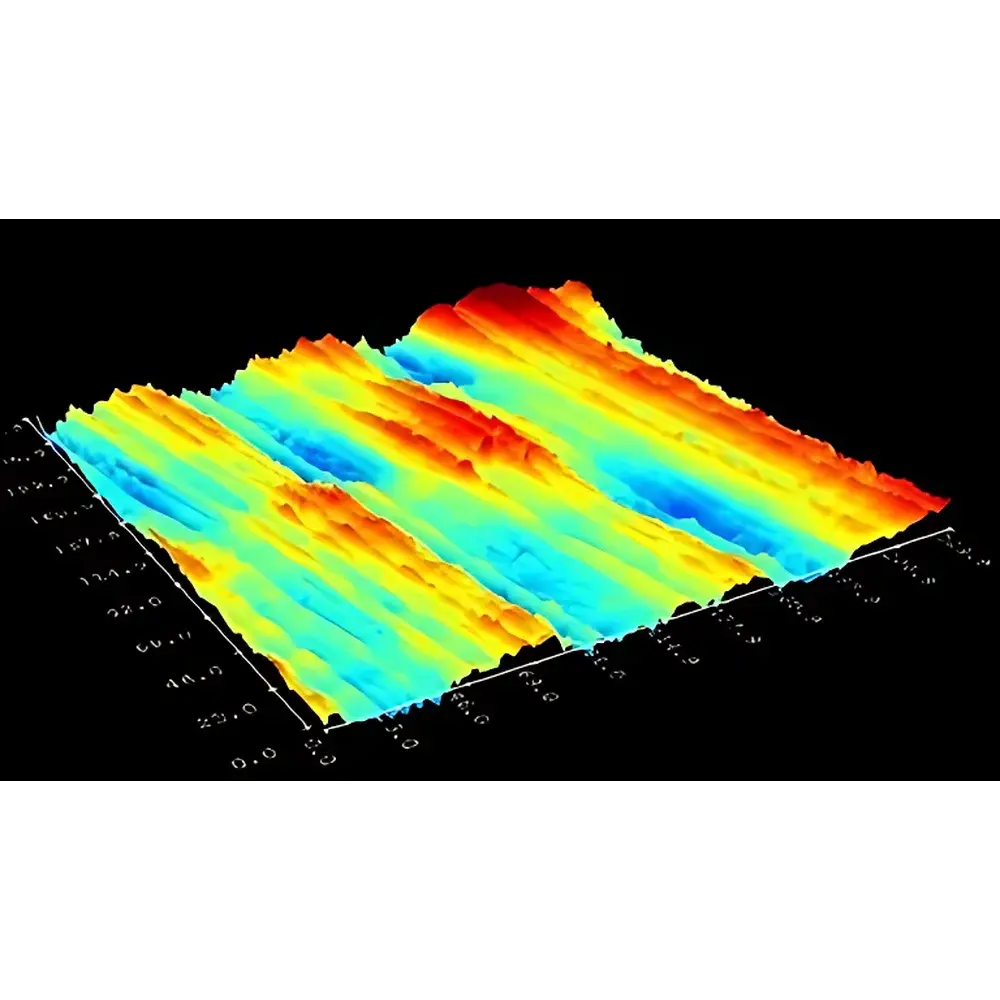
The Lyncee Tec R2200 Digital Holographic Microscope (DHM) is a high-speed, non-scanning, label-free optical metrology platform engineered for quantitative phase imaging and real-time 4D topography measurement. Unlike conventional scanning or interferometric techniques, the R2200 employs off-axis digital holography—capturing both amplitude and phase information in a single camera exposure via interference between object and reference wavefronts. This enables instantaneous acquisition of full-field 3D surface topography with sub-nanometer vertical resolution, independent of objective numerical aperture (NA) or magnification. Designed for dynamic metrology under controlled environmental conditions—including vacuum, liquid immersion, variable temperature/humidity—the R2200 delivers frame rates up to 1000 Hz at 1024 × 1024 pixel resolution, making it uniquely suited for MEMS characterization, microscale thermal deformation analysis, live-cell biophysics, and high-throughput optical quality control.
Key Features
- Real-time 4D topography: Simultaneous acquisition of time-resolved 3D surface evolution at up to 1000 frames per second
- Non-contact, non-invasive operation: Eliminates mechanical loading, probe wear, or sample damage inherent in stylus profilometers and AFM
- Extended coherence length: 400 µm laser source enables robust focusing across large depth-of-field samples—unlike white-light interferometry (WLI), which requires precise fringe search and sample tilt compensation
- Universal optical integration: Compatible with standard microscope objectives—including dry, oil-immersion, water-dipping, long-working-distance, and coverslip-corrected lenses—enabling measurements through glass substrates or immersion media
- Dual-wavelength capability (666 nm & 794 nm): Supports synthetic wavelength generation (8 µm) for extended unambiguous height range up to 500 µm
- Sub-nanometer vertical repeatability: <0.024 nm RMS over repeated measurements under stable thermal conditions
- Flexible hardware architecture: Modular head design allows reconfiguration for inverted, upright, or custom optical setups
Sample Compatibility & Compliance
The R2200 accommodates diverse sample geometries and environments without physical contact: transparent or reflective surfaces, soft biological specimens (e.g., adherent mammalian cells, yeast colonies), MEMS devices in sealed packages, thin-film heaters, electroactive polymers, and optofluidic components. Its low-intensity illumination (<1 µW/cm²) ensures phototoxicity-free live-cell observation over extended durations. The system supports GLP/GMP-aligned workflows through audit-trail-enabled software logging, user-access controls, and electronic signature compliance per FDA 21 CFR Part 11. Measurement traceability aligns with ISO/IEC 17025 requirements for calibration of optical metrology instruments, and phase quantification adheres to ISO 25178-601 for areal surface texture analysis.
Software & Data Management
The R2200 operates with Koala™—a C++/.NET-based proprietary software suite optimized for real-time hologram reconstruction, phase unwrapping, and quantitative topographic analysis. It includes application-specific modules: MEMS Analysis Tool (for in-plane/out-of-plane vibration mode decomposition up to 24.7 MHz), Cell Analysis Tool (for quantitative phase microscopy, dry mass mapping, and optical membrane patch-clamp correlation), and Reflectometry Analysis Tool (for thin-film thickness and refractive index extraction). All modules support batch processing, scripting (via Python API), and export of calibrated TIFF, HDF5, or CSV formats. Data provenance—including instrument configuration, environmental metadata, and operator credentials—is embedded directly into output files for regulatory submission readiness.
Applications
- MEMS/NEMS dynamics: Full-field resonance mapping, modal shape identification, and actuation-induced strain profiling
- Microthermal mechanics: Real-time deformation tracking of microheaters, thermally responsive hydrogels, and degradable polymer films
- Optofluidics & adaptive optics: Structural response of liquid lenses, photoresponsive liquid crystals, and electrochromic coatings
- Electrochemical interfaces: In situ topographic evolution during electrodeposition, anodization, or corrosion processes
- Biophotonics: Label-free quantification of cell dry mass, mitotic progression, osmotic response, and drug-induced cytotoxicity
- Advanced manufacturing QA: Defect detection, coating uniformity assessment, and wafer-level packaging inspection
FAQ
How does DHM differ from white-light interferometry (WLI) in terms of measurement robustness?
DHM uses a long-coherence laser (400 µm), enabling direct focus positioning like a standard microscope; WLI requires iterative fringe scanning and precise sample alignment within a narrow 15 µm coherence window.
Is vertical resolution affected by objective magnification in DHM?
No—DHM’s vertical resolution remains sub-nanometer across all magnifications, whereas WLI and CLSM degrade vertically with increasing NA due to axial point-spread function broadening.
Can the R2200 measure through glass or immersion media?
Yes—its flexible optical path supports measurements through cover slips, fused silica windows, or aqueous/oil immersion using standard microscope objectives.
What is the maximum unambiguous height range in dual-wavelength mode?
Up to 500 µm, achieved via synthetic wavelength interferometry using 666 nm and 794 nm lasers.
Does the system support automated stage integration for large-area stitching?
Yes—the optional motorized XYZ stage (114 × 76 × 38 mm travel) is fully programmable via Koala™ API for tiled acquisition and mosaic reconstruction.



