
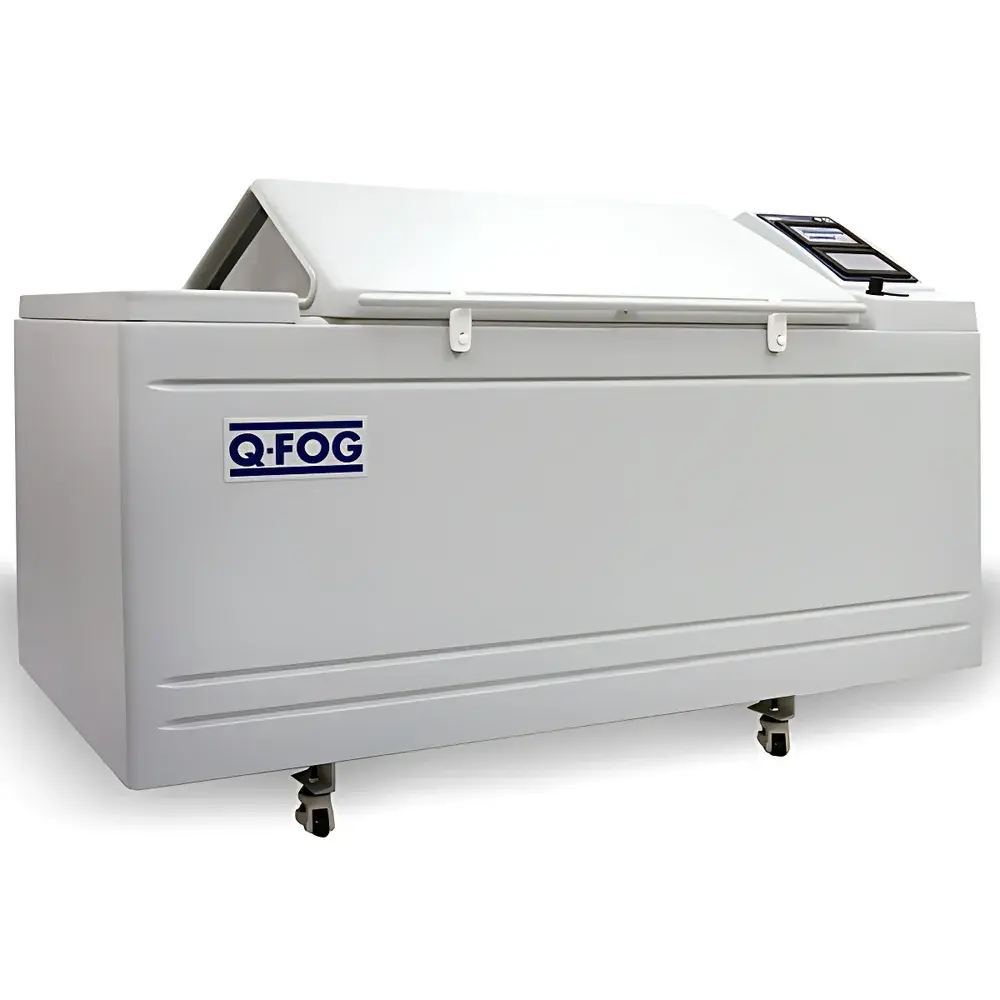
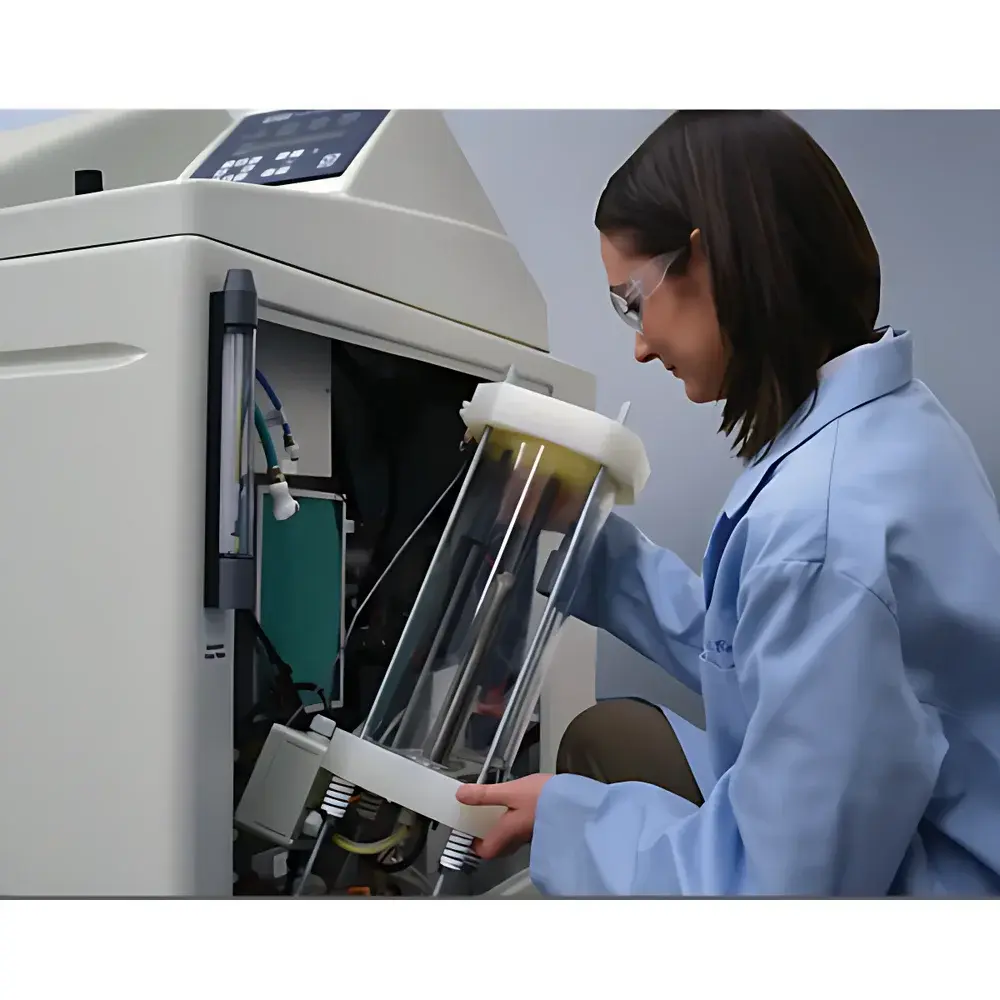

Q-Lab CRH1100-HSC Cyclic Corrosion Test Chamber
| Brand | Q-Lab |
|---|---|
| Origin | USA |
| Model | CRH1100-HSC |
| Spray Mode | Continuous/Cyclic Spray |
| Temperature Range | 20–70 °C |
| Chamber Volume | 1103 L |
| Humidity Control | Full-Variable RH via Air Preconditioning System |
| Spray Function | Adjustable High-Flow Liquid Shower Module |
| Nozzle Maintenance | Automatic Self-Cleaning Mechanism |
| Internal Solution Reservoir | 120 L with Filtration & Low-Level Alarm |
| Compliance | GMW 14872, SAE J2334, ISO 11997, VW PV1210, Ford CETP, Renault D17 2025, JASO M609, GB/T 24135, Prohesion™ Protocol |
Overview
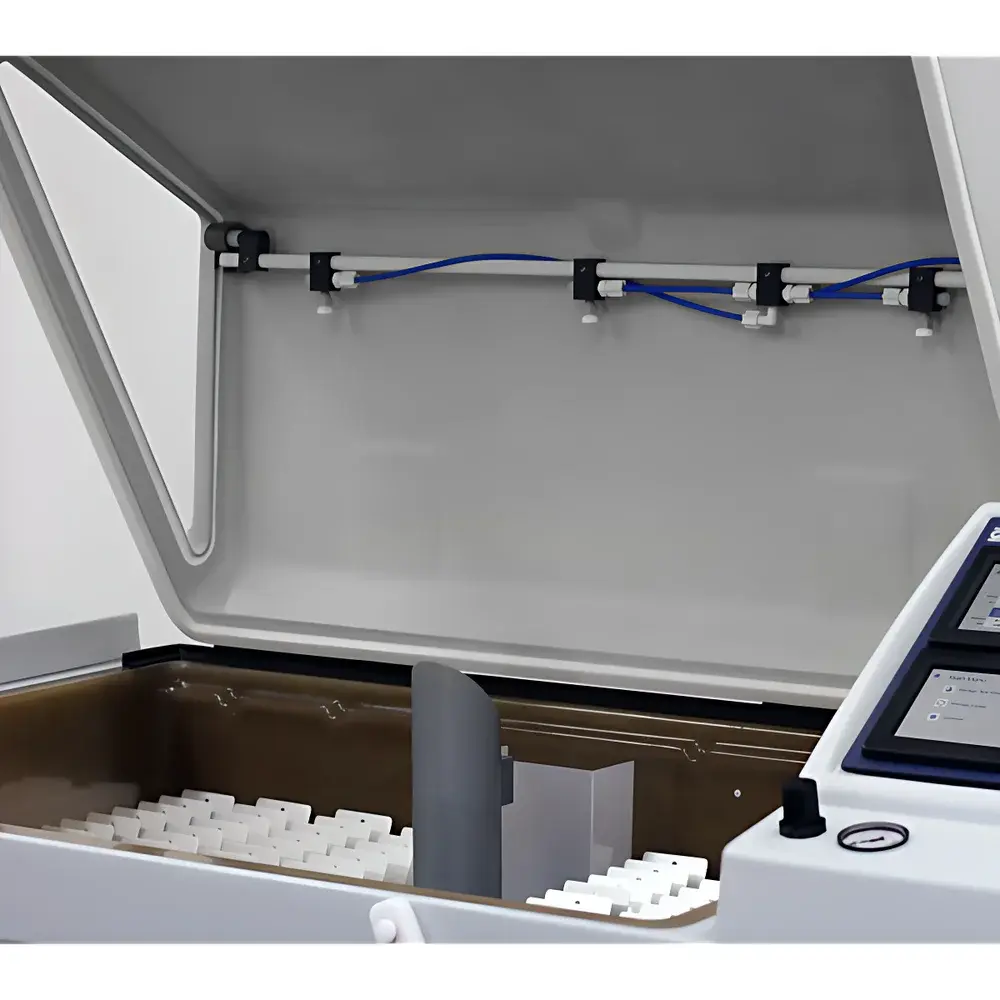
The Q-Lab CRH1100-HSC Cyclic Corrosion Test Chamber is an engineered platform for accelerated environmental corrosion testing under rigorously controlled, multi-phase exposure conditions. Unlike conventional salt spray chambers operating solely in static fog environments, the CRH1100-HSC implements a true cyclic methodology—alternating between salt fog, high-humidity soak, drying, and optional liquid shower phases—within a single, integrated chamber. Its core measurement architecture relies on precision air preconditioning: ambient air is first heated, cooled, or humidified upstream of the test chamber using dedicated thermal and moisture control modules, then delivered at precisely regulated temperature and relative humidity (RH) setpoints. This eliminates thermal lag and ensures rapid, repeatable transitions between test segments—critical for standards such as ISO 11997-1 (cyclic corrosion testing), GMW 14872 (multi-stage automotive corrosion protocol), and SAE J2334 (corrosion performance evaluation). The chamber’s 1103 L internal volume accommodates up to 240 standard 75 mm × 150 mm test panels, supporting full-size automotive components, coated fasteners, and structural assemblies without compromising environmental uniformity.
Key Features
- Full-variable RH control (10–95% RH, ±2% RH accuracy) enabled by Q-Lab’s proprietary air pre-conditioning system—eliminating reliance on water-jacketed walls and enabling sub-30% RH drying phases.
- Dual-mode exposure capability: programmable salt fog (ASTM B117-compliant) and high-flow liquid shower (Prohesion™-compatible), with independent control of solution flow rate, duration, and nozzle positioning.
- Self-cleaning nozzle assembly prevents crystalline salt buildup; maintenance intervals exceed 200 operational hours without manual intervention.
- Integrated 120 L corrosion solution reservoir with particulate filtration (5 µm nominal), level monitoring, and audible/visual low-level alarm—supporting unattended operation for ≥7 days per fill.
- Rapid thermal response architecture: dual-zone heating (chamber wall + air stream), high-capacity centrifugal blower (≥1200 m³/h), and optional Fast Ramp Kit enabling ≤15 min transitions from 25 °C/95% RH to 60 °C/30% RH.
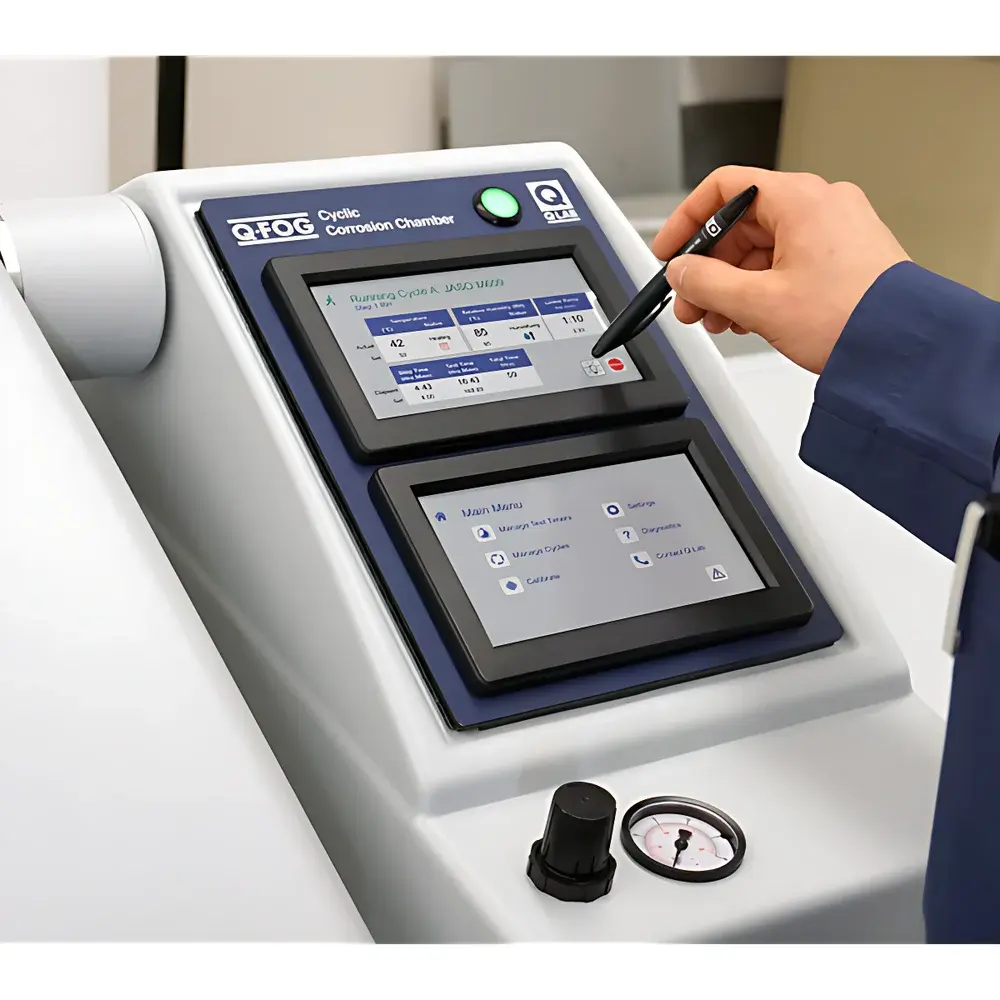
- Q-FOG® controller with intuitive touchscreen interface, real-time cycle status display, built-in diagnostics, scheduled service alerts, and automatic safety shutdown on sensor fault or overtemperature.
Sample Compatibility & Compliance
The CRH1100-HSC meets stringent requirements for automotive OEM validation protocols—including Ford CETP 00.00-L-467, VW PV1210, Renault D17 2025, and General Motors GMW 14872—where sequential exposure to salt deposition, humidity-induced electrochemical activity, and forced-air drying drives realistic corrosion morphology. It supports standardized specimen configurations per ASTM G85 Annex A5 (Prohesion™), ISO 9227 (salt spray), and ISO 11997-1 (cyclic corrosion). All internal surfaces are constructed from non-reactive, UV-stabilized polypropylene; no stainless steel or galvanized components contact the corrosive atmosphere. The chamber operates exclusively with deionized water (resistivity ≥5 MΩ·cm) to prevent mineral residue accumulation and ensure long-term sensor stability. Calibration traceability follows NIST standards; temperature and RH sensors require biannual user verification per Q-Lab Technical Bulletin TB-012.
Software & Data Management
The embedded Q-FOG controller runs firmware compliant with FDA 21 CFR Part 11 requirements for electronic records and signatures when configured with audit trail logging and user access controls. Cycle programs—including multi-step sequences with variable dwell times, ramp rates, and phase-specific parameters—are stored in non-volatile memory and exportable via USB. Real-time data logging captures chamber air temperature, RH, solution conductivity, and spray status at user-defined intervals (1–60 s resolution). Export formats include CSV and XML, compatible with LIMS integration and statistical process control (SPC) platforms. Optional Ethernet connectivity enables remote monitoring, alarm notification via SMTP/email, and centralized fleet management across multiple CRH units in GLP/GMP-regulated laboratories.
Applications
- Automotive component qualification: painted body panels, zinc-coated fasteners, brake calipers, and aluminum die-cast housings exposed to road-salt environments.
- Coating system development: validation of cathodic electrodeposition (E-coat), powder coatings, and chromate conversion layers under dynamic humidity cycling.
- Material compatibility testing: galvanic couples, dissimilar metal assemblies, and polymer-sealed joints subjected to wet/dry alternation.
- Standards compliance verification: ISO 11997-1, ASTM G85 Annexes A1–A5, JASO M609, GB/T 24135–2009, and OEM-specific CCT procedures requiring ≥5 distinct exposure phases.
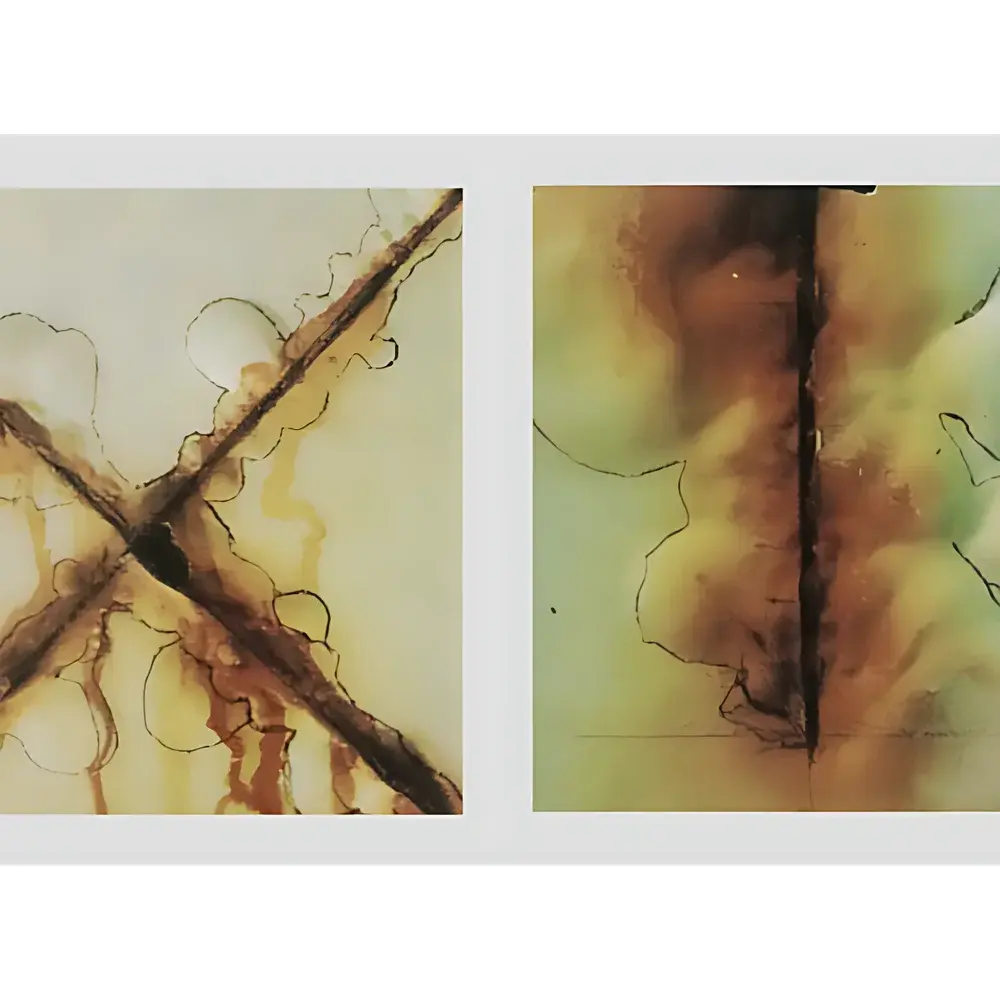
- Failure mode analysis: replication of filiform corrosion, crevice attack, and underfilm blistering through controlled condensation kinetics and electrolyte replenishment timing.
FAQ
What standards does the CRH1100-HSC support out-of-the-box?
It natively executes GMW 14872, SAE J2334, ISO 11997-1, VW PV1210, Ford CETP, and Prohesion™ protocols without hardware modification.
Is deionized water mandatory for operation?
Yes—use of DI water (≥5 MΩ·cm resistivity) is required to maintain sensor calibration integrity and prevent nozzle clogging or chamber surface scaling.
How often must temperature and RH sensors be calibrated?
Per Q-Lab’s technical guidance, biannual user verification using NIST-traceable reference instruments is required to maintain test validity and audit readiness.
Can the shower module be disabled while retaining salt fog functionality?
Yes—the shower and fog subsystems operate independently; either may be omitted from a cycle program without affecting the other’s performance.
What is the maximum sample loading capacity for 75 mm × 150 mm test panels?
The CRH1100-HSC accommodates 240 panels in standard orientation, with full compliance to ASTM G85 airflow uniformity requirements across the entire test zone.



