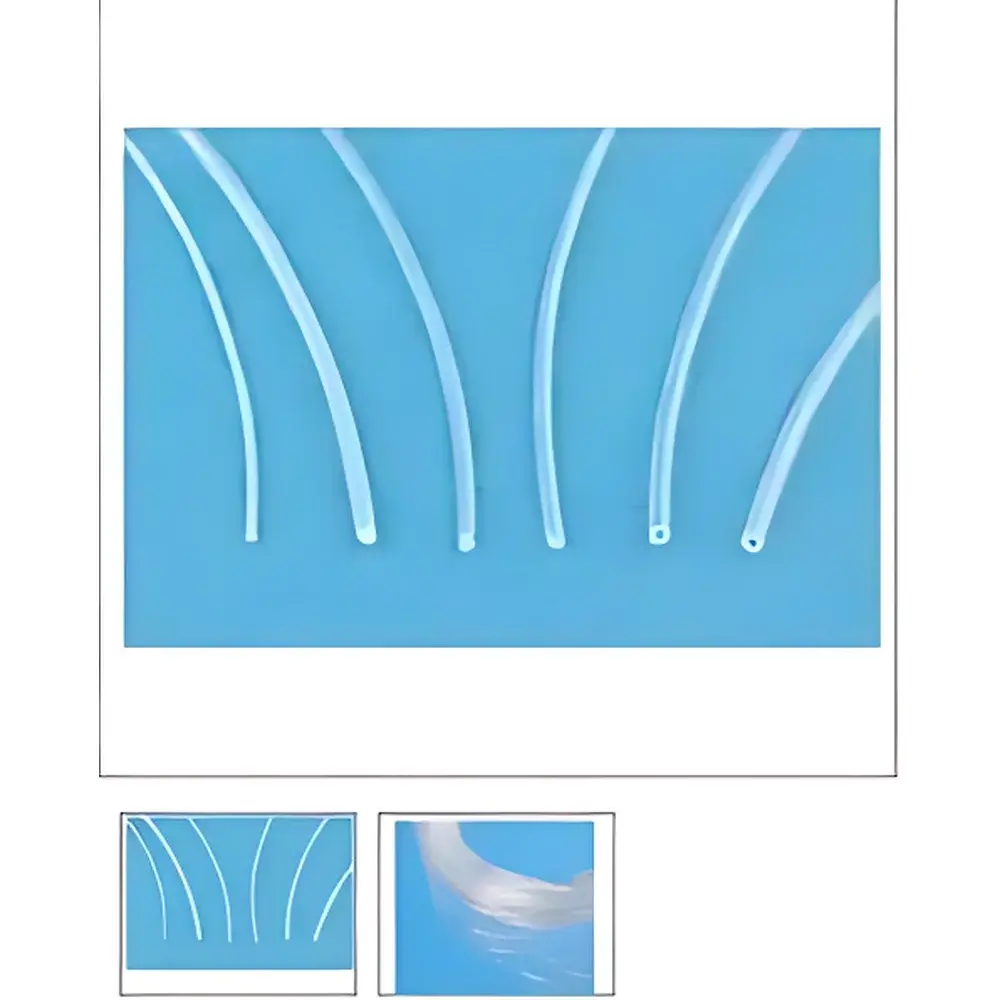
Instech PE, PU, Silicone & Co-Extruded Tubing for Physiological and Pharmacological Instrumentation
| Origin | USA |
|---|---|
| Manufacturer Type | Authorized Distributor |
| Origin Category | Imported |
| Model | tubing |
| Pricing | Available Upon Request |
Overview
Instech’s precision-engineered fluidic tubing portfolio is specifically designed for integration into physiological, pharmacological, and neurological instrumentation used in preclinical research, in vitro diagnostics, and translational laboratory systems. These tubing assemblies serve as critical interconnect components in infusion pumps, pressure monitoring circuits, microdialysis systems, intravascular catheter interfaces, and closed-loop drug delivery platforms. Constructed from biocompatible, USP Class VI–compliant polymers—including low-density polyethylene (LDPE), medical-grade polyurethane (PU), high-purity silicone (Dow Corning Silastic®), and co-extruded PE/PVC—the tubing series delivers consistent wall integrity, dimensional stability under variable flow rates and pressure differentials, and minimal extractables profile essential for sensitive biological assays and chronic implant studies.
Key Features
- Material-specific compliance: All polyethylene (PE) variants meet ASTM D1248 specifications for LDPE; medical-grade PU tubing conforms to ISO 10993–1 biocompatibility requirements; silicone tubing is manufactured from Dow Corning Silastic® MDX4-4210 or equivalent, certified per USP Class VI.
- Precision dimensional control: Inner diameter (ID) tolerances maintained within ±0.001 in (±25 µm); outer diameter (OD) tolerances ±0.002 in (±50 µm) across spool lengths up to 30 meters—ensuring reproducible flow resistance and priming volume in calibrated systems.
- Gauge-matched configurations: Dedicated sizing for compatibility with standard hypodermic gauges (25G, 22G, 20G) and Luer-lock, pin-port, and coupling interfaces common in rodent and large-animal surgical instrumentation.
- Non-sterile supply format: Supplied on reels (spools) or cut lengths; suitable for terminal sterilization via ethylene oxide (EtO) or gamma irradiation when required by end-user validation protocols.
- Low protein binding & low adsorption: Critical for neuropharmacological applications involving peptides, cytokines, and monoclonal antibodies where analyte loss must be minimized during transit through fluid paths.
Sample Compatibility & Compliance
Tubing selections are validated for use with aqueous buffers, saline, heparinized solutions, ethanol-based flushes, and common pharmaceutical vehicles (e.g., PEG-400, propylene glycol, Cremophor EL). Polyurethane variants demonstrate superior resistance to hydrolysis and plasticizer migration compared to PVC alternatives—making them preferred for long-duration infusions (>72 h) in telemetry-integrated models. Silicone tubing exhibits exceptional flexibility at sub-zero temperatures and maintains kink resistance under repeated flexing cycles—key for chronic external infusion harnesses. All materials comply with RoHS Directive 2011/65/EU and REACH Annex XVII restrictions on SVHC substances. Documentation packages include material traceability certificates and lot-specific extractables test reports upon request.
Software & Data Management
While Instech tubing is a passive hardware component, its specifications are fully integrable into instrument OEM design control documentation and laboratory quality management systems (QMS). Dimensional data, material certifications, and lot-level conformance records support FDA 21 CFR Part 11–compliant audit trails when embedded in electronic batch records (EBR) or LIMS workflows. For users operating under GLP or GMP frameworks, Instech provides full technical dossiers—including polymer resin supplier declarations, processing history, and particulate testing summaries—enabling seamless inclusion in Device Master Records (DMRs) and Design History Files (DHFs).
Applications
- Intracranial microdialysis: PE-50 and BTSIL-025 tubing provide optimal ID/OD ratios for stable probe perfusion at flow rates of 0.3–2.0 µL/min without clogging or backpressure spikes.
- Chronic intravenous infusion in rodent models: BTPU-027 and BTPU-040 enable reliable 2Fr–3Fr catheter interfacing with programmable syringe pumps, supporting multi-day dosing regimens in oncology and metabolic disease studies.
- Arterial/venous pressure transduction: VAHBPU-T22W and BSIL-T031 deliver high-fidelity signal transmission with damping coefficients optimized for dynamic pressure waveforms (e.g., systolic/diastolic resolution in conscious telemetry).
- Multi-channel neural recording rigs: Co-extruded BTCOEX-22B tubing offers EMI shielding via conductive black PE layer while maintaining chemical inertness toward saline and electrode gels.
- Organ-on-chip microfluidics: BTSIL-037 and PE-10 tubing are routinely selected for perfusion manifolds requiring sub-100 µm internal geometry and ultra-low dead volume (<1 µL/cm).
FAQ
Are these tubing products supplied sterile?
No—Instech tubing is provided non-sterile in spool or cut-length formats. Sterilization must be performed by the end user using validated EtO, gamma, or autoclave (for silicone only) methods appropriate to the polymer type.
Can I validate tubing for use in GLP-compliant studies?
Yes. Full material traceability, ISO 10993 biocompatibility summaries, and extractables data packages are available upon formal request to support GLP study protocols and regulatory submissions.
What is the shelf life of non-sterile tubing?
When stored in original packaging at ambient temperature (15–25°C), protected from UV light and ozone exposure, recommended shelf life is 36 months from date of manufacture.
Do you offer custom cutting, labeling, or kitting services?
Yes—custom lengths, color-coded labeling (per ANSI Z535), and pre-assembled kits (e.g., pump-to-catheter sets with connectors) are available under NRE-supported OEM agreements.
Is tubing compatible with peristaltic pump rollers?
Polyethylene and silicone variants are compatible with standard elastomeric pump rollers; polyurethane tubing requires verification against roller hardness (Shore A 50–60) to prevent premature fatigue or occlusion failure.