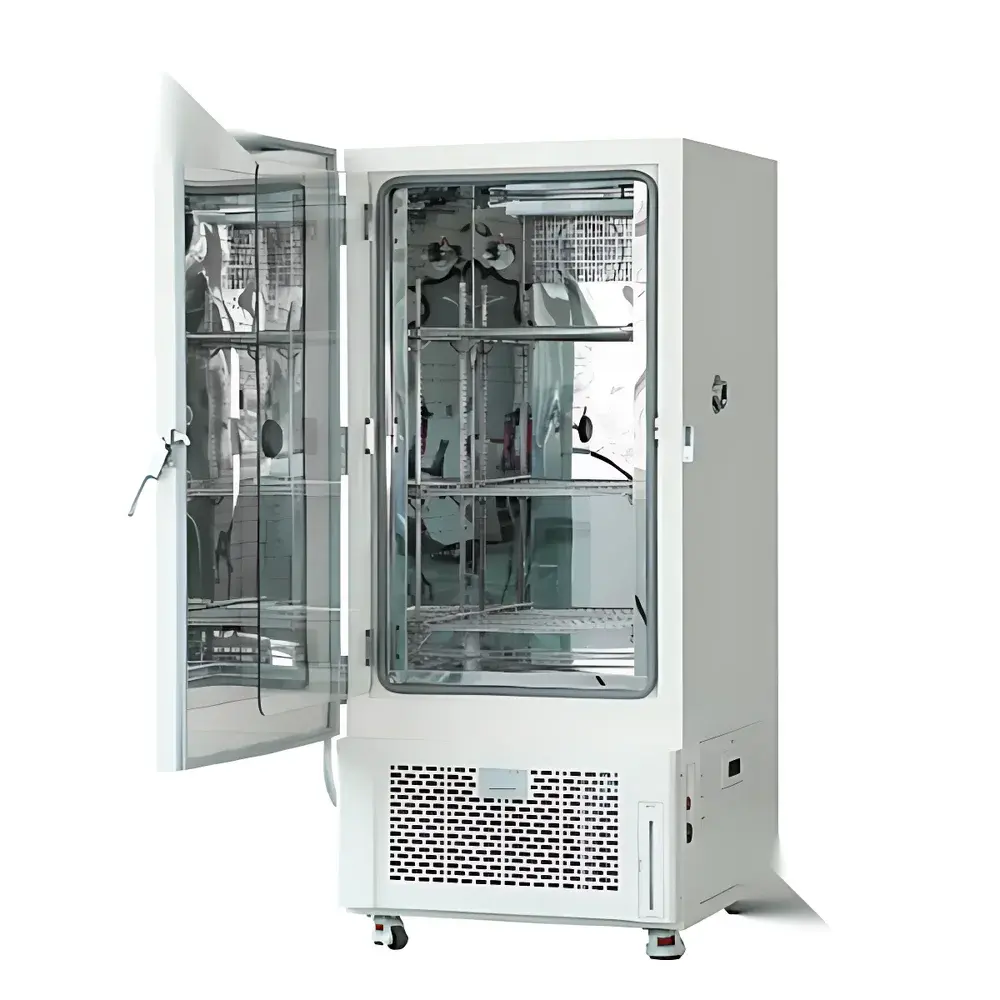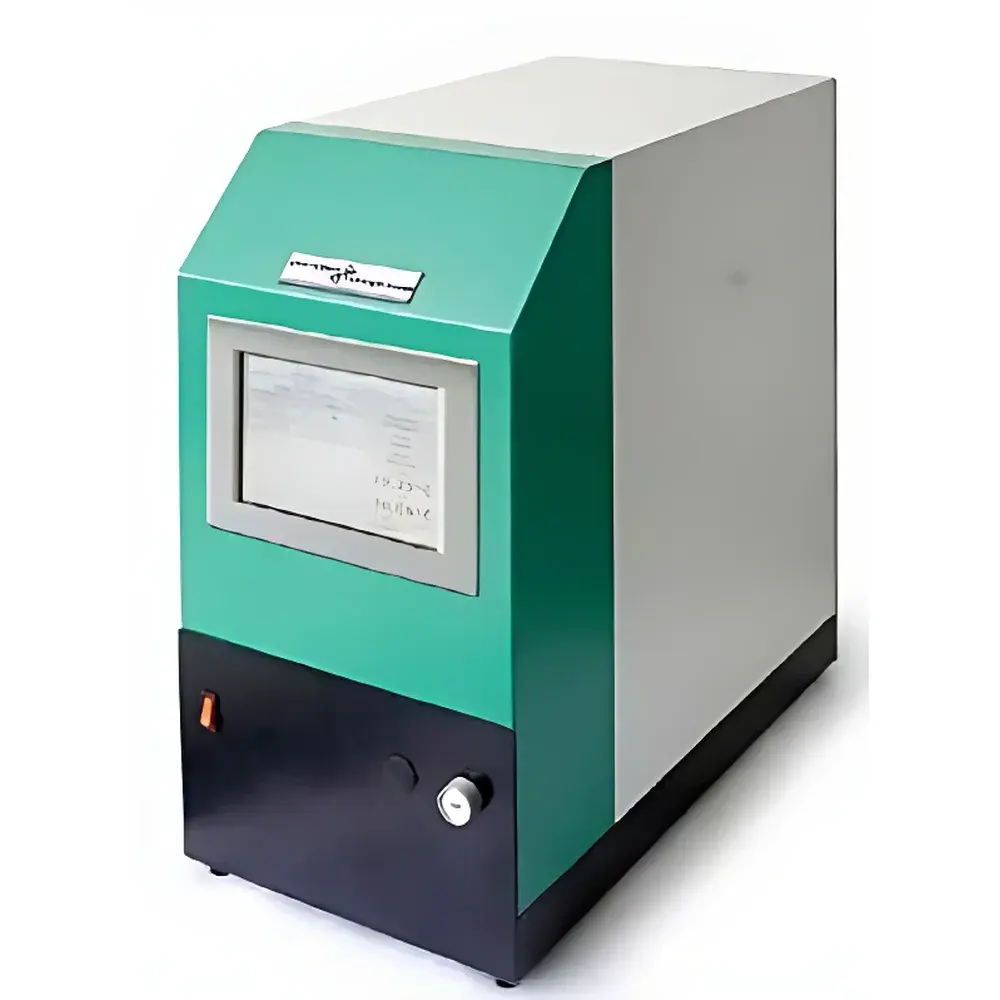
Linetechnic 700 Automated RVP Analyzer (ASTM D5191 Compliant)
| Brand | Linetechnic |
|---|---|
| Origin | Switzerland |
| Model | 700 |
| Standard Compliance | ASTM D5191, ASTM D323, IP 394 |
| Measurement Principle | Vapor Pressure via Air-Saturation Method at 37.8 °C |
| Sample Volume | 3 mL |
| Test Chamber Volume | 15 mL |
| Chamber Temperature Control | 37.8 °C ± 0.1 °C (PT100, 1/10 DIN accuracy) |
| Sample Temperature Control | 0 °C (external chiller required) |
| Pressure Range | 0–10 bar absolute (0–145 psi) |
| Vacuum System | Integrated vacuum pump interface |
| Dimensions (W×D×H) | 30 × 70 × 60 cm |
| Weight | 27 kg |
| Power Supply | 230 V / 50 Hz |
| Ambient Operating Conditions | ≤35 °C, ≤80% RH |
Overview
The Linetechnic 700 Automated RVP Analyzer is a precision-engineered instrument designed for the accurate and repeatable determination of Reid Vapor Pressure (RVP) in volatile petroleum products—primarily gasoline, reformulated fuels, and light distillates. It operates on the air-saturation principle defined in ASTM D5191, which measures the absolute vapor pressure exerted by a sample in equilibrium with its vapor phase after saturation with air at a controlled temperature of 37.8 °C (100 °F). Unlike static methods (e.g., ASTM D323), the 700 model employs dynamic injection and controlled chamber equilibration to minimize operator influence and enhance inter-laboratory reproducibility. The system introduces a precisely metered 3 mL sample—pre-cooled to 0 °C—into a thermostatically stabilized 15 mL test chamber. As the sample warms and partially volatilizes in the presence of saturated air, the resulting pressure rise is captured by a high-stability absolute pressure transducer. Final RVP is calculated from the stabilized absolute pressure reading, corrected for ambient barometric pressure per ASTM protocol.
Key Features
- Automated air-saturation workflow compliant with ASTM D5191, D323, and IP 394—eliminating manual valve manipulation and timing variability
- Integrated pneumatic syringe injector with precise 3 mL volumetric delivery and air-purge capability between runs
- Thermostatically controlled test chamber maintained at 37.8 °C ± 0.1 °C using dual PT100 sensors (1/10 DIN accuracy) and PID-regulated heating
- Dedicated sample cooling interface compatible with external recirculating chillers (0 °C stabilization required per standard)
- Vacuum-assisted chamber evacuation prior to injection, ensuring baseline integrity and removal of residual vapors
- Onboard solenoid valve manifold for automated sequence control: evacuation, air saturation, injection, equilibration, and venting
- Robust mechanical architecture with stainless-steel fluid path components and corrosion-resistant seals suitable for hydrocarbon service
- Front-panel touchscreen interface with embedded method editor, real-time pressure/temperature trending, and run logging
Sample Compatibility & Compliance
The Linetechnic 700 is validated for use with gasoline, oxygenated blends (e.g., ethanol-gasoline mixtures), naphthas, and other Class A and B volatile liquid fuels as defined in ASTM D4057 and ISO 3170. It excludes samples containing suspended water, particulates, or non-volatile residues exceeding 0.01 % v/v without pre-filtration. All operational sequences adhere strictly to the procedural requirements of ASTM D5191—including mandatory 0 °C sample conditioning, 37.8 °C chamber equilibration, and air saturation duration. Instrument design supports GLP-compliant operation: audit trails, user access levels, electronic signatures, and data immutability are enabled when integrated with Linetechnic’s optional LIMS-ready software module. Calibration verification follows ASTM D1298 and ISO 17025 traceable protocols using NIST-traceable pressure and temperature standards.
Software & Data Management
The analyzer ships with Linetechnic ControlSuite™ v4.2—a Windows-based application supporting method configuration, instrument monitoring, and raw data export in CSV and PDF formats. All pressure and temperature time-series data are timestamped and stored with full metadata (operator ID, sample ID, ambient conditions, calibration status). The software enforces electronic record retention per FDA 21 CFR Part 11 requirements when configured with digital signature and audit trail modules. Exported datasets include calculated RVP values, intermediate pressure readings, equilibration times, and deviation flags for out-of-spec runs. Remote diagnostics and firmware updates are supported via secure HTTPS connection; no cloud storage is performed unless explicitly deployed in customer-managed private infrastructure.
Applications
- Quality control laboratories in refineries performing routine RVP testing on finished gasoline batches prior to distribution
- Fuel formulation R&D labs evaluating volatility impact of oxygenate blending ratios (e.g., E10, E15)
- Regulatory compliance testing for EPA Tier 3, California CARB, and EU EN 13016-1 specifications
- Contract testing facilities serving third-party certification under ISO/IEC 17025 accreditation
- Academic research on vapor–liquid equilibrium behavior of low-carbon fuel alternatives (e.g., bio-ethers, synthetic paraffins)
FAQ
Does the Linetechnic 700 require an external vacuum pump?
Yes—the instrument includes a vacuum pump interface and control logic but does not integrate the pump itself. A certified oil-free diaphragm vacuum pump (minimum –95 kPa) must be supplied separately.
Is the 0 °C sample cooling system included?
No—sample chilling to 0 °C is mandatory per ASTM D5191 but requires an external recirculating chiller or ice bath. Linetechnic offers optional 6-position chilled sample racks with Peltier cooling (model CR-6P) as an accessory.
Can the 700 analyze samples containing ethanol above 15 vol%?
Yes, provided the sample is homogenized and free of phase separation. The air-saturation method remains valid for ethanol blends up to E85; however, users must validate recovery and repeatability per internal SOPs.
What maintenance intervals are recommended?
Pressure sensor zero calibration every 30 days; chamber seal inspection every 6 months; pneumatic syringe lubrication annually. Full performance verification against reference standards is advised quarterly.
Is remote operation supported over Ethernet or USB?
Yes—Ethernet (TCP/IP) is the primary communication interface. USB is available for local firmware updates and offline data transfer only.