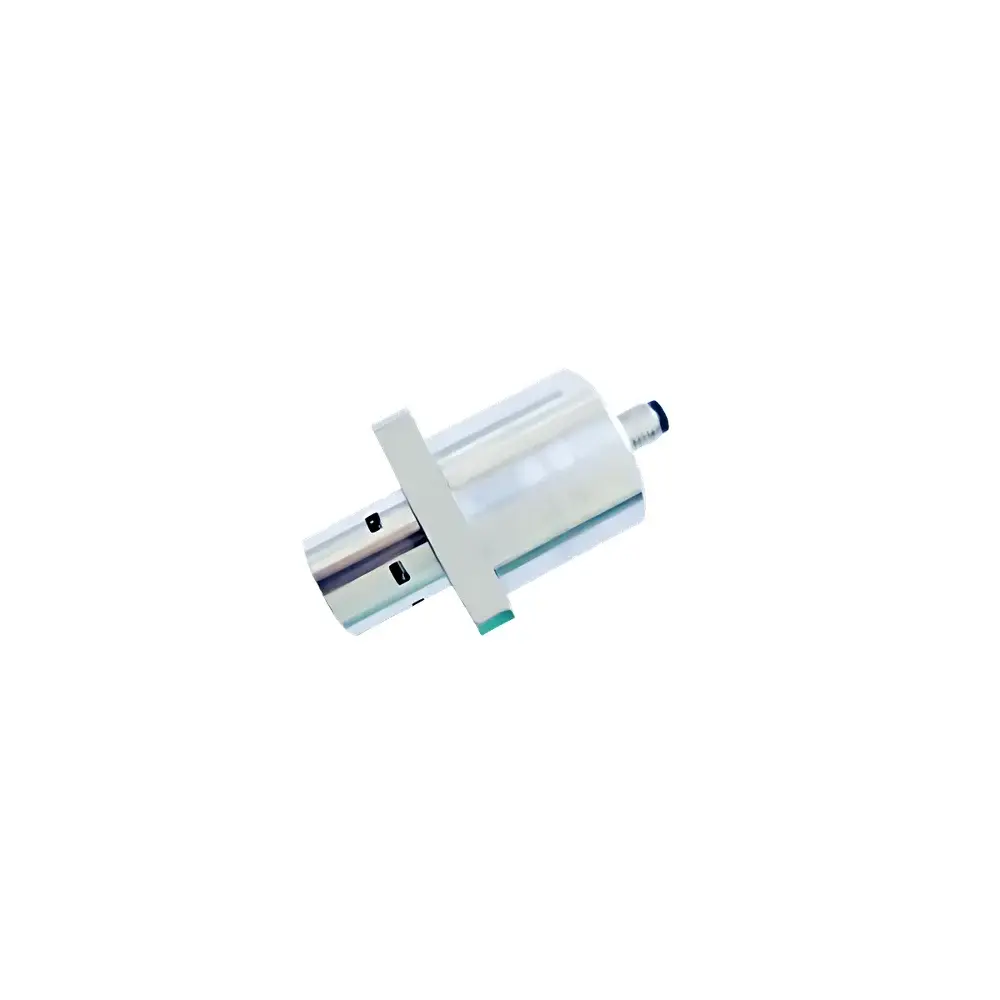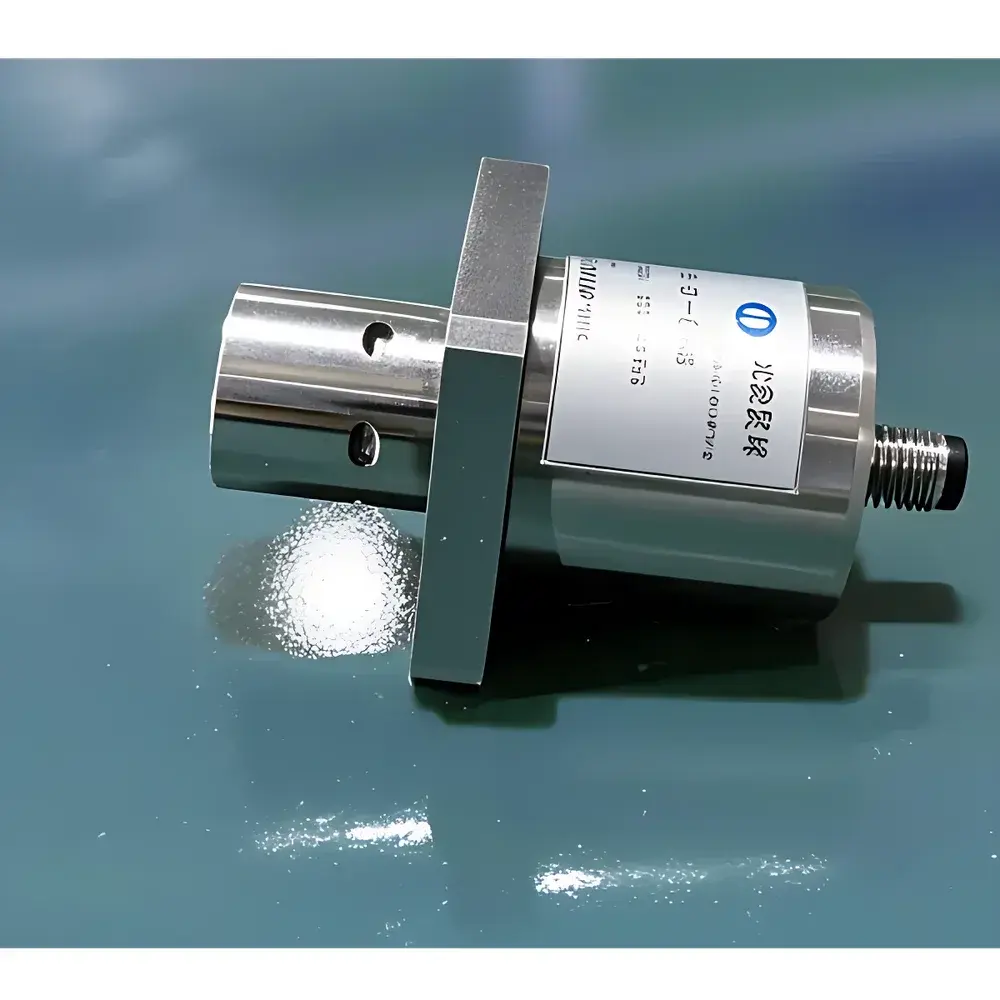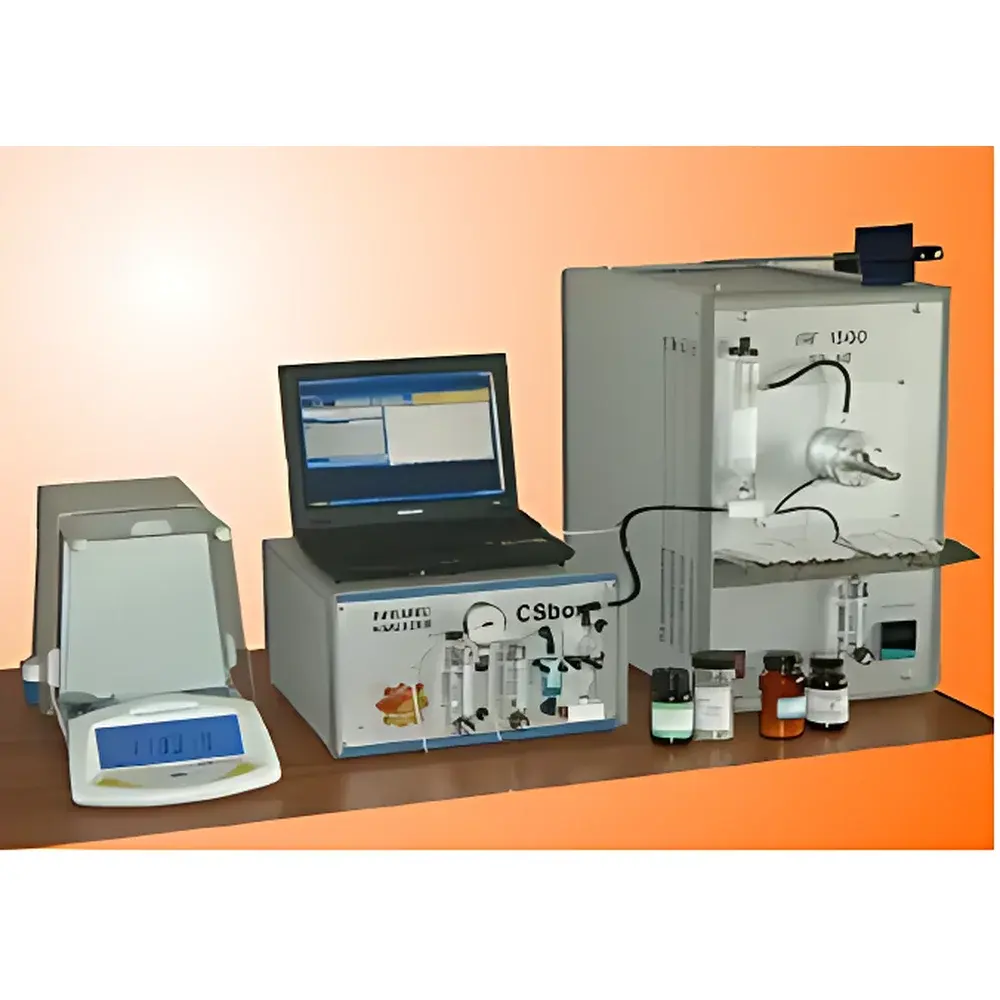
CSBox-Tube-S Infrared Sulfur Determinator (Imported from France)
| (Imported from | France |
|---|---|
| Manufacturer Type | Authorized Distributor |
| Origin Category | Imported |
| Model | CSBox-Tube-S |
| Detection Principle | Non-Dispersive Infrared (NDIR) |
| Measurement Range | 0.005–100% S |
| Accuracy | ±1% relative |
| Sample Weight | 10–200 mg |
| Analysis Time | 40–300 s |
| Combustion Temperature | 800–1550 °C |
| Gas Supply | O₂ or ambient air (for inorganic samples) |
| Dimensions (H×W×D) | 500 × 360 × 500 mm |
| Power Supply | 230 V, 0.75–2 A |
| Compliance | ASTM D4294, ISO 4319, ISO 10723, EN 15407, USP <281>) |
Overview
The CSBox-Tube-S Infrared Sulfur Determinator is a high-performance, laboratory-grade combustion analyzer engineered for precise quantification of total sulfur content in solid and liquid matrices across coal, cement, metallurgical, environmental, and petrochemical applications. It operates on the principle of high-temperature oxidative combustion followed by non-dispersive infrared (NDIR) spectroscopic detection of sulfur dioxide (SO₂). Samples—ranging from coal and coke to soils, ores, fuels, and biological materials—are combusted at programmable temperatures up to 1550 °C in a tubular or vertical furnace configuration. The evolved SO₂ gas is swept through a dust/moisture trap, pressure-regulated, and directed into a thermally stabilized IR measurement cell equipped with an interference filter optimized for the 7.3 µm absorption band of SO₂. Signal intensity is linearly correlated to sulfur concentration via calibrated response curves, enabling direct reporting of sulfur mass percentage with trace-level sensitivity and high reproducibility.
Key Features
- Flexible combustion architecture: Selectable vertical-mode (for refractory inorganic sulfides) or inclined tubular-mode (for volatile organosulfur compounds), each optimized for matrix-specific decomposition kinetics.
- Integrated weighing interface: Compatible with standard protocols from Sartorius, Mettler Toledo, Precia, and Ohaus balances; supports automatic weight import and local storage of up to 90 sample IDs and masses.
- Modular gas handling: Dual-gas capability—O₂ for organic matrices and ambient air for inorganic samples—eliminates need for external gas cylinders in field-deployable configurations.
- Low-maintenance design: German-sourced diaphragm pump with Viton® seals mounted externally for rapid replacement; compact combustion chamber volume (1/4–1/10 conventional size) enhances signal-to-noise ratio and reduces carryover.
- Embedded computing platform: Industrial-grade Advantech motherboard running FreeDOS; password-protected HDD; multiple I/O options (LPT, RS-232, USB 2.0, LAN RJ45) for data export and peripheral integration.
- Eight preconfigured analysis modes: User-selectable thermal profiles, gas flow rates, and dwell times to accommodate diverse sample types—from low-sulfur coals (30% S).
Sample Compatibility & Compliance
The CSBox-Tube-S accommodates heterogeneous solid and liquid samples including bituminous and anthracite coal, petroleum coke, limestone, fly ash, mineral ores (e.g., pyrite, chalcopyrite), agricultural feedstocks, soil extracts, and distillate fuels. Its vertical combustion mode enables robust analysis of thermally stable inorganic sulfides without oxygen carrier gas—critical for GLP-compliant geological assays. The instrument meets key international standards for sulfur determination: ASTM D4294 (XRF reference correlation), ISO 4319 (coal and coke), ISO 10723 (natural gas), EN 15407 (solid biofuels), and USP (sulfur limits in pharmaceutical excipients). All firmware and calibration routines support audit-ready electronic records, with optional timestamped log files compatible with FDA 21 CFR Part 11–compliant data management systems.
Software & Data Management
Pre-installed firmware handles full analytical workflow automation: weight acquisition, combustion initiation, gas transport timing, IR signal acquisition, peak integration, stoichiometric conversion (S → SO₂), and result display. Raw spectra and processed outputs are stored locally in CSV and proprietary binary formats. Export functions support direct transfer to LIMS via USB or Ethernet. Calibration curves are managed through a secure administrator interface with version-controlled updates. Software includes built-in diagnostics for detector stability, baseline drift compensation, and combustion efficiency monitoring—reducing operator dependency and minimizing recalibration frequency. Firmware patches and minor algorithmic corrections are delivered as validated update packages to ensure continued regulatory alignment.
Applications
This determinator serves quality control laboratories in coal-fired power generation (ASTM D3177 compliance), cement manufacturing (sulfur-induced clinker instability mitigation), steelmaking (coke sulfur specification), environmental monitoring (acid rain precursor tracking), and fuel certification (EN 590 diesel sulfur limits). Its portability and air-combustion mode support mobile lab deployment for mine-site ore grading or landfill leachate screening. In research settings, it enables kinetic studies of sulfur release during pyrolysis and validation of desulfurization technologies under controlled oxidative conditions.
FAQ
What combustion gases are required for different sample types?
Oxygen is used for organic matrices (coal, biomass, fuels); ambient air suffices for inorganic solids (ores, minerals) in vertical-mode operation.
Is the system compliant with FDA 21 CFR Part 11 requirements?
While the base firmware does not include electronic signature modules, all data logs are timestamped, immutable, and exportable—enabling integration into validated Part 11–compliant LIMS environments.
Can the instrument analyze liquid fuels directly?
Yes—using quartz boats or nickel crucibles; viscosity and volatility must be considered when selecting injection method and combustion parameters.
What is the typical service interval for the IR detector and combustion tube?
Detector stability is verified quarterly via zero/gas check; quartz combustion tubes are rated for ≥5000 cycles under standard operating conditions.
Does the system support multi-element analysis?
No—the CSBox-Tube-S is dedicated to total sulfur quantification only; parallel carbon/hydrogen/nitrogen analysis requires separate instrumentation (e.g., CHNS analyzers).
Related Products