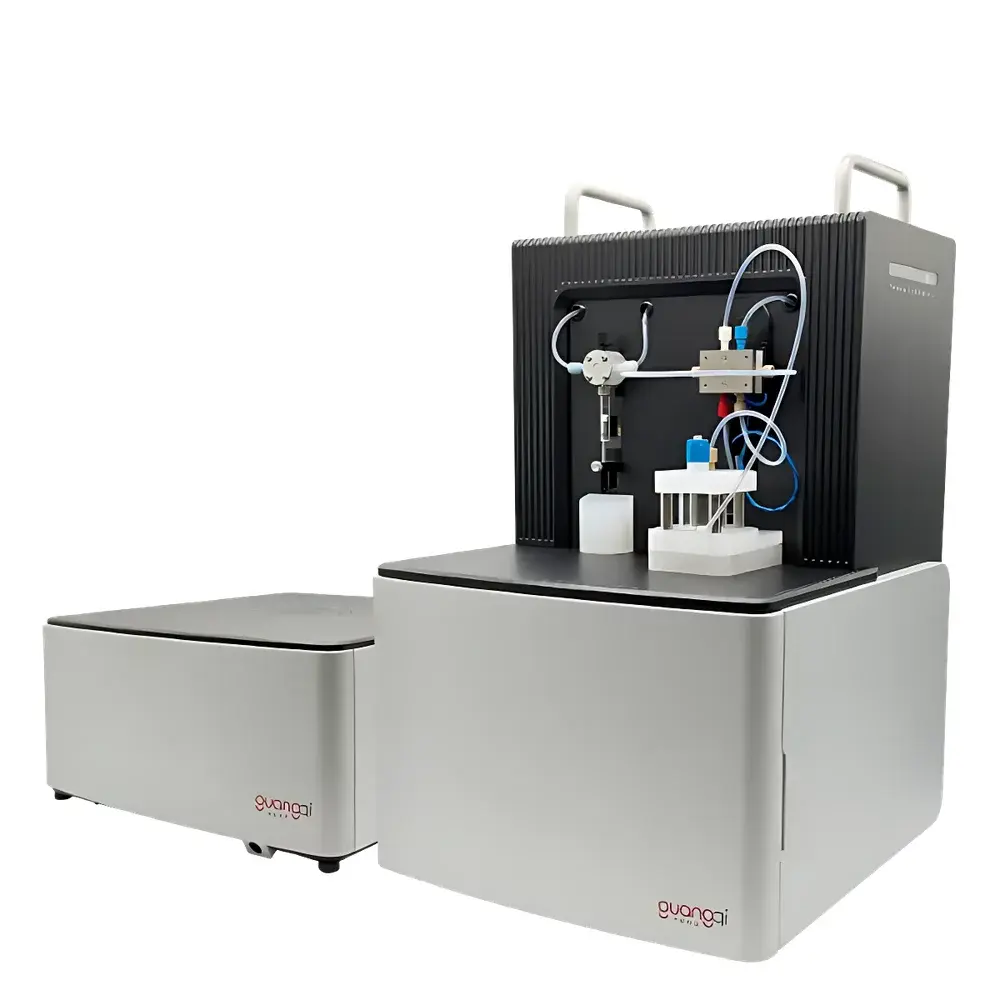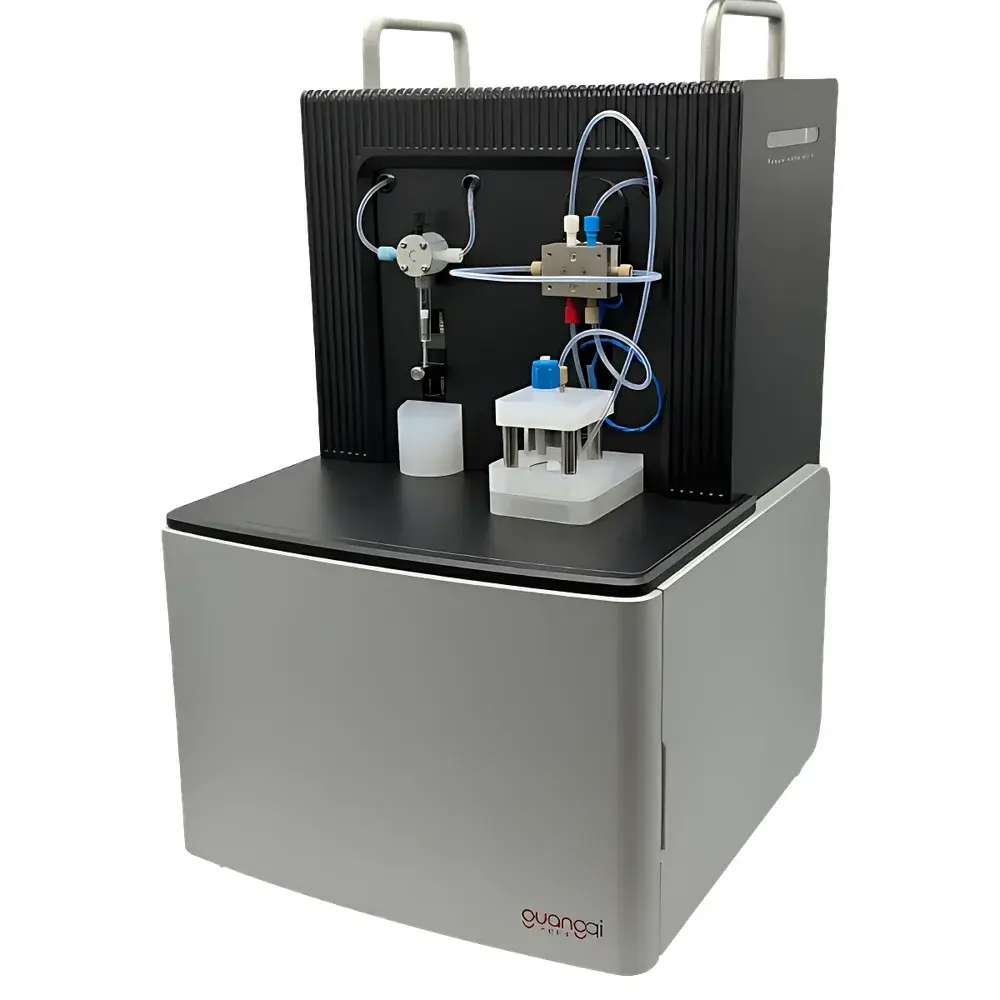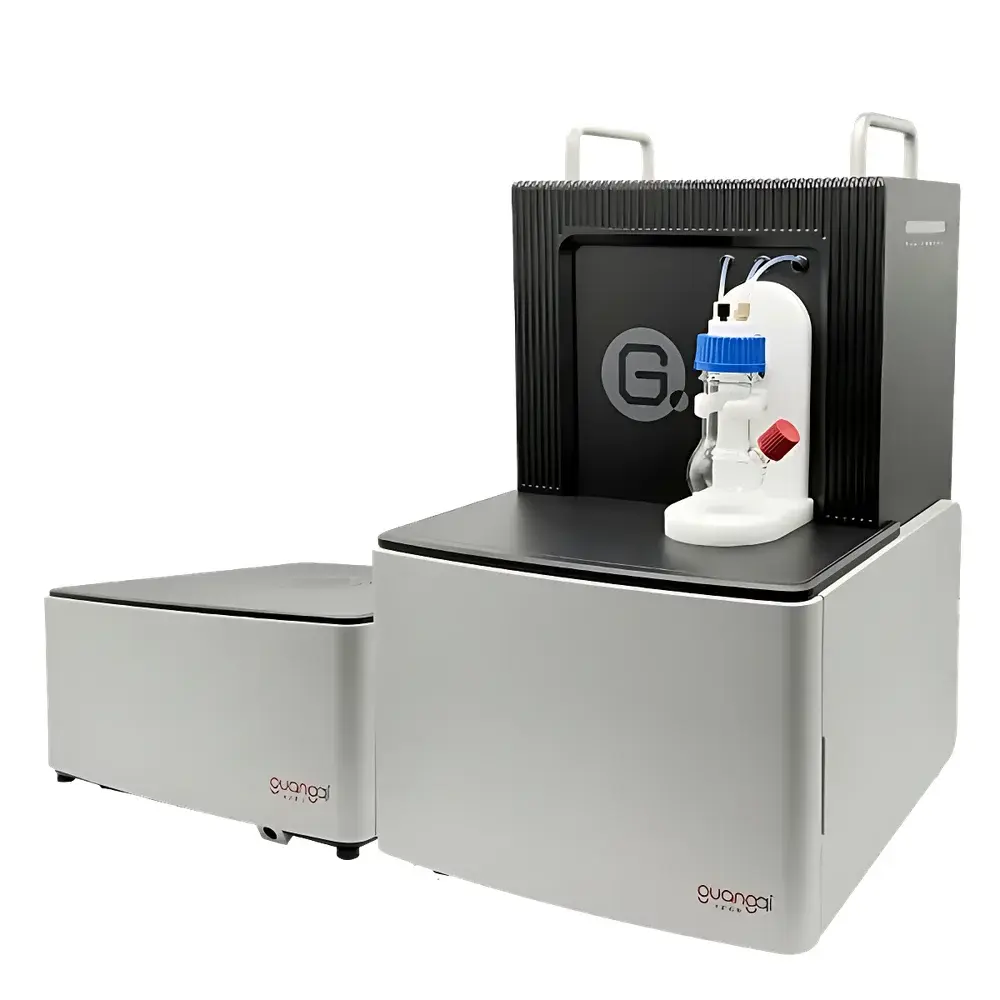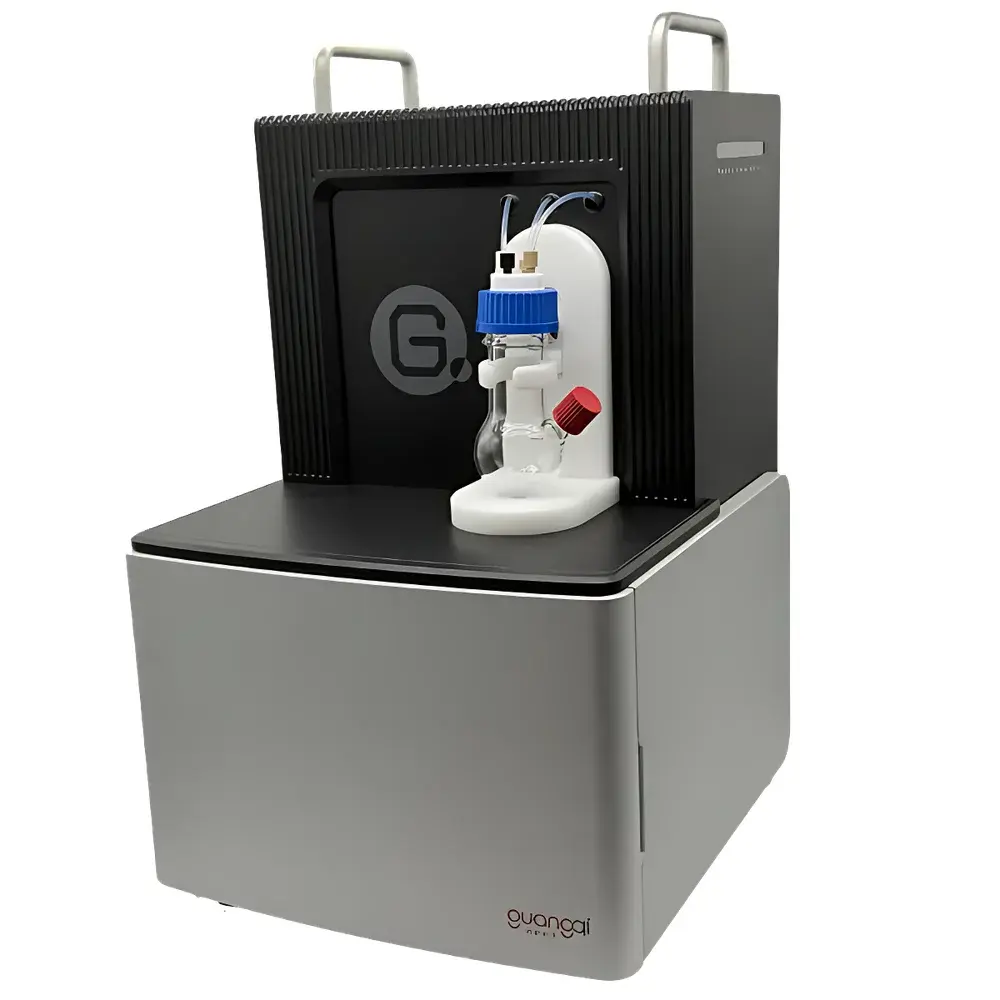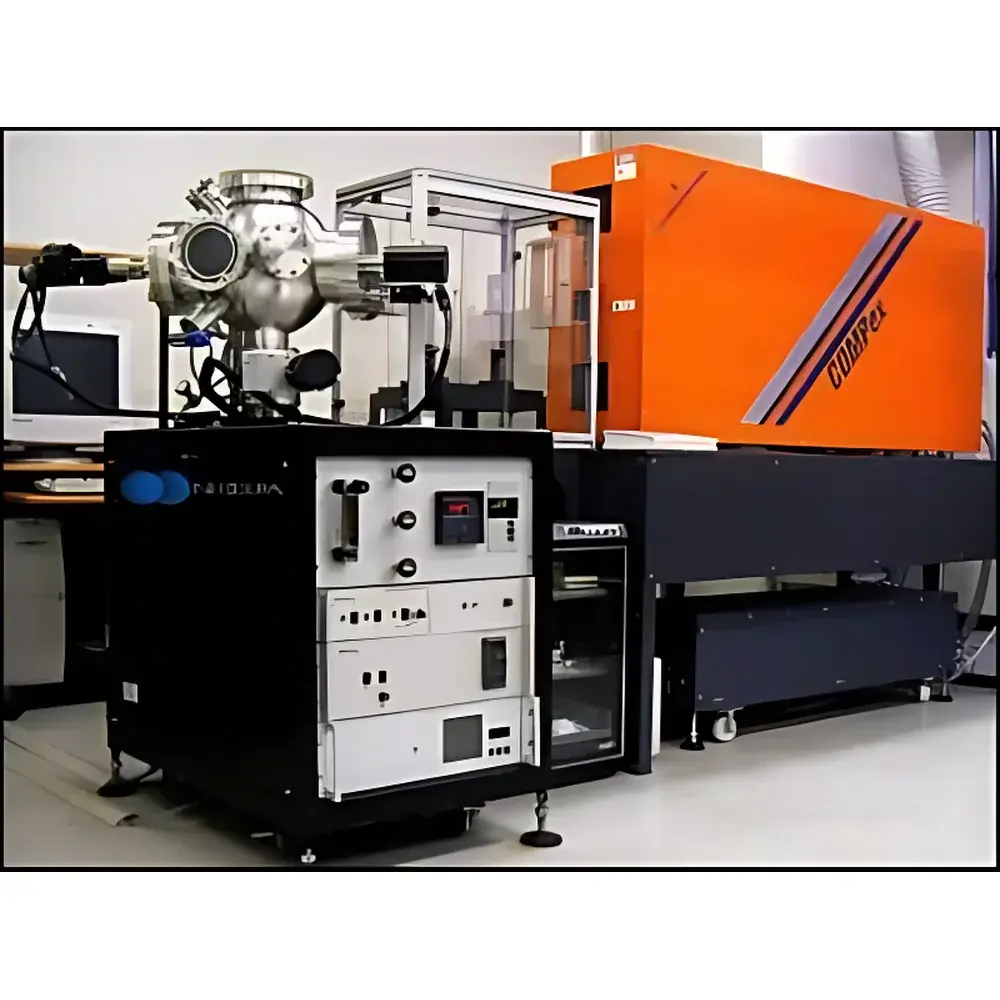
Neocera Pioneer Series PLD System with IBAD, CCS, and Laser MBE Capabilities
| Origin | USA |
|---|---|
| Manufacturer Type | Authorized Distributor |
| Origin Category | Imported |
| Model | PLD |
| Pricing | Available Upon Request |
Overview
The Neocera Pioneer Series Pulsed Laser Deposition (PLD) System is a high-precision, modular thin-film growth platform engineered for epitaxial synthesis of complex oxides, high-temperature superconductors, multiferroics, and functional nanomaterials. Operating on the fundamental principle of laser ablation—where nanosecond UV laser pulses (typically 248 nm KrF excimer) irradiate a solid target in controlled background gas (O2, Ar, N2, or vacuum)—the system generates stoichiometric plumes that condense on heated substrates to form crystalline thin films with atomic-level fidelity. Unlike conventional sputtering or evaporation, PLD maintains target composition transfer across wide pressure ranges (10−10 Torr to 760 Torr), enabling kinetic control over film nucleation, phase formation, and defect engineering. The Pioneer architecture integrates three advanced operational modes: Ion Beam Assisted Deposition (IBAD), Continuous Composition Spread (CCS), and Laser Molecular Beam Epitaxy (Laser MBE), each supported by in-situ diagnostics and vacuum-integrated motion control.
Key Features
- Modular vacuum chamber design with diameters from 8″ (Pioneer80) to 24″ (Pioneer240), all rated for full atmospheric pressure operation—critical for high-O2 post-deposition annealing and nanoparticle synthesis.
- Optimized 45° laser incidence angle ensures uniform fluence distribution across the target surface without requiring complex beam-shaping optics, minimizing thermal stress and cratering non-uniformity.
- Oil-free vacuum architecture: Standard dry pumping systems eliminate hydrocarbon contamination risks—essential for oxide film purity and reproducible interfacial chemistry.
- Variable target-to-substrate distance (adjustable during operation on Pioneer240/Pioneer180) enables precise tuning of plume expansion dynamics, kinetic energy distribution, and film density.
- Integrated substrate heating up to 950 °C (Pioneer120/Pioneer80) with rotation (standard on Pioneer240/Pioneer180) for improved thickness and compositional homogeneity.
- Differential pumping compatible with RHEED: Maintains <1×10⁻⁶ Torr at the electron gun while sustaining up to 500 mTorr process pressure—enabling real-time, atomic-layer-resolved growth monitoring via Reflection High-Energy Electron Diffraction.
Sample Compatibility & Compliance
The Pioneer PLD platform supports deposition on rigid (Si, MgO, SrTiO3, LaAlO3) and flexible (metal tapes, polymer-coated foils) substrates up to 4″ diameter. It accommodates multi-target carousels (up to six 1″ targets or three 2″ targets), enabling sequential or combinatorial deposition without venting. All configurations comply with ISO 27427 (vacuum equipment safety), ASTM F1814 (thin-film metrology standards for electronic materials), and are fully compatible with GLP/GMP documentation workflows. Optional IBAD integration meets requirements for biaxially textured buffer layer fabrication per IEEE Std 1781 (HTS wire manufacturing). Vacuum integrity and pressure calibration adhere to ISO 3529-3; residual gas analysis supports trace impurity quantification per SEMI F20.
Software & Data Management
Neocera’s proprietary PLD Control Suite provides deterministic, timestamped control of laser firing (pulse count, repetition rate, energy), substrate temperature ramps, gas flow profiles (MFC-controlled O2/Ar mixtures), shutter sequencing, and motorized stage positioning. All parameters are logged with millisecond resolution and stored in HDF5 format for traceability. The software supports FDA 21 CFR Part 11-compliant user access levels, electronic signatures, and audit trails. For CCS experiments, composition gradients are programmatically defined via synchronized target translation and laser pulse allocation—generating continuous ternary or pseudo-binary libraries without masks or post-deposition diffusion anneals. Export modules interface directly with MATLAB, Python (via PyHDF), and commercial XRD/AFM analysis suites.
Applications
- Growth of YBCO (YBa2Cu3O7−δ) superconducting films on flexible YSZ-buffered metal tapes, achieving FWHM (φ-scan) ≤ 7°, Tc = 88–89 K, ΔTc ≈ 0.5 K, and Jc(77 K, 0 T) ≥ 1.5 × 10⁶ A/cm2.
- Combinatorial discovery of multiferroic BiFeO3-based solid solutions using CCS mode—mapping structure–property relationships across >100 composition points per single run.
- In-situ RHEED-monitored Laser MBE of SrTiO3 quantum wells, enabling layer-by-layer growth verification and oscillation-based thickness calibration at sub-Å precision.
- Low-temperature (<400 °C) deposition of amorphous InGaZnO (IGZO) channels for flexible TFTs, leveraging PLD’s low-thermal-budget plume kinetics.
- Synthesis of metastable perovskite phases (e.g., CaTiO3 polymorphs) via rapid quenching under high-pressure O2 ambient (≥300 Torr).
FAQ
What vacuum level is required for standard PLD oxide deposition?
For most complex oxide films (e.g., YBCO, LSMO), base pressure ≤1×10⁻⁸ Torr (Pioneer240) or ≤1×10⁻⁶ Torr (Pioneer180/120/80) is recommended prior to introducing reactive gases. Process pressures range from 10−5 to 500 mTorr O2, depending on desired stoichiometry and crystallinity.
Can the system deposit metallic, nitride, or sulfide films?
Yes—by adjusting background gas (N2, NH3, H2S) and laser fluence, the Pioneer platform has demonstrated reproducible growth of TiN, MoS2, and FePt films. Target compatibility includes conductive, insulating, and air-sensitive materials when loaded via load-lock options.
Is remote operation and automation supported?
All Pioneer systems include Ethernet-enabled PLC control and RESTful API endpoints for integration into automated lab networks (e.g., LabVIEW, Python-based scheduler frameworks). Full recipe scripting, error logging, and email/SNMP alerting are standard.
How is laser alignment maintained over extended operation?
The optical train uses kinematic mounts with differential micrometers and integrated HeNe alignment lasers. Chamber-integrated viewport windows feature anti-reflective coatings optimized for 248 nm, and beam path stability is verified quarterly using beam profiler diagnostics.
What service and support options are available post-installation?
Neocera provides on-site installation and commissioning, operator training (including IBAD/RHEED/CCS protocol development), annual preventive maintenance contracts, and 24/7 remote diagnostics support. Spare parts inventory is maintained in North America and Europe for ≤72-hour critical component delivery.