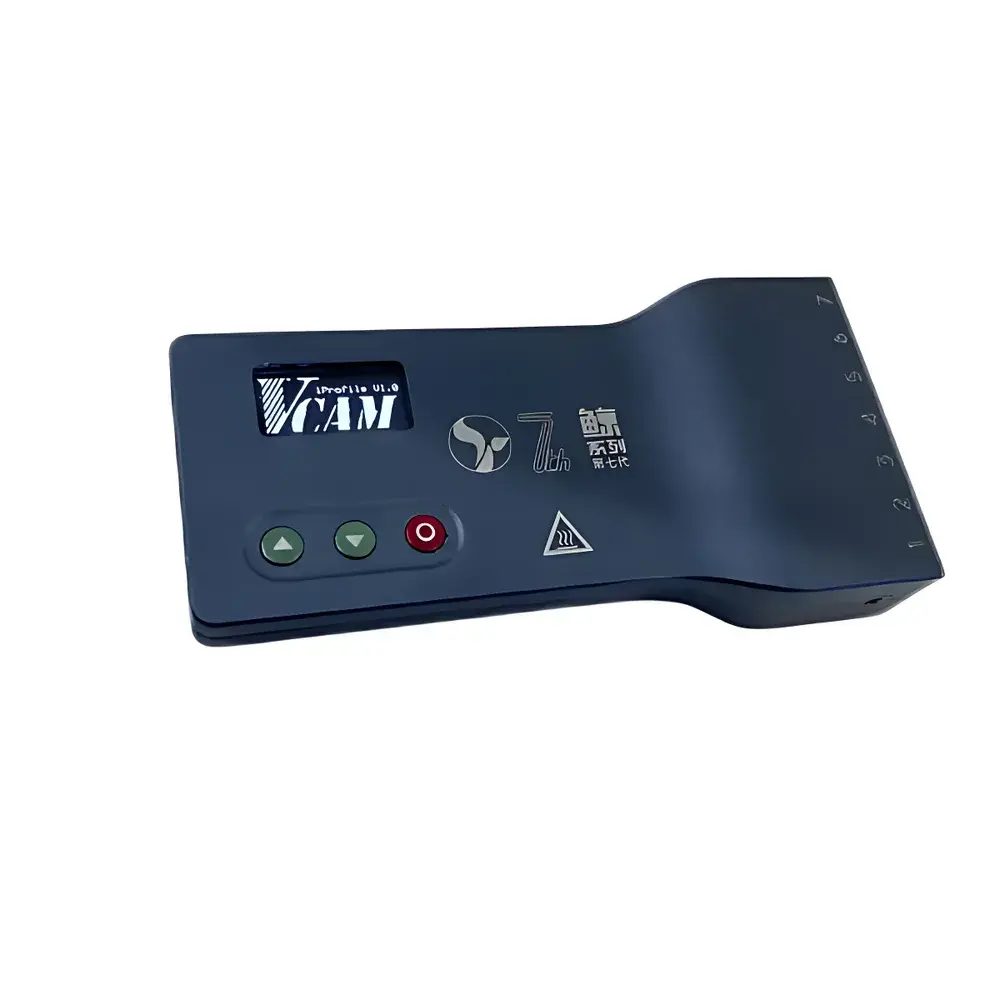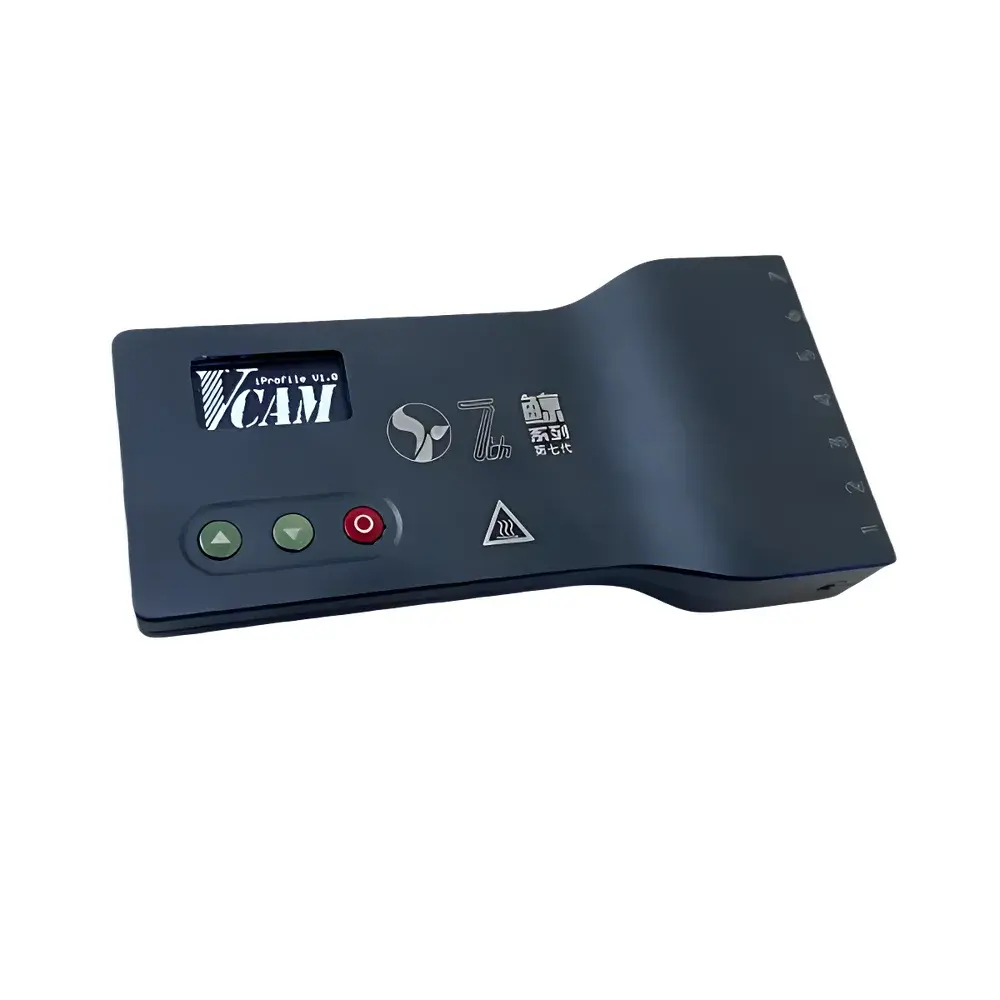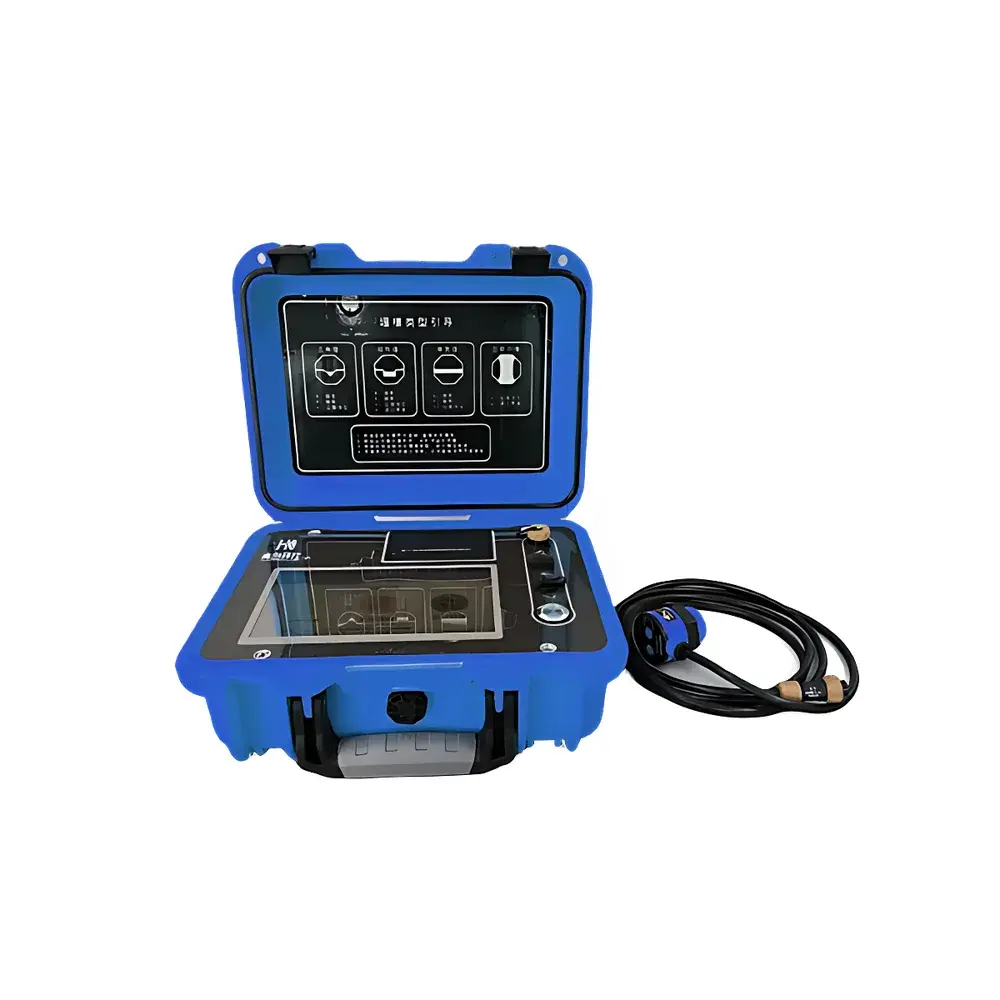
HUANKONG GHK-6010 Portable Open-Channel Flowmeter
| Brand | HUANKONG |
|---|---|
| Model | GHK-6010 |
| Origin | Shandong, China |
| Manufacturer Type | Direct Manufacturer |
| Compliance | JJG711-1990, HJ15-2019, HJ353-2019, HJ354-2019, HJ355-2019 |
| Measurement Principle | Ultrasonic Time-of-Flight (TOF) |
| Display | 7-inch Color TFT Touchscreen |
| ADC Resolution | 24-bit |
| Data Storage Capacity | 50,000 Records |
| Battery Life | Up to 72 Hours (Li-ion Rechargeable) |
| Connectivity | USB 2.0, RS232, Optional GNSS (GPS/BeiDou) |
| Printing | Integrated Thermal Microprinter |
| Portability | Carry-on Case Design, <3.2 kg Total Weight |
| 堰 Compatibility | V-notch, Rectangular, Parshall, and Trapezoidal (UST) Weirs |
Overview
The HUANKONG GHK-6010 Portable Open-Channel Flowmeter is an ultrasonic time-of-flight (TOF) based field instrument engineered for accurate, non-intrusive measurement of liquid flow velocity and volumetric flow rate in open-channel hydraulic structures—including natural rivers, irrigation canals, wastewater channels, and pre-engineered flumes and weirs. Unlike mechanical propeller or electromagnetic sensors, the GHK-6010 employs dual transducer arrays mounted above the water surface to emit and receive high-frequency ultrasonic pulses across the channel cross-section. By precisely calculating the transit-time differential between upstream and downstream acoustic paths, the device computes average surface velocity—then applies standardized hydraulic equations (e.g., ISO 4359, ASTM D5942, and China’s HJ15-2019) to derive real-time flow rate based on measured stage height and pre-configured weir or flume geometry. Its design adheres strictly to metrological traceability requirements outlined in JJG711-1990 and environmental monitoring compliance frameworks defined in the HJ35x series standards—making it suitable for regulatory-grade data acquisition in municipal wastewater discharge monitoring, ecological flow assessment, and industrial effluent reporting under China’s Ministry of Ecology and Environment (MEE) mandates.
Key Features
- Ultrasonic TOF sensing with no submerged moving parts—eliminates mechanical wear, fouling sensitivity, and routine calibration drift.
- 24-bit high-resolution analog-to-digital conversion ensures stable signal integrity across variable turbidity, temperature gradients, and low-flow conditions.
- 7-inch capacitive touchscreen interface with icon-driven navigation and multilingual UI support (English, Chinese), enabling intuitive operation without technical training.
- Real-time dual-curve display: simultaneous graphical rendering of instantaneous flow rate (L/s or m³/h) and hydrostatic level (mm or cm) over configurable time windows (1 min to 24 h).
- Integrated thermal microprinter supports on-site hardcopy output of measurement sessions—including timestamp, geometry parameters, raw velocity, level, and computed flow.
- Onboard storage retains up to 50,000 timestamped records with full metadata (location tag if GNSS enabled, battery status, sensor health flags).
- Rechargeable lithium-ion battery pack delivers ≥72 hours of continuous operation at 15-minute sampling intervals—validated under IEC 62133 safety standards.
- Modular hardware architecture allows field-upgradable firmware and optional GNSS modules (GPS L1 + BeiDou B1I) for georeferenced survey logging and spatial QA/QC alignment.
- Ruggedized carry-case enclosure meets IP65 ingress protection—resistant to dust, rain splash, and incidental impact during field deployment.
Sample Compatibility & Compliance
The GHK-6010 is validated for use with four standard hydraulic control structures: 90° V-notch (triangular) weirs, rectangular weirs (with and without end contractions), UST (uniform-section trapezoidal) weirs, and Parshall flumes—covering flow ranges from 0.05 L/s to >10 m³/s depending on installation geometry and channel dimensions. All hydraulic computations follow empirically derived coefficients and discharge equations specified in HJ15-2019 and cross-referenced with ISO 1438-1:2021 (open-channel flow measurement using weirs and flumes). Instrument validation protocols align with HJ354-2019 acceptance testing procedures—including zero/span verification, repeatability assessment (<±2% RSD), and field intercomparison against reference magnetic flowmeters or tracer dilution methods. Data integrity complies with HJ355-2019 operational requirements for audit-ready logging, including immutable timestamps, operator ID tagging, and change history tracking.
Software & Data Management
Data export is supported via USB mass-storage mode (FAT32 formatted), enabling direct drag-and-drop transfer of CSV-formatted measurement logs to Windows/macOS/Linux workstations. A dedicated PC utility (Windows 10/11 compatible) provides advanced post-processing capabilities: batch calibration coefficient adjustment, stage-discharge curve fitting (polynomial or power-law regression), outlier filtering, and automated report generation per MEE Form HJ355 Annex A. All stored records include embedded metadata headers compliant with ISO/IEC 17025 traceability requirements. While the GHK-6010 does not implement FDA 21 CFR Part 11 electronic signature functionality (as it is not deployed in pharmaceutical GMP environments), its audit trail features—including write-protected memory sectors and tamper-evident file headers—support GLP-aligned data governance in environmental laboratories.
Applications
- Regulatory wastewater discharge monitoring at municipal treatment plants and industrial outfalls.
- Hydrological surveying of ungauged streams and seasonal irrigation canals.
- Performance verification of primary clarifiers, grit chambers, and equalization basins.
- Calibration support for fixed online open-channel flow systems (e.g., permanent ultrasonic or radar-based installations).
- Field validation of hydraulic models used in floodplain mapping and watershed management planning.
- Educational use in civil engineering and environmental science curricula for hands-on hydraulics instruction.
FAQ
What hydraulic structures does the GHK-6010 support?
It supports V-notch, rectangular, trapezoidal (UST), and Parshall flumes—configurable via built-in geometry templates aligned with HJ15-2019.
Is the device suitable for saline or wastewater applications?
Yes—non-contact ultrasonic measurement eliminates corrosion risk; however, heavy surface scum or floating debris may attenuate signal strength and require periodic optical path inspection.
Can measurement data be integrated into SCADA or cloud-based EMS platforms?
Raw CSV exports are compatible with common data ingestion pipelines; custom Modbus RTU or MQTT gateways can be implemented externally via RS232 serial output.
Does the GHK-6010 require annual recalibration?
No scheduled recalibration is mandated per HJ355-2019; users perform quarterly functional checks using known geometry and still-water level verification—full metrological recalibration is recommended every 24 months by an accredited lab.
How is positional accuracy ensured when GNSS is enabled?
The optional GPS/BeiDou module delivers horizontal accuracy of ≤3 m CEP (95%) under open-sky conditions; coordinate logging follows WGS84 datum and includes PDOP quality indicators in each record header.