
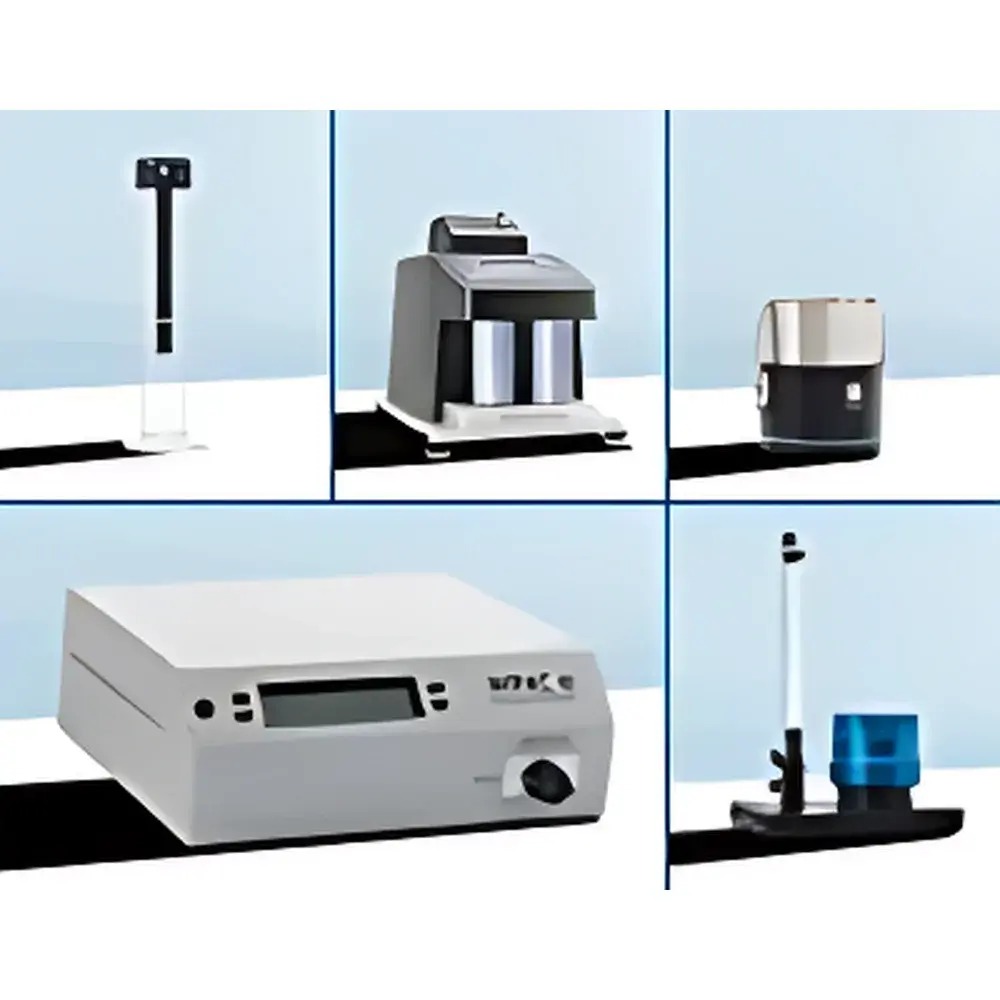
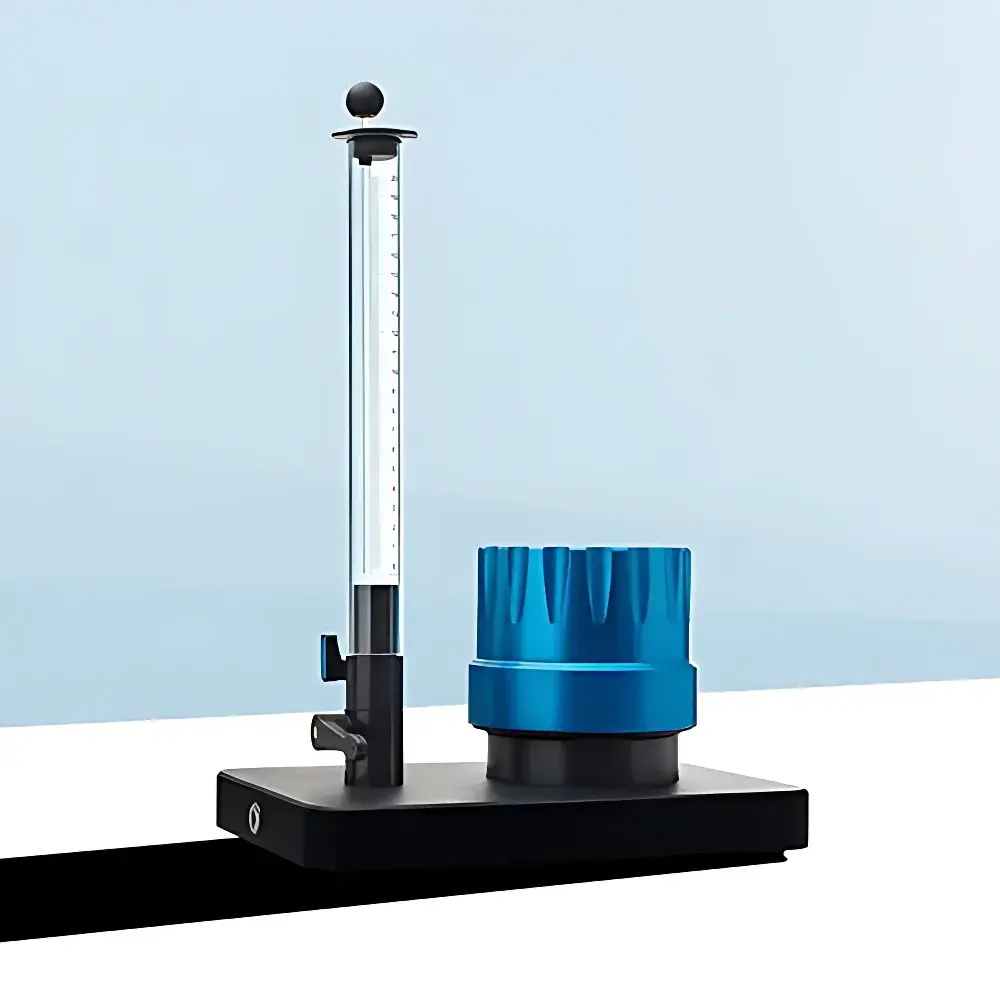
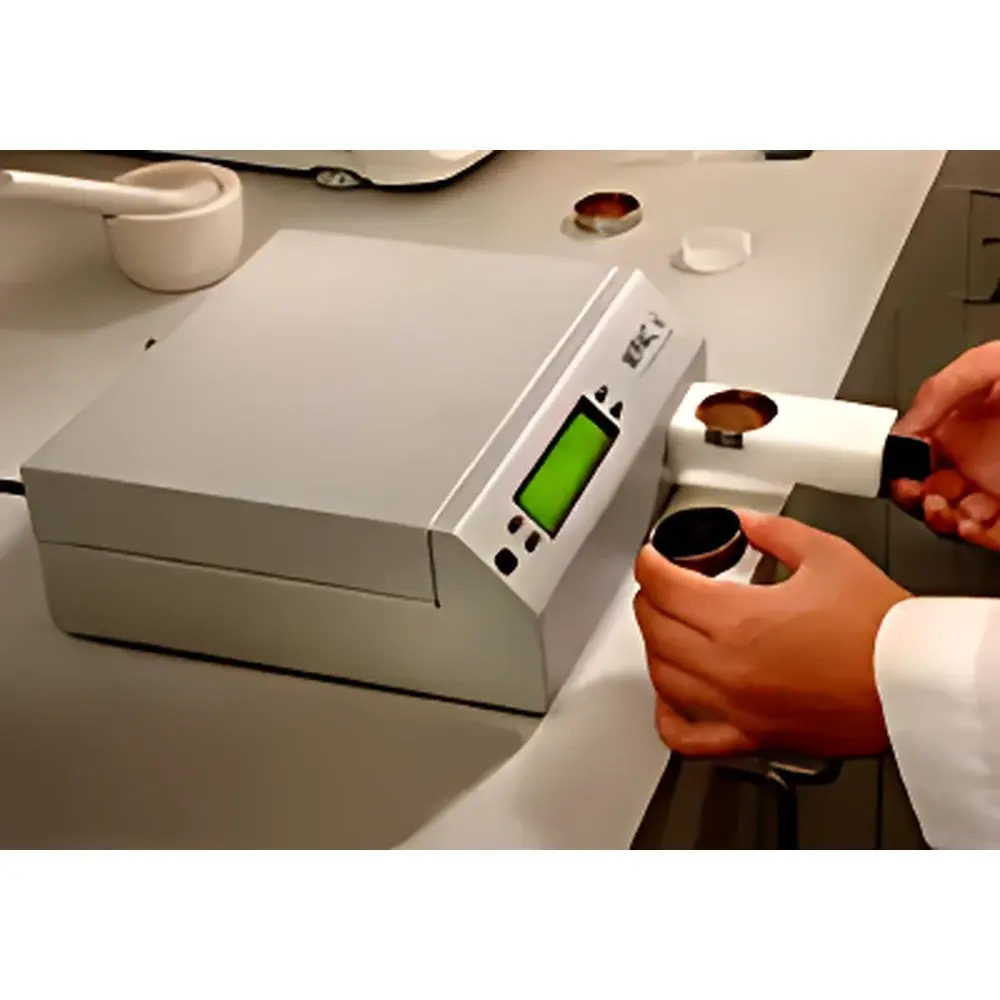
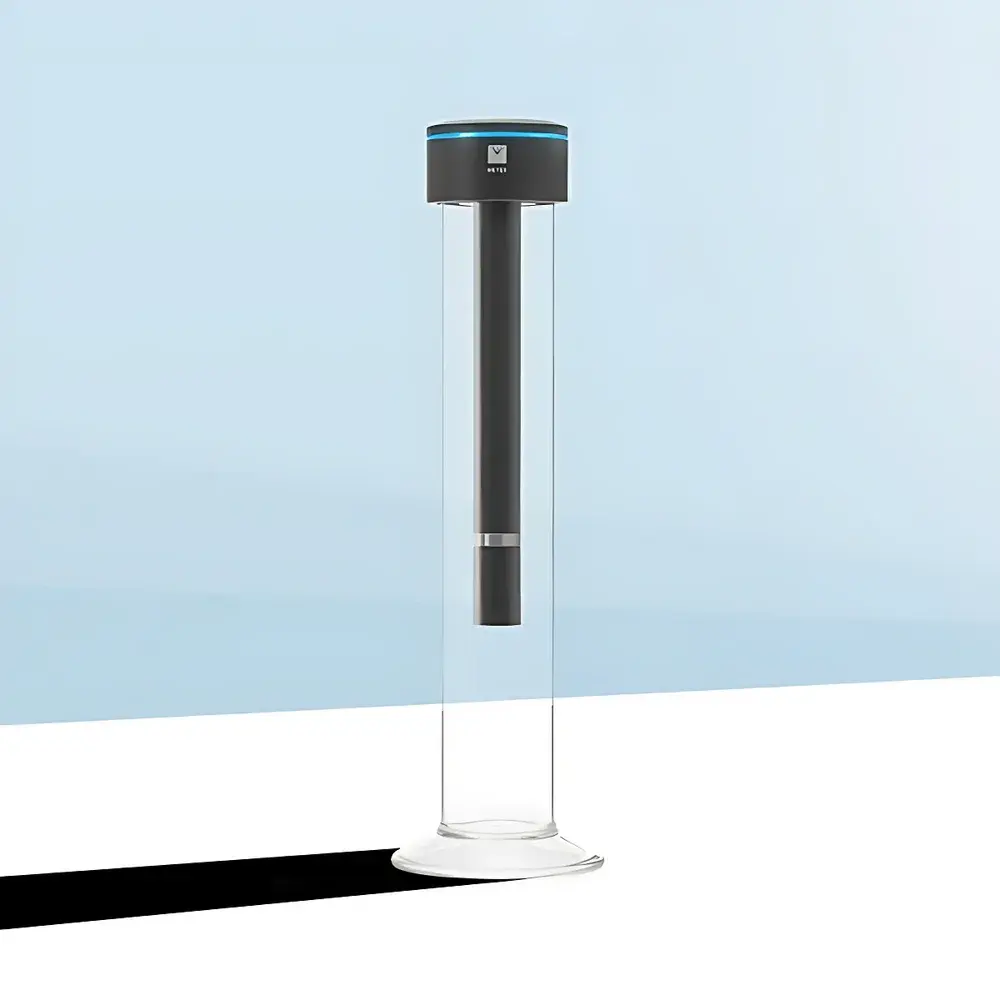
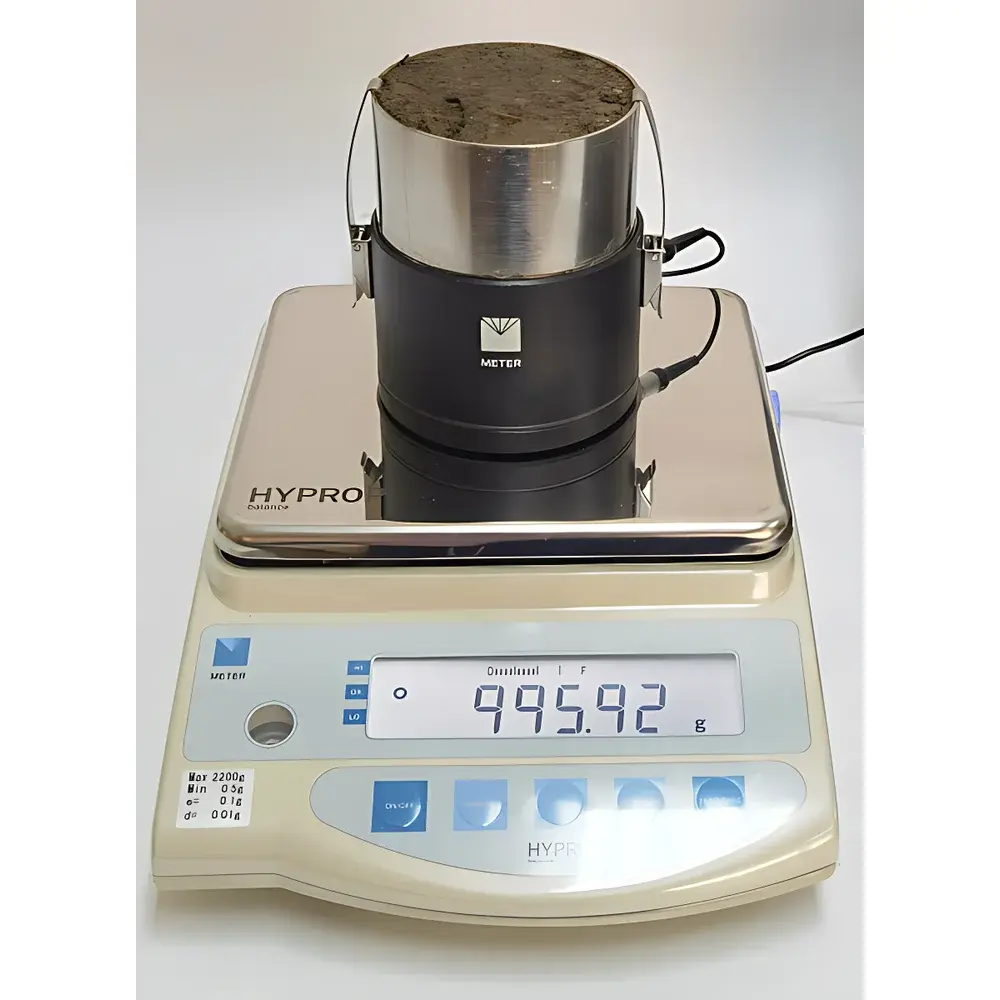
METER KSAT/HYPROP 2/WP4C Soil Moisture Characterization Workstation
| Brand | METER |
|---|---|
| Origin | USA |
| Manufacturer Type | Authorized Distributor |
| Origin Category | Imported |
| Model(s) | KSAT, HYPROP 2, WP4C, TEROS 31, AQUALAB VSA, PARIO |
| Instrument Type | Soil Water Content & Water Potential Analyzer |
| Measurement Range (Combined) | +20 hPa to –475 MPa (water potential), 0.01–5,000 cm/d (saturated hydraulic conductivity), 63–2 µm (particle size distribution) |
Overview
The METER KSAT/HYPROP 2/WP4C Soil Moisture Characterization Workstation is a modular, laboratory-based instrumentation platform engineered for comprehensive soil hydraulic property characterization. It integrates six core instruments—KSAT (saturated hydraulic conductivity), HYPROP 2 (unsaturated hydraulic conductivity and wet-end water retention), TEROS 31 (high-resolution tensiometric water potential sensing), WP4C (dewpoint-based water potential measurement), AQUALAB VSA (dynamic dewpoint isotherm generation), and PARIO (automated particle-size distribution analysis)—to collectively span the full water potential continuum from +20 hPa (near saturation) to –475 MPa (ultra-dry conditions). This integrated approach addresses a fundamental limitation in soil physics: no single instrument can empirically resolve the entire soil water retention curve (SWRC) or hydraulic conductivity function across both wet and dry domains. The workstation leverages complementary physical principles—including falling/constant-head permeametry (KSAT), evaporation-driven desorption with simultaneous tensiometric and gravimetric monitoring (HYPROP 2), thermodynamic dewpoint equilibrium (WP4C and AQUALAB VSA), and laser diffraction coupled with sedimentation kinetics (PARIO)—to generate traceable, high-resolution datasets compliant with ISO 11277, ASTM D422, and USDA NRCS Soil Survey Laboratory Methods Manual protocols.
Key Features
- Modular architecture enabling independent or synchronized operation of KSAT, HYPROP 2, WP4C, TEROS 31, AQUALAB VSA, and PARIO units
- Full-spectrum water potential coverage: +20 hPa to –475 MPa, bridging capillary, osmotic, and matric domains
- Automated,无人值守 (unattended) measurement cycles—HYPROP 2 completes wet-end SWRC in ≤5 days; AQUALAB VSA generates ≥100-point isotherms in ≤48 hours
- High spatial resolution water potential mapping via TEROS 31 tensiometers (0.5 cm² ceramic sensor head, response time <60 s)
- KSAT’s dual-mode operation: automated falling-head and manual constant-head methods for saturated hydraulic conductivity (Ks)
- PARIO’s fully automated particle-size analysis (63–2 µm range) with ISO 13319-compliant laser diffraction and Stokes’ law-based settling velocity calibration
- All instruments support GLP-compliant data logging with timestamped metadata, audit trails, and export to CSV, Excel, and .soil file formats
Sample Compatibility & Compliance
The workstation accommodates intact cores (up to 10 cm diameter × 15 cm height), repacked soils, and disturbed samples in standardized rings or Petri dishes. HYPROP 2 and TEROS 31 are validated for mineral, organic, and volcanic ash soils with bulk densities between 0.8–2.2 g/cm³. WP4C and AQUALAB VSA accept powders, pastes, gels, and hydrated clays without pre-drying. All systems comply with ISO/IEC 17025 analytical validation requirements when operated per METER’s documented standard operating procedures (SOPs). Data acquisition software supports 21 CFR Part 11 electronic signature and audit trail functionality for regulated environments. Instrument calibration is traceable to NIST-certified reference standards for water activity (WP4C, AQUALAB VSA) and hydraulic conductivity (KSAT certified reference sands).
Software & Data Management
EM50 Gateway and HYPROP View software provide unified control, real-time visualization, and batch processing across all modules. HYPROP View computes van Genuchten and Brooks-Corey parameters directly from raw mass loss and tensiometric data. WP4C and AQUALAB VSA software implement iterative psychrometric algorithms based on the Magnus-Tetens equation and published water vapor saturation functions (e.g., Sonntag 1990). PARIO software applies Mie scattering theory with user-defined refractive index inputs for accurate clay/silt/sand partitioning. All datasets export with embedded uncertainty estimates (±0.5 hPa for HYPROP 2, ±0.05 MPa for WP4C at –100 MPa, ±0.1 µm for PARIO d50). Raw files are stored in open HDF5 format for third-party modeling integration (e.g., HYDRUS-1D, STANMOD).
Applications
- Parameterization of unsaturated zone flow models in hydrological forecasting and contaminant transport simulations
- Validation of pedotransfer functions (PTFs) for regional soil mapping and digital soil assessment
- Root-zone water availability analysis for precision irrigation scheduling and drought resilience studies
- Soil structural stability assessment via pore-size distribution derived from SWRC inflection points
- GMP-compliant moisture specification testing for soil amendments, biochar, and geosynthetic clay liners
- Long-term climate change impact modeling using historical SWRC datasets archived in FAO’s World Soil Information Service (WoSIS)
FAQ
Can this workstation generate a complete soil water retention curve (SWRC) without data interpolation?
Yes—by combining HYPROP 2 (–0.02 to –1.2 MPa), WP4C (–1 to –300 MPa), and AQUALAB VSA (–0.1 to –475 MPa), the system captures continuous, physically measured points across >6 orders of magnitude in water potential, eliminating reliance on fitting-only approaches.
Is TEROS 31 compatible with HYPROP 2 as a drop-in replacement for legacy tensiometers?
Yes—TEROS 31 uses the same 10 cm ceramic tip geometry and 0–10 V analog output as HYPROP 2’s original sensors; firmware updates ensure native recognition within HYPROP View v3.2+.
Does PARIO require dispersion agents or ultrasonication for clay-rich soils?
No—PARIO employs programmable sonication bursts (0–60 s, 20–40 kHz) and dispersant titration protocols embedded in its SOP library, automatically adjusting based on electrical conductivity and turbidity feedback.
How is measurement uncertainty quantified across the integrated platform?
Each module reports expanded uncertainty (k=2) per GUM (JCGM 100:2008): KSAT (±3.2% Ks), HYPROP 2 (±0.8 hPa below –100 hPa), WP4C (±0.03 MPa at –50 MPa), AQUALAB VSA (±0.005 aw), PARIO (±0.08 µm d10). Combined SWRC uncertainty is propagated using Monte Carlo simulation in HYPROP View.
Are method-specific validation reports available for regulatory submissions?
Yes—METER provides instrument-specific IQ/OQ/PQ documentation packages aligned with ASTM D3385 (infiltration), ISO 11274 (water retention), and USP (uniformity of dosage units for soil-based pharmaceutical excipients).
Related Products







