
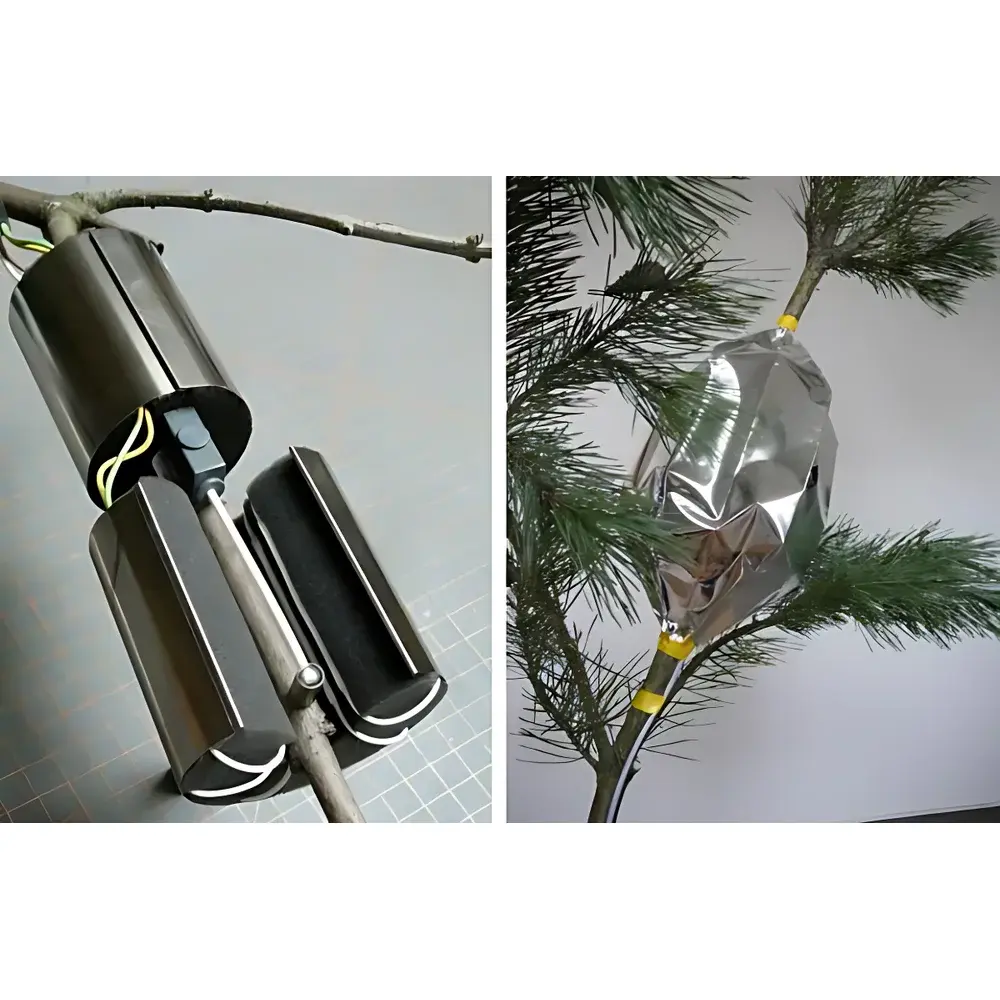
EcoTechTree Physiological Ecosystem – Integrated Stem Flow, Growth & Canopy Temperature Monitoring System
| Origin | Czech Republic |
|---|---|
| Distribution Model | Authorized Distributor |
| Import Status | Imported |
| Model | EcoTechTree Physiological Ecosystem |
| Price Range | USD 14,000 – 28,000 |
Overview
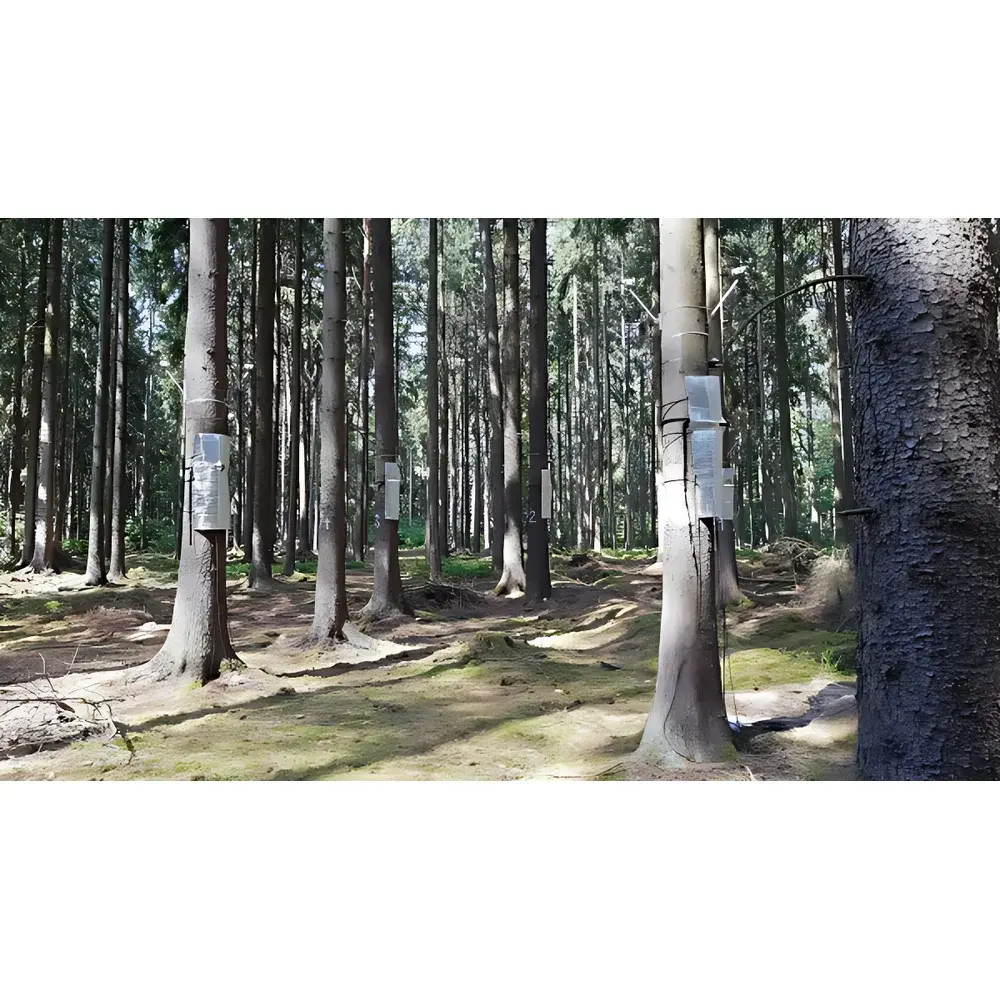
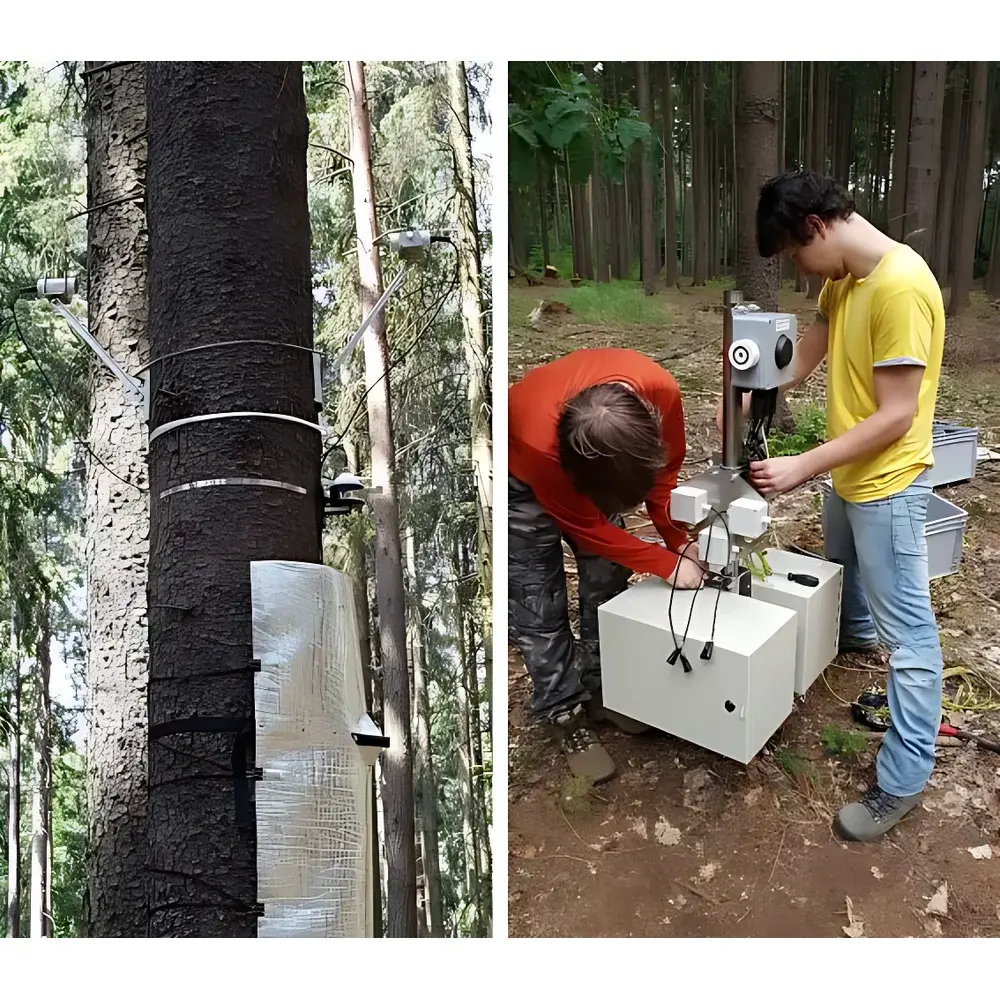
The EcoTechTree Physiological Ecosystem is a field-deployable, multi-parameter plant physiological monitoring platform engineered for long-term, non-invasive assessment of tree health and environmental response mechanisms. Built upon the principles of tissue heat balance (THB) and stem heat balance (SHB) thermodynamics, coupled with high-resolution dendrometric and infrared radiometric sensing, the system enables simultaneous, synchronized acquisition of three core physiological metrics: stem flow velocity and volume, radial growth dynamics (trunk, branch, and aerial root), and directional canopy surface temperature (north- and south-facing bark). Unlike single-sensor approaches, this integrated architecture captures interdependent biophysical relationships—such as the coupling between transpiration-driven sap flux, thermal dissipation at the bark interface, and mechanical expansion during cambial activity—providing a systems-level understanding of tree water use, carbon allocation, and stress acclimation. Designed for deployment in unattended forest plots, urban green infrastructure, and ecological research stations, the system operates autonomously across seasonal extremes—from sub-zero winter conditions to high-radiation summer environments—without compromising data integrity or sensor stability.
Key Features
- Modular, expandable sensor network architecture based on SDI-12 protocol, supporting up to 128 sensors per GreyBox N2N data logger
- Dual-mode stem flow measurement: SHB probes for stems <20 mm diameter (cylindrical clamping design, external heating, low-power operation); THB probes for trunks ≥120 mm diameter (electrode-based internal xylem heating, avoiding thermal saturation)
- Non-contact infrared canopy temperature unit operating in 8–14 µm spectral band to minimize atmospheric interference from H₂O and CO₂ absorption
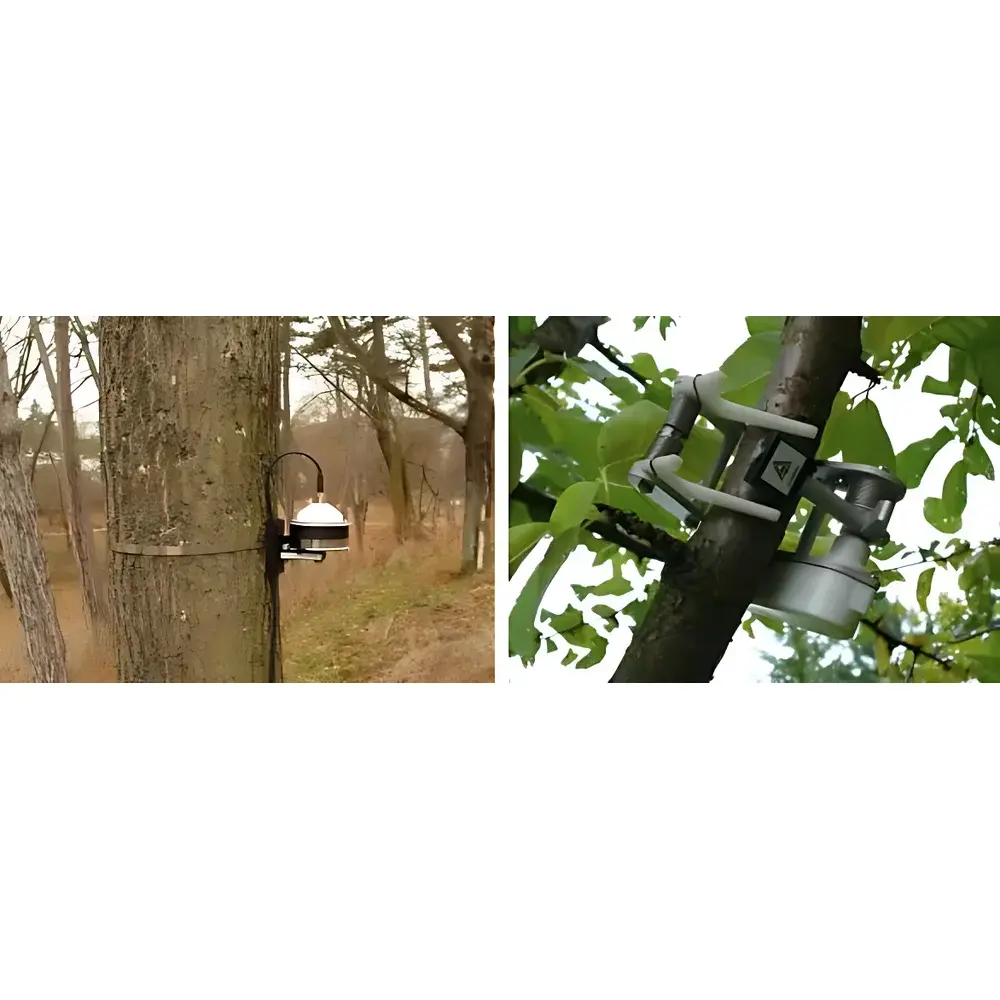
- Stainless-steel and UV-stabilized polymer dendrometers for micro-growth monitoring (<1 µm resolution), compatible with trunk, branch, and exposed aerial root surfaces
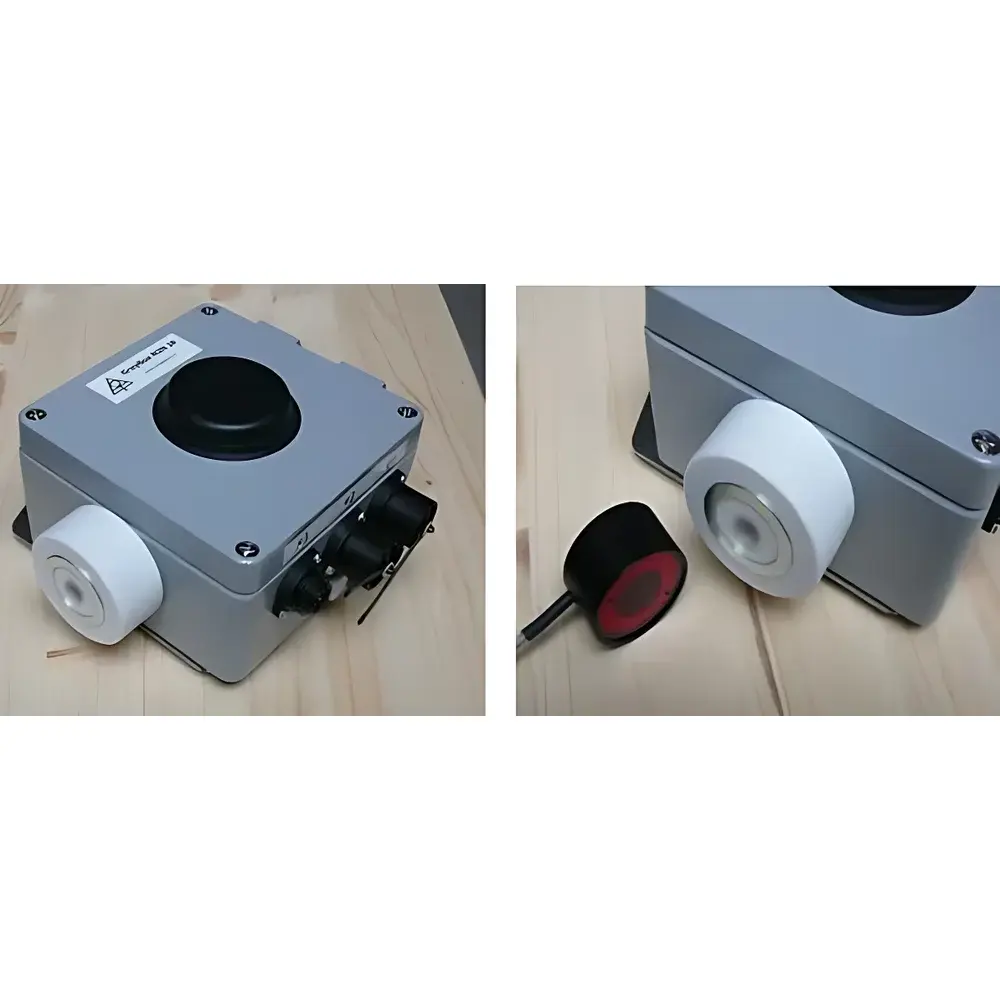
- GreyBox N2N data logger with dual adaptive GPRS modules for redundant cellular telemetry, embedded GPS for georeferenced tree-level metadata, intelligent power management (solar/battery hybrid support), and dual-layer data storage (220,000 internal records + multi-year SD card logging)
Sample Compatibility & Compliance
The EcoTechTree Physiological Ecosystem supports broad taxonomic applicability across angiosperm and gymnosperm species—including but not limited to Pinus, Quercus, Fagus, Populus, and Ficus—with probe sizing options calibrated for stem diameters ranging from 5 mm (aerial roots) to >500 mm (mature trunk). All sensors comply with IP67 ingress protection for outdoor deployment and meet IEC 60529 environmental rating standards. Data acquisition protocols align with FAO-56 reference evapotranspiration methodology and are compatible with ISO 13041-2 (plant water status measurement) and ASTM D7349 (field instrumentation for ecological monitoring) frameworks. The system’s audit-ready data structure—including timestamped sensor IDs, calibration coefficients, and power-state logs—supports GLP-compliant field studies and regulatory submissions requiring traceable environmental physiology data.
Software & Data Management
Data from the GreyBox N2N logger is transmitted via encrypted GPRS to EcoTechCloud—a secure, role-based web portal enabling real-time visualization, automated anomaly detection (e.g., abrupt stem flow decline indicative of phloem disruption), and time-series correlation analysis across parameters. Raw datasets export in CF-NetCDF format compliant with NOAA’s Climate Data Online (CDO) standards and are structured to integrate with R packages (plantecophys, dendroTools) and Python-based ecohydrological models (e.g., TREES, TUF-3D). The system maintains full 21 CFR Part 11–compliant audit trails for all configuration changes, firmware updates, and manual data edits, including user authentication logs and electronic signatures where required for FDA- or EMA-submitted environmental impact assessments.
Applications
- Early detection of biotic stressors: Quantifying sap flux suppression and asymmetric bark temperature gradients associated with Pineus pini infestation or fungal vascular wilt
- Drought resilience phenotyping: Correlating diurnal stem flow hysteresis, growth cessation thresholds, and thermal inertia indices under controlled deficit irrigation trials
- Cold hardiness assessment: Tracking freeze-thaw induced embolism recovery kinetics via post-frost stem flow resumption latency and concurrent radial shrinkage/swelling amplitudes
- Urban forestry management: Evaluating transpiration cooling efficiency of street trees under impervious surface constraints using canopy temperature–vapor pressure deficit (VPD) response curves
- Long-term ecosystem monitoring: Integration with EMS-ET Plant Ecophysiological Monitoring System for cross-compartment analysis linking soil moisture, microclimate, leaf fluorescence (Fv/Fm), and root respiration dynamics
FAQ
What is the minimum measurable stem flow rate using SHB probes?
SHB probes achieve reliable detection down to 0.1 g·h⁻¹ for stems ≥5 mm diameter, validated against gravimetric sap collection under controlled chamber conditions.
Can the infrared temperature sensor be recalibrated in-field?
Yes—the unit includes an integrated blackbody reference cavity and supports two-point field calibration using certified emissivity targets (ε = 0.95 ± 0.01).
Is the GreyBox N2N logger compatible with third-party SDI-12 sensors?
Fully interoperable with any SDI-12 v1.3–compliant sensor; automatic address negotiation and protocol error correction ensure stable multi-vendor network operation.
How is data security handled during GPRS transmission?
All telemetry uses TLS 1.2 encryption with device-specific X.509 certificates; no credentials or raw sensor values are exposed in packet headers.
What maintenance intervals are recommended for long-term (>5-year) deployment?
Annual inspection of dendrometer mounting hardware and infrared lens cleaning; THB electrode surfaces require biannual oxide layer verification using supplied contact resistance tester.





