
Binsfeld TorqueTrak TPM2 Digital Online Telemetry System for Real-Time Torque and Power Monitoring
| Brand | Binsfeld |
|---|---|
| Origin | USA |
| Manufacturer Type | Authorized Distributor |
| Origin Category | Imported |
| Model | TPM2 |
| Pricing | Upon Request |
Overview
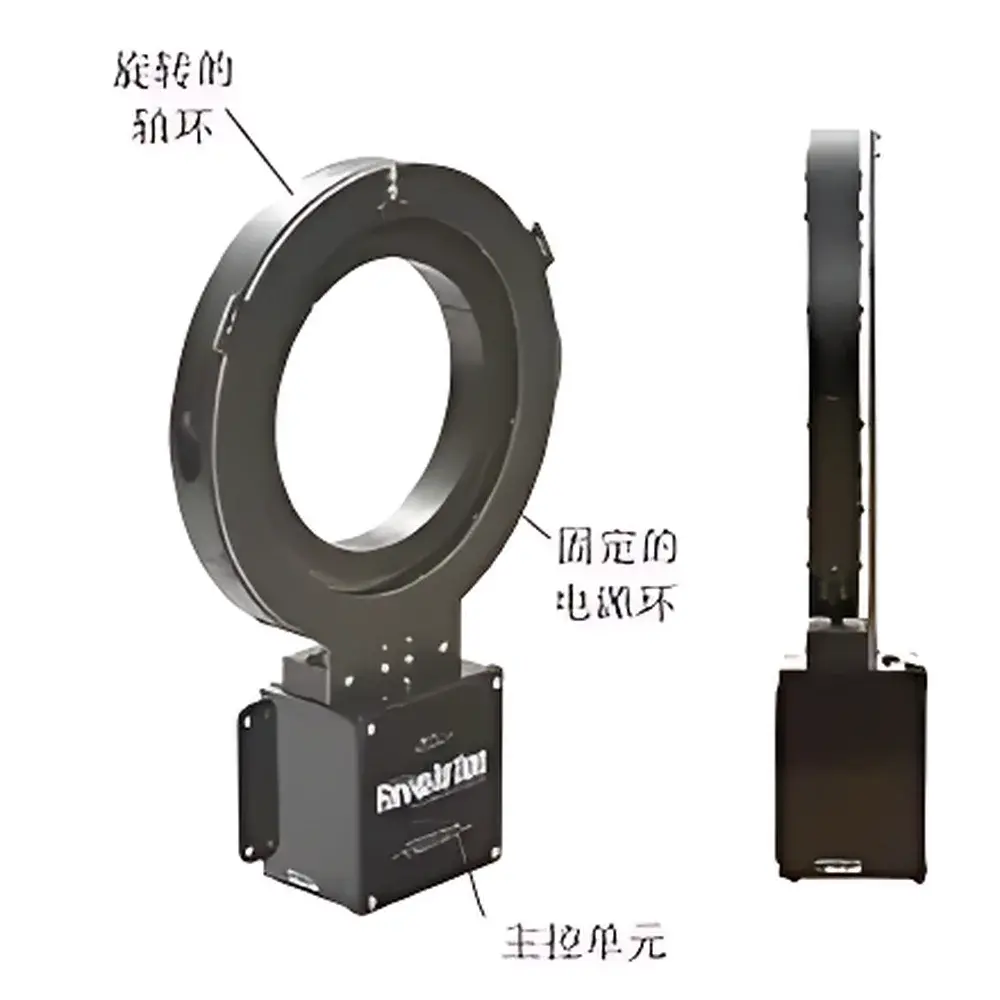
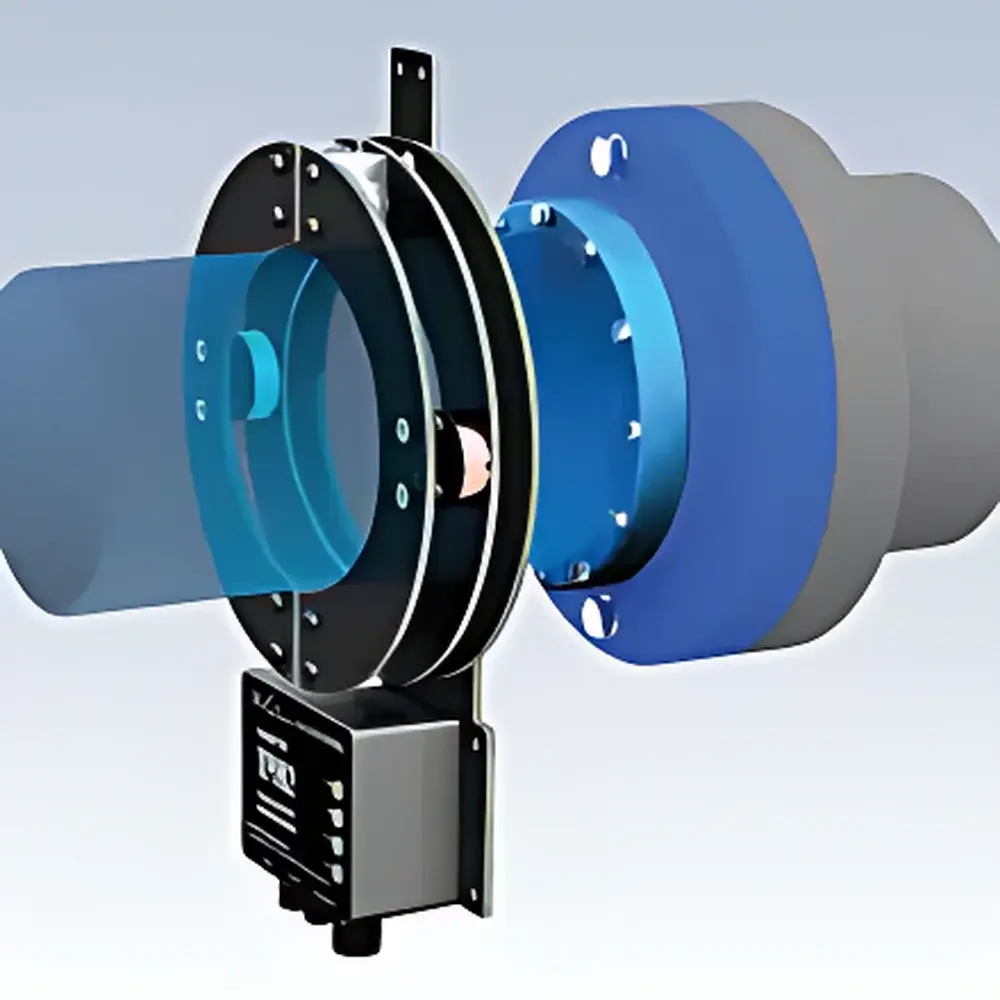
The Binsfeld TorqueTrak TPM2 Digital Online Telemetry System is an industrial-grade, non-contact torque and power monitoring solution engineered for continuous, real-time measurement on rotating shafts. It operates on the principle of inductive telemetry—transferring both power and data wirelessly across an air gap between a rotating torque ring and a stationary pickup ring—eliminating slip rings, brushes, or physical couplings that degrade over time. This architecture ensures long-term stability, high signal integrity, and immunity to electromagnetic interference common in heavy machinery environments. Designed for permanent installation in demanding applications such as industrial drives, wind turbine gearboxes, marine propulsion systems, and large-scale pump/motor test benches, the TPM2 delivers synchronized torque, rotational speed, and calculated mechanical power outputs without requiring shaft disassembly, machining, or structural modification. Its robust mechanical design accommodates shaft diameters up to 40 inches (1016 mm), making it suitable for both retrofit deployments and new-system integration under stringent operational uptime requirements.
Key Features
- Non-intrusive installation: Torque ring and stationary pickup ring clamp onto the shaft using standard hardware—no shaft cutting, keyway modification, or coupling removal required.
- Inductive power and data transfer: Zero-contact operation with typical air gap tolerance of ±0.5 mm, eliminating wear, maintenance cycles, and signal drift associated with contact-based telemetry.
- High-speed digital communication: Full-duplex RS-422 interface supporting sampling rates up to 4800 samples per second (S/s), enabling dynamic torque profiling during transient load events.
- Self-aligning torque ring design: Accommodates minor shaft ovality or thermal expansion (±1.5 mm diameter variation) while maintaining consistent coupling efficiency and signal fidelity.
- Integrated status indication: LED indicators on both rotating and stationary units provide immediate visual feedback on power delivery, telemetry link quality, and system readiness—critical for rapid field diagnostics.
- Ruggedized enclosure: IP67-rated housing with conformal-coated electronics, qualified for operation in ambient temperatures from –20 °C to +70 °C and vibration profiles per IEC 60068-2-6.
Sample Compatibility & Compliance
The TPM2 is compatible with solid, hollow, and keyed shafts made from ferromagnetic or non-magnetic materials—including stainless steel, aluminum, and composite alloys—provided surface finish and roundness meet ISO 2768-mK tolerances. Strain gauge installation (optional or user-supplied) follows ASTM E251 and ISO 1143 standards for bonded resistance strain gauges. The system supports traceable calibration in accordance with ISO/IEC 17025-accredited procedures. While the TPM2 itself does not carry intrinsic safety certification, its low-energy inductive interface enables deployment in Class I, Division 2 hazardous locations when integrated with appropriately rated barriers. All firmware and configuration tools comply with FDA 21 CFR Part 11 requirements for electronic records and signatures where used in regulated manufacturing environments.
Software & Data Management
The TPM2 interfaces natively with industry-standard control and data acquisition platforms via its RS-422 port, including Siemens S7 PLCs, Allen-Bradley ControlLogix, National Instruments DAQmx, and MATLAB/Simulink real-time targets. Binsfeld provides the TorqueTrak Configuration Utility—a Windows-based application supporting device parameterization, real-time waveform viewing, alarm threshold setup, and raw binary data export in CSV or TDMS formats. For enterprise integration, OPC UA server support is available through third-party middleware. All configuration changes are logged with timestamped audit trails, and firmware updates retain full backward compatibility. Data synchronization accuracy is maintained within ±10 µs across distributed nodes when deployed in multi-sensor configurations, facilitating phase-aligned torsional vibration analysis.
Applications
- Condition monitoring of gearboxes and drivetrains in wind energy, mining conveyors, and marine propulsion systems
- Performance validation and efficiency mapping of electric motors, generators, and variable-frequency drives (VFDs)
- Dynamic load testing in engine dynamometers and transmission test stands
- Torsional vibration analysis for resonance identification and damping assessment
- Quality assurance in high-value rotating equipment manufacturing (e.g., aerospace actuators, precision pumps)
- Energy consumption optimization in industrial HVAC and water treatment plants
FAQ
Does the TPM2 require shaft modification or downtime for installation?
No. The system mounts externally using clamping rings—installation typically completes within two hours without machine shutdown or mechanical alteration.
Can the TPM2 operate in high-vibration or high-EMI environments?
Yes. Its inductive telemetry architecture and shielded RS-422 interface are specifically validated for use near VFDs, welding equipment, and large induction motors.
Is calibration traceable to NIST or other national standards?
Yes. Binsfeld provides factory calibration certificates traceable to NIST, and field recalibration services follow ISO/IEC 17025 protocols.
What is the maximum recommended shaft speed for reliable operation?
The TPM2 is rated for continuous operation up to 6000 RPM; performance beyond this range requires application-specific evaluation and optional high-speed balancing.
Does the system support analog output or only digital communication?
Digital-only RS-422 interface is standard; analog voltage/current outputs (e.g., 4–20 mA) are available via optional signal conditioning modules compliant with IEC 61000-4-5 surge immunity standards.



