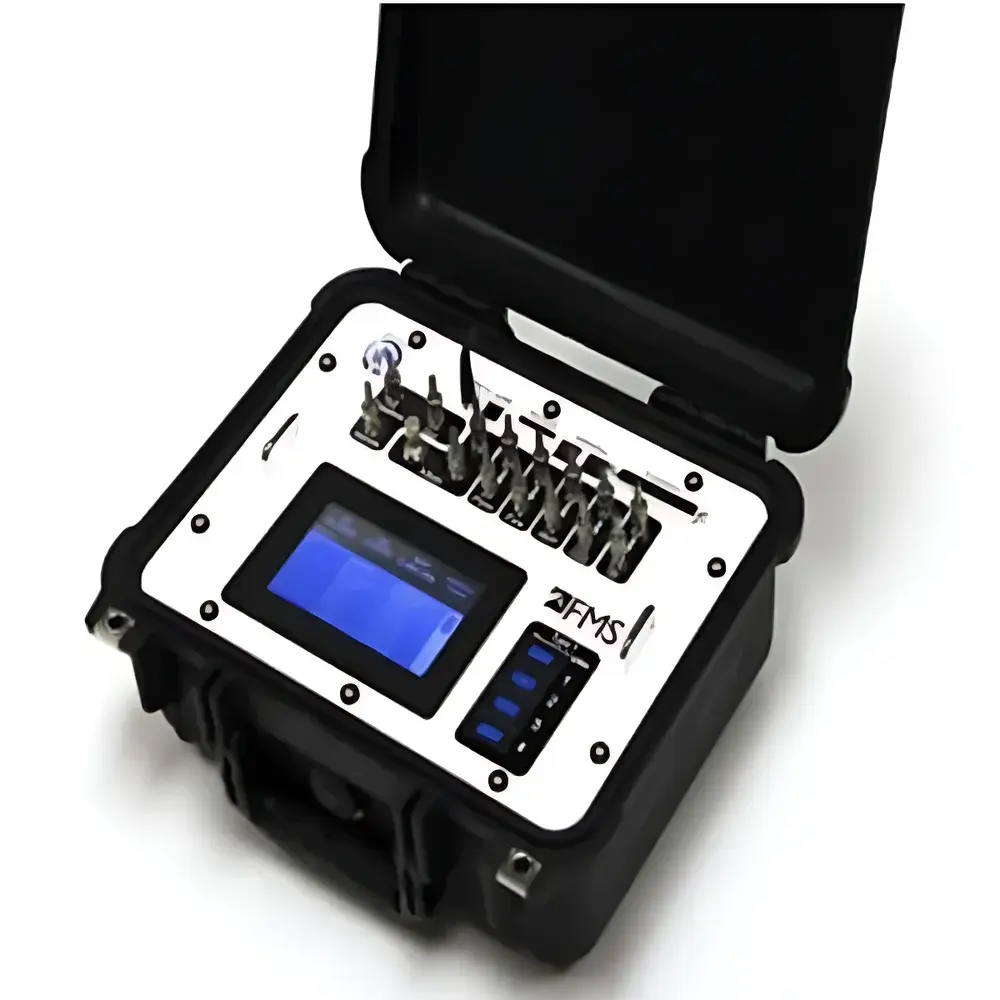
SSI Sable Human Energy Metabolism Measurement System (Metabolic Laboratory Platform)
| Brand | Sable |
|---|---|
| Origin | USA |
| Manufacturer Type | Authorized Distributor |
| Origin Category | Imported |
| Model | SSI-Human |
| Pricing | Upon Request |
Overview
The SSI Sable Human Energy Metabolism Measurement System is a research-grade, modular indirect calorimetry platform engineered for precise, real-time quantification of whole-body energy expenditure (EE), substrate utilization (RQ/RESPIRATORY QUOTIENT), and gas exchange kinetics in human subjects. It implements the gold-standard open-circuit indirect calorimetry principle—measuring volumetric O₂ consumption (VO₂) and CO₂ production (VCO₂) under controlled or free-living conditions—to derive metabolic rate via the Weir equation. The system supports both whole-room metabolic chamber (chamber-based) and portable mask/canopy (flow-through) configurations, enabling rigorous physiological investigation across resting, exercise, sleep, circadian, and environmental stress paradigms. Its architecture complies with consensus methodological standards outlined in clinical and physiological literature (e.g., AHA Scientific Statements, ASPEN Guidelines, and ISO 8573-1 for gas purity handling), and is routinely deployed in GLP-aligned academic and translational research environments where traceable, reproducible metabolic phenotyping is required.
Key Features
- Modular, scalable design: Independent O₂, CO₂, and H₂O analyzers integrate seamlessly with flow control units, data acquisition hardware, and optional peripherals—enabling reconfiguration for human, large-animal, or small-animal studies.
- Real-time flow-through respirometry: Dual-channel fuel-cell O₂ analyzer and dual-wavelength NDIR CO₂ analyzer deliver sub-second response times (<1 s for CO₂; <7 s for O₂), capturing breath-by-breath dynamics without signal lag or integration delay.
- Differential gas analysis architecture: Measures partial pressures of O₂, CO₂, and water vapor independently—eliminating cross-sensitivity artifacts common in single-beam optical systems—and supports simultaneous temperature and barometric pressure compensation.
- High-fidelity environmental monitoring: Integrated thin-film capacitive hygrometer provides calibrated RH, dew point, and water vapor pressure outputs with <0.01% RH/h drift; thermistor probes offer ±0.2°C absolute accuracy from –5°C to +60°C.
- Wearable physiological telemetry: Bluetooth-enabled activity monitor records triaxial acceleration (±15 g, ±0.15 g accuracy), skin temperature (–40°C to +125°C), and relative humidity (0–100%, ±1.8% accuracy), synchronized with chamber or mask-based gas data.
- Optional multimodal imaging integration: IR thermal camera module enables non-contact surface temperature mapping (0.05°C resolution); hyperspectral imager supports cutaneous phenotype profiling and ex vivo tissue spectral analysis.
- Robust data acquisition: 12-channel DAQ unit with 16-bit analog inputs (8 channels), 24-bit internal ADC for O₂ sensor, 10 Hz sampling on all gas streams, and programmable digital I/O for external device triggering and synchronization.
Sample Compatibility & Compliance
The SSI-Human system accommodates diverse subject protocols: seated or ambulatory testing using facemasks or canopies; long-term in-chamber studies (24–72 h) in climate-controlled metabolic chambers; and field-deployable setups using containerized climate chambers with programmable light, temperature, humidity, and CO₂ regulation. All gas sensors meet ASTM D6245-19 (standard practice for measuring human metabolic rates) and ISO 9919:2007 (medical electrical equipment — requirements for indirect calorimeters). The O₂ analyzer’s fuel-cell technology ensures immunity to CO₂, H₂O, and hydrocarbon interference—critical for compliance with USP analytical instrument qualification criteria. Data integrity is maintained per FDA 21 CFR Part 11 requirements when used with validated software configurations supporting electronic signatures, audit trails, and user-access controls.
Software & Data Management
Acquisition and analysis are performed using Sable’s proprietary MetaScope™ software suite, which provides real-time visualization of VO₂, VCO₂, VE, RQ, EE, and respiratory exchange ratio trends. Raw analog and digital signals are timestamped at hardware level (microsecond precision), stored in HDF5 format for interoperability with MATLAB, Python (via h5py), and R. The software includes built-in algorithms for breath detection, automatic baseline correction, moving-average smoothing (configurable 0.1–60 s window), and standardized reporting templates aligned with publications in AJP-Regulatory, PNAS, and Medicine & Science in Sports & Exercise. Export options include CSV, Excel, and EDIFACT-compliant files for integration into clinical trial databases (e.g., Medidata Rave, Oracle Clinical).
Applications
- Clinical metabolism research: Quantifying energy expenditure dysregulation in obesity, type 2 diabetes, NAFLD, sarcopenia, and mitochondrial disorders.
- Circadian and sleep physiology: Assessing impacts of sleep restriction, shift work, and jet lag on 24-h EE, thermoregulation, and substrate oxidation rhythms.
- Nutritional science: Evaluating thermic effect of food (TEF), diet-induced thermogenesis (DIT), and macronutrient-specific metabolic efficiency.
- Environmental physiology: Characterizing metabolic adaptation to hypoxia, heat stress, cold exposure, and simulated high-altitude or spaceflight conditions.
- Translational pharmacology: Monitoring acute and chronic metabolic responses to anti-obesity agents, GLP-1 receptor agonists, and mitochondrial modulators.
- Integrative physiology: Correlating metabolic fluxes with infrared thermography-derived heat dissipation patterns, wearable activity metrics, and high-spectral skin biomarkers.
FAQ
What distinguishes the SSI-Human system from standard clinical spirometry devices?
Unlike spirometers that measure only ventilatory volume and flow, the SSI-Human platform performs quantitative gas exchange analysis—delivering calibrated VO₂, VCO₂, and EE values traceable to NIST-certified gas standards.
Can the system be validated for regulatory submissions (e.g., FDA IND/IDE)?
Yes—when deployed with documented IQ/OQ/PQ protocols, traceable calibration logs, and Part 11-compliant software configuration, it meets evidentiary requirements for early-phase clinical metabolic endpoints.
Is chamber-based and mask-based data directly comparable?
Yes—both modes adhere to identical gas calibration procedures, flow measurement principles, and Weir equation implementation; inter-mode validation studies are published in AJP-Regulatory (Melanson et al., 2010).
Does the system support pediatric or elderly subject populations?
Yes—mask/canopy configurations accommodate subjects aged 3 years and older; chamber-based protocols have been successfully applied in geriatric cohorts up to age 92 in longitudinal aging studies.
What maintenance is required for long-term operational stability?
O₂ sensors require annual replacement; CO₂ and H₂O analyzers need biannual zero/span verification using certified gases; pump membranes and flow sensors are replaced per manufacturer-recommended service intervals (typically every 18–24 months).