
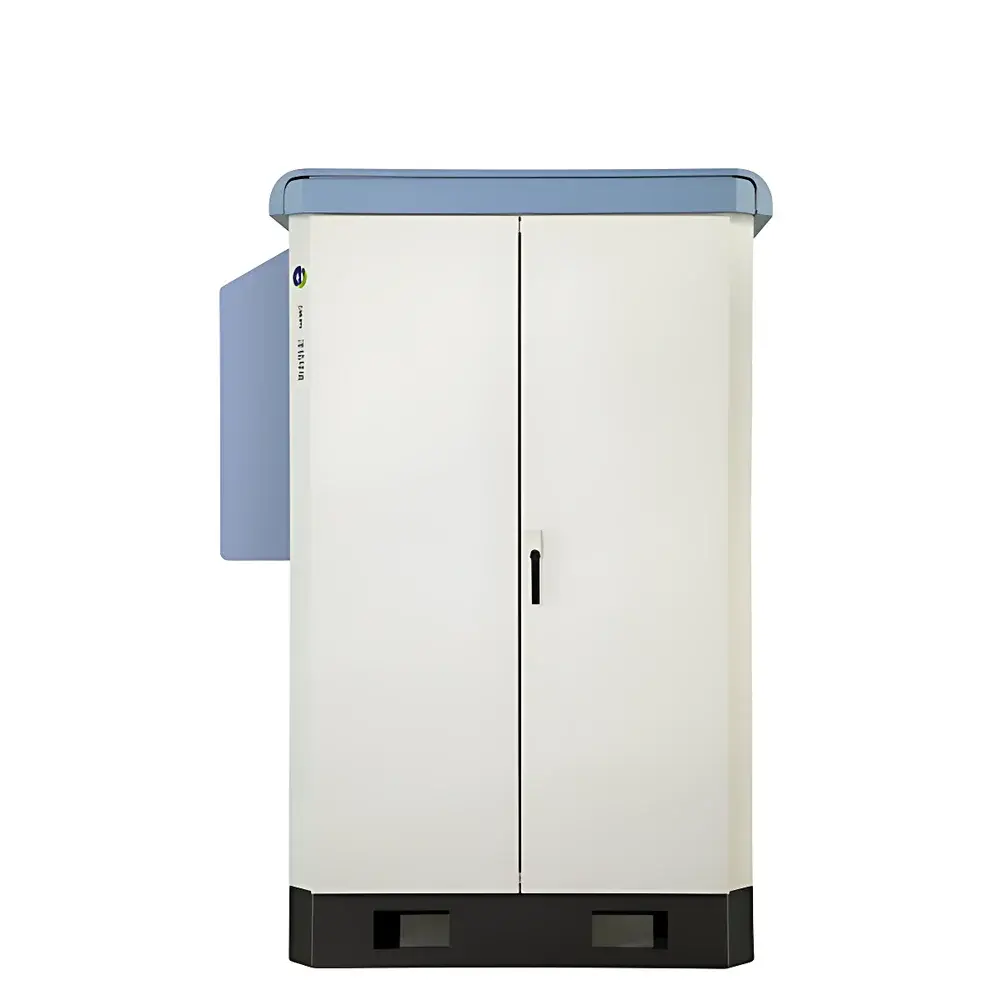
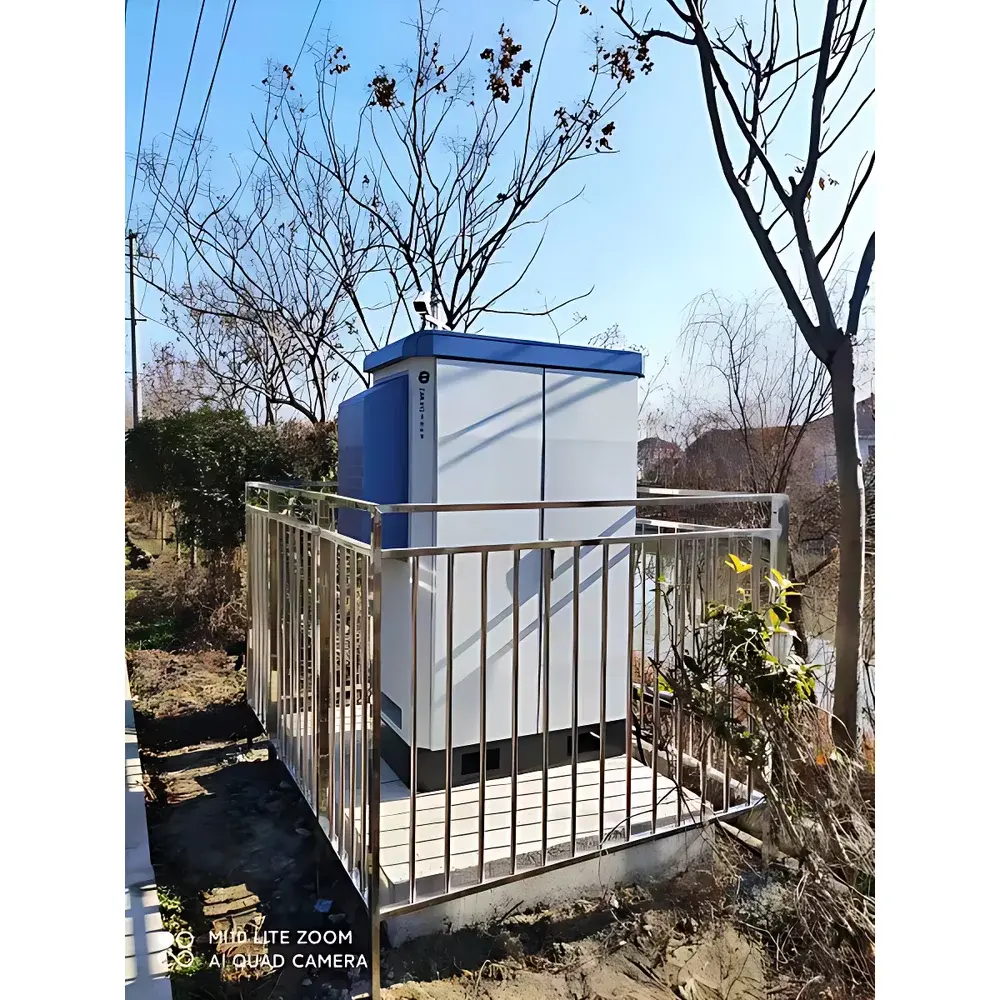
Zming Environmental Technology ZM-WQMS-7P Miniature Shore-Based Water Quality Monitoring Station
| Brand | Zming Environmental Technology Co., Ltd. |
|---|---|
| Origin | Shanghai, China |
| Manufacturer Type | Authorized Distributor |
| Country of Origin | China |
| Model | ZM-WQMS-7P “Water Sentinel” |
| Pricing | Available Upon Request |
Overview
The Zming Environmental Technology ZM-WQMS-7P Miniature Shore-Based Water Quality Monitoring Station—marketed as “Water Sentinel”—is an integrated, solar- and wind-powered online water quality monitoring system engineered for long-term, unattended operation in surface water environments. It employs multi-parameter electrochemical and optical spectroscopic sensors to continuously measure critical water quality indicators in real time. Designed according to the operational logic of distributed environmental monitoring networks, the station implements a modular architecture where sensor modules, power management units, data acquisition controllers, and wireless telemetry subsystems are co-located within a compact, weatherproof enclosure. Its measurement principle relies on standardized analytical methods—including amperometric detection for dissolved oxygen, potentiometric sensing for pH and ORP, conductometric determination of conductivity (converted to salinity/TDS), and UV-Vis absorption spectroscopy for nitrate, COD surrogate, and turbidity estimation—ensuring traceability to established reference protocols such as ISO 5667-14, ASTM D1293, and US EPA Method 180.1. The system is intended for deployment along riverbanks, drainage outfalls, irrigation canals, and peri-urban waterways where infrastructure constraints preclude conventional fixed-station construction.
Key Features
- Compact footprint (0.5–2 m²), enabling rapid deployment without civil works, land acquisition, or permanent building construction
- Dual renewable energy supply: integrated monocrystalline solar panel + small-scale vertical-axis wind turbine with intelligent charge management and deep-cycle LiFePO₄ battery backup (72 h autonomy under zero-generation conditions)
- True autonomous operation: automatic power cycling, brownout recovery, and cold-start capability after extended grid outage
- Modular sensor design supporting field-swappable probes—enabling reconfiguration between standard 7-parameter configuration (pH, ORP, conductivity, DO, temperature, turbidity, nitrate) and application-specific variants (e.g., adding ammonium, chloride, or UV254 absorbance)
- IP67-rated enclosure with marine-grade stainless steel mounting frame and anti-fouling sensor housings rated for continuous immersion in eutrophic or sediment-laden waters
- GPRS/4G LTE-M cellular uplink with optional NB-IoT fallback; supports TLS 1.2 encrypted data transmission and configurable reporting intervals (1 min to 24 h)
Sample Compatibility & Compliance
The ZM-WQMS-7P is validated for continuous monitoring of natural and anthropogenically influenced freshwater systems—including rivers, streams, urban drainage channels, and wastewater-impacted receiving waters—with flow velocities up to 2.5 m/s and suspended solids concentrations ≤ 500 mg/L. Sensor calibration protocols comply with ISO/IEC 17025 requirements for in-field verification, and all electrochemical sensors include built-in temperature compensation per NIST SRM traceable references. The system architecture supports audit-ready data integrity: each measurement timestamp includes GPS-derived geolocation, sensor diagnostic flags (e.g., fouling index, signal-to-noise ratio), and hardware-level CRC-32 checksums. Data export formats meet WMO GOS metadata standards and are compatible with national water quality databases including China’s National Surface Water Monitoring Platform (NSWMP) and EU WISE reporting frameworks. Full compliance with IEC 62443-3-3 for industrial cybersecurity and EN 61000-6-2/6-4 for electromagnetic immunity is documented in the Type Examination Report (Certificate No. SH-EMC-2023-ZM-0874).
Software & Data Management
The station interfaces with Zming’s proprietary Web-based Water Intelligence Platform (WIP v4.2), accessible via secure HTTPS with role-based authentication (RBAC). WIP provides real-time dashboards with configurable alarm thresholds (e.g., pH 8.5, DO < 4.0 mg/L), automated event-triggered SMS/email notifications, and spectral baseline drift correction algorithms for UV-Vis sensors. All raw sensor outputs, diagnostic logs, and firmware update histories are stored with immutable timestamps and SHA-256 hashing—meeting ALCOA+ principles for data reliability. Audit trails record every user action (login, parameter change, calibration event) with operator ID and IP address, satisfying FDA 21 CFR Part 11 electronic record requirements for regulated environmental monitoring programs. Data exports support CSV, JSON, and WaterML 2.0 schema for integration into third-party GIS (ArcGIS, QGIS) and SCADA systems (Ignition, Siemens Desigo CC).
Applications
- Real-time surveillance of municipal wastewater discharge points and combined sewer overflows (CSOs)
- Early-warning detection of algal bloom precursors (e.g., nitrate spikes, pH shifts, turbidity surges) in reservoir intakes and drinking water source protection zones
- Performance verification of constructed wetlands and decentralized wastewater treatment units
- Temporary deployment during flood response, industrial spill incidents, or post-construction runoff monitoring
- Long-term trend analysis for climate resilience planning—tracking diurnal DO cycles, seasonal conductivity shifts, and baseflow nutrient loading in headwater catchments
FAQ
What is the typical deployment timeline from order to operational status?
Standard delivery and commissioning require 12–18 business days, including factory calibration, solar/wind system validation, and remote platform onboarding.
Can the station operate in tidal or brackish water environments?
Yes—conductivity and pH sensors are rated for 0–50 mS/cm and salinity up to 45 ppt; however, extended exposure to >30 ppt requires quarterly antifouling maintenance and optional silver-ion coated turbidity cells.
Is remote firmware update supported?
Yes—over-the-air (OTA) updates are performed via signed binary packages with dual-bank flash memory rollback capability to ensure system continuity.
Does the system support integration with existing SCADA or municipal EMS platforms?
Yes—via Modbus TCP, MQTT, or RESTful API endpoints; full interface documentation and sample Python/Node.js clients are provided under NDA.
What is the recommended calibration frequency for regulatory reporting?
For GLP-compliant applications, field calibration verification is recommended every 14 days using NIST-traceable buffer solutions and certified standard solutions; full recalibration every 90 days or after sensor replacement.
Related Products







