
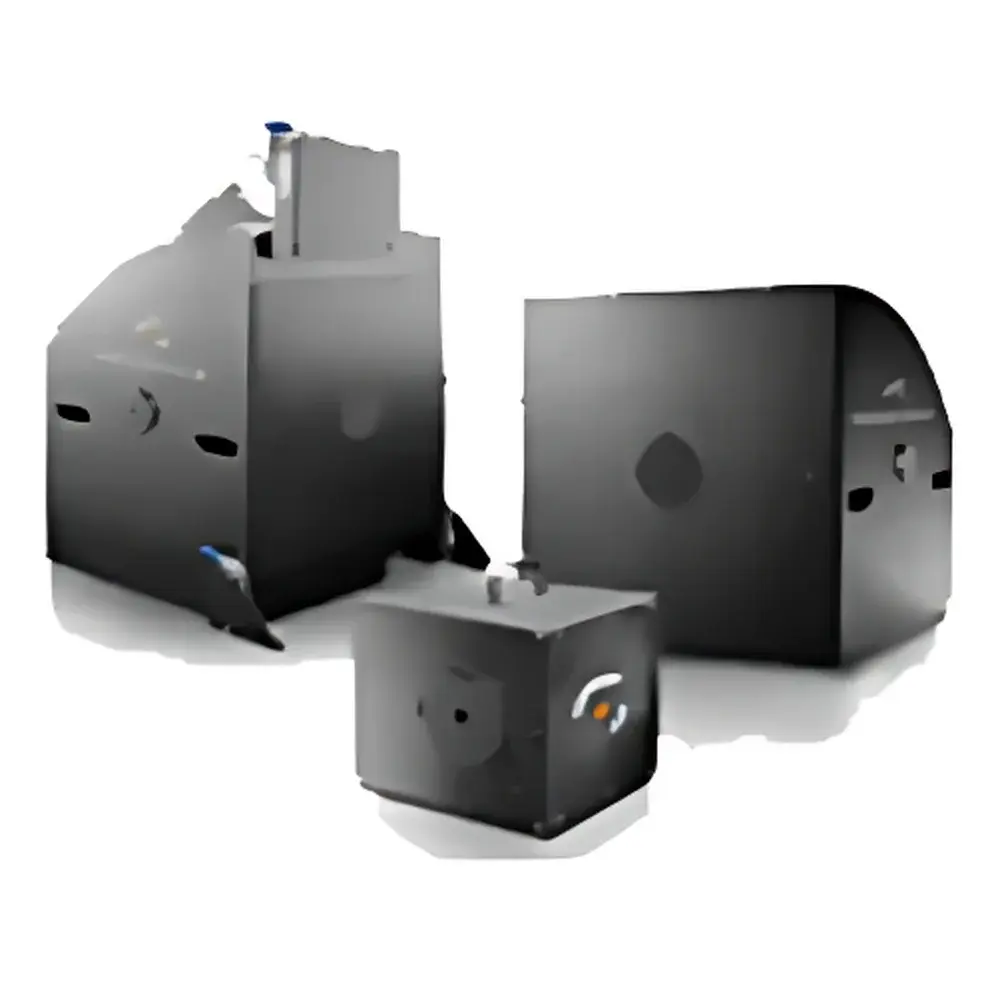
Radiant ZEMAX IS-LI Imaging Sphere
| Brand | Radiant ZEMAX |
|---|---|
| Origin | USA |
| Model | IS-LI |
| Type | Near-Field Imaging Measurement System for Angular Radiometric and Photometric Characterization |
| Application Scope | LED Light Sources, Flat Panel Displays (FPD), Diffusing Materials, Optical Films, Surface Scatter Analysis |
Overview
The Radiant ZEMAX IS-LI Imaging Sphere is a near-field optical measurement system engineered for high-throughput, single-acquisition angular characterization of light-emitting devices, display panels, and scattering materials. Unlike conventional goniophotometers or conoscopy systems—which require sequential mechanical rotation to sample angular space—the IS-LI employs a novel hemispherical optical architecture with integrated ProMetric imaging colorimeters (or photometers) to capture luminance, chromaticity, radiance, and intensity distributions across the full 2π steradian upper hemisphere simultaneously. This approach is grounded in calibrated imaging photometry and radiometry principles, enabling traceable, spatially resolved angular data acquisition compliant with CIE S 025/E:2015 (LED measurement standards) and ISO/CIE 19476:2014 (display viewing angle characterization). The system delivers quantitative near-field-to-far-field transformation via solid-angle-resolved pixel mapping, supporting rigorous validation of optical performance in R&D labs and production test environments.
Key Features
- Single-shot hemispherical angular acquisition—no motorized rotation, eliminating mechanical hysteresis and measurement time variability
- Modular configuration options: IS-LI (luminous intensity distribution), IS-VA (viewing angle performance), and IS-SA (surface scatter analysis with BRDF/BTDF capability)
- ProMetric imaging colorimeter integration ensures NIST-traceable photometric and colorimetric accuracy per CIE 15:2018 and CIE 177:2006
- High dynamic range (≥1,000,000:1) and low-noise sensor architecture optimized for low-light LED and micro-display measurements
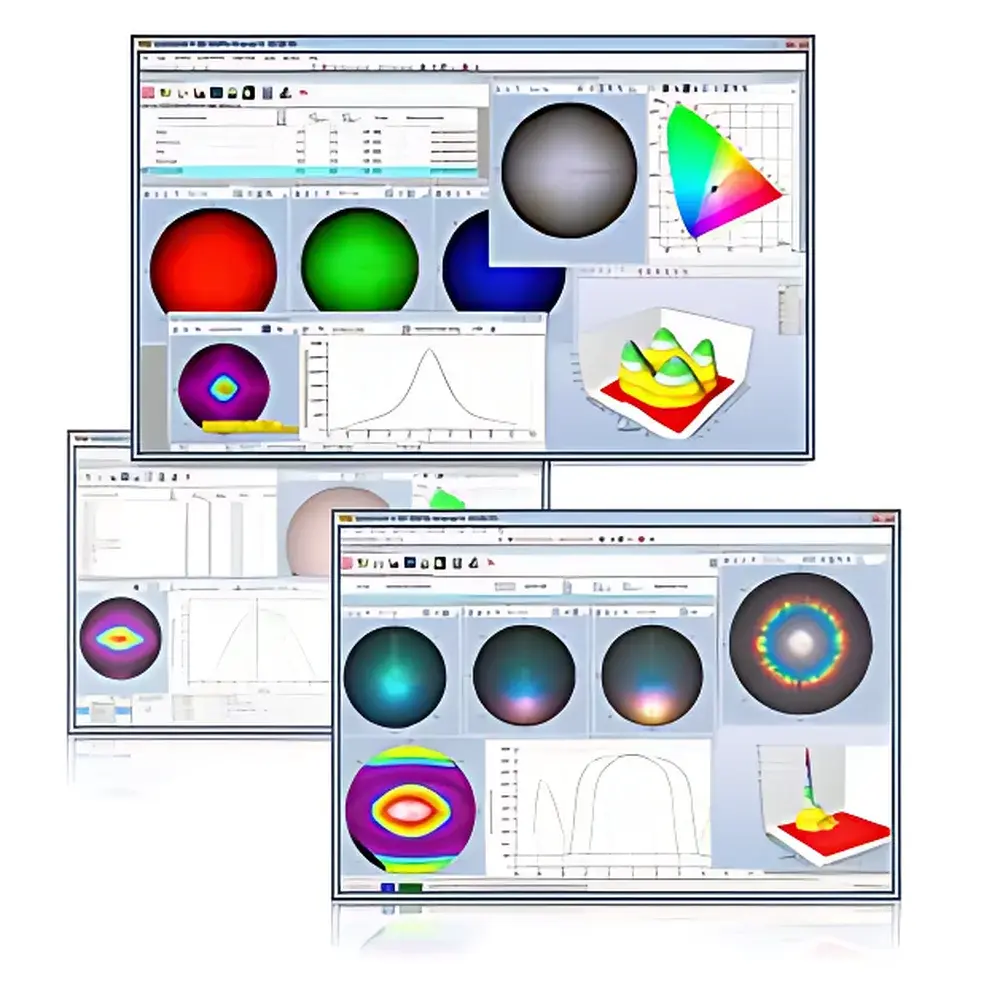
- Real-time angular data visualization including polar plots, Lambertian deviation maps, and CIE 1931 xyY chromaticity overlays
- Thermally stabilized optical enclosure with internal baffling to minimize stray light and ensure repeatability < ±0.5% (1σ) across 24-hour operation
Sample Compatibility & Compliance
The IS-LI accommodates samples up to Ø100 mm in diameter (IS-LI standard aperture) and supports both emission-mode (LEDs, OLEDs, microLEDs) and reflection/transmission-mode (diffusers, AR/AR coatings, textured films) configurations. It meets key regulatory and industry compliance requirements including ASTM E308-23 (computing tristimulus values), IEC 62368-1 Annex G (optical radiation safety assessment), and ISO 9241-307:2018 (display visual ergonomics). For regulated manufacturing environments, the IS 1.x software supports audit trails, user access levels, and electronic signatures aligned with FDA 21 CFR Part 11 and EU Annex 11 expectations when deployed under documented GLP/GMP protocols.
Software & Data Management
The IS 1.x software suite provides instrument control, real-time image processing, and comprehensive angular data analysis—including 2D heatmaps, 3D surface plots, histogram-based uniformity evaluation, and image differencing for defect detection. All measurement metadata (exposure time, lens f-number, calibration date, operator ID) is embedded in EXR or TIFF output files. The software exposes a .NET API (ISEngine.Net Framework 2.0) enabling integration with LabVIEW, Python (via COM interop), or custom C# applications for automated test sequences, SPC reporting, and MES connectivity. Raw data exports support CSV, HDF5, and CIE 15:2018-compliant XML formats for third-party optical simulation tools (e.g., LightTools, ASAP, TracePro).
Applications
- Far-field intensity and radiant intensity distribution of LEDs, VCSELs, and miniature light sources
- Viewing angle dependence of luminance, contrast ratio, and color shift in LCD, OLED, and QD displays
- BRDF/BTDF characterization of optical diffusers, privacy films, anti-glare surfaces, and structured optics
- Validation of ray-tracing models used in lighting design and display optical stack simulation
- Quality control of surface finish on automotive trim, cosmetic packaging, and coated substrates
- Scatter signature analysis for contamination detection and coating uniformity assessment
FAQ
What distinguishes the IS-LI from traditional goniophotometers?
The IS-LI eliminates mechanical scanning by capturing all angular information in one exposure—reducing measurement time from minutes to seconds while improving angular sampling density and reproducibility.
Can the IS-LI measure both photometric and radiometric quantities?
Yes—when equipped with a ProMetric I-series imaging colorimeter, it delivers calibrated luminance (cd/m²), illuminance (lux), chromaticity (CIE x,y), CCT, and dominant wavelength; with a ProMetric Y-series photometer, it provides radiance (W/sr·m²), irradiance (W/m²), and radiant intensity (W/sr).
Is BRDF measurement supported out-of-the-box?
The IS-SA variant includes a collimated illumination module and motorized sample stage for full BRDF/BTDF acquisition; IS-LI and IS-VA can be upgraded to IS-SA functionality via hardware retrofit.
Does the system support automated pass/fail binning against specification limits?
Yes—IS 1.x includes configurable limit templates, statistical process control (SPC) charts, and export-ready reports compatible with JMP, Minitab, and enterprise quality management systems (QMS).
What calibration standards are used for traceability?
All ProMetric sensors are factory-calibrated using NIST-traceable reference lamps and integrating spheres; on-site recalibration services follow ISO/IEC 17025-accredited procedures through Radiant’s global service network.




