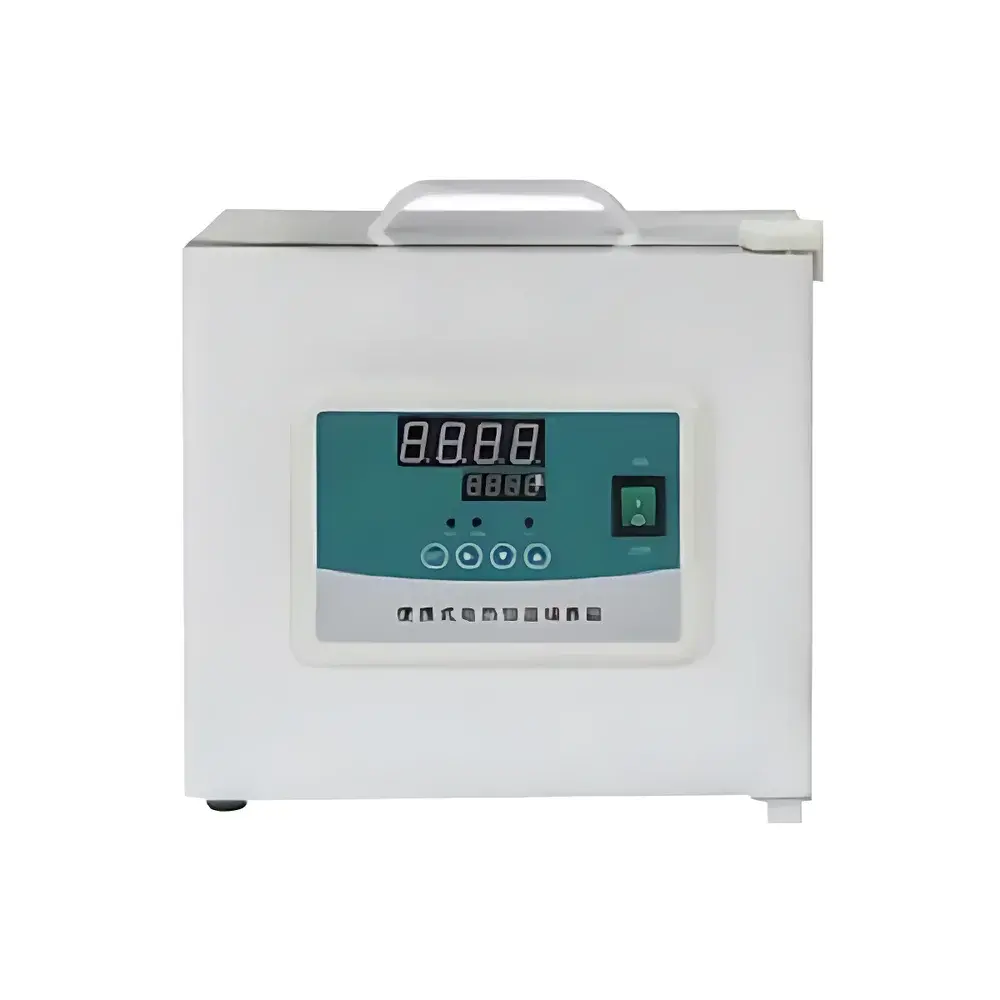
Jiayuan DXL-D Advanced Rat Metabolic Cage System
| Brand | Jiayuan |
|---|---|
| Origin | Beijing, China |
| Manufacturer Type | Authorized Distributor |
| Product Category | Rat Metabolic Cage |
| Model | DXL-D |
| Dimensions (L×W×H) | 300 × 300 × 650 mm |
| Material | Medical-Grade Stainless Steel (AISI 304) |
| Water Bottle Capacity | 250 mL |
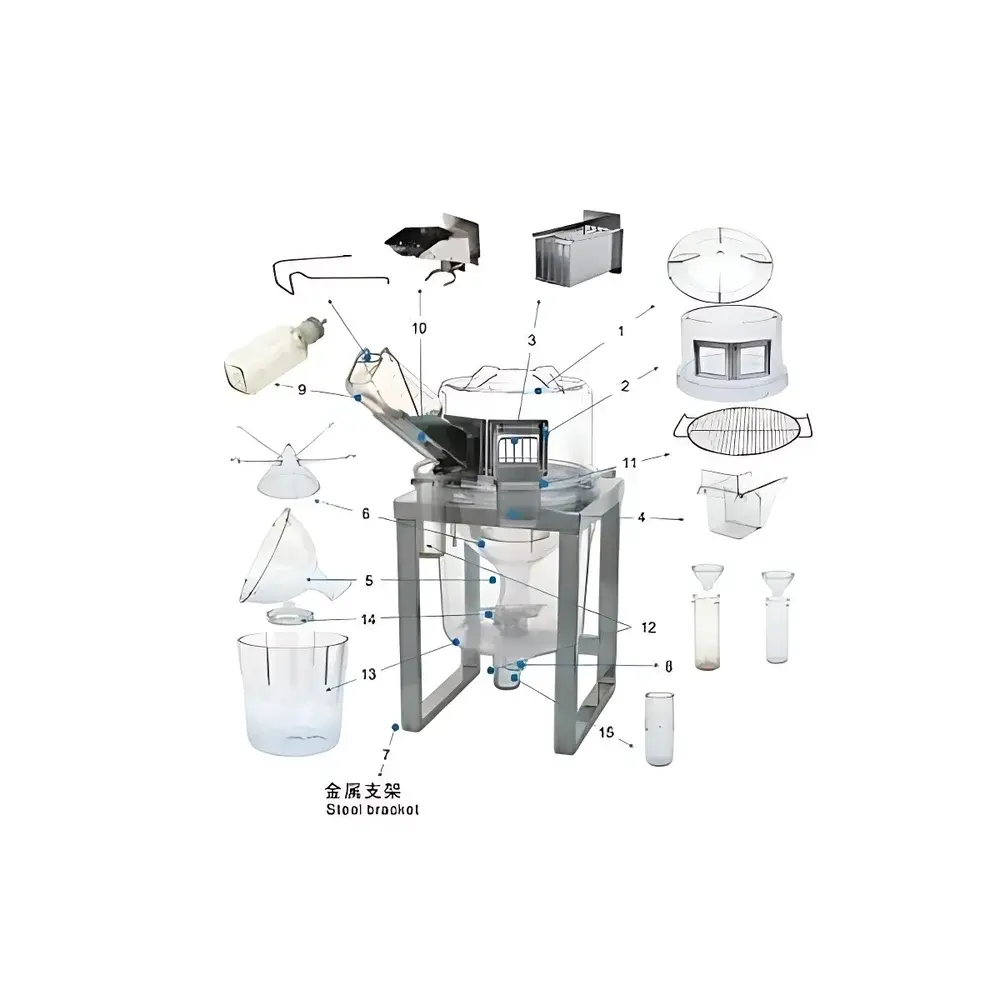
| Urine Collection | Funnel-Integrated Urine Ring with Dedicated Drain Tube |
| Feces Collection | Separated Conical Waste Chamber |
| Feed Delivery | Slide-In Drawer with Adjustable Hopper |
| Compliance | Designed to meet ISO 17025-aligned laboratory animal housing guidelines and AAALAC-recommended separation principles |
Overview
The Jiayuan DXL-D Advanced Rat Metabolic Cage System is an engineered solution for longitudinal, non-invasive collection and quantification of metabolic outputs—including urine, feces, and voluntary food/water intake—in conscious, unrestrained Sprague-Dawley, Wistar, or Long-Evans rats (200–500 g). Based on the principle of gravitational phase separation and anatomical compartmentalization, the system isolates excreta streams via a patented conical partition geometry that minimizes cross-contamination while preserving sample integrity. Unlike conventional cages relying on mesh floors or passive drip, the DXL-D employs a dual-path drainage architecture: urine flows through a calibrated funnel ring into a sealed, graduated collection tube; feces drop vertically into a removable, tapered chamber with anti-adhesion surface finish. This design supports accurate 24-hour or multi-day metabolic balance studies required in pharmacokinetic profiling, toxicology screening, nutritional research, and diabetes or renal disease modeling.
Key Features
- Stainless steel construction (AISI 304) ensures corrosion resistance, autoclavability, and compliance with GLP facility cleaning protocols.
- Modular feed delivery system: slide-in drawer with adjustable hopper accommodates standard pelleted or powdered diets; prevents spillage and enables precise intake measurement.
- Dual-channel separation: independent, physically isolated pathways for urine and feces—eliminating carryover and enabling concurrent biochemical analysis (e.g., creatinine clearance + fecal bile acid profiling).
- Ergonomic water supply: 250 mL leak-proof polycarbonate bottle mounted on a spring-loaded support arm with silicone-sealed inlet valve to prevent evaporation artifacts.
- Standardized footprint (300 × 300 × 650 mm) allows integration into commercial rack systems (e.g., 5-tier T-frame or dry-stack configurations) without structural modification.
- Detachable components—including urine ring, fecal cone, feed drawer, and lid—are labeled with laser-etched model identifiers for traceable inventory management in multi-user core facilities.
Sample Compatibility & Compliance
The DXL-D cage is validated for use with adult male and female rats within the 200–500 g weight range. Its internal geometry conforms to NIH Guide for the Care and Use of Laboratory Animals recommendations on floor space (≥ 80 cm² per 100 g body weight) and vertical clearance. Urine collection tubing is compatible with standard 15 mL or 50 mL conical centrifuge tubes; fecal chambers accept pre-weighed aluminum foil liners or cryovials for mass-based or molecular analysis. While not certified to ISO 5901 or ASTM E1952 (which pertain to environmental monitoring), the system’s material composition and dimensional repeatability support audit-readiness under FDA 21 CFR Part 58 (Good Laboratory Practice for Nonclinical Laboratory Studies) when paired with documented SOPs for cage calibration, cleaning validation, and operator training.
Software & Data Management
The DXL-D is a hardware-only platform—intentionally designed for integration with third-party laboratory information management systems (LIMS) or electronic lab notebooks (ELN). Each cage includes a QR-coded asset tag linking to a downloadable PDF technical dossier containing dimensional schematics, material certifications (RoHS/REACH), and maintenance logs. For automated data capture, users may interface the system with digital weighing platforms (e.g., Mettler Toledo XSR series) via RS-232 or USB-serial adapters; raw mass/time data can be imported into GraphPad Prism, SAS JMP, or Python-based analysis pipelines using provided CSV templates. Audit trails for cage usage, cleaning cycles, and calibration checks are maintained manually per institutional GLP requirements.
Applications
- Pharmacodynamic assessment of diuretic or antidiuretic agents via timed urine volume, osmolality, and electrolyte excretion kinetics.
- Nutrient balance studies evaluating nitrogen retention, calcium absorption, or energy expenditure in dietary intervention models.
- Toxicology endpoints including urinary biomarkers (KIM-1, NGAL) and fecal short-chain fatty acid profiles following compound administration.
- Chronic disease modeling: longitudinal tracking of albuminuria in diabetic nephropathy or polyuria/polydipsia in vasopressin-deficient rats.
- Preclinical validation of medical devices requiring sterile, quantified urine output (e.g., implantable bladder sensors or urodynamic monitors).
FAQ
Is the DXL-D cage suitable for mice?
No—the DXL-D is specifically engineered for rats (200–500 g). For murine applications, refer to the Jiayuan MXL series (e.g., MXL-B, 210 × 210 × 400 mm), which features scaled apertures and reduced vertical clearance.
Can the cage be sterilized in an autoclave?
Yes—all stainless steel components (cage body, support frame, feed tray, urine ring) withstand standard 121°C, 15 psi, 20-minute autoclave cycles. Polycarbonate water bottles must be sterilized separately via ethylene oxide or gamma irradiation.
Does the system include software or data logging capability?
No—data acquisition is external. The DXL-D provides mechanical precision and sample integrity; integration with digital scales, pipettors, or spectrophotometers requires user-configured hardware interfaces and custom scripting.
What cleaning protocol is recommended between subjects?
Rinse with warm deionized water, followed by immersion in 2% Alconox® detergent for 15 minutes, ultrasonic agitation (40 kHz, 10 min), and final rinse with 70% ethanol. Validate residual protein removal via BCA assay per institutional SOP.
Is technical support available outside mainland China?
Yes—Jiayuan maintains authorized service partners in Germany, Singapore, and Brazil. Remote diagnostics, spare parts dispatch, and application consultation are available in English, German, and Japanese.