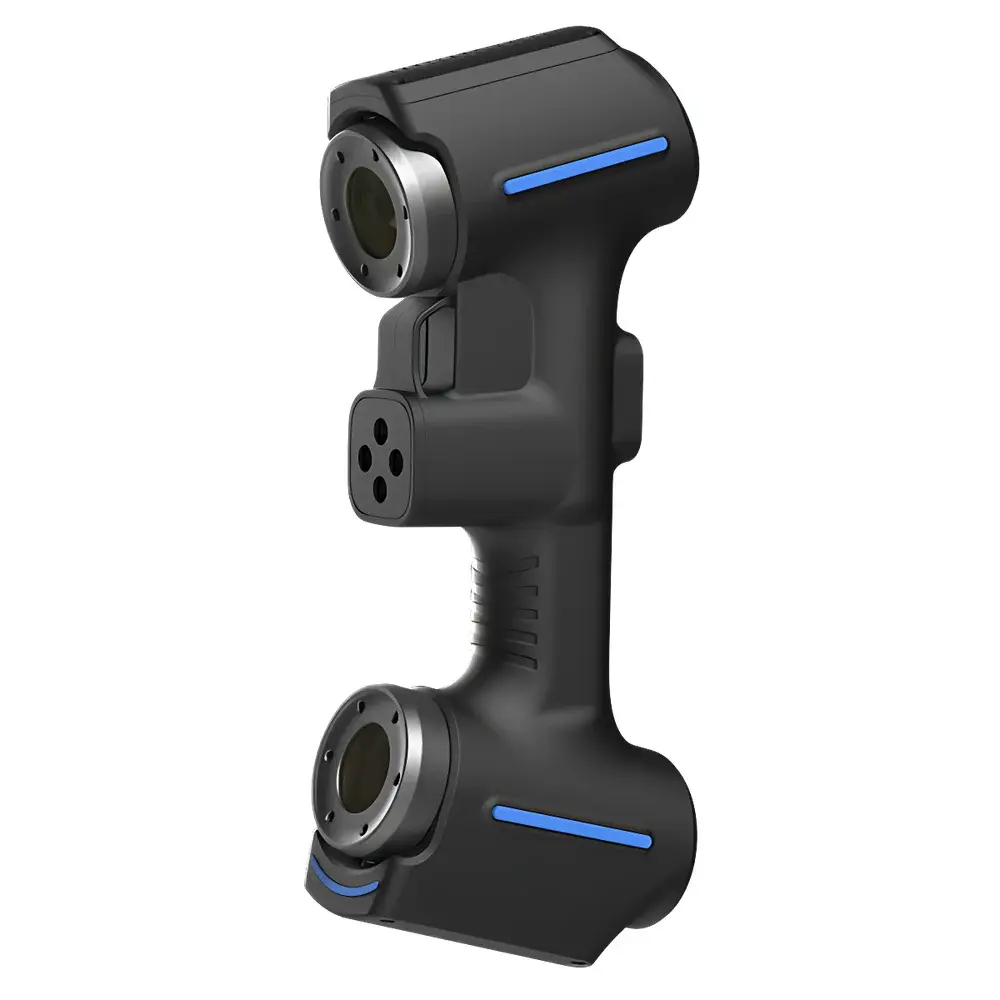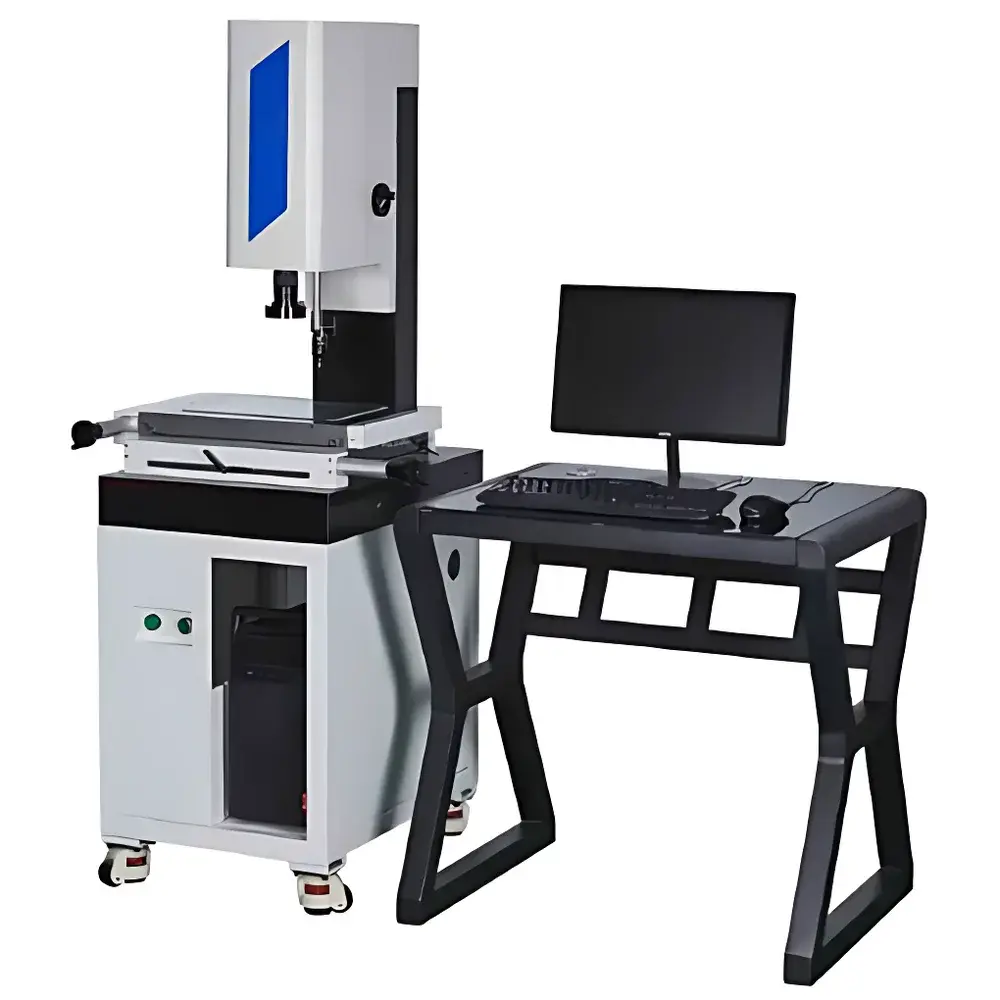
YANRUN YR5040S Manual 2D Vision Measuring System
| Brand | YANRUN |
|---|---|
| Origin | Shanghai, China |
| Manufacturer Type | Direct Manufacturer |
| Product Origin | Domestic (China) |
| Model | YR5040S |
| Operation Mode | Manual |
| Measurement Range | 500 × 400 × 180 mm |
| Measurement Accuracy | (3 + L/200) µm |
| Grating Scale Resolution | 1 µm |
| Camera | High-Resolution CCD Camera with Sony IC Sensor |
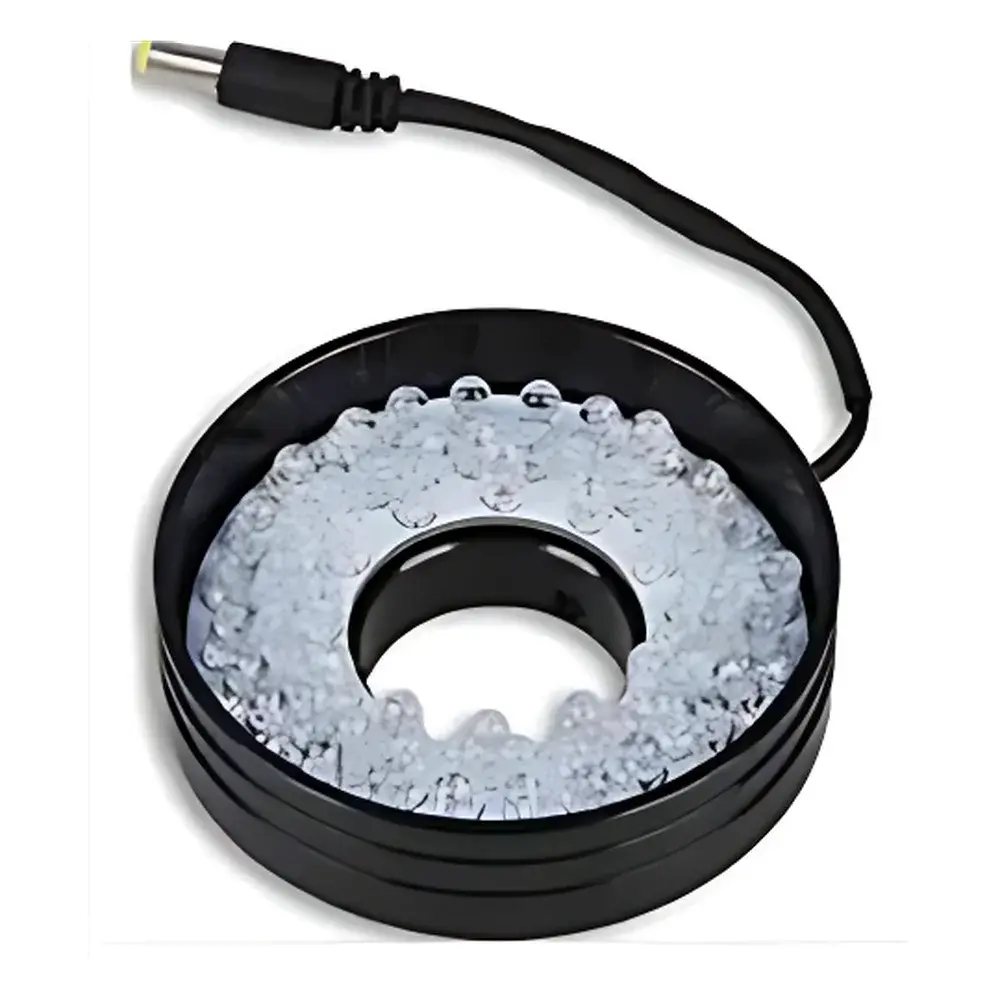
| Illumination | Imported LED Ring/Circular Cold Light Source |
Overview
The YANRUN YR5040S Manual 2D Vision Measuring System is a precision geometric metrology instrument engineered for non-contact dimensional inspection of planar and near-planar components. Based on optical imaging metrology principles—specifically, high-magnification video microscopy coupled with calibrated stage motion and sub-pixel edge detection—the system delivers traceable, repeatable measurements in XY (planar) and limited Z (focus-based height estimation) axes. Designed for environments where full automation is not required but metrological rigor remains essential—including QC labs, toolrooms, and small-batch production floors—the YR5040S integrates industrial-grade mechanics with ISO-aligned measurement architecture. Its rigid 00-grade granite base (flatness ≤ 3 µm), crossed roller linear guides, and closed-loop 1 µm-resolution optical encoders ensure mechanical stability and thermal drift resistance under ambient workshop conditions. The system conforms to foundational metrological practices outlined in ISO 10360-7 (coordinate measuring machines — part 7: CMMs equipped with vision probing systems) and supports traceability through NIST-traceable calibration artifacts.
Key Features
- Rigid metrology-grade construction: 00-level granite base and column with surface flatness ≤ 3 µm, ensuring long-term geometric stability and minimal thermal deformation.
- Precision motion control: High-balance crossed roller linear guides paired with 1 µm resolution closed-loop optical grating scales on X-, Y-, and Z-axes.
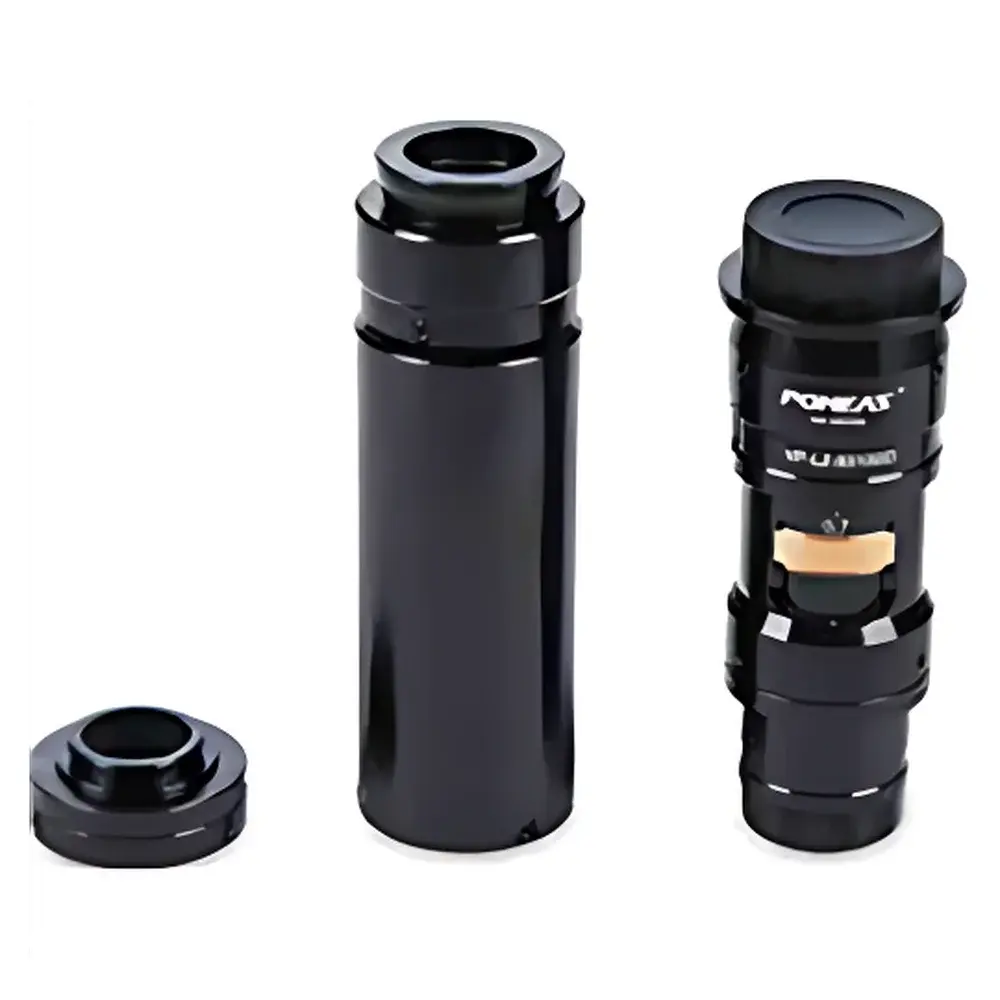
- Optical subsystem: 0.7×–4.5× continuously variable zoom lens (standard magnification range 20×–140×; optional 40×–280×) with telecentric design options available for reduced perspective error.
- Imaging core: High-sensitivity CCD camera featuring Sony IC sensor, delivering >12-bit dynamic range and low-noise performance under controlled illumination.
- Dual-mode illumination: Adjustable imported LED ring light (for surface feature contrast) and coaxial circular cold light (for edge definition and transparency-compatible measurement).
- Manual focusing mechanism with fine-pitch micrometer adjustment, enabling precise depth-of-field control for layered or stepped features.
Sample Compatibility & Compliance
The YR5040S accommodates parts up to 500 mm × 400 mm × 180 mm (L × W × H), supporting diverse geometries including stamped sheet metal, precision machined molds, watch components, PCB stencils, semiconductor lead frames, and miniature mechanical assemblies. Its non-destructive optical method eliminates contact-induced deformation risks common in tactile probing. The system meets functional requirements for ISO/IEC 17025-compliant calibration laboratories when operated under documented procedures and validated environmental controls (temperature 20 ± 1 °C, humidity < 60% RH). While inherently manual, its measurement uncertainty budget aligns with ASTM E29-23 (Standard Practice for Using Significant Digits in Test Data) and supports GLP documentation workflows via audit-trail-enabled reporting.
Software & Data Management
Equipped with ZONSON Intelligent Metrology Software (multi-language interface), the YR5040S provides a comprehensive metrological environment compliant with data integrity expectations in regulated industries. Core capabilities include sub-pixel edge detection algorithms, auto-thresholding for adaptive contour extraction, and real-time coordinate transformation (rotation, translation, origin shift). Measurement data output supports RS232 serial export (ASCII format) and direct CAD integration via DXF and AutoCAD native file import/export. Statistical Process Control (SPC) modules generate X̄-R charts, capability indices (Cp/Cpk), and trend analysis per ISO 22514 series. All reports are exportable to PDF, Excel, and Word formats—with embedded timestamps, operator ID, calibration status flags, and revision-controlled templates. The software architecture supports 21 CFR Part 11 readiness through optional user authentication, electronic signatures, and immutable audit logs.
Applications
- Dimensional verification of stamped, bent, or laser-cut sheet metal components (e.g., automotive brackets, electronics shields).
- Tooling inspection: profile matching of end mills, gear cutters, and forming dies against nominal CAD geometry.
- Micro-component metrology: terminal pitch, coplanarity, and solder pad dimensions in connectors and MEMS packages.
- Watchmaking and jewelry: gear tooth spacing, jewel hole concentricity, and spring geometry validation.
- Quality gate inspection: first-article and in-process checks for molded plastic housings, gaskets, and elastomeric seals.
- Educational and R&D use: geometric tolerance training, reverse engineering workflows, and GD&T concept demonstration.
FAQ
What is the maximum workpiece weight supported by the YR5040S stage?
The granite stage is rated for static loads up to 30 kg. For optimal accuracy, parts exceeding 15 kg should be centered and supported evenly.
Can the system measure features below 10 µm in size?
While pixel resolution supports theoretical detection down to ~5 µm at highest magnification, practical measurement repeatability for features under 25 µm requires environmental stabilization, high-contrast sample preparation, and operator expertise.
Is third-party probe integration possible?
Yes—optional Renishaw TP20 analog touch probe or PH10M motorized indexing head can be retrofitted for hybrid 2.5D measurement, subject to mechanical interface validation and software licensing.
Does the software support custom GD&T symbol libraries?
Yes—ZONSON allows user-defined GD&T callouts, custom datums, and composite tolerance stacks aligned with ASME Y14.5-2018 and ISO 1101 standards.
What calibration standards are recommended for routine verification?
A certified 1 µm resolution step gauge and NIST-traceable ball-bar artifact are recommended for daily performance checks; annual full calibration should follow ISO 10360-7 procedures using accredited service providers.