
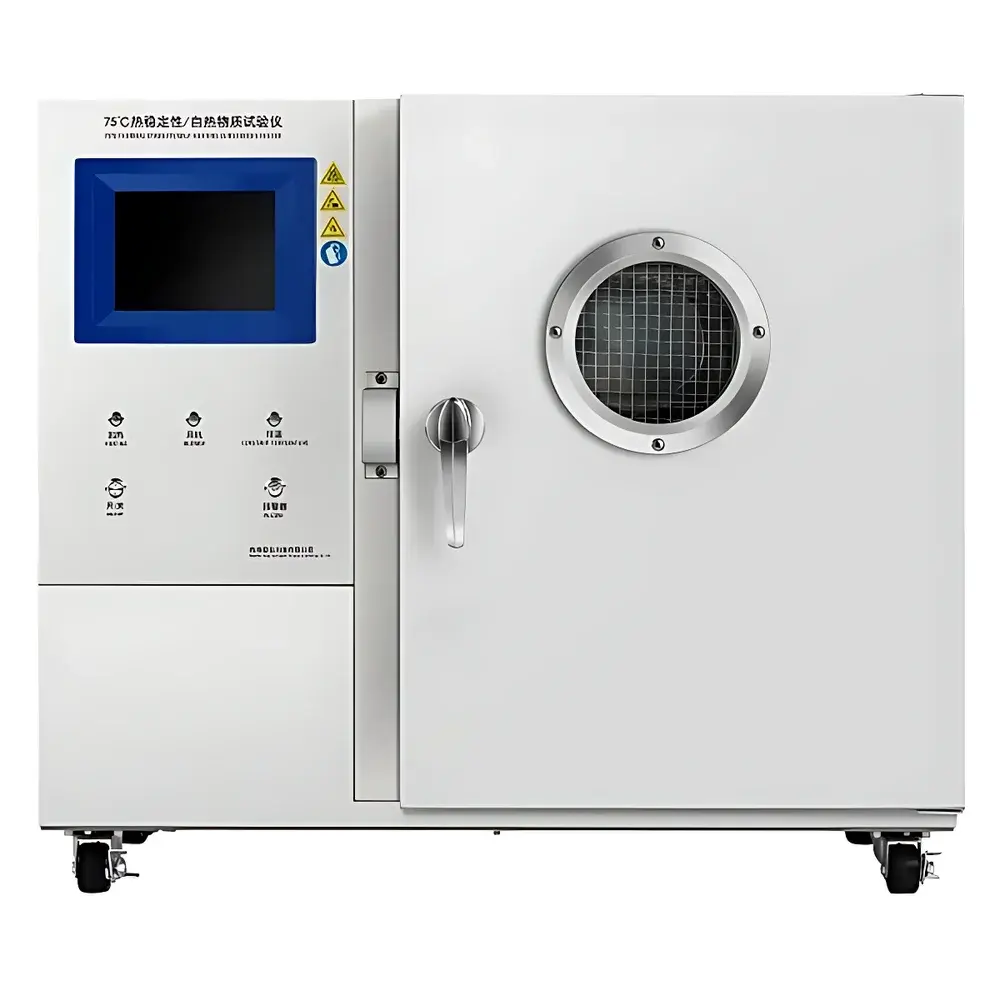
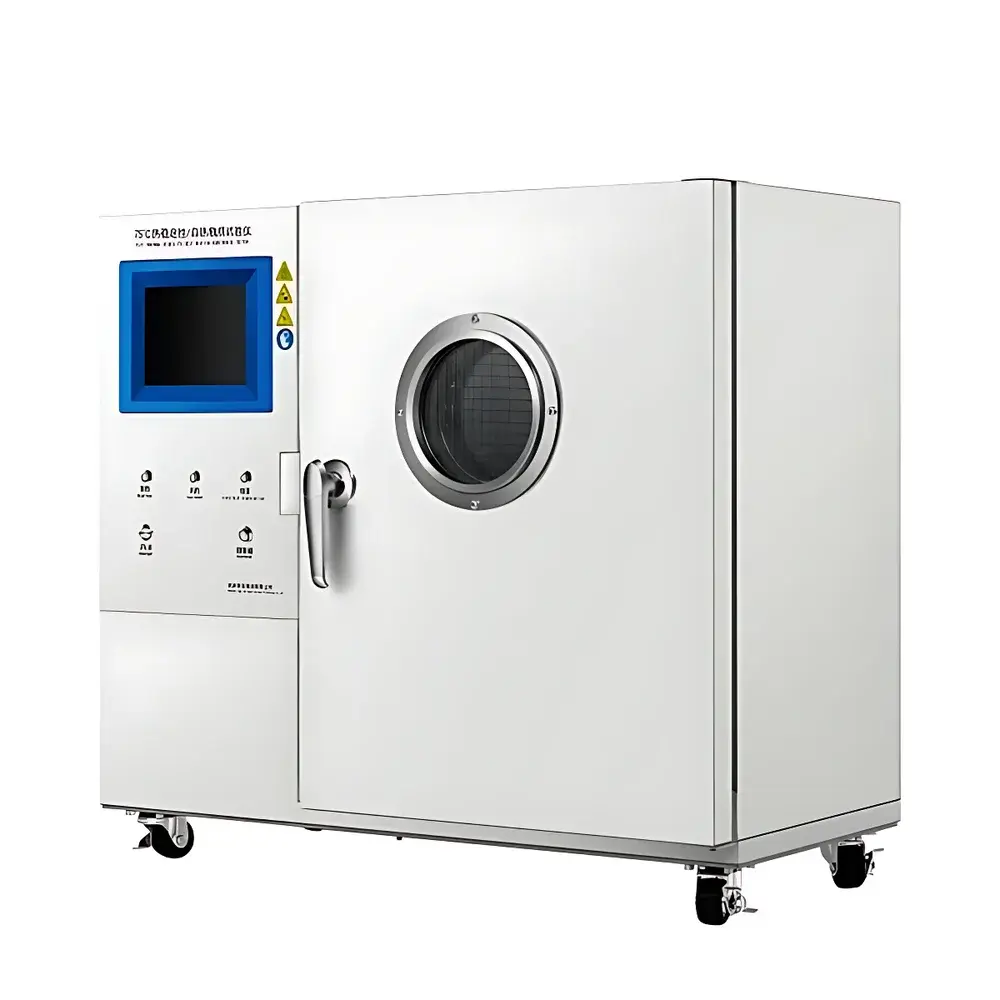
Young Instruments HWP01-20S Dual-Function Thermal Stability & Self-Heating Substance Tester
| Brand | Young Instruments |
|---|---|
| Origin | Zhejiang, China |
| Manufacturer Type | Direct Manufacturer |
| Country of Origin | China |
| Model | HWP01-20S |
| Pricing | Upon Request |
| Temperature Control Range | Ambient to 200 °C |
| Temperature Control Accuracy | ±1 °C |
| Uniformity in Test Zone | ±1.0 °C (≤140 °C), ±1.5 °C (140–180 °C), ±2.0 °C (180–200 °C) |
| Thermocouple Range | −40 to 1000 °C |
| Temp. Resolution | 0.1 °C |
| Temp. Measurement Accuracy | ±1.5 °C or ≤±0.004 |
| Response Time | 0.5 s |
| Standard Timer Range | 0–240 h |
| Custom Timer Range | 0–480 h |
| Timer Accuracy | ±0.01 s |
| Timer Display Resolution | 1 s |
| Chamber Volume | ≥27 L |
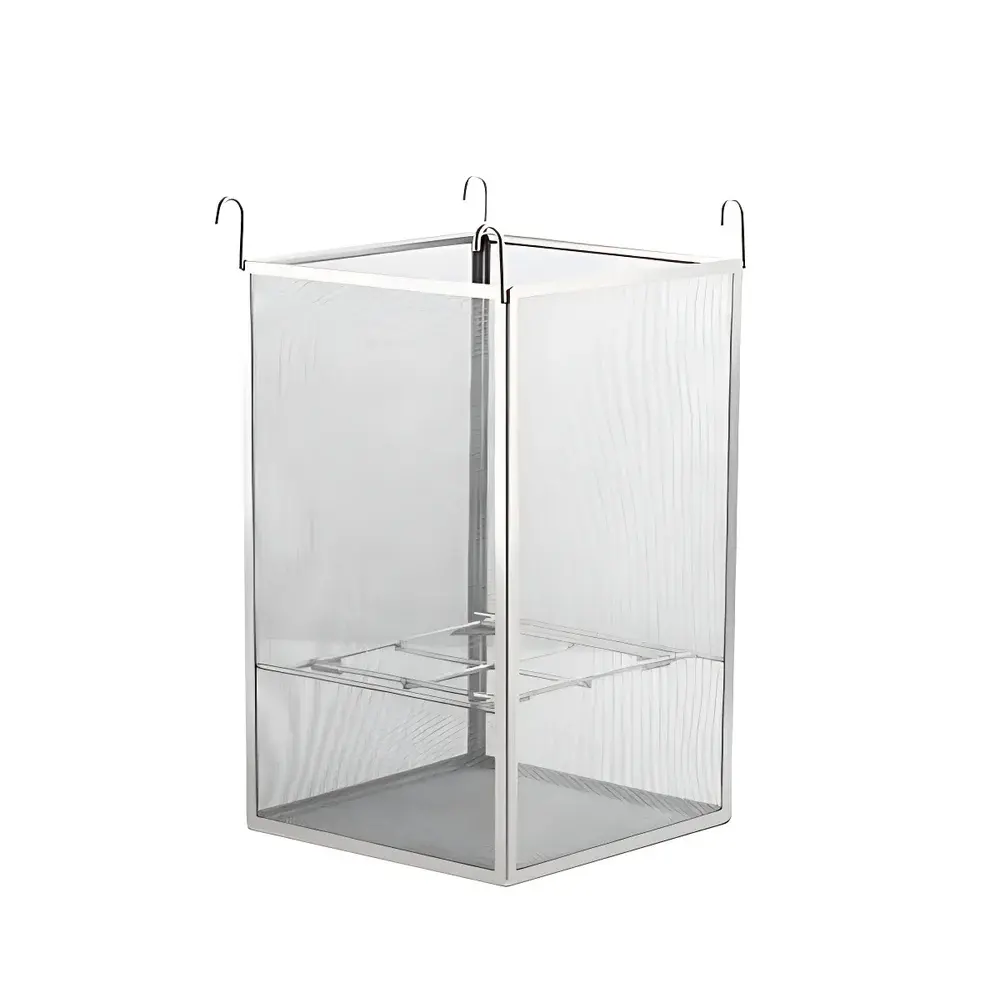
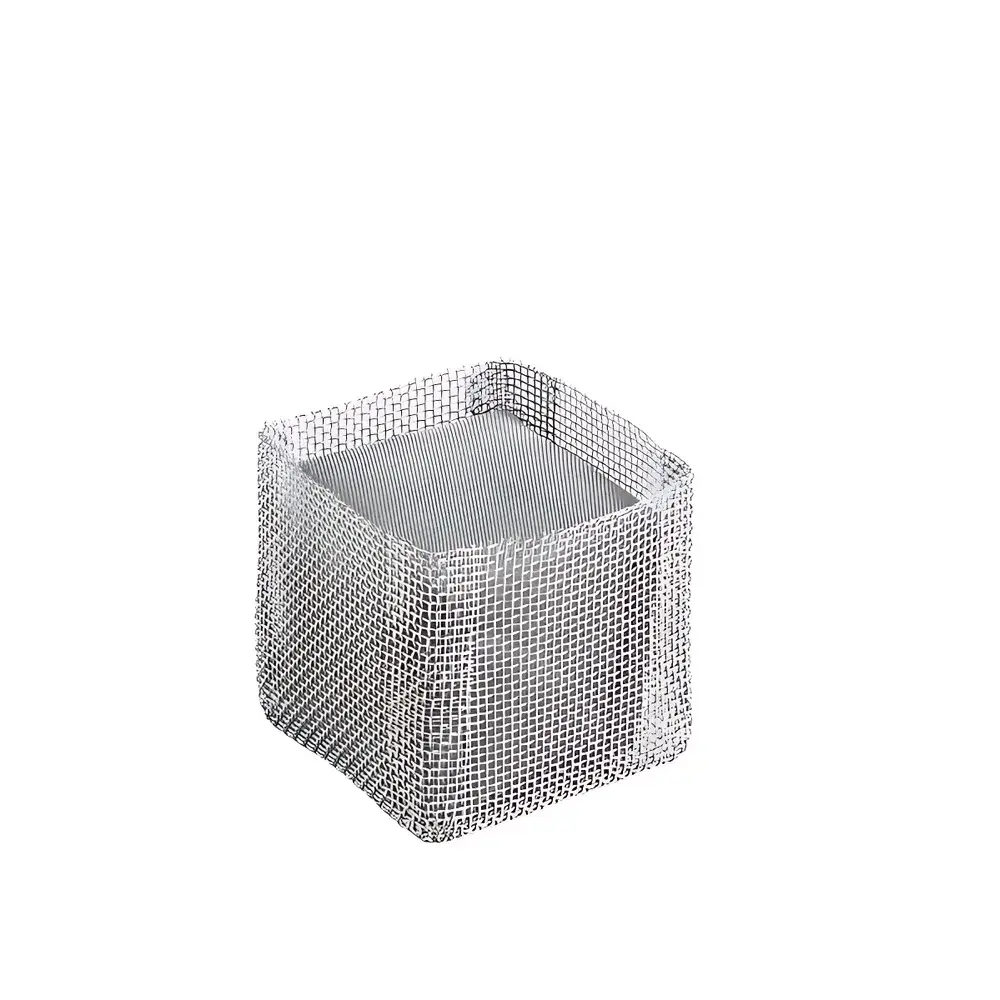
| Self-Heating Test Mesh Cage Sizes | 25 mm × 25 mm × 25 mm and 100 mm × 100 mm × 100 mm |
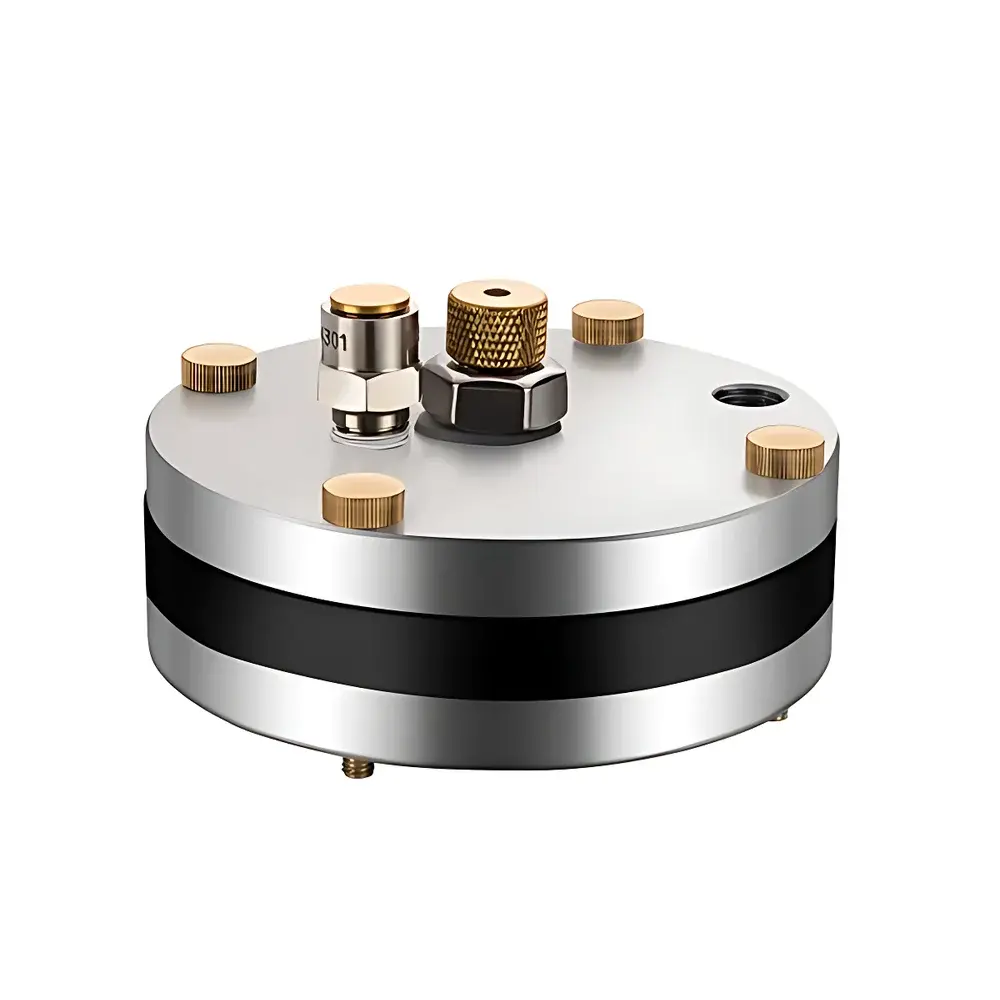
| 75 °C Stability Vessel Dimensions | Φ(50.5 ± 0.5) mm × 150 mm |
| Interior Chamber Dimensions | 350 mm × 350 mm × 400 mm |
| Safety Valve Activation Pressure | 60 kPa |
Overview
The Young Instruments HWP01-20S Dual-Function Thermal Stability & Self-Heating Substance Tester is a purpose-built laboratory instrument engineered for regulatory-compliant assessment of thermal hazard potential in hazardous chemicals—specifically designed to execute two critical UN-recommended classification tests under fully automated, auditable conditions: (1) the Self-Heating Test (UN Manual of Tests and Criteria, Section 33.3.1.6, Test N.4) and (2) the 75 °C Thermal Stability Test (UN Manual, Section 13.6.1, Test 3(c)). The system operates on the principle of comparative temperature monitoring between a test sample and an inert reference material (e.g., silica sand) housed within identical thermal environments. For self-heating evaluation, oxidation-driven exothermic behavior is detected by sustained temperature differentials exceeding defined thresholds during exposure at 100 °C, 120 °C, or 140 °C. For 75 °C stability assessment, the instrument maintains a precisely controlled isothermal environment for up to 480 hours while continuously logging differential temperature drift, enabling definitive classification per transport regulations (e.g., UN Class 4.2, Division 4.1). Its robust architecture integrates high-fidelity thermal control, real-time data acquisition, and fail-safe mechanical containment—meeting the operational rigor required by global chemical safety frameworks.
Key Features
- Dual-test capability in a single platform: seamless switching between self-heating and 75 °C thermal stability protocols without hardware reconfiguration
- Triple-point thermocouple array with independent calibration traceability ensures spatial temperature uniformity verification across the test zone per ISO/IEC 17025-aligned practice
- Embedded Windows CE controller with 8-inch capacitive touchscreen interface supports intuitive parameter setup, live status visualization, and real-time curve plotting (temperature vs. time)
- Digital PID temperature regulation with adaptive tuning delivers ±1 °C setpoint accuracy across ambient to 200 °C range; thermal homogeneity validated per ASTM E145 and EN 61000-4-29
- Explosion-resistant chamber construction featuring laminated anti-spall borosilicate observation window and rear-mounted pressure-relief door (rated ≥2.5 kgf opening force) compliant with EN 13463-1 requirements
- Automated pressure management via calibrated 60 kPa spring-loaded safety valve, integrated into closed-loop monitoring with audible/visual fault alerts
- Full audit trail functionality: all user actions, parameter changes, alarm events, and raw sensor logs are timestamped and stored locally with non-volatile memory retention
- Configurable timer system supporting both standard (0–240 h) and extended-duration (0–480 h) test sequences with ±0.01 s resolution and GLP-compliant reporting
- Modular mesh cage system accommodating standardized 25 mm and 100 mm cubic stainless-steel wire baskets (ASTM F2210-compliant geometry), with optional custom cage fabrication available
- Integrated data export via USB 2.0 port; output formats include CSV (raw sensor values), PDF (formatted test reports), and XML (for LIMS integration)
Sample Compatibility & Compliance
The HWP01-20S is validated for use with solid and semi-solid hazardous substances including but not limited to explosive compounds, desensitized explosives, self-reactive substances, organic peroxides, and reactive waste streams. It satisfies mandatory testing requirements stipulated in multiple harmonized standards: UN Recommendations on the Transport of Dangerous Goods (Manual of Tests and Criteria, Rev. 7), GB/T 21612–2008 (China National Standard for Flammable Solid Self-Heating Testing), EN 13631-2:2002 (Civil Explosives – Determination of Thermal Stability), GAT 536–2015 (Fire Hazard Classification of Flammable and Explosive Materials), and NY/T 1860.37–2010 (Pesticide Physicochemical Property Testing Guidelines – Part 37: Self-Heating Test). The instrument’s design and validation documentation support compliance with ISO/IEC 17025 accreditation for testing laboratories and aligns with FDA 21 CFR Part 11 expectations for electronic records and signatures when operated with appropriate procedural controls.
Software & Data Management
The embedded Windows CE application provides a secure, role-based interface for test initiation, parameter definition (setpoint, duration, sampling interval, alarm thresholds), and post-run analysis. All measurement data—including thermocouple voltages, calculated delta-T, elapsed time, and system status flags—are acquired at 1 Hz and stored with millisecond-level timestamps. Reports automatically include metadata such as operator ID, instrument serial number, calibration due date, environmental conditions, and pass/fail determinations based on UN-defined acceptance criteria. Exported datasets contain unprocessed raw values for third-party statistical validation. Audit logs record every user login, configuration change, and emergency stop event—retained for ≥12 months and exportable for regulatory review. Optional firmware updates are delivered via signed binary packages to maintain integrity and traceability.
Applications
- Classification of substances for UN transport hazard class assignment (particularly Class 4.2 self-heating solids and Class 4.1 self-reactive substances)
- Thermal screening of new energetic materials during R&D phase to identify exothermic onset temperatures and kinetic stability windows
- Stability qualification of commercial formulations prior to bulk storage or shipment under ambient or elevated ambient conditions
- Regulatory submission support for REACH registration dossiers requiring experimental thermal hazard data
- Verification testing for compliance with GHS Category 1 or 2 self-heating classification criteria
- Waste characterization per GB 5085.5–2007 (Identification Standards for Hazardous Waste – Reactivity)
- Quality assurance of batch-to-batch consistency in heat-sensitive active pharmaceutical ingredients (APIs) and intermediates
FAQ
Does the HWP01-20S comply with UN TDG requirements for official classification testing?
Yes—the instrument implements Test N.4 (self-heating) and Test 3(c) (75 °C stability) exactly as described in the UN Manual of Tests and Criteria, including prescribed sample geometries, temperature tolerances, and pass/fail logic.
Can the system be integrated into a centralized laboratory information management system (LIMS)?
Yes—via standardized CSV and XML exports, and optionally through TCP/IP socket communication (custom API available upon request).
What safety certifications does the instrument hold?
The HWP01-20S conforms to IEC 61010-1:2010 for electrical safety and incorporates mechanical safety features aligned with EN 13463-1:2009 for equipment intended for potentially explosive atmospheres.
Is calibration traceable to national standards?
All thermocouples are supplied with individual calibration certificates traceable to CNAS-accredited laboratories (equivalent to NIST or UKAS); annual recalibration is recommended and supported by Young Instruments’ service network.
Are software updates provided after purchase?
Yes—firmware and application updates are made available free of charge for the first three years post-delivery, including enhancements to reporting formats and regulatory alignment.
Related Products






