
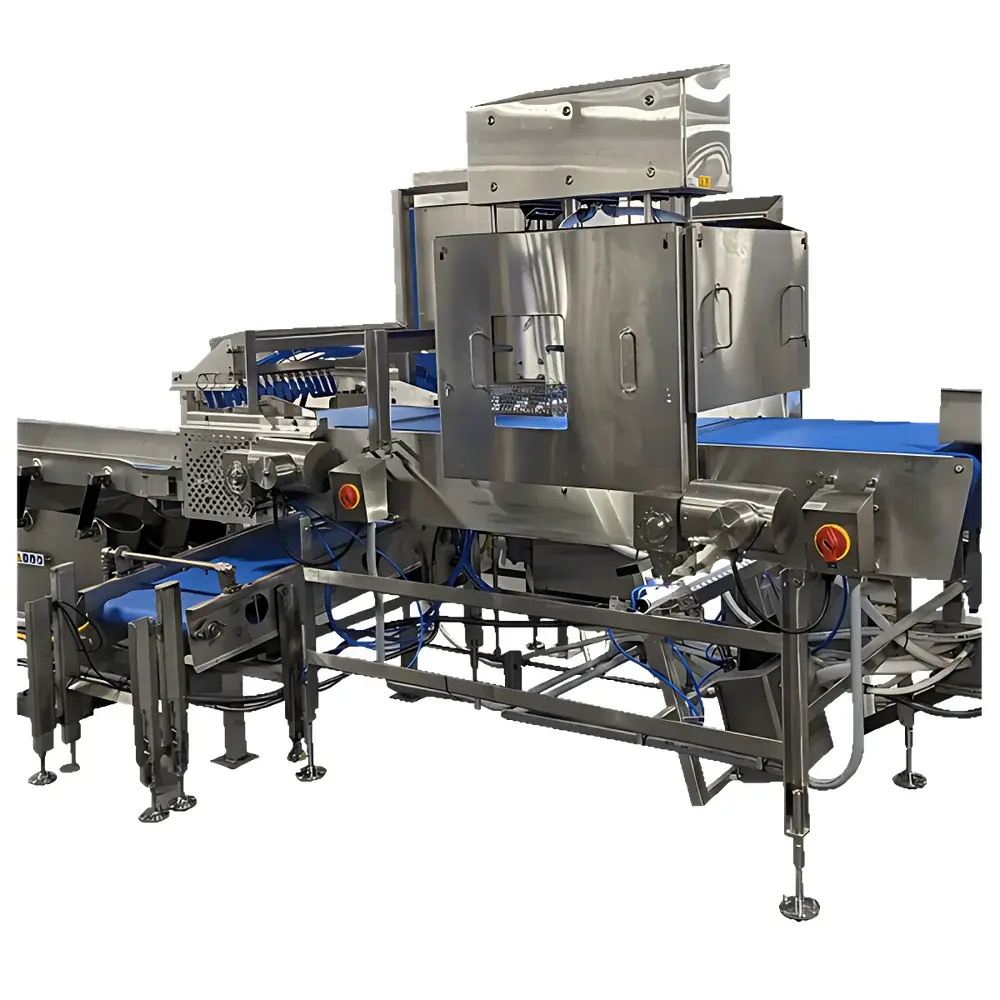
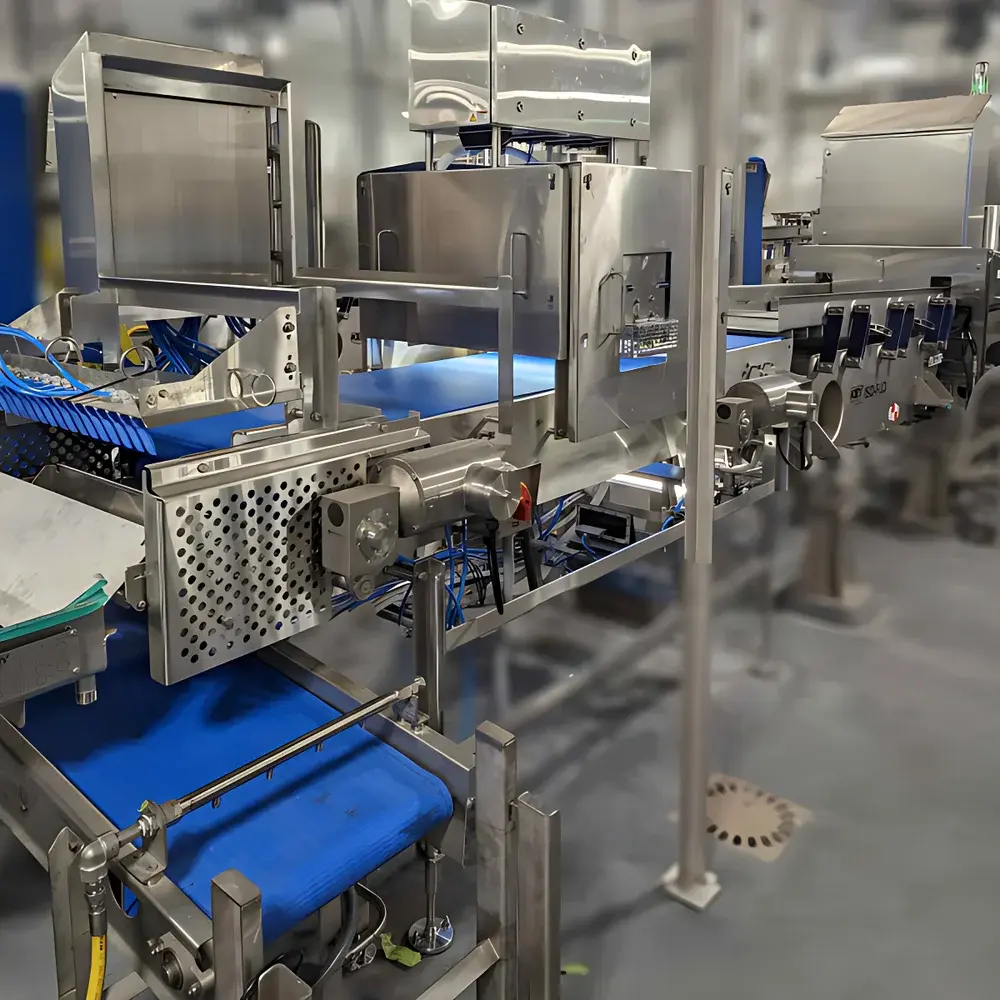
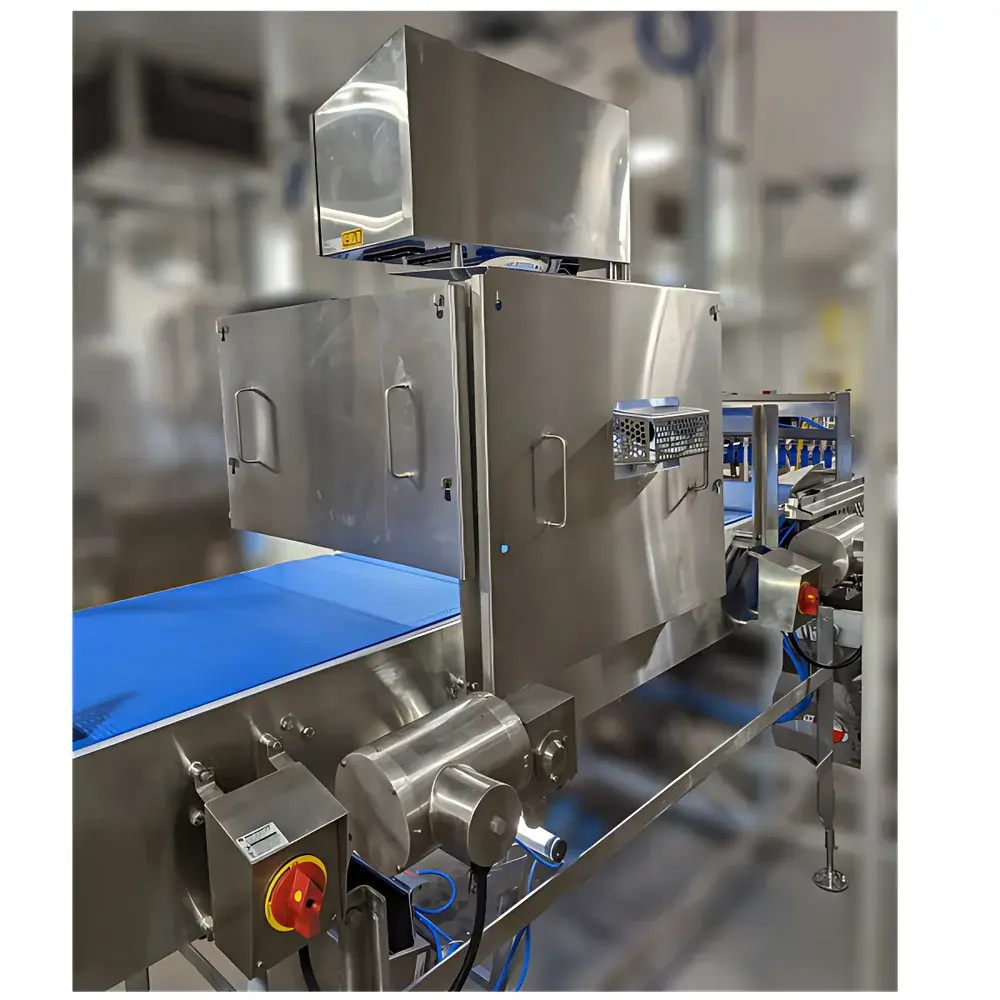
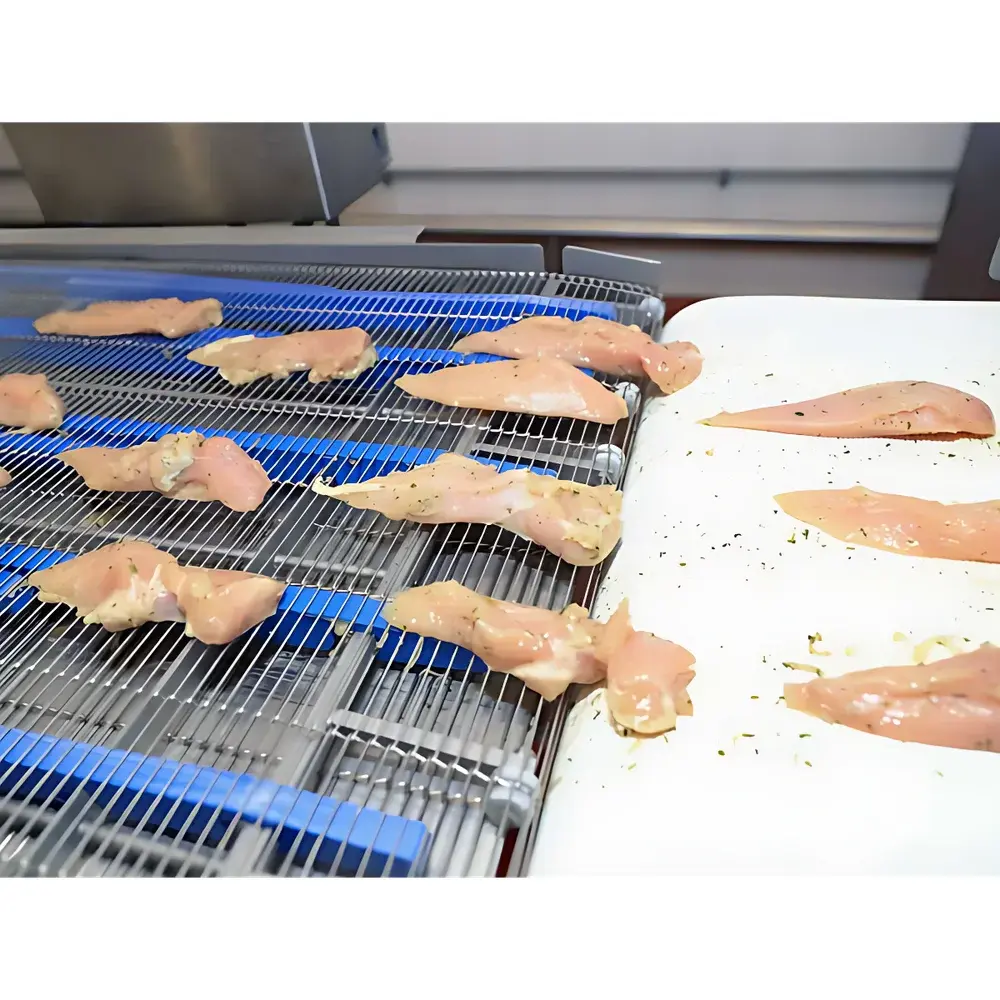
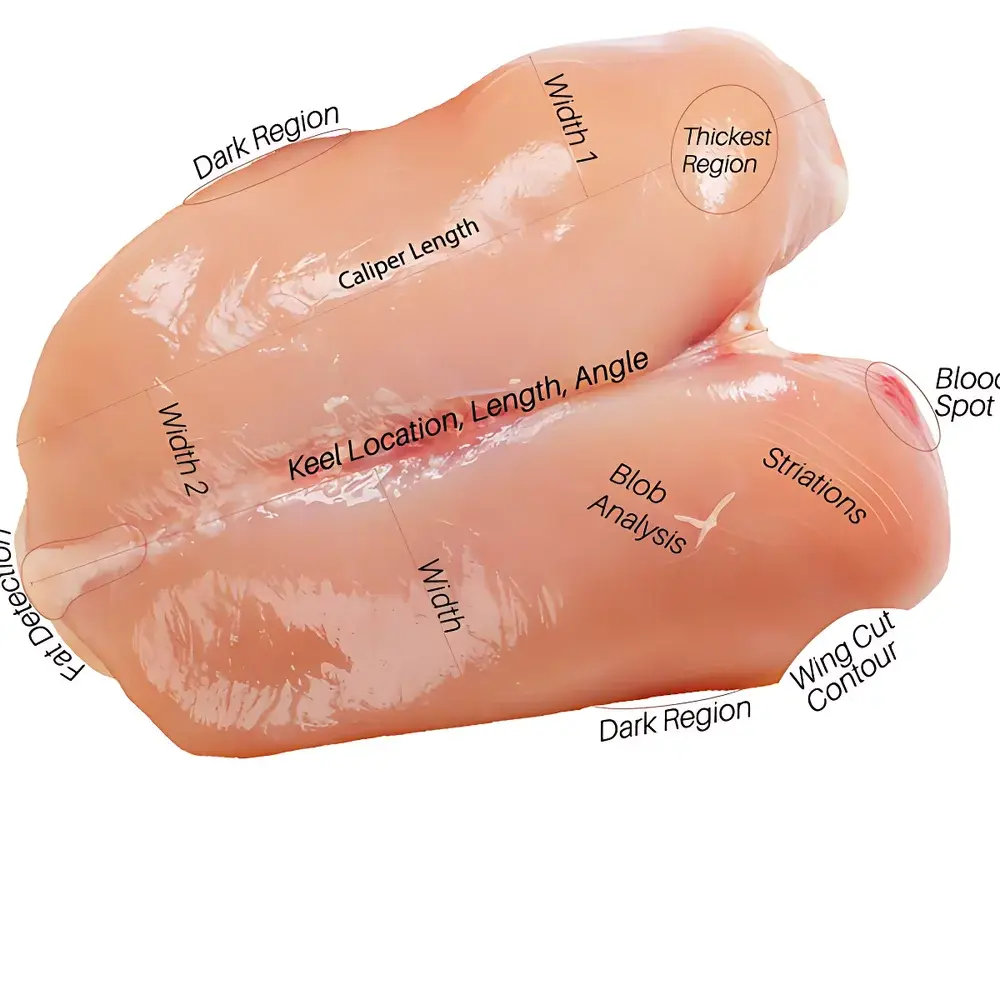
KPM Sightline P-Series Online Vision Inspection System for Meat and Poultry Processing
| Brand | KPM Sightline |
|---|---|
| Origin | Canada |
| Manufacturer Type | Authorized Distributor |
| Origin Category | Imported |
| Model | P-Series |
| Pricing | Available Upon Request |
Overview
The KPM Sightline P-Series Online Vision Inspection System is an industrial-grade, hygienic machine vision platform engineered for 100% inline inspection of fresh, cooked, and processed meat and poultry products. Built upon a robust architecture integrating high-resolution imaging, structured lighting, laser profiling, and real-time image analysis, the system operates on the principle of multi-spectral visual metrology—capturing geometric, chromatic, textural, and surface-defect data at production-line speeds. Designed specifically for USDA-FSIS, CFIA, and EU-regulated food processing environments, it delivers objective, repeatable, and auditable quality assessments at critical control points (CCPs) across primary slaughter, secondary fabrication, portioning, cooking, and final packaging stages. Its deployment supports Hazard Analysis and Critical Control Point (HACCP) compliance, enables GLP/GMP-aligned data integrity, and provides foundational traceability for FSMA 204 and Industry 4.0 digital twin integration.
Key Features
- Full-line 100% inspection capability—no sampling required; continuous monitoring of every unit passing through designated stations
- Hygienic, IP69K-rated stainless-steel enclosure with full CIP/SIP compatibility—validated for repeated exposure to caustic, acidic, and hot-water sanitation cycles
- Modular sensor architecture: configurable combinations of area-scan and line-scan cameras (up to 20 MP resolution), Class 2 laser triangulation modules, and spectrally tuned LED illumination (visible + near-IR)
- Real-time defect classification engine powered by KPM’s measura® software—trained on validated defect libraries covering bone fragments, foreign objects (plastic, metal, glass), bruising, discoloration, fat ratio deviations, shape distortion, and anatomical anomalies
- Integrated reject logic interface—direct I/O and Ethernet/IP communication with pneumatic pushers, divert gates, or robotic pick-and-place systems
- Embedded edge processing unit with dual-core industrial CPU, 16 GB RAM, and SSD storage—capable of >60 fps throughput at full resolution with sub-millisecond latency
Sample Compatibility & Compliance
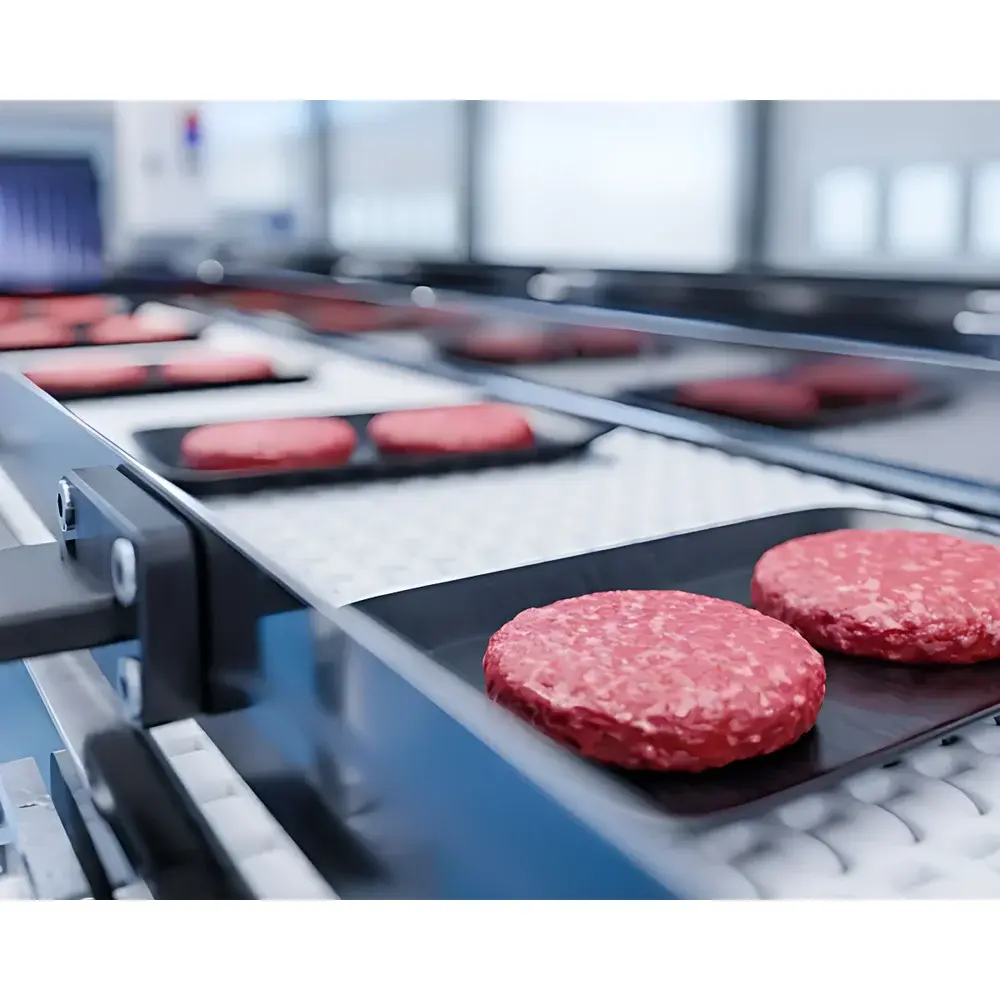
The P-Series accommodates a broad spectrum of meat and poultry formats without mechanical contact: whole carcasses (poultry, beef), primal cuts, portioned steaks, ground patties (raw/cooked), nuggets, strips, bacon slabs, jerky sheets, and formed products. All optical and mechanical components meet NSF/ANSI Standard 169 for food equipment design and EHEDG Doc. 8 hygienic construction guidelines. The system is pre-validated for alignment with FDA 21 CFR Part 11 (electronic records/signatures), ISO 22000:2018, and BRCGS Food Safety Issue 9 Annex 5 (automated inspection systems). Audit trails—including image capture timestamps, operator logins, parameter changes, and rejection events—are automatically generated and exportable in CSV/PDF formats compliant with internal QA review and regulatory inspection requirements.
Software & Data Management
measura® software serves as the central analytical and operational interface. It provides role-based access control (supervisor, operator, maintenance), configurable pass/fail thresholds per defect class, and dynamic recipe management for product-specific inspection profiles. All captured images and metadata are stored locally with optional encrypted cloud backup. Reporting modules generate SPC charts (X-bar/R, p-charts), OEE dashboards (availability, performance, quality), batch-level summary reports, and real-time KPIs including defect type frequency, false reject rate (FRR), true positive rate (TPR), and line throughput (units/min). Data exports support SQL, OPC UA, and MQTT protocols—enabling seamless integration into MES (e.g., Siemens Opcenter, Rockwell FactoryTalk), ERP (SAP, Oracle), and centralized food safety analytics platforms.
Applications
- Automated grading of beef steaks and chicken breasts based on USDA/CFIA-defined marbling, color, and conformation metrics
- Detection of non-biological contaminants (e.g., plastic shavings, rubber fragments, wood splinters) and biological hazards (bone chips, cartilage fragments, feather quills)
- Quantitative assessment of surface browning, oxidation-induced discoloration, and drip loss indicators in vacuum-packed products
- Dimensional verification of portion weight proxies (length × width × thickness) correlated to target yield specifications
- Surface defect mapping—including bruising, skin tears, scald marks, and freezer burn—for root cause analysis and supplier scorecarding
- Real-time feedback to upstream process controllers (e.g., adjusting blade pressure on portioning saws or temperature setpoints on cook lines)
FAQ
Does the P-Series require product-specific calibration for each new SKU?
Yes—initial setup includes physical reference samples and digital training via measura®’s supervised learning workflow. Once calibrated, recipes can be duplicated, version-controlled, and deployed across multiple lines.
Can the system operate under wet, cold, or steam-rich environments common in evisceration or chilling zones?
Yes—housing meets IP69K; camera lenses feature hydrophobic coatings; and thermal management ensures stable operation from 2°C to 40°C ambient with 95% RH non-condensing.
Is historical image data retained for regulatory audits?
Yes—configurable retention policies (default: 90 days) apply to raw images, annotated thumbnails, metadata logs, and operator actions—all cryptographically timestamped and tamper-evident.
How is validation performed prior to commissioning?
KPM Sightline conducts IQ/OQ documentation per ASTM E2500 and provides a site-specific PQ protocol aligned with your HACCP plan and internal SOPs.
What level of IT infrastructure is required for network integration?
A standard industrial Ethernet switch (1 GbE) with VLAN segmentation is sufficient; no domain controller or Windows Server dependency is required—the system runs on a hardened Linux OS.



