
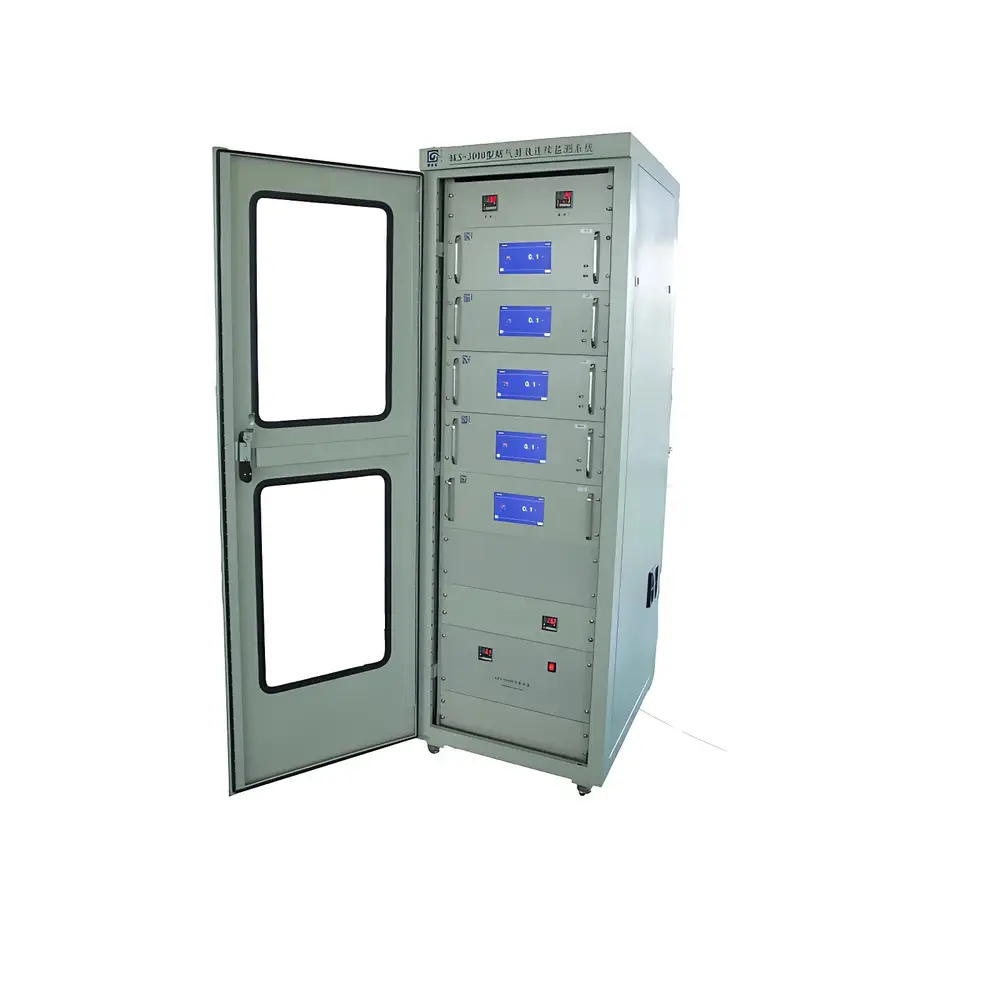
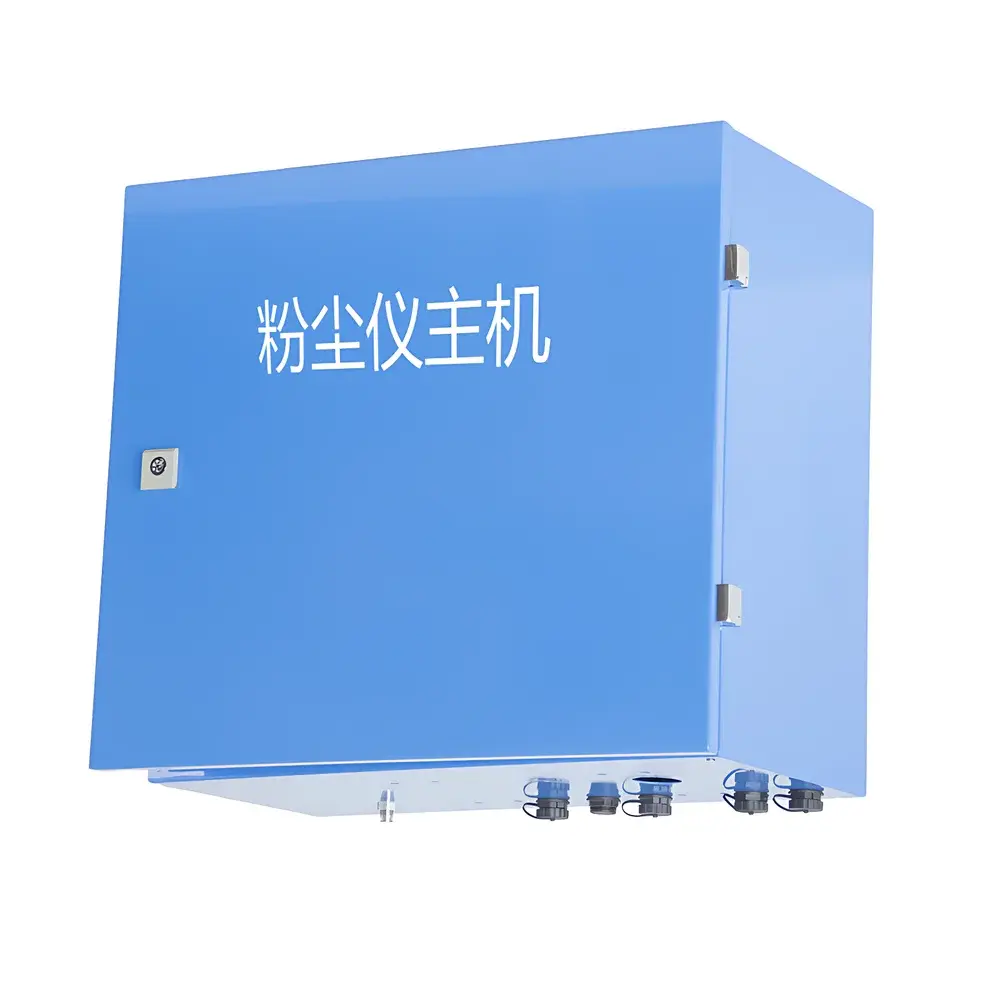
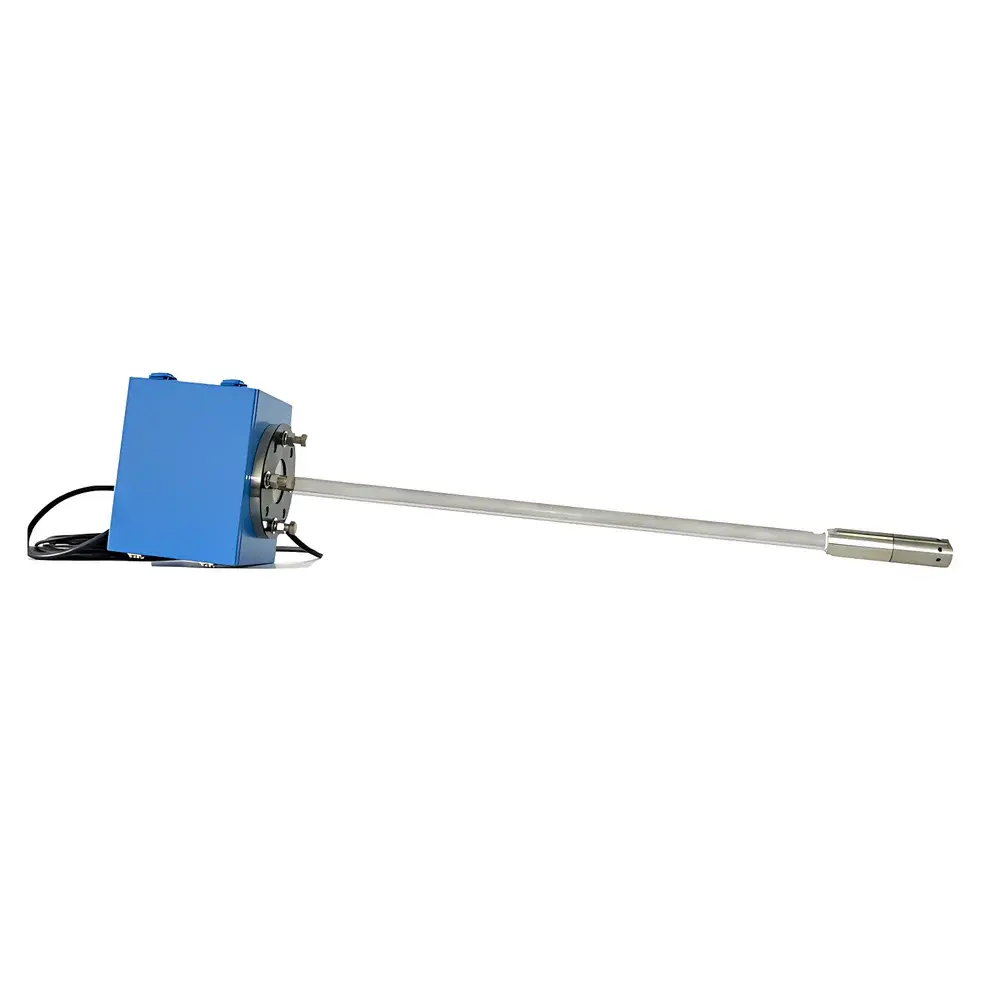
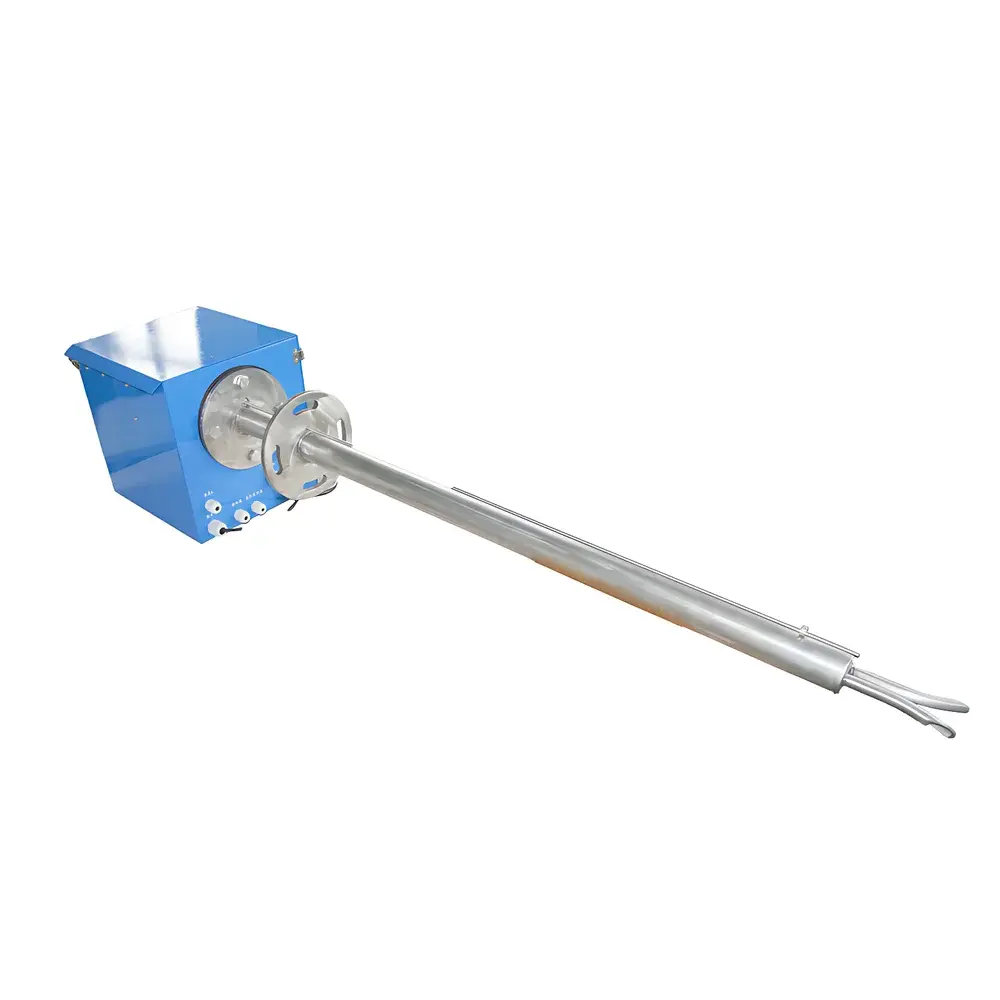
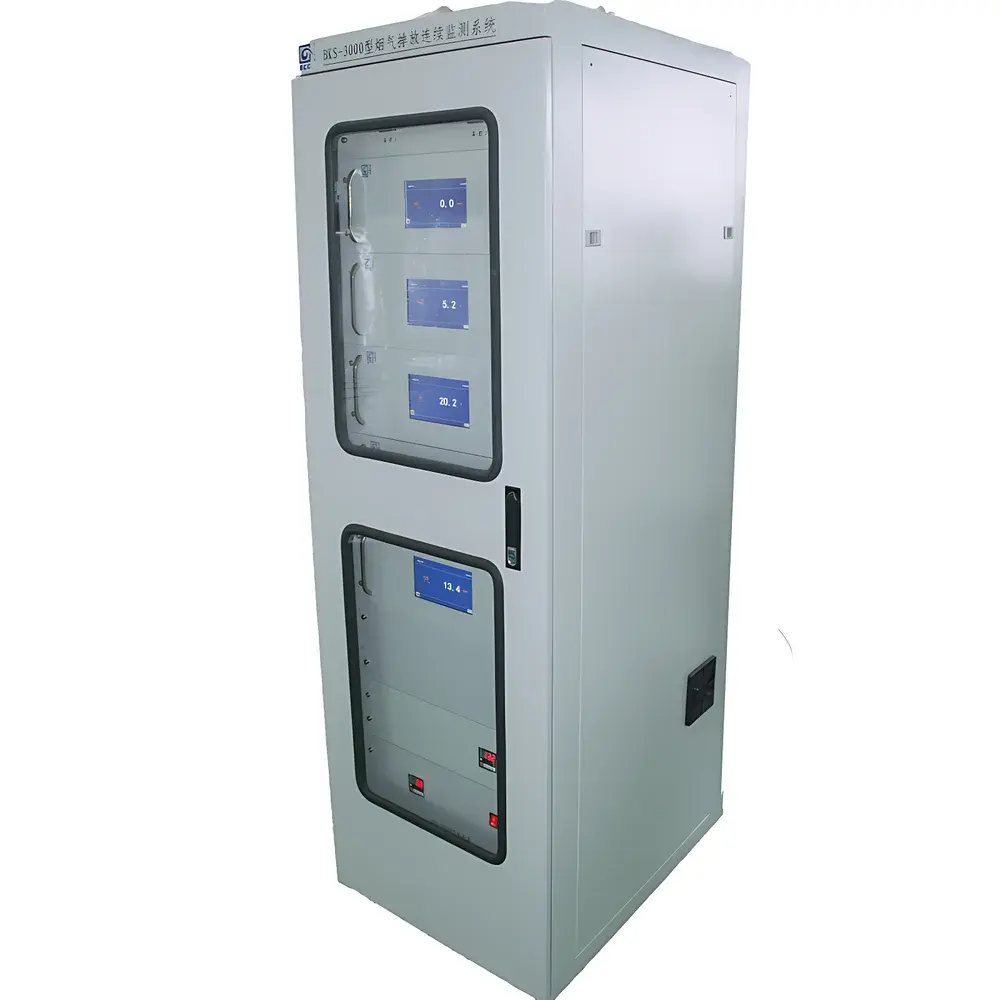
BCC BKS-3000 Continuous Emission Monitoring System (CEMS)
| Brand | BCC |
|---|---|
| Origin | Hebei, China |
| Model | BKS-3000 |
| Instrument Type | Flue Gas CEMS |
| Accuracy | ≤±1% FS/24h |
| Repeatability | ≤±1% FS/24h |
| Response Time | ≤10 s |
| Stability (Zero/Scale Drift) | ≤±1% FS/24h (gaseous), negligible drift (particulate) |
| Measured Parameters | SO₂, NOₓ (NO, NO₂, N₂O), CO, CO₂, SO₃, CH₄, O₂, HCl, NH₃, HF, H₂S, H₂O, particulate matter (PM) |
| Detection Methods | Non-Dispersive Infrared (NDIR), Tunable Diode Laser Absorption Spectroscopy (TDLAS), UV Differential Optical Absorption Spectroscopy (UV-DOAS), Electrochemical (O₂), Optical Scattering (PM) |
| Output Interfaces | RS232, RS485, 4–20 mA, Ethernet, 4G/5G cellular |
Overview
The BCC BKS-3000 Continuous Emission Monitoring System (CEMS) is an integrated, multi-parameter flue gas analyzer engineered for regulatory-grade compliance monitoring in industrial combustion processes, waste incineration, power generation, cement kilns, and chemical production facilities. It employs a hybrid optical and electrochemical architecture to simultaneously quantify up to 15 regulated gaseous pollutants—including SO₂, NOₓ species (NO, NO₂, N₂O), CO, CO₂, SO₃, CH₄, HCl, NH₃, HF, H₂S, O₂, and H₂O—as well as suspended particulate matter (PM) in real time. Measurement principles are method-specific and aligned with internationally recognized standards: NDIR and laser-based infrared absorption for CO, CO₂, CH₄, and SO₂; UV-DOAS for NO₂ and SO₂ in high-interference matrices; TDLAS at elevated temperatures for trace acidic gases (HCl, HF, NH₃) under corrosive, high-dust conditions; electrochemical cells for O₂; and forward-scatter or backscatter optical detection for PM concentration across ultra-low (0–10 mg/m³) to high-range (up to 9999 mg/m³) applications. The system is designed for permanent installation in stack environments up to 200 °C and accommodates both in-situ (probe-mounted) and extractive (hot/wet or dilution) sampling configurations.
Key Features
- Multi-analyte capability with configurable sensor modules—users select specific gas combinations and measurement ranges per application, including dual-range independent calibration for critical pollutants (e.g., 0–50 mg/m³ and 0–500 mg/m³ for SO₂).
- Robust thermal and chemical resilience: high-temperature TDLAS probes operate continuously at stack temperatures up to 200 °C; corrosion-resistant sampling lines and heated filter housings mitigate condensation and acid deposition.
- Stability-certified performance: zero and span drift ≤±1% FS over 24 hours for all gaseous analytes; particulate measurement exhibits negligible long-term drift due to self-calibrating optical path compensation.
- Modular signal output architecture supporting analog (4–20 mA), serial (RS232/RS485), Ethernet (TCP/IP), and wireless (4G/5G LTE) communication protocols—enabling seamless integration into DCS, SCADA, and central environmental data management platforms.
- Automated diagnostics and maintenance logging compliant with EN 15267-3 and EPA Performance Specification 2 (PS-2) requirements, including leak detection, mirror contamination alerts, and flow validation routines.
Sample Compatibility & Compliance
The BKS-3000 is validated for use with flue gases containing high moisture, particulate loading (up to 50 g/Nm³), and aggressive constituents such as sulfuric acid mist, chlorine species, and ammonia slip. Its sampling interface supports both hot-wet extractive and in-situ probe configurations, with optional heated sample lines (180 °C), PTFE-coated filters, and ceramic impactors for high-dust applications. The system meets the functional requirements of ISO 14064-1 (GHG quantification), EN 14181 (QA/QC procedures for CEMS), and China’s HJ 75–2017 and HJ 76–2017 technical specifications for flue gas CEMS. Data integrity complies with audit-trail requirements under GLP and GMP frameworks; optional firmware enables 21 CFR Part 11–compliant electronic signatures and user-level access control.
Software & Data Management
The embedded CEMS control software provides real-time visualization of all measured parameters, automatic calculation of mass emission rates (kg/h), and conversion to standardized dry, excess-air-corrected concentrations (mg/Nm³ @ 6% O₂). It includes built-in QA/QC tools: daily zero/span verification logs, calibration certificate generation, drift trending charts, and alarm-triggered event recording. Raw and processed data are stored locally on industrial-grade SD cards (≥1 year retention) and transmitted via secure TLS-encrypted channels to cloud-based or on-premise environmental information systems (EIS). API support allows third-party integration with ERP, LIMS, and emissions trading platforms. All software updates and configuration changes are version-controlled and logged with timestamped operator credentials.
Applications
- Regulatory compliance monitoring for coal-fired and biomass boilers subject to national emission limits (e.g., China’s GB 13223–2011, EU IED Directive 2010/75/EU).
- Process optimization in cement clinker coolers and rotary kilns, where NH₃ slip, NOₓ reduction efficiency, and O₂ trim control directly impact fuel consumption and clinker quality.
- Waste-to-energy plants requiring simultaneous monitoring of dioxin precursors (HCl, HF, SO₂), combustion efficiency indicators (CO, O₂), and PM to meet strict permitting conditions.
- Chemical synthesis units with highly variable exhaust streams—e.g., nitric acid plants (NO, NO₂, N₂O), caprolactam production (NH₃, SO₂), or fluoropolymer manufacturing (HF, HCl)—where cross-sensitivity mitigation and rapid response (<10 s) are critical for safety interlocks.
- Carbon accounting workflows integrating CO₂, CH₄, and N₂O measurements for Scope 1 GHG reporting under ISO 14064 or CDP frameworks.
FAQ
What standards does the BKS-3000 comply with for regulatory reporting?
It conforms to HJ 75–2017 and HJ 76–2017 (China), EN 14181 (EU), and PS-2/PS-11 (US EPA) for performance evaluation, QA/QC, and data validation.
Can the system measure ultra-low SO₂ concentrations below 10 mg/m³?
Yes—dual-range NDIR or UV-DOAS modules support configurable ultra-low measurement down to 0–50 mg/m³ with full linearity and certified accuracy per HJ 76–2017 Annex D.
Is particulate matter measurement certified for regulatory use?
The optical PM module is type-approved per EN 13284-1 and HJ 76–2017 Appendix A for continuous monitoring; factory calibration is traceable to NIST SRM 1691.
How often is calibration required under normal operation?
Zero/span checks are recommended every 24 hours; full multi-point calibration is performed quarterly or after maintenance, supported by automated calibration gas delivery modules.
Does the system support remote diagnostics and firmware updates?
Yes—via secure HTTPS web interface or MQTT protocol; all updates include SHA-256 signature verification and rollback capability.
Related Products







