
ZYKX-500C Rotating Drop Interfacial Tensiometer
| Brand | ZYKX |
|---|---|
| Origin | Beijing, China |
| Model | ZYKX-500C |
| Measurement Range | 1×10⁻⁶–100 mN/m |
| Resolution | 0.001 mm (optical readout) |
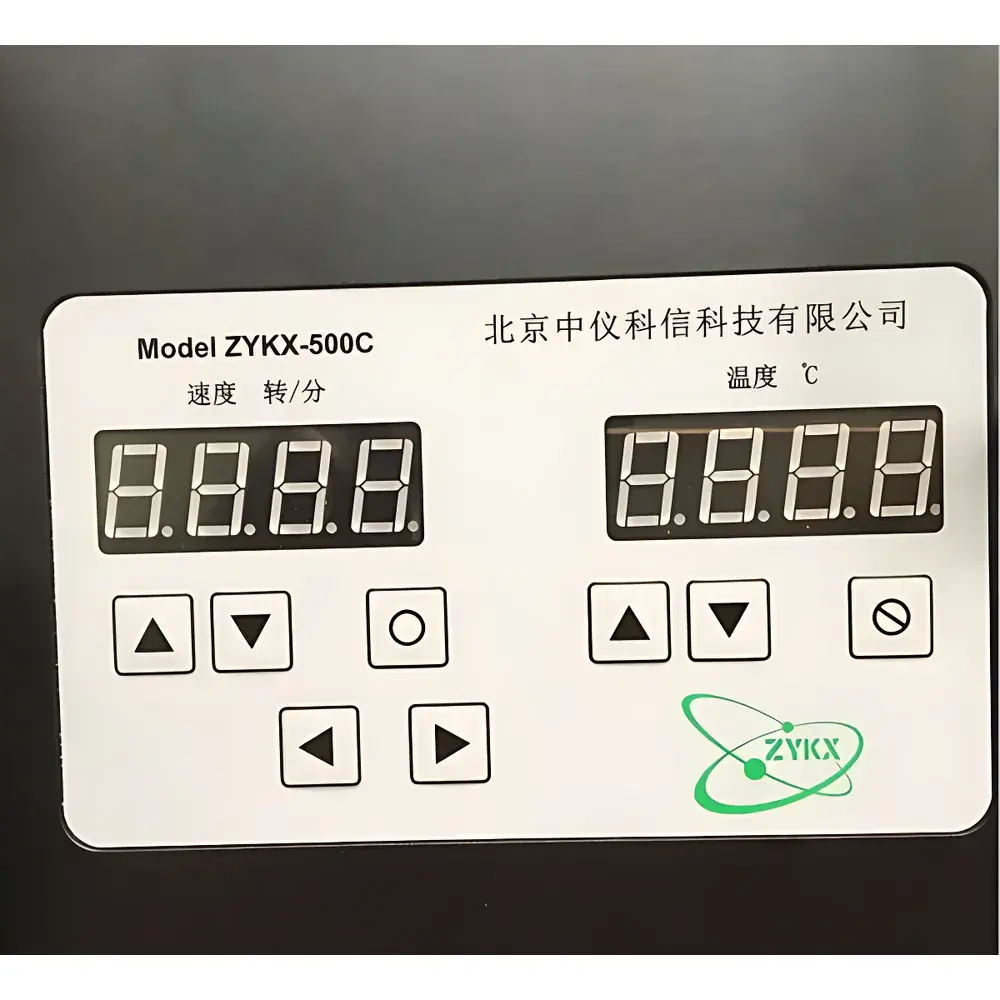
| Temperature Control Range | RT+5°C to 90°C (internal heating) |
| Temperature Accuracy | ±0.1°C |
| Rotational Speed Range | 1,000–10,000 rpm |
| Speed Stability | ±5 rpm |
| Imaging Resolution | 768×576 pixels |
| Frame Rate | 60 fps |
| Optical Zoom | 10× (lens) + 2× (digital) |
| Interface | USB 3.0 (video), RS-232 (data), USB/COM (control) |
| Power Supply | 220 V/50 Hz ±10% or 110 V/60 Hz ±10% |
Overview
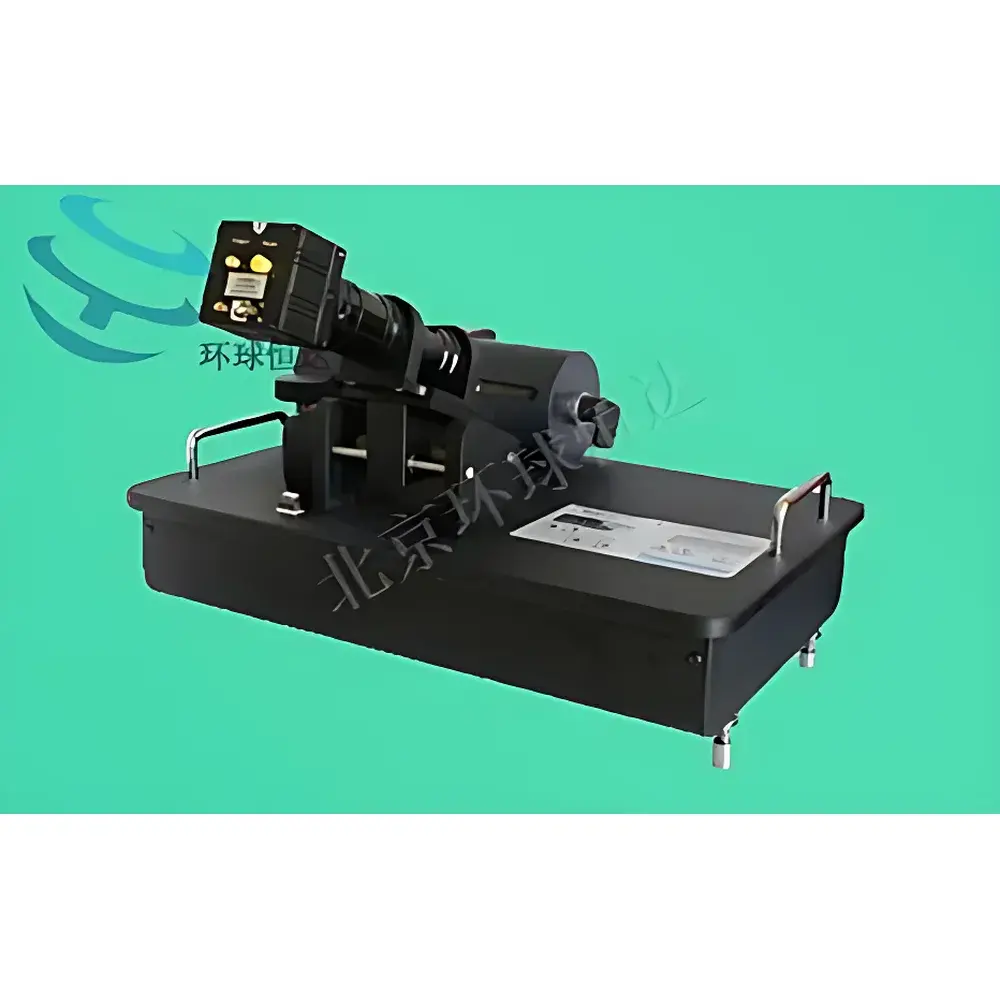
The ZYKX-500C Rotating Drop Interfacial Tensiometer is an advanced optical instrument engineered for high-precision measurement of ultra-low interfacial tension (IFT) between immiscible liquid phases—particularly relevant in enhanced oil recovery (EOR), microemulsion formulation, pharmaceutical emulsion development, and surfactant screening. It operates on the rotating drop principle: a denser droplet of one liquid phase is suspended within a less-dense continuous phase inside a horizontally rotating quartz capillary tube. Under centrifugal force, the droplet elongates; its shape—quantified via axisymmetric drop shape analysis (ADSA)—is directly related to the interfacial tension via the Laplace equation. This method enables reliable IFT determination across an exceptional dynamic range of 1×10⁻⁶ to 100 mN/m—spanning eight orders of magnitude—without requiring calibration standards for each measurement point. The system integrates a thermally stabilized stainless-steel rotor assembly, precision-engineered quartz sample tubes (2 mm, 4 mm, and 6 mm ID), and a servo-controlled high-speed motor (Pittman, USA) capable of stable operation up to 10,000 rpm with ±5 rpm speed accuracy.
Key Features
- Modular quartz capillary design with spring-loaded stainless-steel retention mechanism—enables rapid, non-destructive insertion and ejection of sample tubes while maintaining coaxial alignment and mechanical stability.
- Dual thermal control architecture: integrated PID-regulated resistive heating (RT+5°C to 90°C, ±0.1°C stability) with corrosion-resistant stainless-steel heater housing; optionally compatible with external recirculating baths for extended temperature protocols.
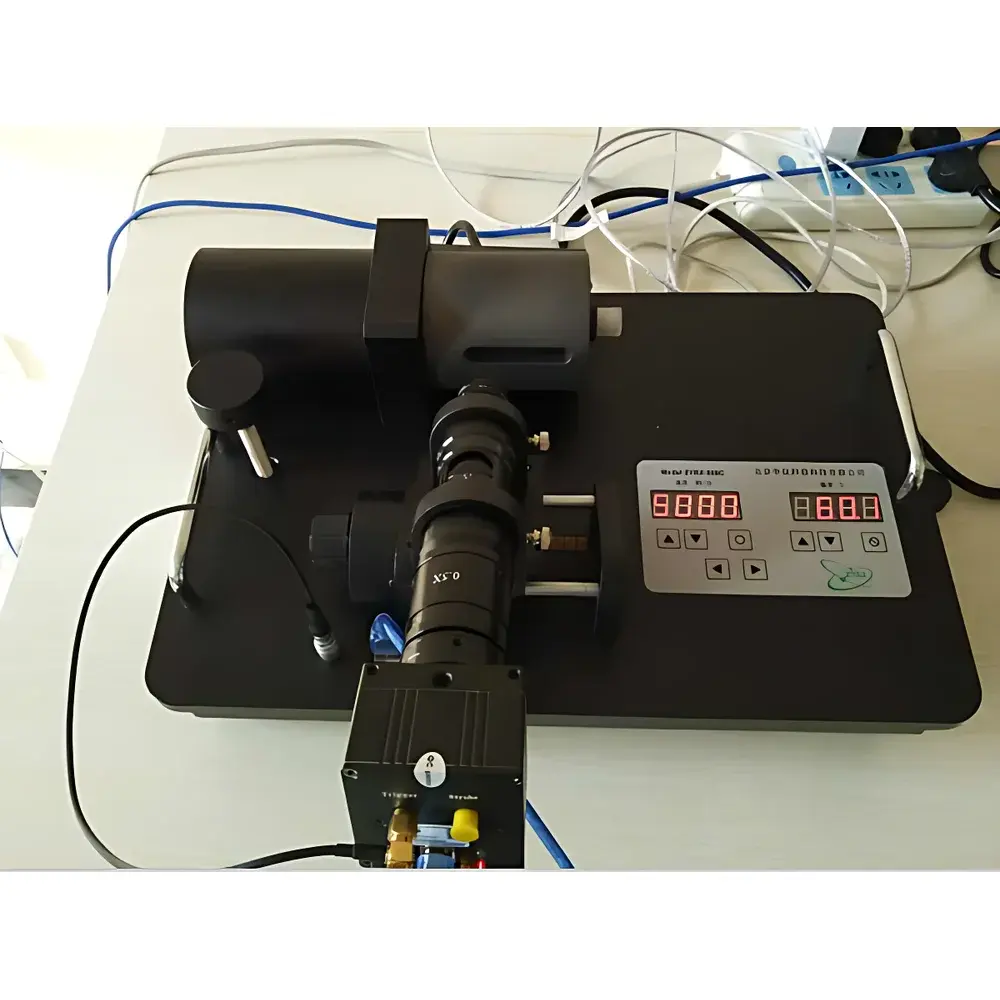
- High-fidelity imaging subsystem featuring a 10× optical zoom lens, 2× digital zoom, and USB 3.0-triggered CCD camera (768×576 resolution, 60 fps capture rate, 300 MB/s transfer bandwidth) optimized for low-light, high-contrast edge detection—even in turbid or scattering systems.
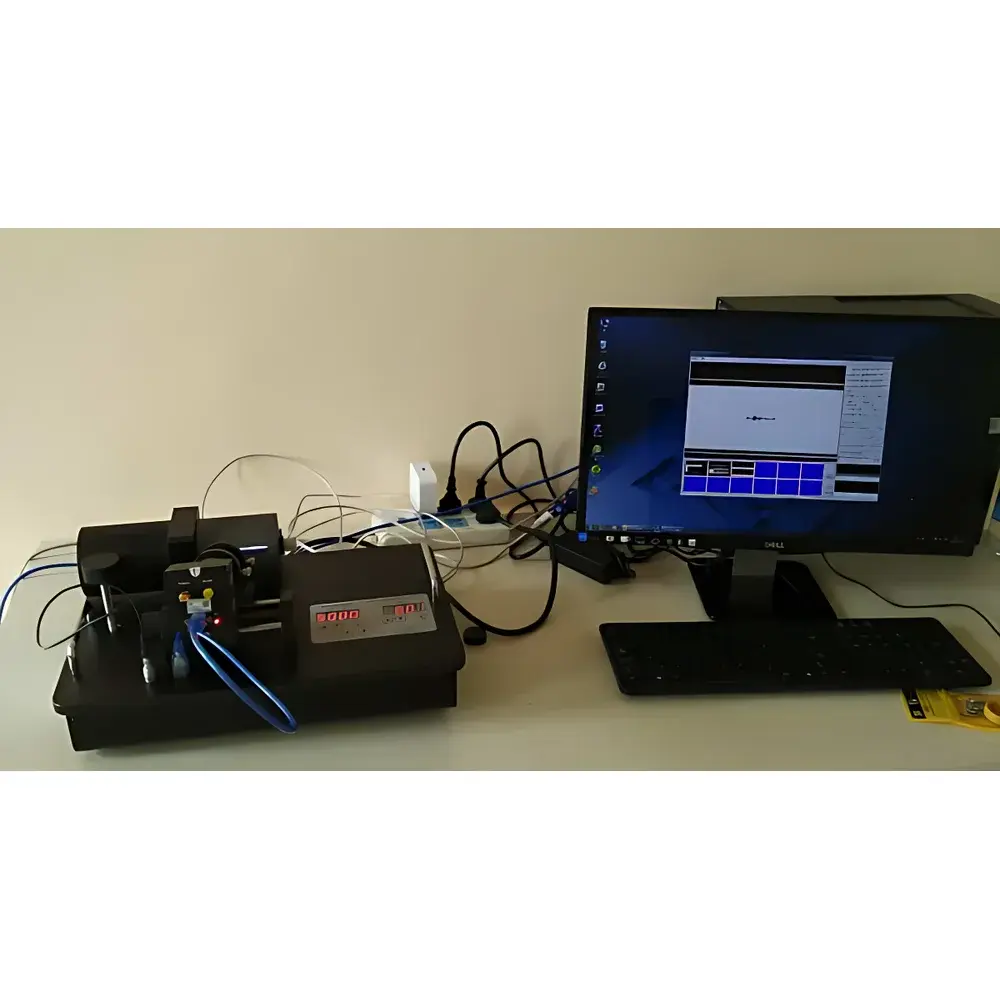
- Automated image acquisition and IFT computation: software triggers frame capture at user-defined rotation speeds, applies real-time ADSA algorithms, and outputs validated IFT values without manual intervention—eliminating operator-induced variability.
- Multi-parameter synchronous logging: records IFT vs. time, rotational speed, and temperature simultaneously; stores all raw images, metadata, and computed results in timestamped folders with direct export to Excel (.xlsx) and curve visualization.
- Scalable control architecture: single software instance supports concurrent operation of multiple ZYKX-500C units via RS-232 or USB—ideal for QC laboratories performing parallel surfactant screening or formulation optimization.
Sample Compatibility & Compliance
The ZYKX-500C accommodates diverse fluid systems including hydrocarbon–aqueous, polymer–solvent, and bio-based emulsions. Its quartz capillaries (high-purity fused silica, end-sealed or open-end variants) ensure chemical inertness toward aggressive solvents, acids, and bases. Sample volume requirements are minimal (typically < 5 µL per test), reducing reagent consumption and waste. The instrument complies with fundamental metrological practices outlined in ISO 1409:2016 (plastics—determination of interfacial tension) and ASTM D971 (standard test method for interfacial tension of oil against water by the ring method—adapted for rotating drop validation). While not certified for GMP environments out-of-the-box, its audit-ready data management—full traceability of image files, timestamps, instrument parameters, and operator IDs—supports alignment with FDA 21 CFR Part 11 when deployed with validated electronic signatures and secure database permissions.
Software & Data Management
The Windows-based control software features a fully localized GUI with intuitive workflow navigation. All captured images are saved in uncompressed BMP format for archival integrity and third-party analysis. A relational SQLite database logs every test session—including ambient conditions, calibration history, and version-stamped software builds. Real-time plotting displays IFT evolution during dynamic experiments (e.g., aging, temperature ramps, or stepwise surfactant titration). Export functions generate ANSI-compliant CSV/Excel reports with embedded metadata headers suitable for regulatory submission. Optional database encryption and role-based access control modules are available for GLP/GMP-constrained workflows. Software updates are delivered via authenticated HTTPS channels with SHA-256 signature verification.
Applications
- Ultra-low IFT quantification in EOR surfactant flooding studies (targeting < 10⁻³ mN/m for near-miscible displacement)
- Microemulsion phase behavior mapping across temperature–composition–salinity (T–C–S) grids
- Surfactant critical micelle concentration (CMC) and packing parameter estimation
- Stability assessment of nanoemulsions and Pickering emulsions under shear and thermal stress
- Quality control of industrial demulsifiers, wetting agents, and dispersants
- Academic research in colloid and interface science, soft matter physics, and interfacial rheology
FAQ
What sample volume is required for a single measurement?
Typically 2–5 µL, depending on capillary inner diameter (2 mm, 4 mm, or 6 mm options provided).
Can the instrument measure interfacial tension at elevated pressures?
No—the ZYKX-500C is designed for ambient-pressure operation only. High-pressure adaptations require custom pressure-rated capillaries and sealing solutions (not included).
Is the software compatible with Windows 11 and 64-bit architectures?
Yes—fully supported on Windows 10 and 11 (64-bit), with .NET Framework 4.8 and VC++ redistributables bundled in the installer.
How is system calibration verified?
Two certified reference capillaries (supplied) contain pre-characterized silicone oil–air interfaces at defined temperatures; users perform routine shape-based validation prior to critical measurements.
Does the system support automated temperature ramping during IFT measurement?
Yes—programmable temperature profiles (linear or stepwise) can be synchronized with rotational speed changes and image capture intervals.



