
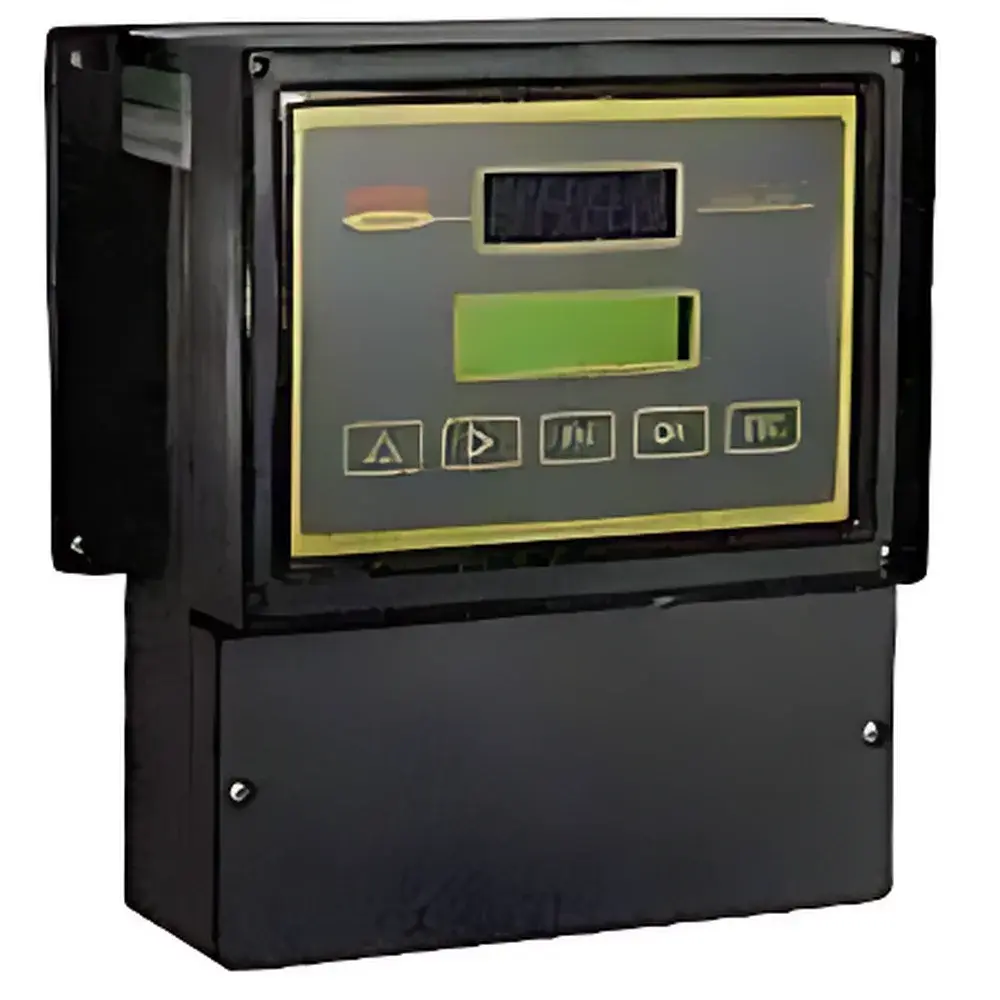
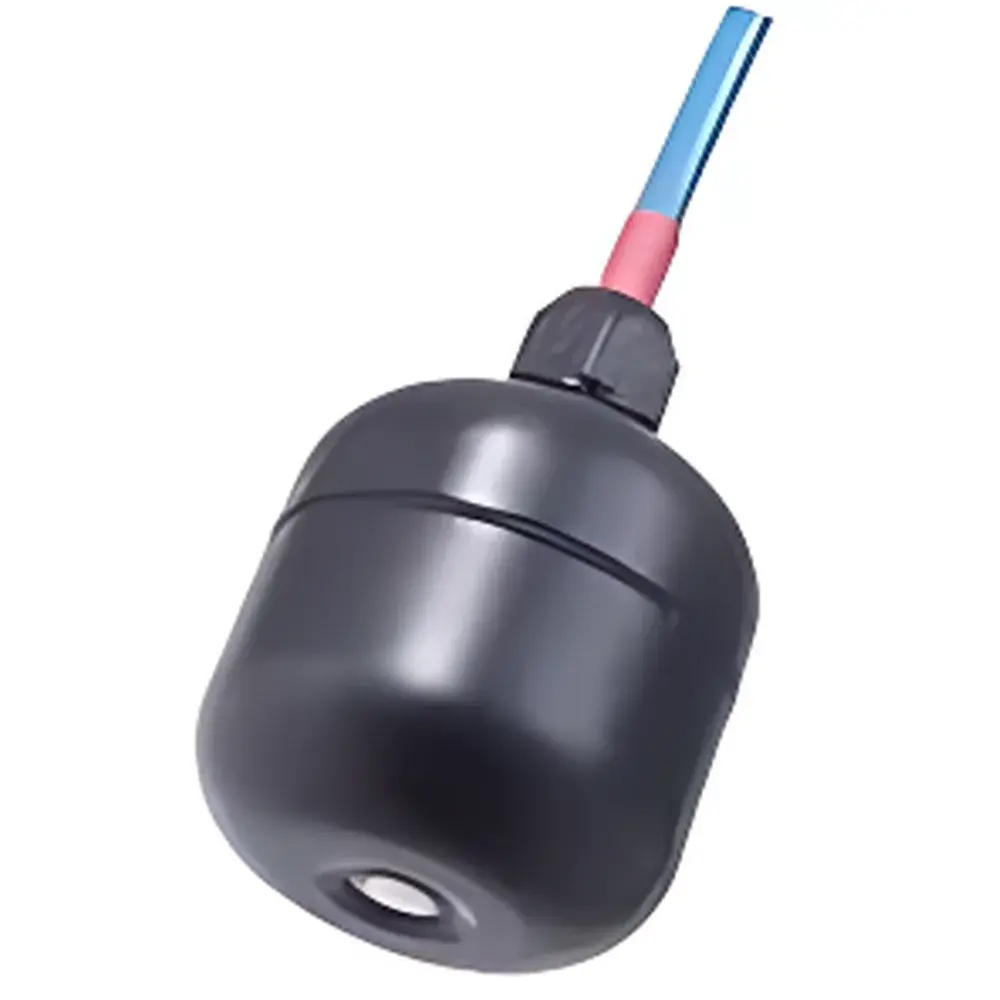
Waterwatch2420 Online Dissolved Oxygen Monitor
| Origin | UK |
|---|---|
| Manufacturer Type | Authorized Distributor |
| Origin Category | Imported |
| Model | Waterwatch2420 |
| Pricing | Available Upon Request |
Overview
The Waterwatch2420 Online Dissolved Oxygen Monitor is an industrial-grade, galvanic cell-based DO measurement system engineered for continuous, long-term deployment in demanding wastewater treatment and surface water monitoring applications. Unlike polarographic or optical sensors requiring frequent membrane replacement or zero-point recalibration, the Waterwatch2420 employs a proprietary galvanic cell design with a robust 100 µm hydrophobic membrane and stabilized electrolyte formulation. This architecture eliminates the need for routine zero calibration while delivering exceptional baseline stability—verified over multi-year field deployments under variable temperature (0–50 °C) and flow conditions (>10 m/s). The system operates on the principle of spontaneous electrochemical reduction of dissolved oxygen at the cathode, generating a current proportional to DO concentration—fully compliant with ISO 5814:2012 (Electrochemical determination of dissolved oxygen) and aligned with ASTM D888-22 requirements for wastewater effluent monitoring.
Key Features
- Galvanic cell sensor with integrated 100 µm PTFE membrane and non-depleting electrolyte—no zero calibration required throughout operational life
- Proven long-term stability: maintenance intervals extended up to 60 months; routine care limited to periodic membrane wiping and infrequent two-point calibration
- IP68-rated probe (submersible to 3 m depth) and IP67-rated transmitter—suitable for unsheltered outdoor installation
- Optimized probe mounting via optional Pioneer Probe Holder, positioning sensor 300 mm below water surface to avoid rain splash, solar heating, and surface fouling
- Flexible swivel joint on mounting shaft enables passive anti-fouling motion and physical tamper resistance
- 4-digit LCD interface with dual-line display: real-time measurement + configuration menu; intuitive 5-button navigation
- Dual analog output (4–20 mA, max 750 Ω load) and two SPDT relay outputs (5 A @ 230 VAC / 125 VDC) for process control integration
Sample Compatibility & Compliance
The Waterwatch2420 is validated for use in municipal and industrial wastewater streams, activated sludge basins, oxidation ditches, and raw/finished surface water bodies. Its galvanic sensor exhibits minimal sensitivity to hydrogen sulfide, chlorine residuals, and suspended solids—key advantages over Clark-type electrodes in biologically active environments. The system meets EN 61326-1:2013 (EMC for measurement equipment), EN 61000-6-2/6-3 (immunity/emission), and carries CE marking for conformity with EU Machinery and EMC Directives. While not inherently 21 CFR Part 11 compliant, audit-ready data logging (via optional RS485/Modbus RTU interface) supports GLP/GMP-aligned record retention when integrated with validated SCADA or LIMS platforms.
Software & Data Management
The Waterwatch2420 operates as a standalone field instrument with no embedded firmware update capability; however, its 4–20 mA output and Modbus RTU option enable seamless integration into existing PLC, DCS, or cloud-based environmental monitoring systems (e.g., Siemens Desigo, Honeywell Experion, or custom MQTT-enabled dashboards). All calibration events, relay state changes, and alarm triggers are timestamped and logged locally in non-volatile memory. When connected to a central historian, data integrity is preserved via cyclic redundancy check (CRC) frame validation. Configuration parameters—including unit selection (mg/L, ppm, % saturation), relay hysteresis, and output damping—are accessible via front-panel interface only; no remote write-access is supported, ensuring operational security in uncontrolled network environments.
Applications
- Continuous DO monitoring in aerobic digesters and secondary clarifiers for real-time aeration optimization
- Effluent compliance reporting per EPA NPDES permit limits (e.g., minimum 2.0 mg/L DO in discharge streams)
- Process control in membrane bioreactors (MBRs) where stable DO feedback prevents membrane fouling
- Long-term ecological monitoring of rivers, reservoirs, and estuaries under varying seasonal temperature and salinity
- Baseline validation of optical DO sensors during cross-calibration campaigns
FAQ
Does the Waterwatch2420 require zero calibration?
No. Its galvanic cell design maintains inherent zero stability without periodic zero adjustment—eliminating drift-related errors common in polarographic systems.
What is the recommended calibration frequency?
A two-point calibration (zero in sodium sulfite solution and span in air-saturated water) is recommended every 6–12 months depending on application severity; field validation shows 36 months without recalibration.
Can the probe be installed in high-flow channels?
Yes. The probe is rated for continuous operation at flow velocities exceeding 10 m/s and features a streamlined housing to minimize vibration-induced signal noise.
Is the 10-meter cable standard length extendable?
The standard 10 m polyurethane-jacketed tri-core cable may be extended up to 100 m using shielded, twisted-pair cabling meeting IEC 60227 standards—provided voltage drop across the 24 VDC supply remains within ±10%.
How is sensor fouling mitigated in algae-rich waters?
The Pioneer Probe Holder’s articulating joint induces low-amplitude oscillation, disrupting biofilm adhesion; combined with periodic manual membrane cleaning using isopropyl alcohol, fouling resistance exceeds 12 months in eutrophic environments.







