
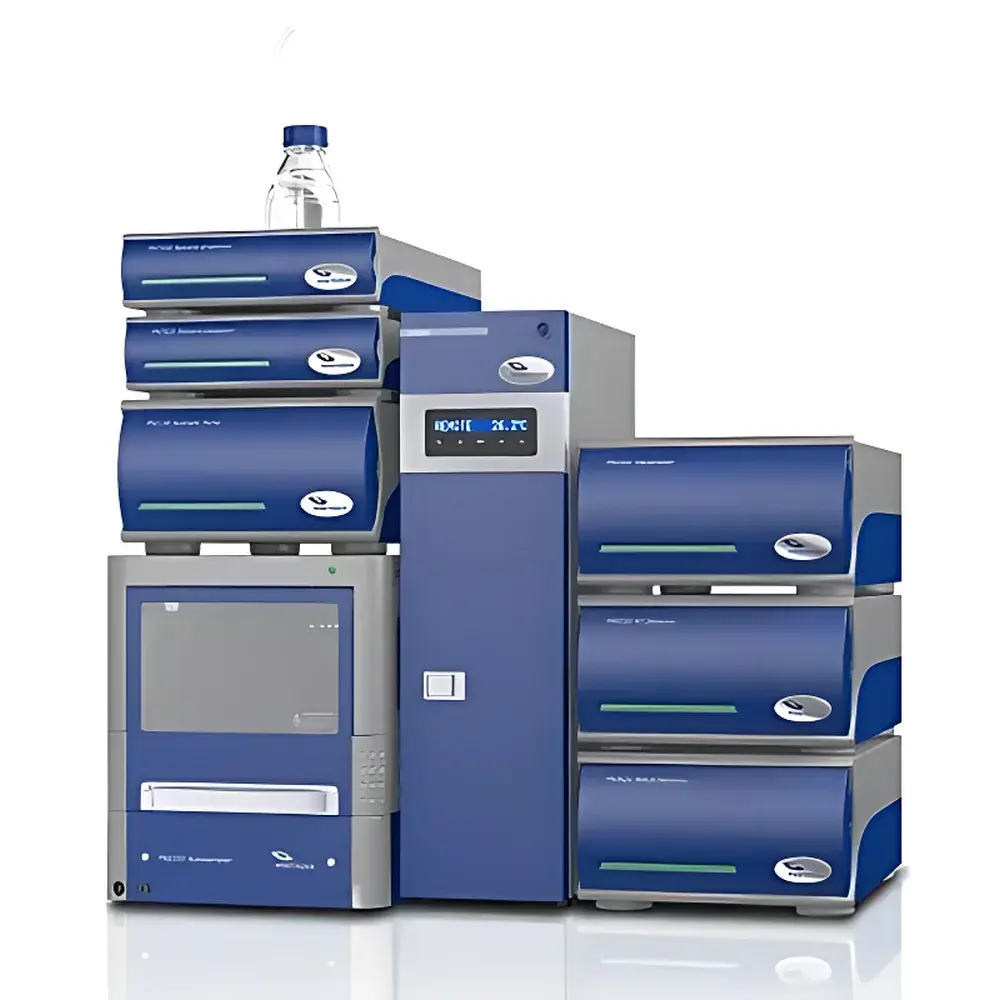
POSTNOVA SC2000 Multi-Detector Gel Permeation Chromatograph with 21-Angle Static Light Scattering Detector
| Brand | POSTNOVA |
|---|---|
| Origin | Germany |
| Model | SC2000 |
| Instrument Type | Ambient-Temperature GPC System |
| Pump Flow Range | 0.001–9.995 mL/min |
| Pump Pressure Limit | 40 MPa |
| RI Detector Drift | 1 × 10⁻⁷ RIU/h |
| RI Detector Cell Volume | 8 µL |
| UV Detector Wavelength Range | 190–800 nm |
| UV Detector Noise | ±0.3 × 10⁻⁵ AU |
| Column Oven Temperature Range | +5 °C to +90 °C |
Overview
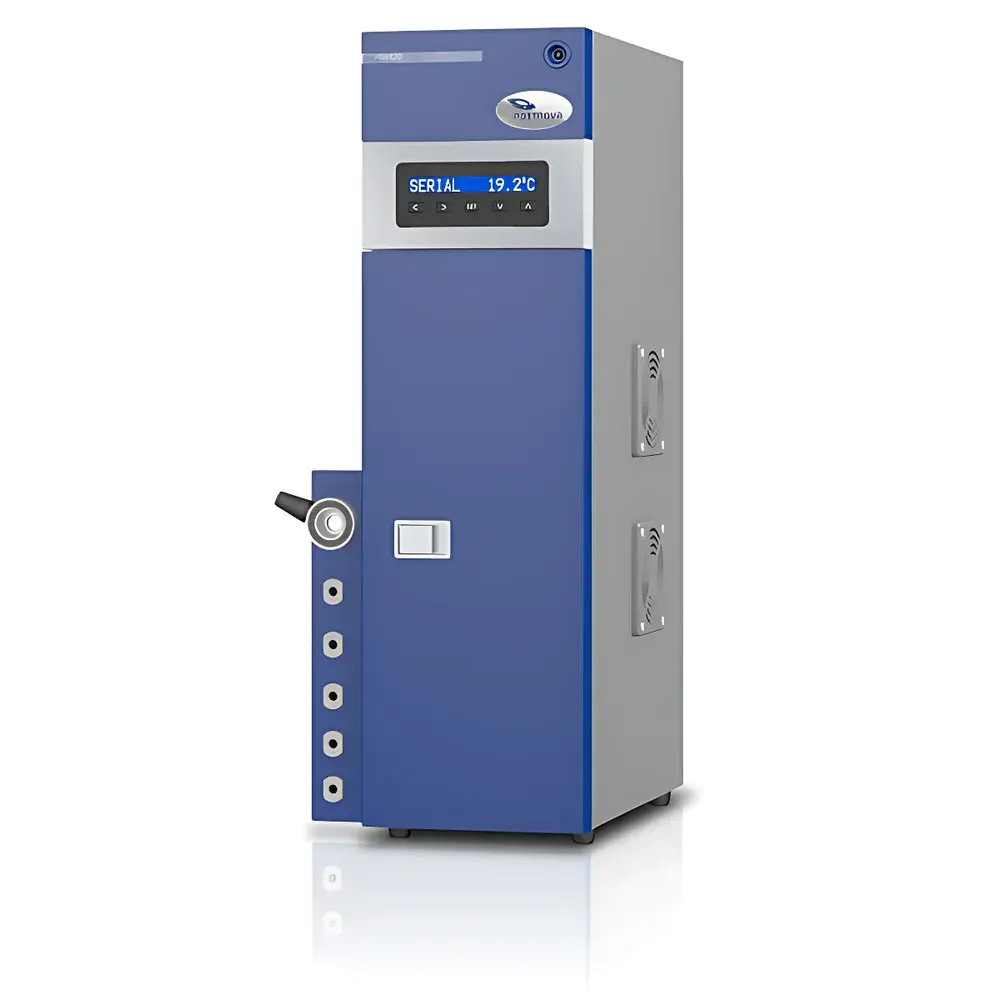
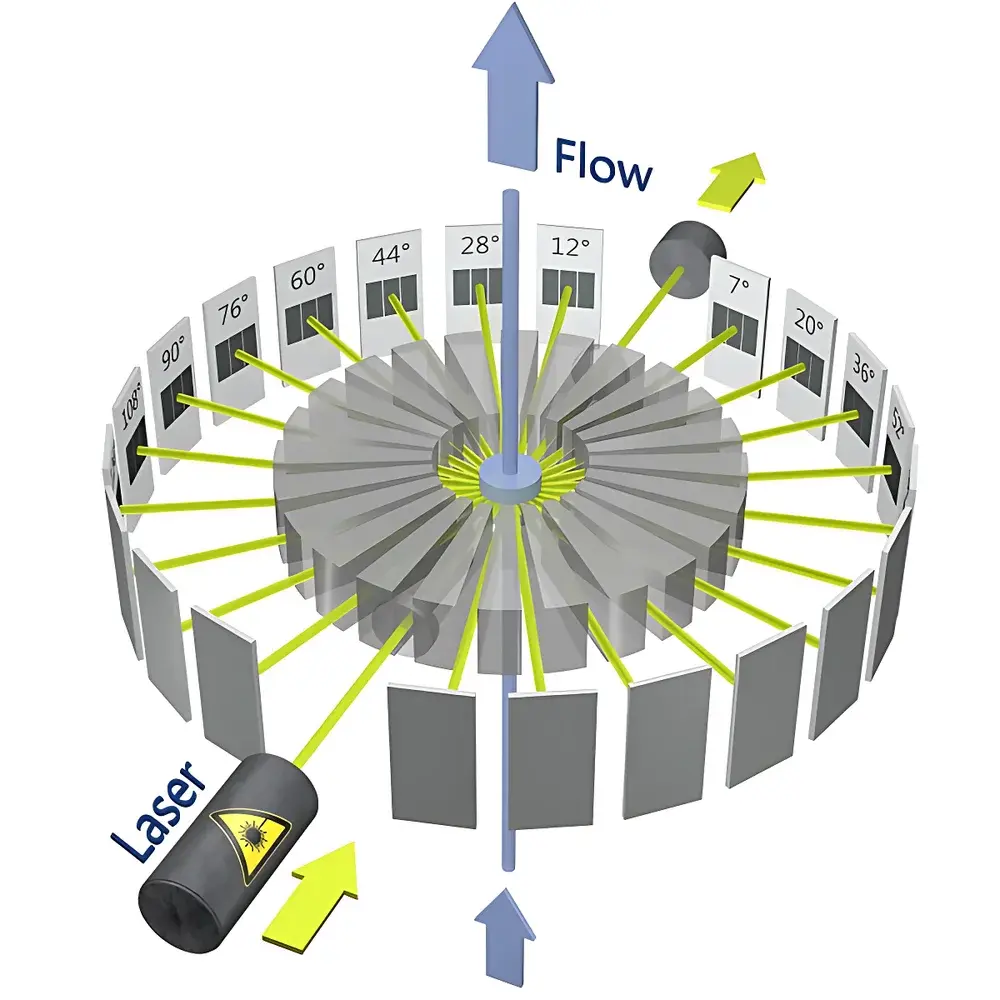
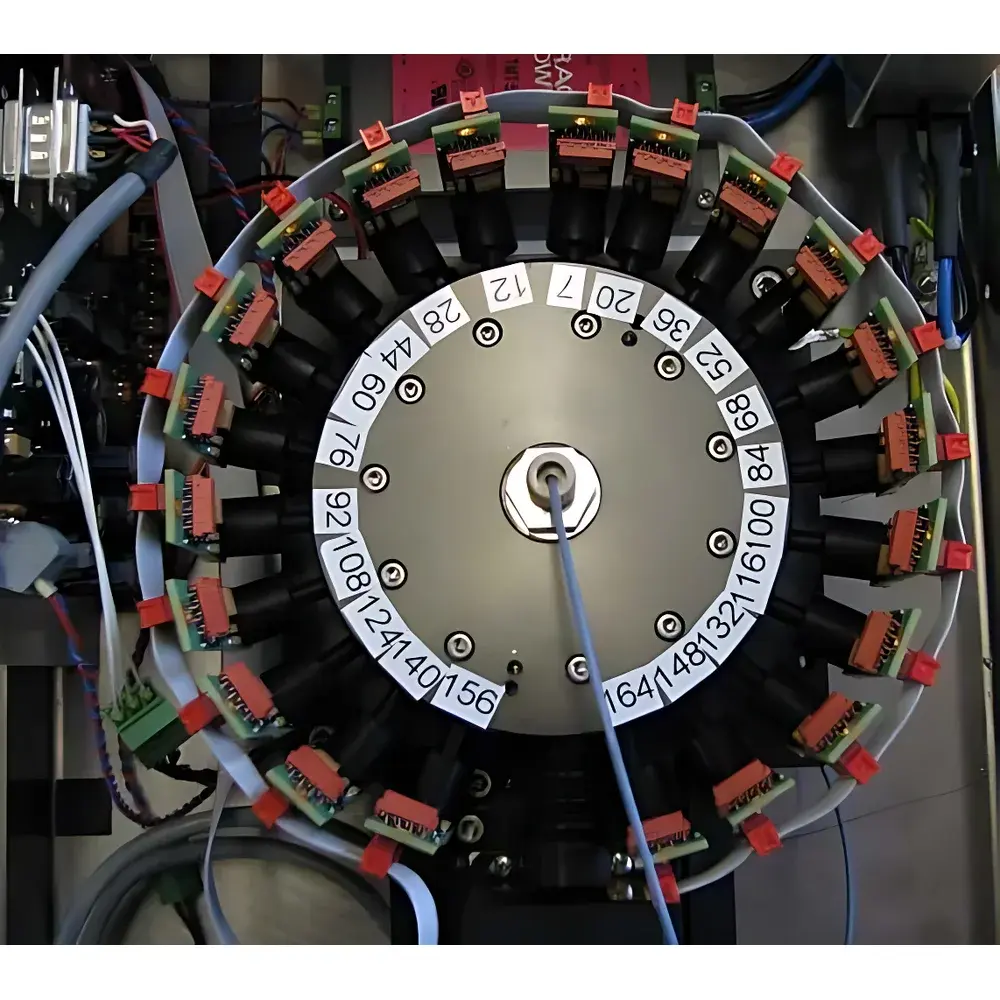
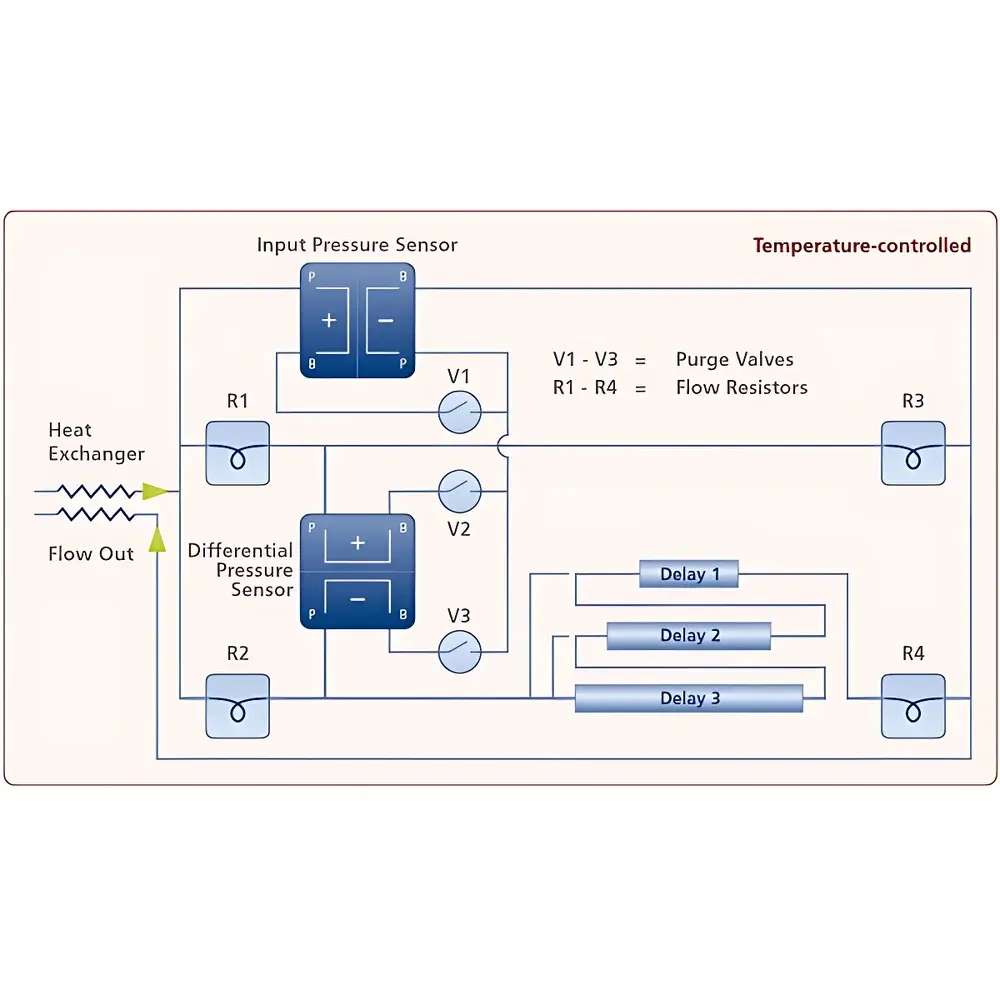
The POSTNOVA SC2000 is a fully integrated, multi-detection gel permeation chromatography (GPC) system engineered for absolute molecular weight characterization of synthetic polymers, natural biopolymers, and protein-based macromolecules. At its core lies the PN3621 — a proprietary 21-angle static light scattering (SLS) detector operating on Rayleigh scattering principles. Unlike conventional single- or dual-angle detectors, the PN3621 captures scattered intensity at precisely calibrated angles from 7° to 160°, including critical low-angle positions (7° and 12°) essential for accurate extrapolation of the zero-angle scattering intensity (Rθ → R0). This enables rigorous determination of absolute molar mass (Mw, Mn, Mz) and radius of gyration (Rg) without calibration standards. The system employs a modular, parallel detection architecture: the multi-angle light scattering (MALS) and four-capillary differential viscometer (DV) operate in one flow path, while the refractive index (RI) and UV/Vis detectors operate in a second, pressure-balanced path — eliminating band broadening caused by large dead volumes in series configurations. All modules — including degasser, dual-piston HPLC pump, Peltier-cooled column oven, autosampler with optional refrigeration/heating, fraction collector, and detectors — are manufactured in-house by POSTNOVA and unified under NovaSEC software.
Key Features
- PN3621 21-Angle Static Light Scattering Detector: Unique integration of photodiode arrays with on-chip analog-to-digital conversion, minimizing signal degradation and delivering ultra-stable baselines (<0.001 mV/h drift) and high sensitivity (detection limit <10 ng/mL for polystyrene in THF).
- Parallel Detection Architecture: MALS and DV detectors routed separately from RI/UV to preserve chromatographic resolution; eliminates peak broadening and retention time distortion inherent in serial configurations.
- Peltier-Controlled Column Oven: Precise temperature control from +5 °C to +90 °C with ±0.1 °C stability; enables method optimization for volatile organic solvents (e.g., chloroform, toluene) and thermolabile biomolecules (e.g., proteins, polysaccharides).
- Four-Capillary Differential Viscometer (DV): Temperature-regulated, modular design compatible with both GPC and field-flow fractionation (FFF); supports intrinsic viscosity [η] and conformational analysis (e.g., Mark–Houwink–Sakurada parameters).
- NovaSEC Software Platform: Unified control, real-time data acquisition, and advanced post-run analysis including Debye, Zimm, and Berry plot generation, batch processing, and ASTM D5296/D6477-compliant reporting.
Sample Compatibility & Compliance
The SC2000 accommodates a broad range of sample classes: synthetic polymers (PS, PMMA, PE, PP), natural polymers (cellulose, chitin), proteins (IgG, albumin, enzymes), and nanoparticle dispersions. Its solvent compatibility includes THF, chloroform, DMF, DMSO, aqueous buffers (pH 2–12), and high-boiling solvents up to 120 °C. The system meets key regulatory and quality requirements: data integrity complies with FDA 21 CFR Part 11 (audit trail, electronic signatures, user access controls), and analytical workflows align with ISO 16014-4, ASTM D5296 (GPC of polymers), and USP <212> (light scattering for biologics). All hardware components undergo CE marking per EU Machinery Directive 2006/42/EC and EMC Directive 2014/30/EU.
Software & Data Management
NovaSEC v5.x provides a single interface for instrument control, method development, and advanced data reduction. It supports automated baseline correction, angular extrapolation using constrained non-linear regression, and simultaneous fitting of MALS, DV, and RI signals for absolute molar mass and conformational analysis. Raw data are stored in vendor-neutral HDF5 format with embedded metadata (instrument configuration, temperature logs, flow profiles). Audit trails record all user actions, parameter changes, and report generations. Export options include CSV, PDF, and XML formats compatible with LIMS integration. Optional modules support GLP/GMP validation packages, IQ/OQ documentation templates, and IQNet-certified installation qualification.
Applications
- Determination of absolute molecular weight distributions (MWD) and dispersity (Đ = Mw/Mn) for polymer synthesis QC and R&D.
- Conformational analysis of branched vs. linear architectures via Rg/Mw plots and branching ratios derived from [η]–M relationships.
- Stability assessment of therapeutic proteins under thermal or chemical stress using aggregation profiling and size distribution mapping.
- Characterization of polymeric nanoparticles and micelles in pharmaceutical delivery systems, including hydrodynamic radius and core-shell structure modeling.
- Method transfer between GPC and asymmetrical flow FFF platforms using identical detector modules and NovaSEC analysis logic.
FAQ
Why does the SC2000 use a parallel detection configuration instead of serial?
Serial placement of MALS and DV before RI introduces significant extra-column volume, causing peak broadening and inaccurate retention time alignment — especially detrimental for narrow peaks and multimodal distributions. Parallel routing preserves chromatographic fidelity.
Can the PN3621 detect ultra-high-molecular-weight polymers (>10⁷ Da)?
Yes — the 7° and 12° low-angle channels provide enhanced sensitivity to large scattering vectors, enabling robust R0 extrapolation even for polyethylene or DNA fragments exceeding 20 MDa.
Is the column oven suitable for chloroform-based separations?
Absolutely — the Peltier cooling capability down to +5 °C suppresses solvent evaporation, maintains consistent eluent concentration, and improves RI detector stability and reproducibility.
Does NovaSEC support automated method validation per ICH Q2(R2)?
Yes — built-in tools for precision (intra-day/inter-day), accuracy (spike recovery), linearity (5–7 point calibration), and robustness (DoE-based parameter variation) are included in the Validation Toolkit add-on.
What service and support infrastructure is available outside Germany?
POSTNOVA’s exclusive distributor in China provides full-service engineering support, including on-site installation, preventive maintenance, application method development, and 24-hour remote diagnostics — backed by direct technical escalation to POSTNOVA’s Braunschweig engineering team.
Related Products






