
- All
- Favorite
- Popular
- Most rated
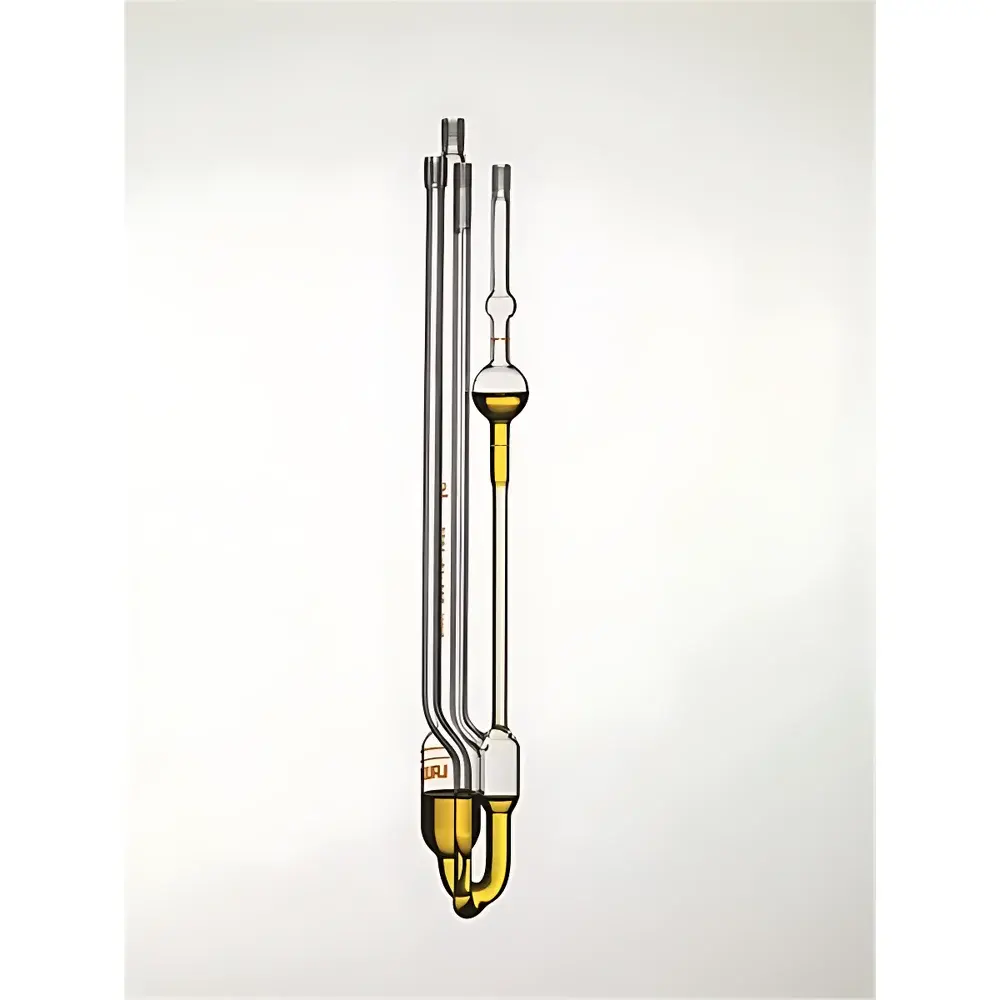
| Brand | LAUDA |
|---|---|
| Origin | Germany |
| Type | Calibrated Capillary Viscometer Set (Ubbelohde Type 1, Dilution Ubbelohde, Micro-Ubbelohde, Cannon-Fenske Routine, Micro-Ostwald) |
| Compliance | ISO 3105, DIN 51562, ASTM D2515, BS 188, NFT 60-100 |
| Capillary Constants | 0.003–30.0 mm²/s per division |
| Viscosity Range | 0.7–7576 mm²/s (cSt) |
| Accuracy | ±0.2% (Ubbelohde & Dilution), ±0.3% (Cannon-Fenske), ±0.5% (Micro variants) |
| Volumes | 2–75 mL |
| Total Lengths | ~245–290 mm |
| Optional Integration | LAUDA VRM Automatic Cleaning Module, LAUDA Transparent Thermostats (e.g., Alpha Series), LAUDA Viscosity Measurement Systems |
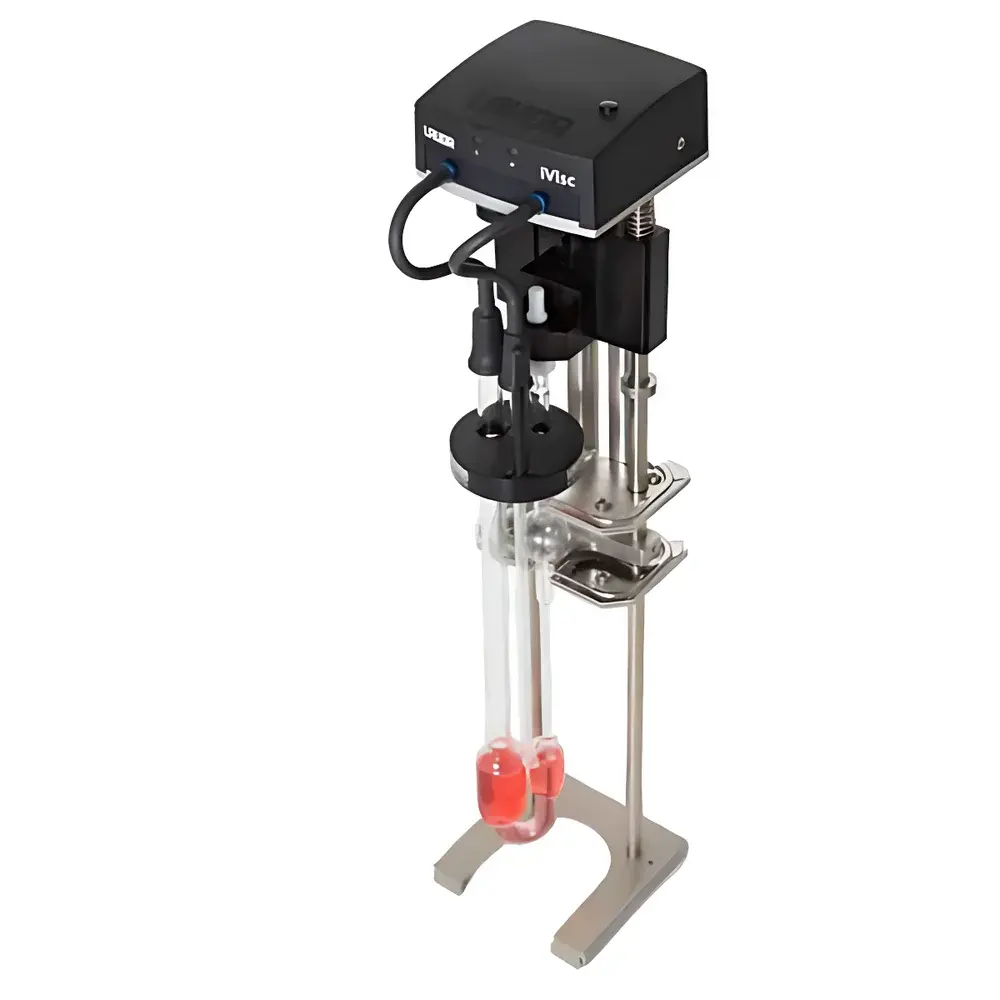
| Brand | LAUDA |
|---|---|
| Origin | Germany |
| Model | iVisc (LMV 830) |
| Temperature Range | −20 to 150 °C |
| Viscosity Range | 0.3 to 30,000 mm²/s |
| Timing Resolution | 10 ms |
| Detection Method | Optical (Near-Infrared) |
| Power Consumption | 1 W (USB-powered) |
| Dimensions (W × D × H) | 95 × 96 × 425 mm |
| Net Weight | 1.4 kg |
| Operating System Compatibility | Windows 7–11 |
| Max. Simultaneous Units per PC | 2 |
| Recommended Flow Time | 30–1000 s |
| Sample Temperature Accuracy | ±0.01 °C (when used with LAUDA thermostats) |
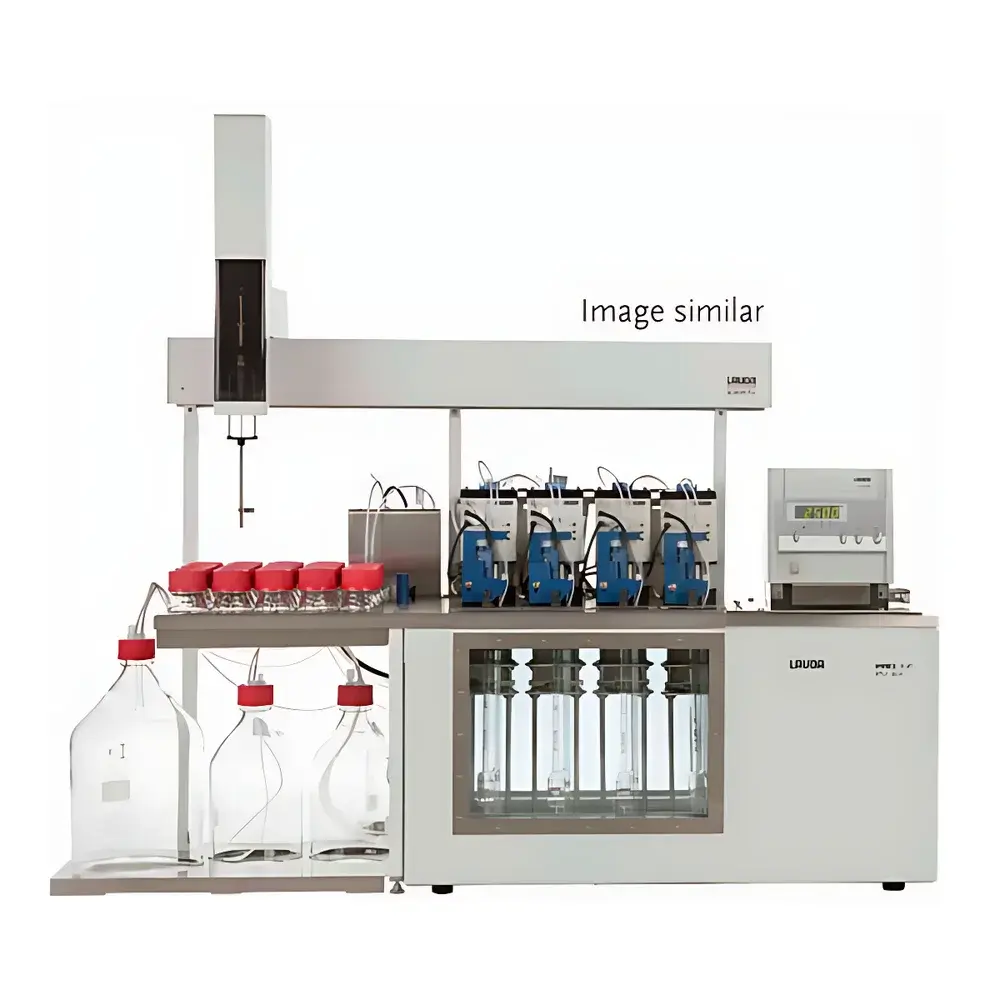
| Brand | LAUDA |
|---|---|
| Origin | Germany |
| Instrument Type | Fixed-Position Capillary Viscometer |
| Measurement Principle | Kinematic Viscosity via Capillary Flow Time (ASTM D445, ISO 3104, DIN 51562) |
| Temperature Range (Measurement) | –65 °C to +180 °C |
| Time Resolution | 0.01 s |
| Time Range | 0–9999.99 s |
| Kinematic Viscosity Range | 0.3–50,000 mm²/s |
| Sample Capacity | Up to 160 samples/10 h |
| Compliance | ASTM D445/D446/D2270, ISO 3104/3105/2909, IP 71, DIN 51562-1–3 |
| Automation Modules | VAS Auto-Sampler (2-/4-position), VRM Auto-Clean & Dry (1-/2-channel, HT option up to 180 °C), BE Titration Module (665-type burette), S5 Infrared Timing Measurement Station |
| Software | Windows-based PVS Control Suite with GLP-compliant audit trail, user management, and report generation per 21 CFR Part 11 requirements |
Show next