Aesthesio Von Frey Filament Set for Rodent Nociception Assessment
| Origin | USA |
|---|---|
| Manufacturer Type | Authorized Distributor |
| Origin Category | Imported |
| Model | Aesthesio (Animal Activity Cage Sold Separately) |
| Pricing | Available Upon Request |
Overview
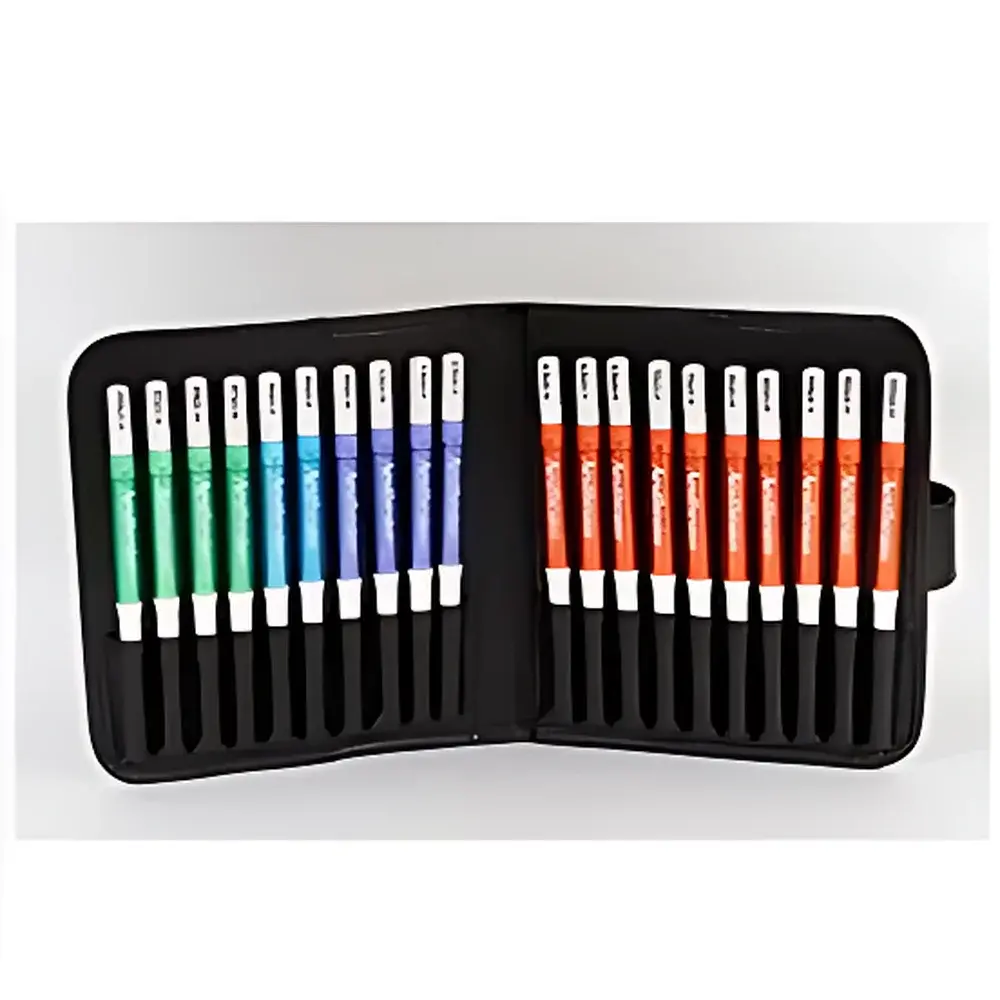
The Aesthesio Von Frey Filament Set is a precision-engineered, standardized tactile sensory assessment tool designed for quantitative mechanical allodynia and hyperalgesia evaluation in rodent models. Based on the Semmes-Weinstein monofilament principle, each nylon filament exerts a reproducible, calibrated bending force when applied perpendicularly to the plantar surface of the hind paw until visible buckling occurs—triggering a withdrawal reflex indicative of mechanosensory threshold. This method adheres to widely accepted behavioral neuroscience protocols for preclinical pain research, including those referenced in IASP guidelines and validated in peer-reviewed studies using C57BL/6 and Sprague-Dawley strains. The set comprises 20 filaments spanning a logarithmic force range from 0.008 g to 300 g (0.08 mN to 2.94 N), enabling high-resolution threshold mapping across physiological and pathological nociceptive states.
Key Features
- Calibrated nylon monofilaments traceable to NIST-standardized force calibration procedures, ensuring inter-laboratory reproducibility.
- Color-coded filament identification system (green, blue, purple, red, orange) aligned with published von Frey force tables for rapid selection and protocol consistency.
- Non-invasive, stimulus-controlled design eliminates tissue damage or inflammatory confounders associated with thermal or chemical assays.
- Compatible with standard rodent handling workflows; requires no anesthesia or restraint beyond brief manual positioning during testing.
- Filament tip geometry conforms to ISO 13485–compliant manufacturing specifications for uniform cross-sectional integrity and elastic recovery.
- Each filament undergoes individual force validation at 10 mm deflection distance under controlled temperature (22 ± 2°C) and humidity (45–55% RH) conditions.
Sample Compatibility & Compliance
The Aesthesio set is optimized for use in adult mice (C57BL/6, BALB/c, CD-1) and rats (Sprague-Dawley, Wistar), with validated application on glabrous plantar skin. Testing must be conducted in a quiet, low-stimulus environment following acclimatization (≥30 min in elevated mesh-floored cages). Data collection complies with NIH Office of Laboratory Animal Welfare (OLAW) standards and supports GLP-aligned study documentation. While not a medical device, the methodology aligns with FDA Guidance for Industry on Preclinical Assessment of Analgesic Compounds and is routinely cited in IND-enabling toxicology and efficacy studies.
Software & Data Management
The Aesthesio set operates independently of proprietary software but integrates seamlessly with third-party behavioral tracking platforms (e.g., EthoVision XT, ANY-maze) via timestamped event logging. Users may apply the “up-down” method (Dixon, 1980) or “fixed-threshold” protocols; raw filament sequence data supports automated calculation of 50% paw withdrawal threshold (PWT) using probit analysis or logistic regression. Audit trails, operator ID tagging, and session metadata export (CSV/Excel) are supported when paired with compliant LIMS or ELN systems meeting 21 CFR Part 11 requirements for electronic records.
Applications
- Neuropathic pain modeling (e.g., SNI, CCI, STZ-induced diabetic neuropathy)
- Pharmacodynamic profiling of novel analgesics, TRP channel modulators, and sodium channel blockers
- Genetic screening of nociceptor function in transgenic and knockout mouse lines
- Longitudinal monitoring of mechanical sensitivity during disease progression or therapeutic intervention
- Validation of dorsal root ganglion (DRG) neuron excitability changes correlated with in vivo thresholds
FAQ
Is the Aesthesio set supplied with an animal activity cage?
No—the Aesthesio filament set does not include an activity cage; compatible elevated mesh-floored cages must be purchased separately to ensure unobstructed access to the plantar surface.
How often should filaments be replaced?
Filaments should be replaced after 100–200 applications per filament or upon visible deformation, discoloration, or inconsistent buckling behavior—especially critical for sub-0.1 g filaments where surface wear affects force accuracy.
Can these filaments be sterilized?
Ethanol wipe disinfection (70%) is permissible; autoclaving, UV exposure, or chemical immersion is not recommended as it compromises nylon elasticity and force calibration.
Does this kit meet ASTM F2657-20 standards for tactile sensory testing?
While ASTM F2657-20 addresses human sensory testing devices, the Aesthesio set follows analogous calibration principles and is validated against rodent-specific reference methods described in Pain journal consensus statements (2019).
Are force values traceable to international metrology standards?
Yes—each production lot undergoes third-party verification against NIST-traceable force sensors, with certificate of conformance available upon request.