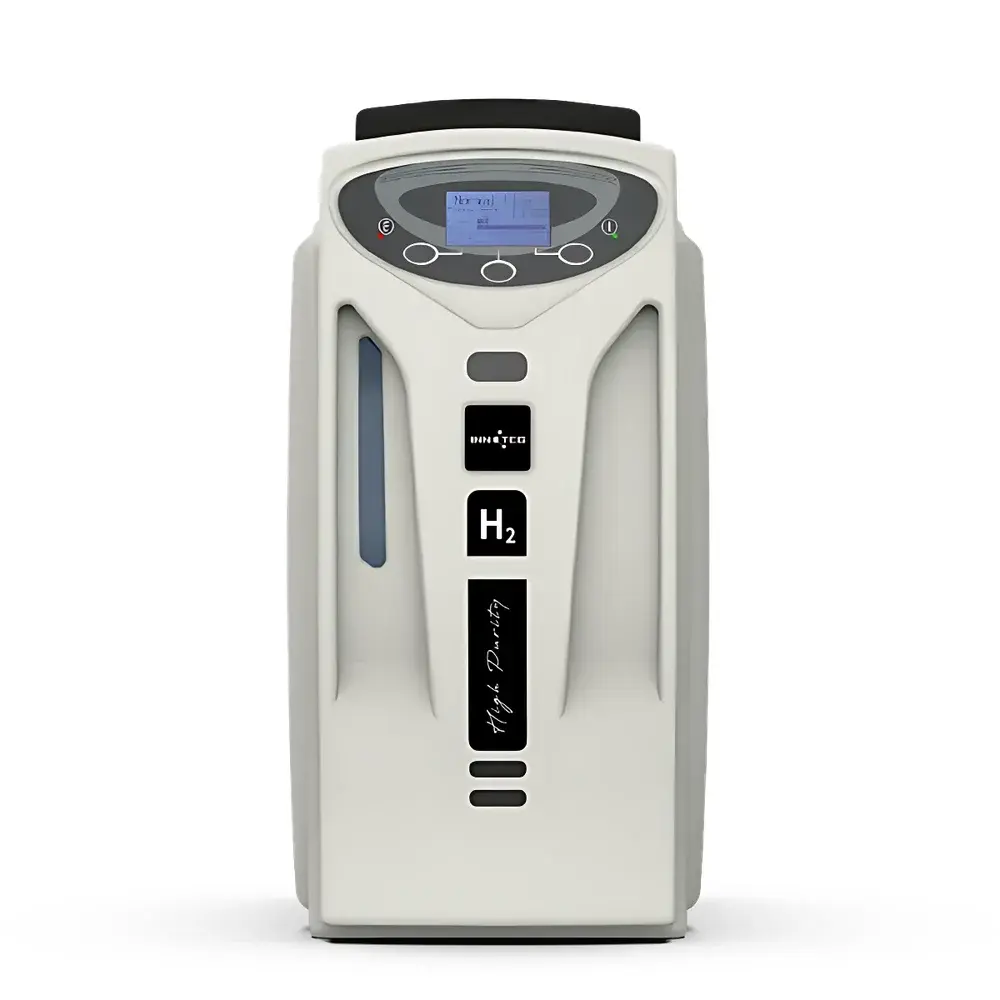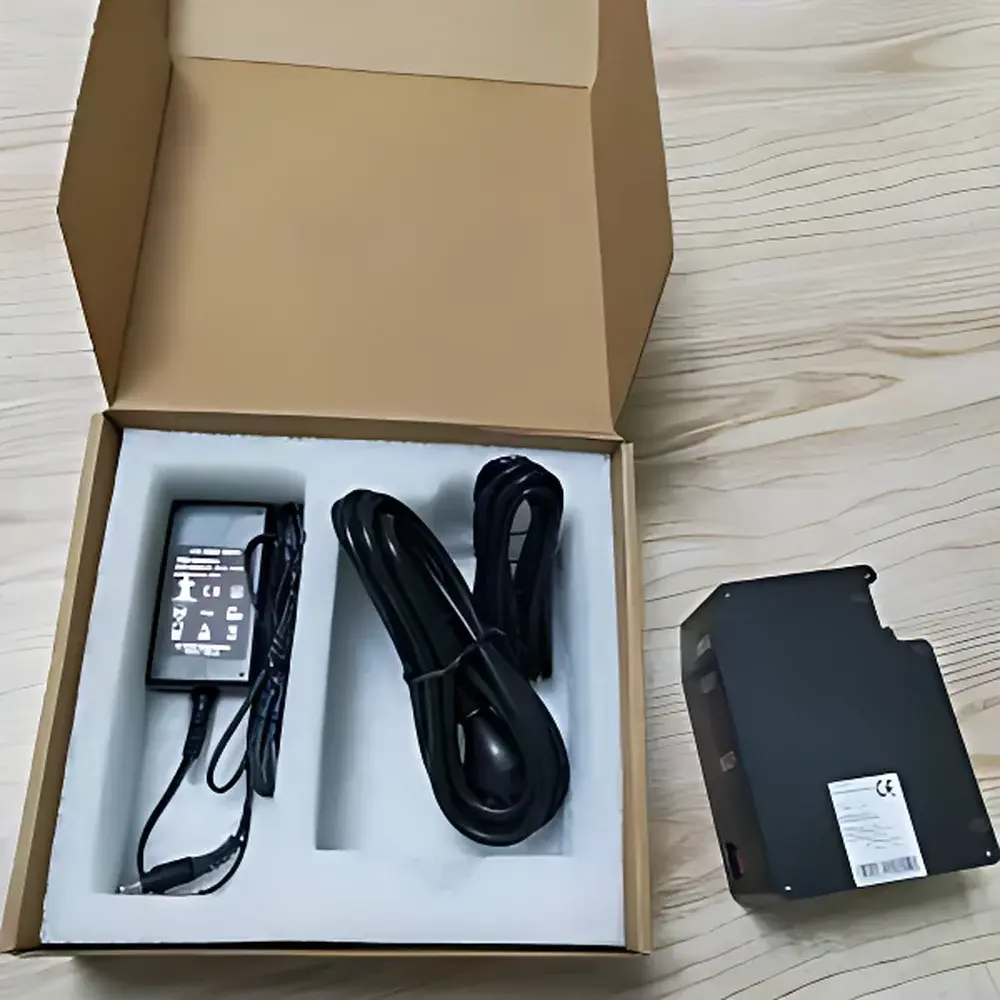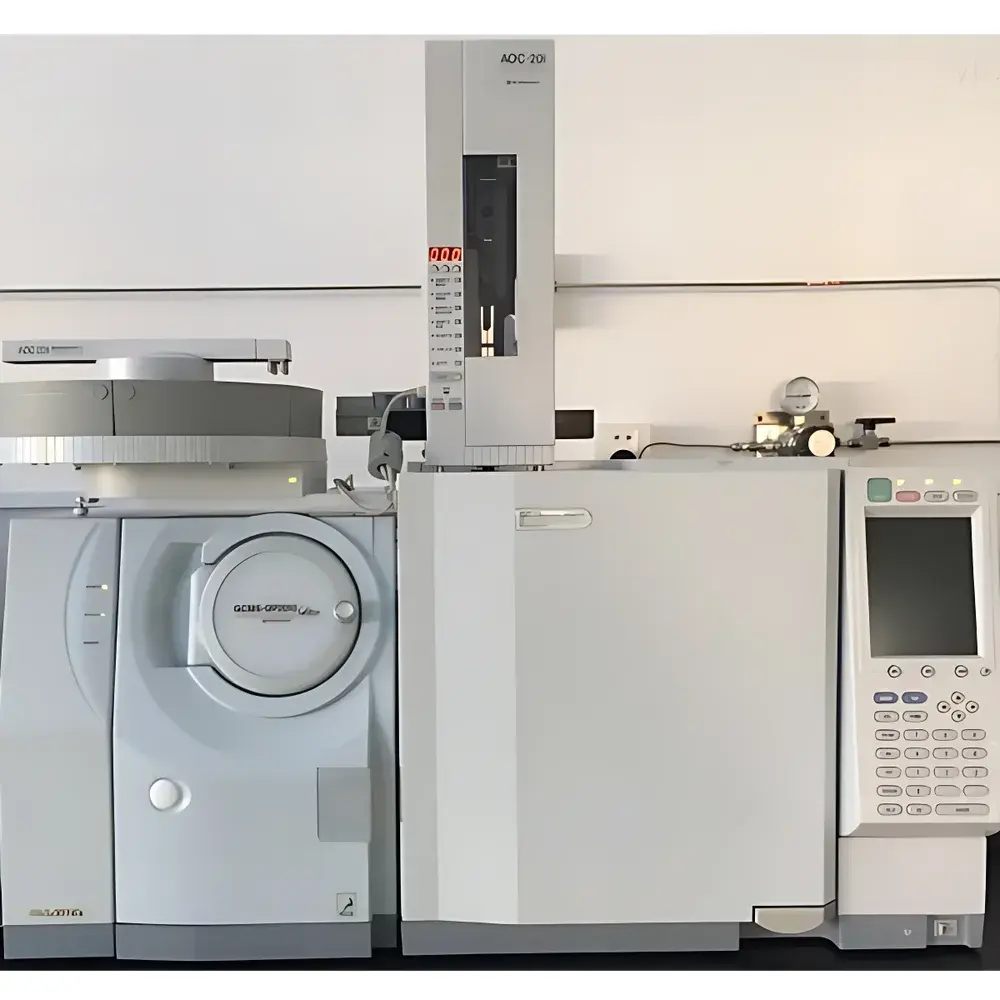
Agilent 1100/1200 Series Fluorescence Detector and 1200 Series Refractive Index Detector (Refurbished)
| Brand | Agilent Technologies |
|---|---|
| Origin | USA |
| Configuration | Standalone Detectors for HPLC Systems |
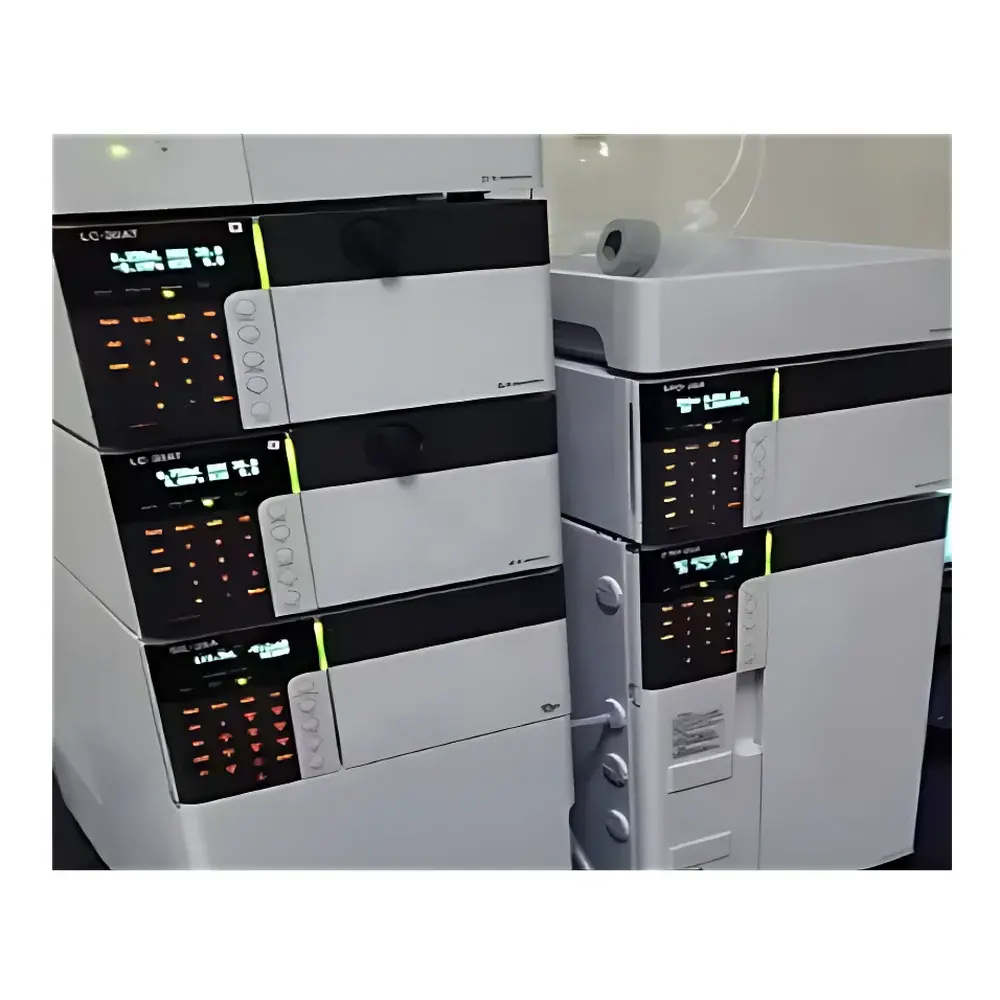
| Model Designation | 1100/1200 FLR Detector (G1321A/G1321B) and 1200 RID (G1362A) |
| Compliance | Fully Tested per Agilent Functional Specifications |
| Condition | Professionally Refurbished, Factory-Calibrated, Ready for GLP-Compliant Operation |
Overview
The Agilent 1100/1200 Series Fluorescence Detector (FLR) and 1200 Series Refractive Index Detector (RID) are precision optical detectors engineered for high-sensitivity, quantitative analysis in reversed-phase, normal-phase, and size-exclusion liquid chromatography systems. The FLR detector operates on the principle of excitation-emission photometry—utilizing tunable xenon lamp sources (200–700 nm excitation; 280–900 nm emission) and dual monochromators to deliver wavelength-selective detection with low background noise and high signal-to-noise ratio. The G1321A/B models support both fixed-wavelength and scanning modes, enabling multi-analyte quantification without column switching. The G1362A RID functions on the principle of differential refractometry, measuring minute changes in refractive index between eluent and analyte-containing mobile phase—making it ideal for non-chromophoric compounds (e.g., carbohydrates, polymers, alcohols) where UV or fluorescence detection is ineffective. Both detectors are designed as modular components compatible with Agilent 1100/1200/1260 HPLC platforms and adhere to mechanical, electrical, and communication interface standards defined in Agilent’s original system architecture.
Key Features
- Fully refurbished units undergo comprehensive functional validation: lamp intensity calibration, optical path alignment verification, baseline stability testing (<0.5 mAU/hr drift), and temperature-controlled cell performance assessment (RID cell maintained at ±0.01 °C)
- FLR detector supports programmable excitation/emission wavelength pairs, time-resolved fluorescence mode (for quenching correction), and analog/digital output synchronization with Agilent ChemStation or OpenLab CDS
- RID detector features a dual-beam optical design with solvent compensation channel, automatic zeroing routine, and flow-cell volume of 8 µL (standard) with optional 2 µL micro-cell for low-flow applications (e.g., UHPLC-compatible configurations)
- All units include factory-reset firmware, verified RS-232 and Agilent LAN (HP-IB optional) communication protocols, and mechanical compatibility with Agilent G1312A/B binary pumps and G1315D DAD modules
- No proprietary consumables required—standard 1/16″ stainless steel tubing, universal detector cell O-rings, and industry-standard lamp replacements (Xe arc lamp P/N 5182-0831 for FLR; tungsten-halogen lamp P/N 5182-0832 for RID)
Sample Compatibility & Compliance
These detectors support aqueous and organic mobile phases across pH 2–12 (FLR) and pH 2–8 (RID), with maximum operating pressure up to 400 bar (FLR) and 200 bar (RID). The FLR is routinely deployed in pharmaceutical impurity profiling (ICH Q2-compliant method validation), environmental PAH analysis (EPA Method 8310), and food safety mycotoxin screening (AOAC 2005.03). The RID meets ASTM D6429-18 requirements for polymer molecular weight distribution analysis and USP guidelines for excipient characterization. All refurbished units are documented with traceable calibration reports aligned to NIST-traceable reference standards and conform to Agilent’s legacy service specifications for detector linearity (R² ≥ 0.999 over 3-decade dynamic range), limit of detection (LOD ≤ 10 pg fluorescein for FLR; LOD ≤ 100 ng glucose for RID), and inter-unit reproducibility (CV < 1.2% for replicate injections).
Software & Data Management
Native integration with Agilent ChemStation Rev. A.10.02 and OpenLab CDS 2.x is fully preserved—including real-time chromatogram display, peak integration using valley-to-valley or tangent skim algorithms, and audit-trail-enabled data archiving compliant with FDA 21 CFR Part 11 requirements when deployed on validated server environments. Detector-specific methods (e.g., FLR excitation ramp sequences, RID solvent compensation profiles) are retained in .MTH files and support version-controlled backup via Agilent’s Method Archiving Utility. Raw data export is supported in ASCII (.CSV), Agilent .D format, and universal .CDF (NetCDF) for third-party processing in MATLAB, Python (using pyOpenLab), or R-based chemometrics pipelines.
Applications
- Pharmaceutical QC/QA: Simultaneous assay of multi-component formulations (e.g., vitamin B complex) using FLR selectivity and RID universality
- Biochemical research: Quantification of glycoproteins and polysaccharides in SEC-HPLC workflows without derivatization
- Environmental monitoring: Detection of polycyclic aromatic hydrocarbons (PAHs) in soil extracts at sub-ppb levels using FLR’s excitation scanning capability
- Food & beverage: Sucrose/fructose/glucose ratio analysis in fruit juices via RID, cross-validated against enzymatic assays
- Academic teaching labs: Modular detector training platform supporting hands-on instruction in detector physics, signal-to-noise optimization, and calibration curve construction
FAQ
Are these detectors compatible with non-Agilent HPLC systems?
Yes—when interfaced via analog voltage output (±1 V full scale) or digital RS-232 commands, they operate with Shimadzu, Waters, and Thermo Fisher systems provided appropriate hardware adapters and timing synchronization are implemented.
What documentation accompanies each unit?
Each detector ships with a Certificate of Refurbishment, functional test report (including lamp hours, baseline noise, and response linearity data), Agilent spare parts list, and firmware revision log.
Is remote diagnostic support available post-purchase?
Yes—our technical team provides complimentary remote assistance for initial setup, communication protocol configuration, and basic troubleshooting using TeamViewer or AnyDesk under a 30-day post-delivery window.
Can the FLR detector be upgraded to support deuterium lamp source?
No—the G1321A/B models exclusively use xenon arc lamps; deuterium lamp integration is not mechanically or optically feasible due to focal length and spectral output constraints.
Do refurbished units qualify for ISO/IEC 17025 accreditation?
Yes—when installed in a laboratory with documented SOPs, preventive maintenance logs, and periodic verification using certified reference materials, these detectors meet ISO/IEC 17025:2017 clause 6.4.6 (equipment verification) requirements.