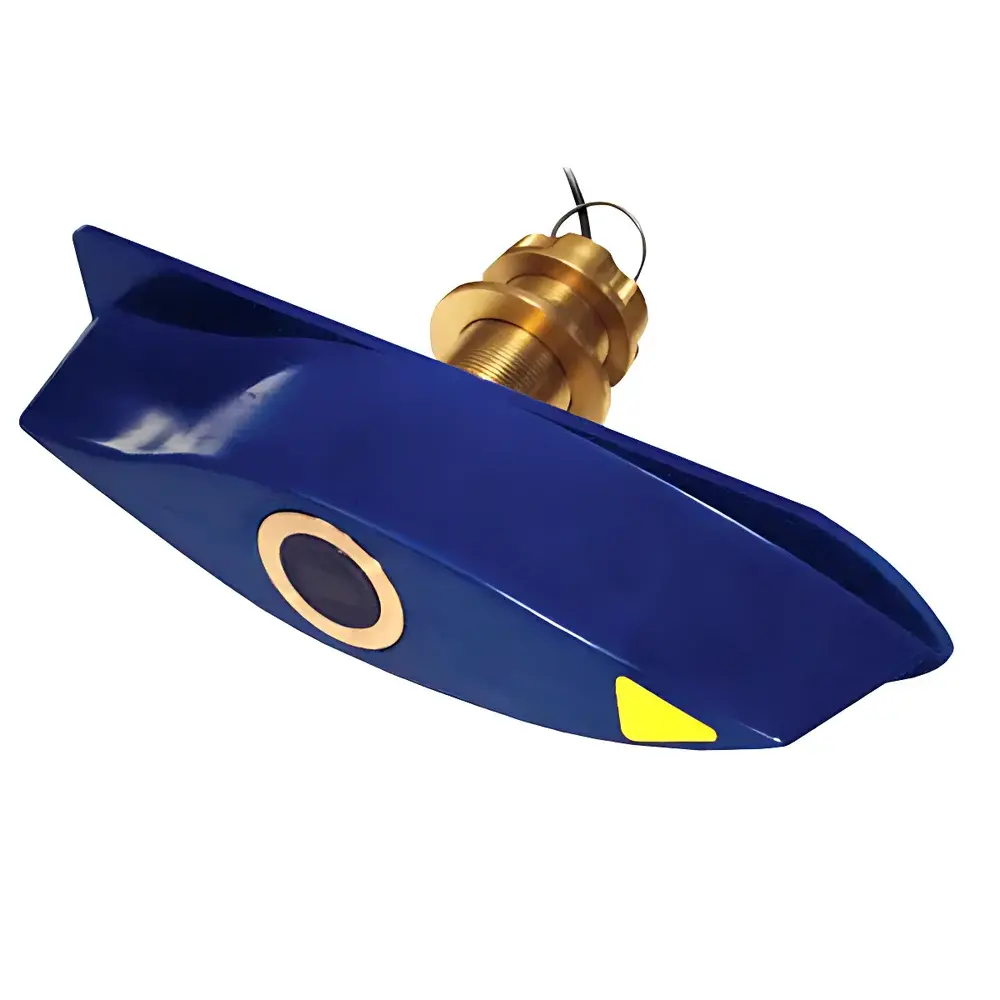
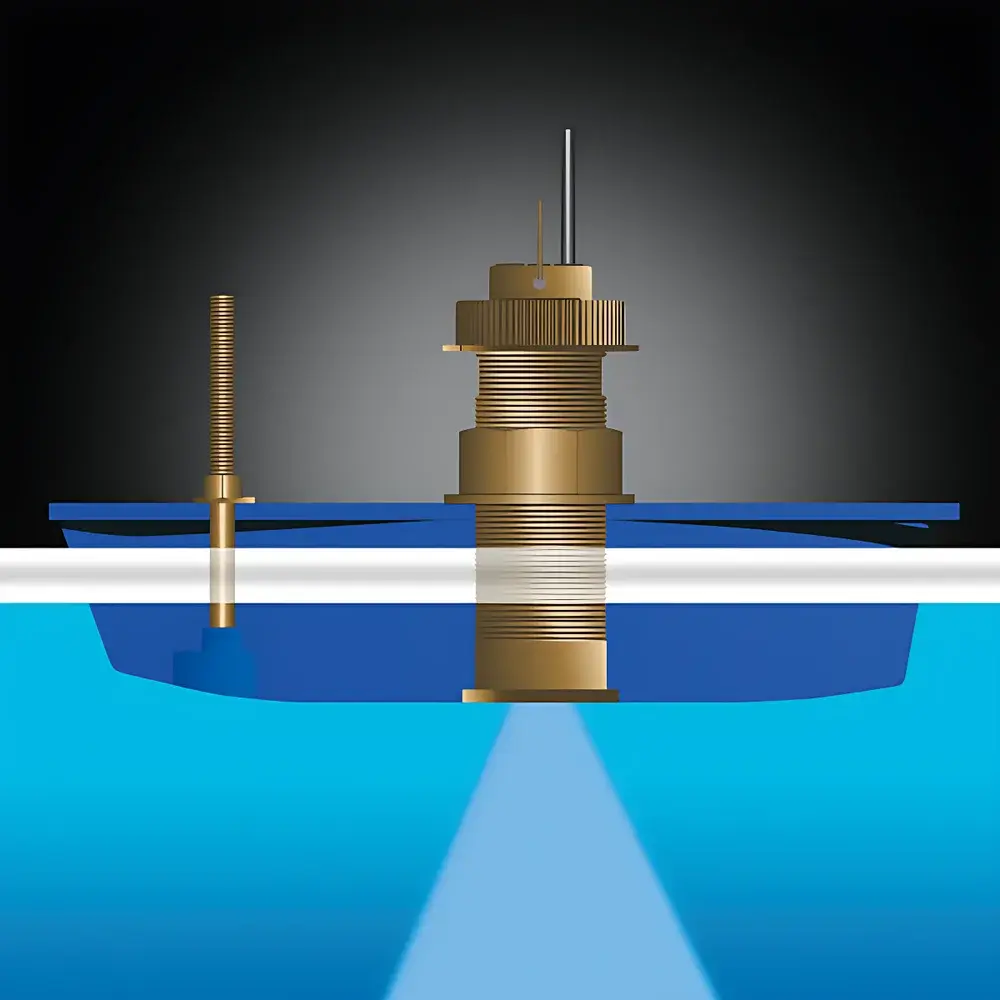
Airmar B122 Smart Depth Sounder Transducer
| Brand | Airmar |
|---|---|
| Origin | USA |
| Manufacturer Type | Authorized Distributor |
| Import Status | Imported |
| Model | B122 |
| Operating Frequency | 235 kHz |
| Depth Range | 0.5–180 m |
| Temperature Range | −10 to +40 °C |
| Temp Accuracy | ±0.5 °C |
| Max Hull Angle (with fairing) | 28° |
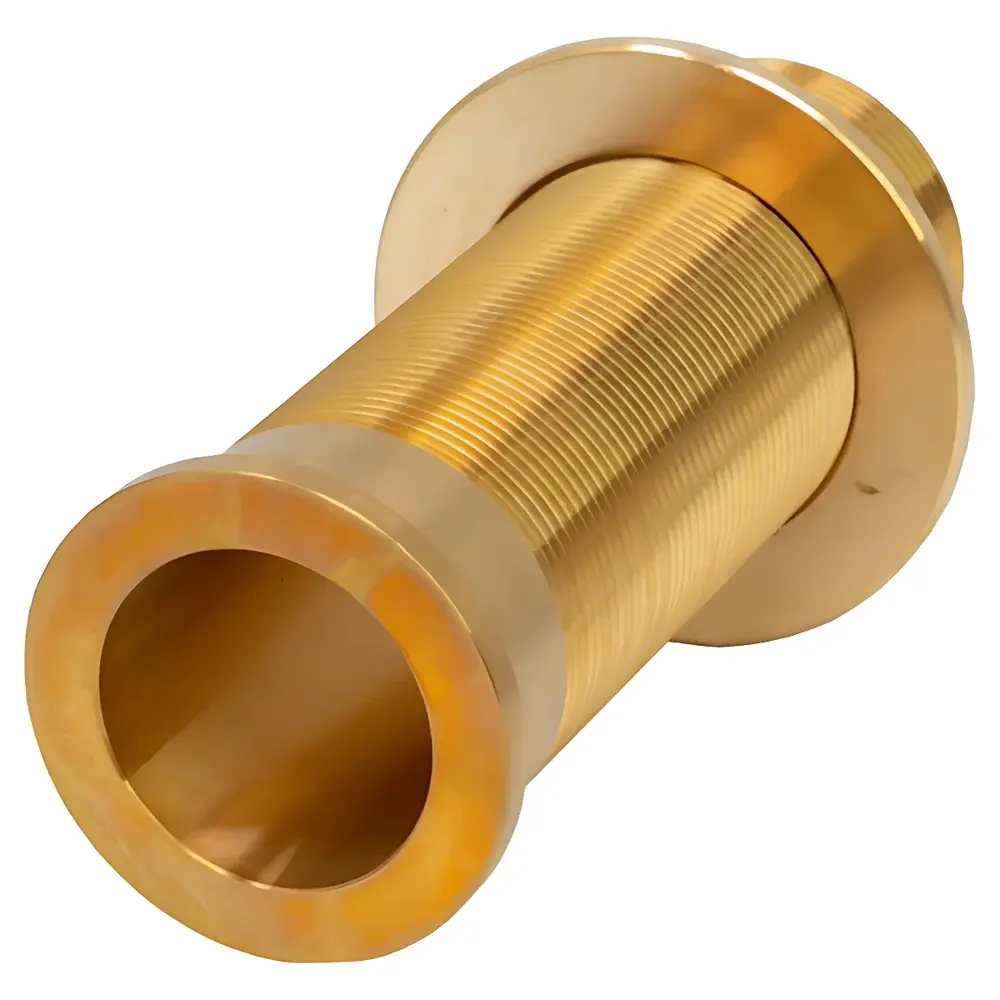
| Housing Material | Bronze |
| Power Supply | 9–16 VDC, <200 mA |
| Weight | 3.9 kg |
| Transducer Window | Urethane |
| Mounting Options | Through-hull (51 mm hole) or Low-profile via Adapter Ring |
| IP Rating | IEC 60945 Compliant |
| NMEA 2000 LEN | 4 |
Overview
The Airmar B122 Smart Depth Sounder Transducer is an integrated through-hull echosounder sensor engineered for precision depth and water temperature measurement in demanding marine environments. Unlike conventional transducers that output raw analog signals, the B122 embeds a dedicated microprocessor to digitize, filter, and condition both depth and temperature data internally—prior to transmission via standardized NMEA protocols. It operates at a fixed 235 kHz frequency, selected to minimize cross-talk interference with other onboard sonar systems (e.g., fishfinders or forward-looking sonars operating at 50/200 kHz), thereby ensuring signal integrity in multi-transducer installations. Its robust bronze housing provides long-term corrosion resistance in saltwater, while the urethane acoustic window ensures optimal sound transmission and mechanical durability. Designed for installation on vessels with thick hulls or steep deadrise angles (up to 28° with included fairing), the B122 delivers consistent bottom-lock performance across varying sea states and vessel motions.
Key Features
- Embedded digital signal processing: Onboard microcontroller performs real-time depth calculation and temperature compensation, eliminating reliance on external chartplotter firmware for basic hydrostatic calibration.
- Retractable mechanism: Allows safe retraction above the waterline during dry docking or high-speed operation, reducing drag and mechanical stress on the transducer assembly.
- Dual NMEA interface options: Available in either NMEA 0183 (RS-422, 4800 baud) or NMEA 2000® (CAN bus) configurations—both compliant with IEC 61162-1 and IEC 61162-3 standards respectively.
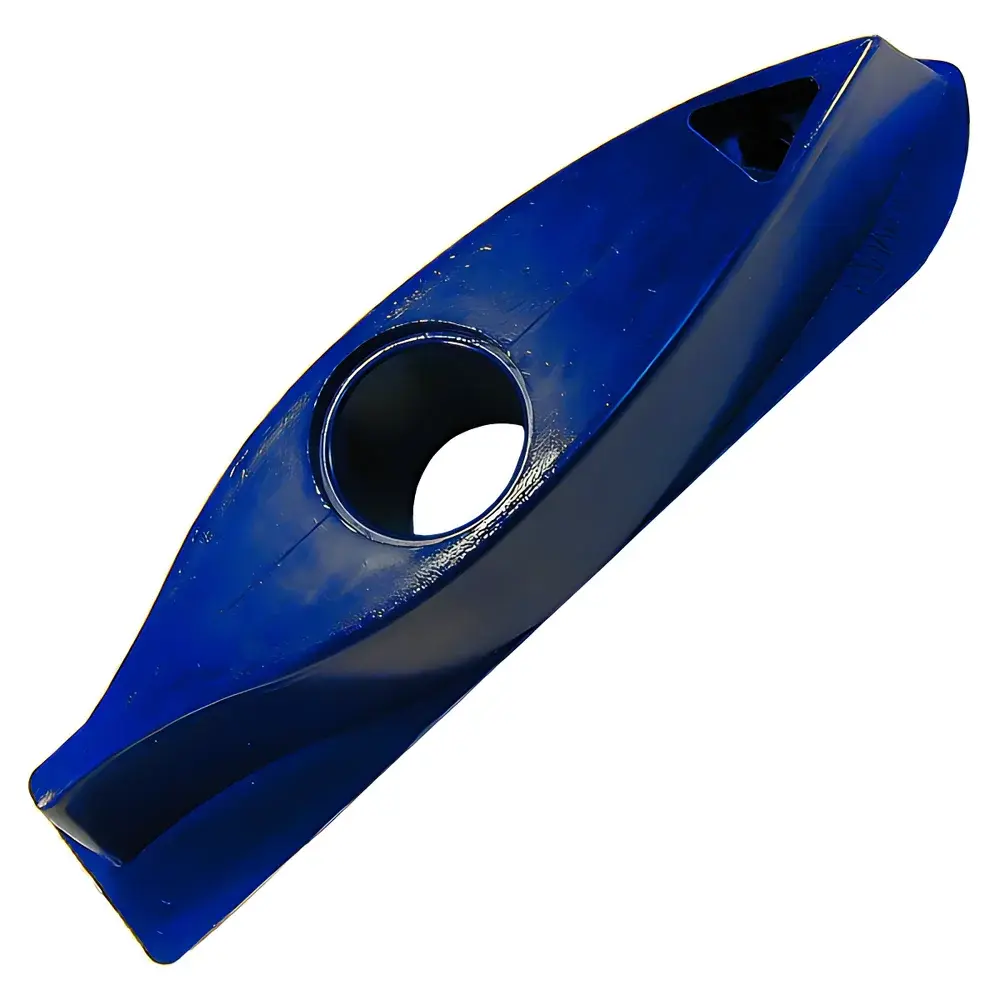
- Optimized acoustic coupling: Integrated high-performance fairing directs the 235 kHz beam vertically, mitigating beam skew caused by hull curvature or inclination—critical for accurate depth registration on deep-V or planing hulls.
- Flexible mounting architecture: Supports standard through-hull installation (51 mm core hole) or low-profile surface-mount configuration using optional adapter ring, enabling retrofit compatibility across diverse vessel classes.
- Wide operational envelope: Validated for continuous operation from −10 °C to +40 °C, with temperature measurement accuracy of ±0.5 °C over the full range—meeting ASTM D5242 requirements for in-situ water temperature monitoring.
Sample Compatibility & Compliance
The B122 is compatible with all NMEA 0183 v3.01+ and NMEA 2000® v2.000+ certified displays, autopilots, and navigation computers—including those used in commercial small craft, research vessels, and coastal survey platforms. Its physical design conforms to ISO 8846 (marine electrical equipment—explosion protection) and IEC 60945 (marine navigational equipment—general requirements, methods of testing and required test results). The transducer’s pressure rating of 3 m (10 ft) corresponds to static immersion up to that depth under normal operating conditions; dynamic pressure effects at speed are accommodated by the retractable housing geometry. All firmware and data output structures comply with NMEA TPVC (Technical Protocol Version Control) guidelines, supporting seamless integration into GLP-aligned data logging workflows where traceability of bathymetric measurements is required.
Software & Data Management
Depth and temperature data are transmitted as structured NMEA sentences: DBT (depth below transducer), MTW (water temperature), and HDG (if integrated with heading source). When deployed with NMEA 2000®, the device publishes PGNs 127250 (Water Depth), 130311 (Environmental Parameters), and 126992 (System Time) with configurable update rates up to 10 Hz (subject to network load). No proprietary software is required; however, third-party marine data loggers (e.g., Actisense NGT-1, Maretron USB100) can capture and timestamp all messages for post-mission QA/QC analysis. Audit trails—including message timestamps, source addresses, and checksum validation—support compliance with USCG Navigation Safety Regulations (33 CFR Part 164) and EU Marine Equipment Directive (MED 2014/90/EU) documentation requirements.
Applications
- Commercial fishing vessels requiring reliable shallow-to-medium depth profiling (0.5–180 m) in estuarine, coastal, and continental shelf waters.
- Hydrographic survey support boats performing pre-dredge and post-dredge bathymetric verification where repeatability and thermal drift stability are critical.
- Autonomous surface vehicle (ASV) integration, leveraging the B122’s low power draw (<200 mA @ 12 VDC) and compact form factor for extended mission endurance.
- Scientific buoy networks collecting long-term water column temperature profiles in conjunction with conductivity and dissolved oxygen sensors.
- Naval auxiliary craft and patrol vessels needing MIL-STD-1399–compliant depth telemetry for bridge system redundancy and ECDIS overlay calibration.
FAQ
Is the B122 suitable for fiberglass or aluminum hulls?
Yes—the bronze housing and urethane window are compatible with non-ferrous and composite hull materials; however, installation on metal hulls requires electrical isolation per ABYC E-11 standards to prevent galvanic corrosion.
Can the B122 be used in freshwater applications?
Yes—its calibration and pressure rating are medium-agnostic; no recalibration is required when transitioning between saltwater and freshwater environments.
Does the transducer require external temperature compensation?
No—the embedded thermistor is factory-trimmed and digitally compensated within the microprocessor; output values reflect true water temperature without host-side correction algorithms.
What is the maximum recommended vessel speed for reliable depth tracking?
Up to 45 knots with fairing installed and transducer fully retracted; sustained operation above 30 knots in heavy seas may reduce bottom-lock reliability due to cavitation onset at the window surface.
Is firmware upgrade capability supported?
No—the B122 implements fixed-function logic with no field-upgradable firmware; all signal processing algorithms are hard-coded during manufacturing to ensure deterministic latency and regulatory compliance.