
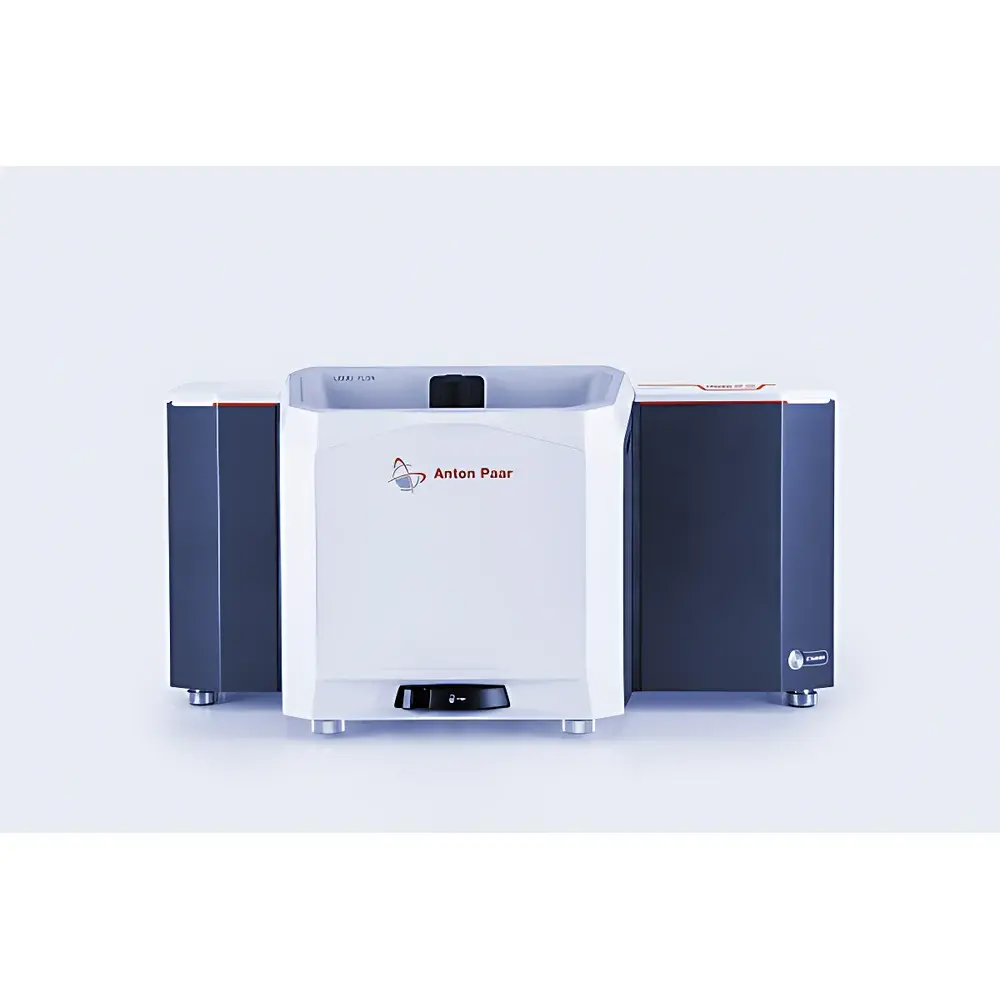
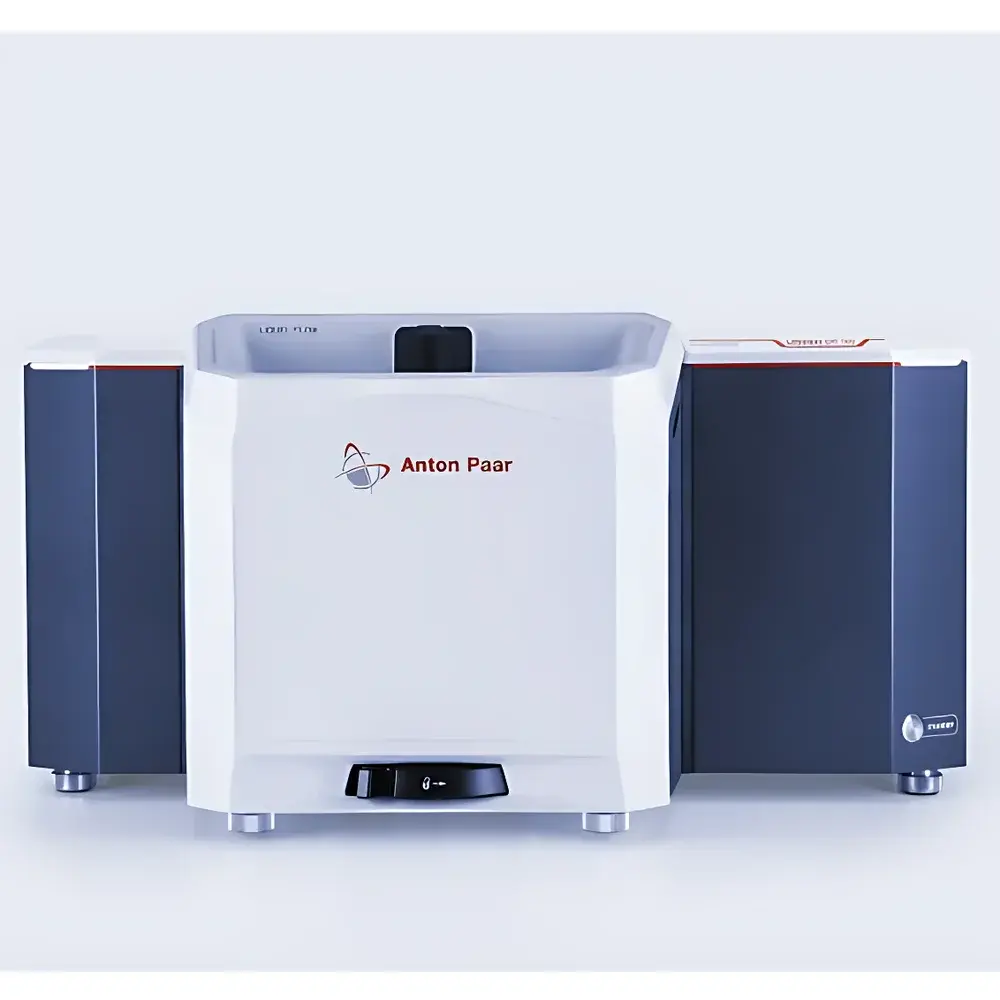
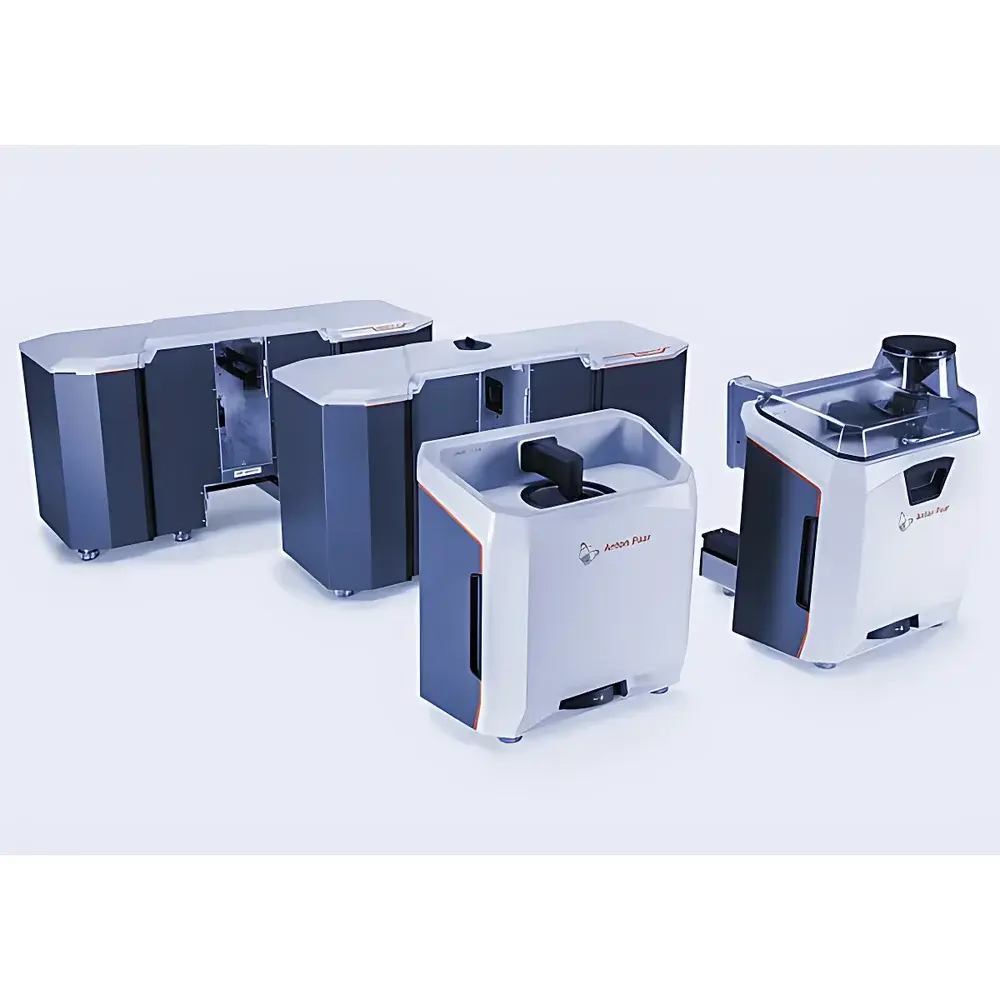
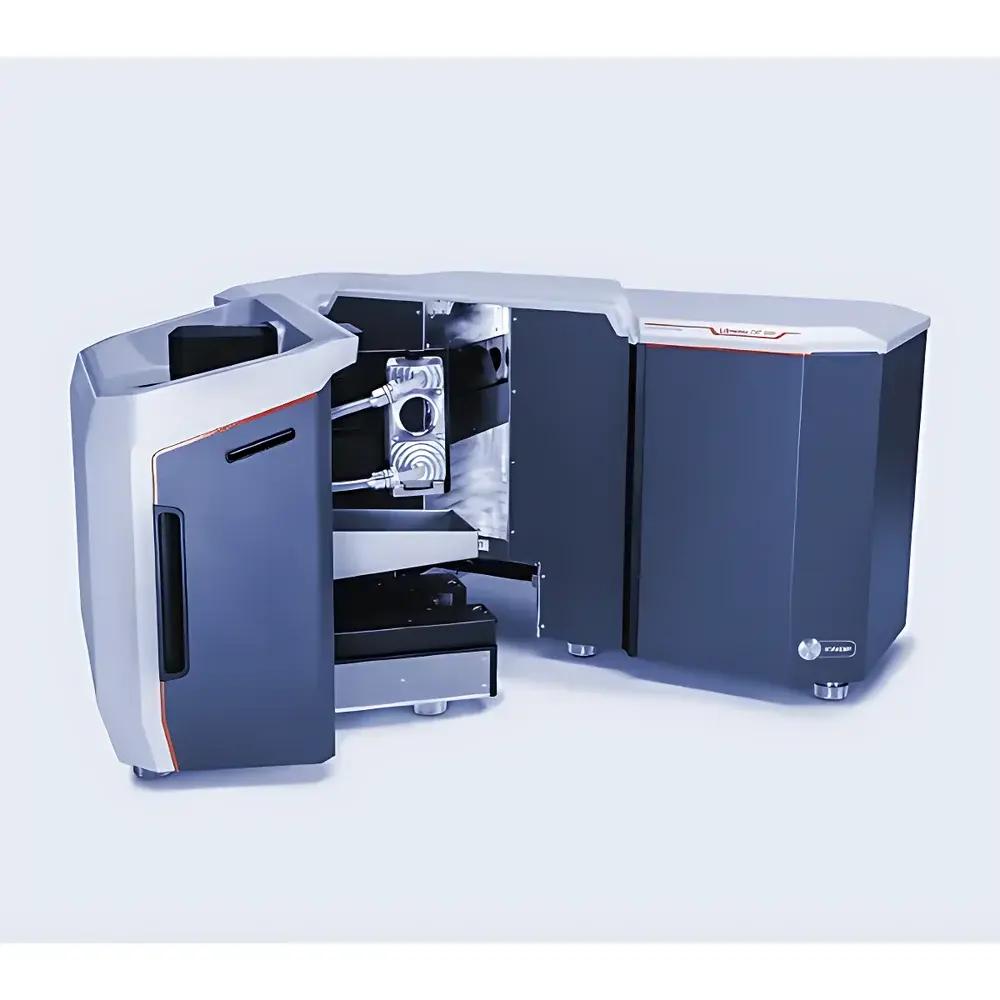
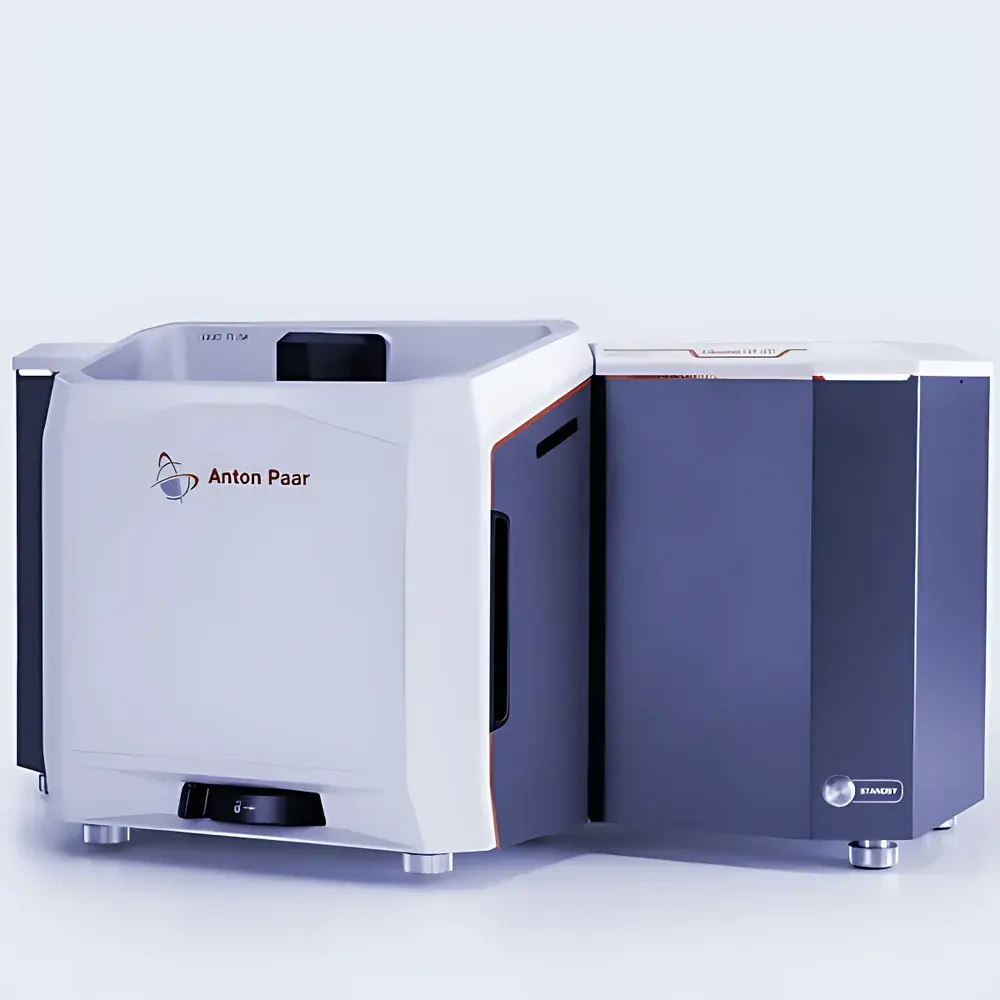
Anton Paar Litesizer DIF Laser Particle Size Analyzer
| Brand | Anton Paar |
|---|---|
| Origin | Austria |
| Manufacturer Type | Original Equipment Manufacturer (OEM) |
| Origin Category | Imported |
| Model | Litesizer DIF |
| Pricing | Upon Request |
| Dispersion Method | Dry & Wet Dispersion |
| Instrument Type | Laboratory Laser Diffraction Analyzer |
| Measurement Range | 0.01–3500 µm |
| Repeatability | < ±0.5% |
| Measurement Time | < 10 s |
Overview
The Anton Paar Litesizer DIF is a high-precision laboratory laser diffraction particle size analyzer engineered for rigorous scientific and industrial quality control environments. It operates on the physical principles of Mie scattering and Fraunhofer diffraction, enabling accurate, traceable particle size distribution (PSD) analysis across an exceptionally broad dynamic range—from 0.01 µm to 3500 µm in a single instrument configuration. This capability eliminates the need for multiple analyzers or method transfers when characterizing nanoscale colloids, fine powders, suspensions, or coarse granular materials. The system integrates dual-wavelength laser sources (830 nm infrared, 10 mW; and 450 nm blue, 25 mW), a logarithmically spaced photodiode array detector covering 0.01°–170° scattering angles, and an automated collimation optical path—ensuring high signal-to-noise ratio, minimal angular truncation error, and robust performance under variable sample conditions. Designed and manufactured in Graz, Austria, the Litesizer DIF reflects over six decades of Anton Paar’s expertise in light-scattering metrology and optical instrumentation engineering.
Key Features
- Dual-laser optical architecture with fiber-coupled 830 nm IR and tilted 450 nm blue lasers for enhanced sensitivity to both submicron and coarse particles
- Ultra-wide angular detection range (0.01°–170°) with backscatter and side-scatter diodes for comprehensive scattering pattern capture
- Quick-Click dispersion unit interface—mechanical coupling only, no cables, hoses, or alignment required—reducing setup time and operator-induced variability
- Integrated optical isolation platform and dust/powder-sealed optical chamber, minimizing environmental vibration and particulate contamination effects
- Metal-encased, ruggedized chassis rated for operation in demanding production-floor or field-deployed settings, not just controlled laboratories
- Real-time obscuration monitoring during sample introduction to ensure optimal signal intensity and prevent under- or over-dosing
- Automated liquid level verification prior to ultrasonication in wet dispersion mode, preventing transducer overheating and cavitation damage
Sample Compatibility & Compliance
The Litesizer DIF supports both dry powder aerosolization and liquid-phase dispersion, accommodating a wide spectrum of sample types—including aqueous and organic suspensions, metal oxides, polymers, pharmaceutical actives, catalysts, pigments, and abrasive ceramics. Its chemically resistant fluidic modules are compatible with aggressive solvents (e.g., THF, DMF, acetone) and acidic or alkaline media. For regulated industries, the system—when equipped with the optional Pharma Package—fully complies with FDA 21 CFR Part 11 requirements: electronic signatures, role-based user access control, immutable audit trails, and full data integrity (ALCOA+ principles). All measurement protocols adhere to ISO 13320:2020 (Particle size analysis — Laser diffraction methods) and support GLP/GMP documentation workflows. Reproducibility data (±1% RSD on D50 for polydisperse reference standards) and repeatability (<±0.5% RSD) are validated per ISO guidelines and documented in the instrument’s Factory Certificate of Conformance.
Software & Data Management
Kalliope software serves as the unified control, acquisition, and reporting platform for all Litesizer instruments. Its single-page workflow minimizes navigation complexity: users define dispersion parameters, initiate measurement, and obtain PSD results—including D10, D50, D90, span, and volume/surface/number distributions—in under three clicks. Quality Control Mode enforces standardized operating procedures via locked method templates, configurable pass/fail limits, and visual traffic-light feedback—enabling rapid go/no-go decisions without analyst interpretation. Data export supports CSV, PDF, and XML formats compliant with LIMS integration. Kalliope also includes advanced features such as dynamic image analysis co-registration (via optional Flow Imaging Unit), multi-sample batch processing, statistical trend analysis, and customizable report generation aligned with internal SOPs or regulatory submission templates (e.g., ICH Q5a, USP ). All software updates and calibration logs are timestamped and auditable.
Applications
The Litesizer DIF delivers critical particle characterization data across diverse sectors: in pharmaceutical development, it verifies micronization efficiency and API batch consistency per USP ; in battery materials R&D, it quantifies cathode/anode particle agglomeration and slurry stability; in cement and additive manufacturing, it monitors clinker fineness and metal powder flowability; in food science, it assesses emulsion droplet size and starch granule swelling behavior; and in environmental testing, it characterizes airborne particulate matter (PM₁₀, PM₂.₅) analogs. Its ability to resolve multimodal distributions with high resolution (up to 144 user-defined size classes) makes it suitable for formulation optimization, raw material qualification, and process validation studies requiring statistical process control (SPC).
FAQ
What is the optical principle underlying the Litesizer DIF?
It employs laser diffraction based on Mie theory (for particles comparable to or smaller than the incident wavelength) and Fraunhofer approximation (for larger particles), with dual-wavelength illumination enhancing accuracy across the full 0.01–3500 µm range.
Does the system support regulatory compliance for pharmaceutical use?
Yes—when configured with the Pharma Option, Kalliope software meets FDA 21 CFR Part 11 requirements, including electronic signatures, audit trails, and user privilege management.
How does the Quick-Click dispersion interface improve operational reliability?
It eliminates manual cable/hose connections and optical realignment, reducing mechanical wear, cross-contamination risk, and inter-unit variability between wet and dry dispersion modules.
Is the instrument suitable for harsh industrial environments?
Yes—the sealed optical bench, vibration-isolated baseplate, IP-rated enclosure, and corrosion-resistant fluidics enable stable operation in factory settings with ambient dust, temperature fluctuation, and mechanical vibration.
What is covered under the 10-year laser warranty?
The warranty applies to both the 830 nm and 450 nm laser sources, guaranteeing uninterrupted optical performance and output stability for ten years from date of commissioning—validating long-term measurement consistency and ROI.



