
Aolong LNG Vehicle Cylinder X-ray Digital Radiography Inspection System
| Brand | Aolong |
|---|---|
| Origin | Liaoning, China |
| Manufacturer Type | OEM Manufacturer |
| Country of Origin | China |
| Model | XYG-22508/3 & XYG-3205/2 |
| Pricing | Upon Request |
Overview
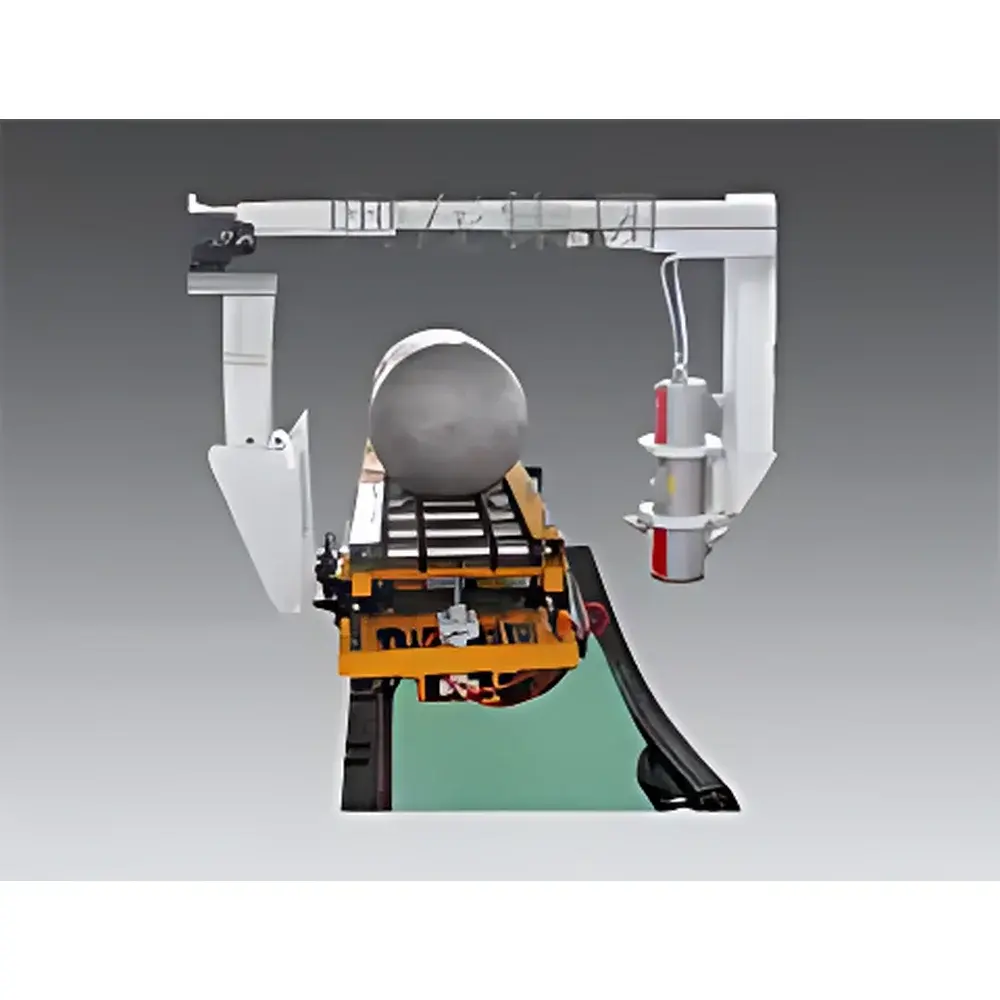
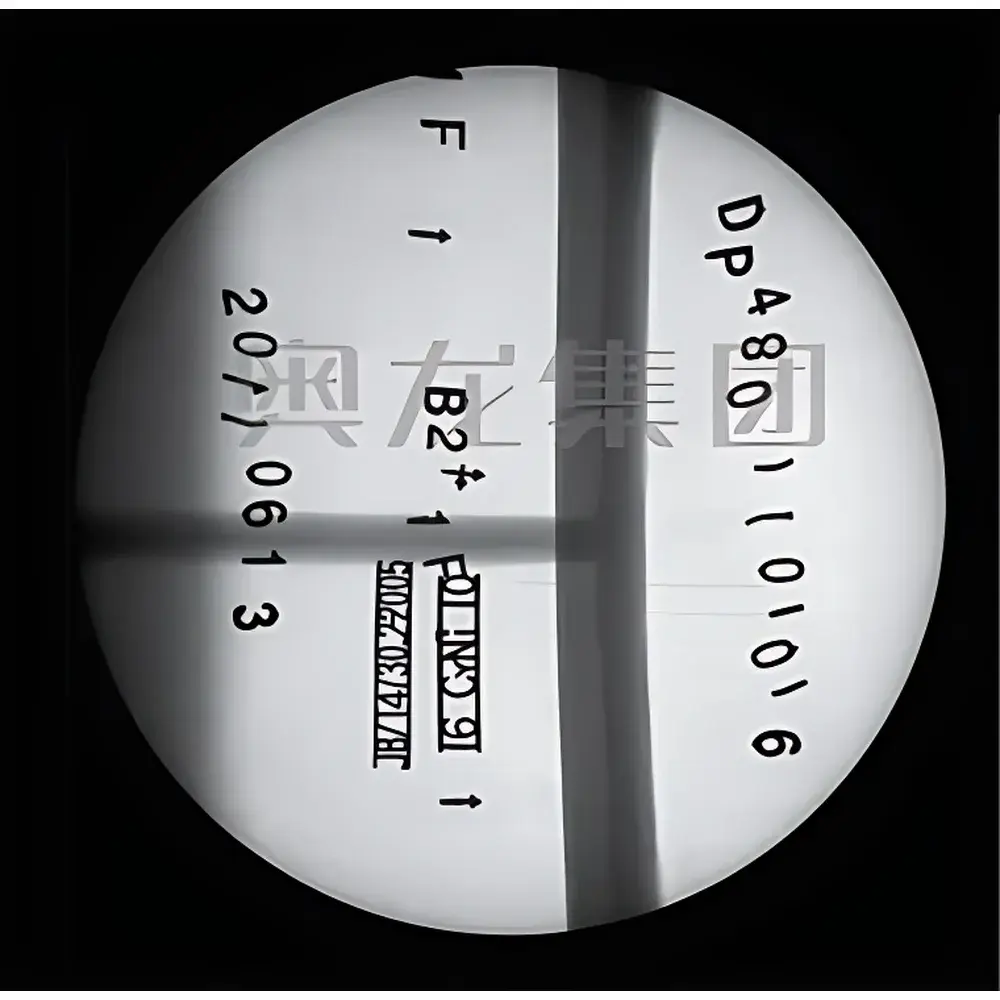
The Aolong LNG Vehicle Cylinder X-ray Digital Radiography Inspection System (Models XYG-22508/3 and XYG-3205/2) is a purpose-built industrial radiographic inspection platform engineered for non-destructive evaluation (NDE) of cryogenic liquefied natural gas (LNG) vehicle-mounted pressure vessels. Designed specifically for stainless steel Type III and Type IV composite cylinders used in heavy-duty transportation applications, the system employs high-frequency, constant-potential X-ray generation (40 kHz) to deliver stable beam output with minimal ripple—ensuring consistent penetration across thick-walled, multi-layered cylinder structures. Unlike conventional film-based or computed radiography (CR) methods, this system integrates real-time digital radiography (DR) using amorphous silicon flat-panel detectors (FPDs), enabling sub-millimeter spatial resolution and dynamic contrast optimization during continuous motion imaging. The architecture conforms to ISO 17636-2:2013 (Radiographic testing of welds — Part 2: X- and gamma-ray techniques with digital detectors) and supports compliance with ASME BPVC Section V, Article 2, and EN 1435 for longitudinal and circumferential seam inspection.
Key Features
- High-stability 40 kHz high-frequency X-ray generator with digitally regulated high-voltage supply, optimized for uniform beam intensity and reduced dose variability across stainless steel wall thicknesses up to 25 mm.
- Industrial-grade amorphous silicon flat-panel detector (FPD) with active area ≥ 430 mm × 430 mm, 14-bit dynamic range, and pixel pitch ≤ 150 µm—enabling detection of linear indications ≥ 0.15 mm in width under standard exposure conditions.
- Custom-engineered conveyor subsystem featuring polyurethane-coated rollers with zero carbon transfer characteristics—eliminating surface contamination risks on austenitic stainless steel surfaces (e.g., 304L, 316L) during automated handling.
- Modular lead-shielded enclosure compliant with IEC 61331-1:2014 radiation safety standards; includes interlocked access doors, warning lights, and dose rate monitoring integrated into the control interface.
- Real-time image acquisition synchronized with conveyor speed (0.1–0.8 m/min), supporting continuous scanning without mechanical indexing—reducing cycle time per cylinder to < 90 seconds for standard 500 L units.
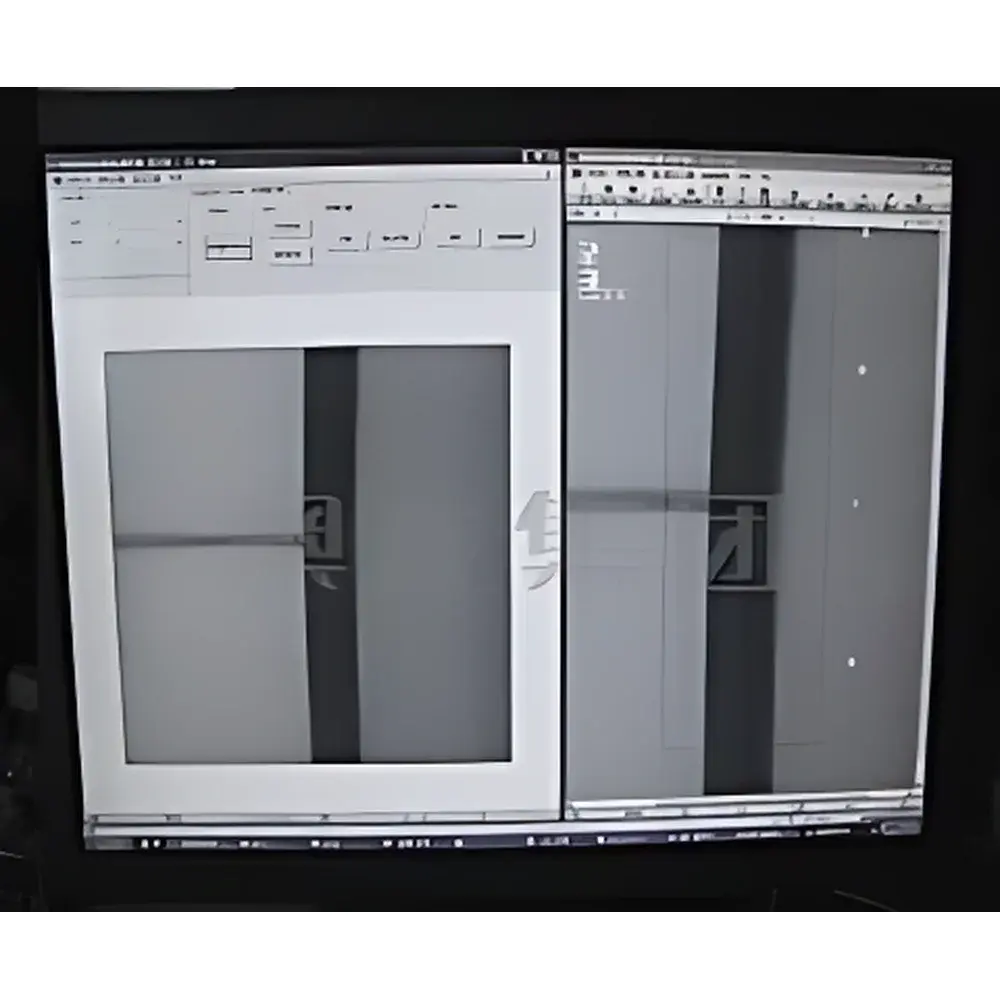
- OEM-developed DR acquisition and analysis software with ASTM E2737-compliant image enhancement tools, automatic weld seam tracking, defect annotation layers, and audit-trail logging per FDA 21 CFR Part 11 requirements.
Sample Compatibility & Compliance
The system accommodates cylindrical LNG pressure vessels ranging from 150 L to 1,200 L nominal capacity, with outer diameters from 300 mm to 800 mm and lengths up to 3,200 mm. It supports both seamless and welded construction types, including helical and girth weld configurations common in Type III (aluminum liner + fiber wrap) and Type IV (polymer liner + carbon fiber wrap) designs. All hardware and software components are validated against GB/T 12337–2014 (Steel Spherical Storage Tanks), TSG 22–2019 (Safety Technical Supervision Regulations for Pressure Vessels), and ISO 11484:2019 (NDT personnel qualification). System documentation includes full traceability of calibration certificates for X-ray source output (kV/mA), FPD sensitivity (DQE), and geometric unsharpness (Ug), supporting GLP/GMP-aligned quality audits.
Software & Data Management
The proprietary Aolong DR-Insight™ software suite provides DICOM 3.0-compliant image acquisition, storage, and review functionality. Key modules include: (1) Real-time image preprocessing (flat-field correction, noise reduction via wavelet filtering); (2) Automated weld centerline detection and ROI alignment; (3) Defect classification engine trained on >12,000 annotated weld radiographs—including porosity clusters, lack-of-fusion, slag inclusions, and micro-crack signatures; (4) Batch reporting with configurable templates aligned to ISO 10042 and AWS D1.1; and (5) Role-based user access control with electronic signature support and immutable audit logs. Data export supports CSV, XML, and PDF formats; integration with MES/ERP systems is achieved via OPC UA or RESTful API interfaces.
Applications
This system serves as a production-line QA/QC solution for manufacturers of LNG fuel systems used in commercial trucks, buses, marine auxiliary power units, and rail traction applications. Primary use cases include: post-weld inspection of cylinder body seams and neck attachments; verification of liner integrity in composite overwrapped pressure vessels (COPVs); detection of inter-laminar voids or fiber misalignment in carbon fiber wraps; and periodic in-service inspection of returned cylinders prior to requalification. Field deployments include facilities certified to ISO 9001, ISO/IEC 17025, and API Q1, with documented implementation at over 50 domestic and international LNG cylinder producers—including Tier-1 suppliers to Weichai, Sinotruk, and global OEMs operating in Malaysia, South Korea, and the EU.
FAQ
What regulatory standards does this system meet for export to the EU?
The system complies with the EU Machinery Directive 2006/42/EC, Electromagnetic Compatibility Directive 2014/30/EU, and Radiation Protection Directive 2013/59/Euratom. Full CE technical documentation—including risk assessment per EN ISO 12100 and type examination reports—is available upon request.
Can the system be integrated into an existing automated production line?
Yes. The conveyor interface supports standard photoelectric sensor triggers, PLC-level handshaking (via Modbus TCP or Profibus DP), and programmable start/stop logic synchronized with upstream filling and hydrotesting stations.
Is remote diagnostics and software update capability supported?
The system includes secure TLS-encrypted remote access via Aolong’s authorized service portal, enabling firmware updates, log file retrieval, and real-time performance monitoring—all governed by ISO/IEC 27001-aligned cybersecurity protocols.
What maintenance intervals are recommended for the X-ray tube and detector?
X-ray tube service life is rated at ≥ 5,000 operating hours under nominal load; annual recalibration of kV/mA output and focal spot size is required. The FPD undergoes quarterly sensitivity verification and biannual DQE validation using NIST-traceable phantoms.
Does the system support third-party image analysis plugins?
Yes. The software SDK provides C++ and Python APIs for custom algorithm integration, including AI-based defect classifiers developed in accordance with ASTM E3095–21 (Standard Guide for Artificial Intelligence in NDT).



