
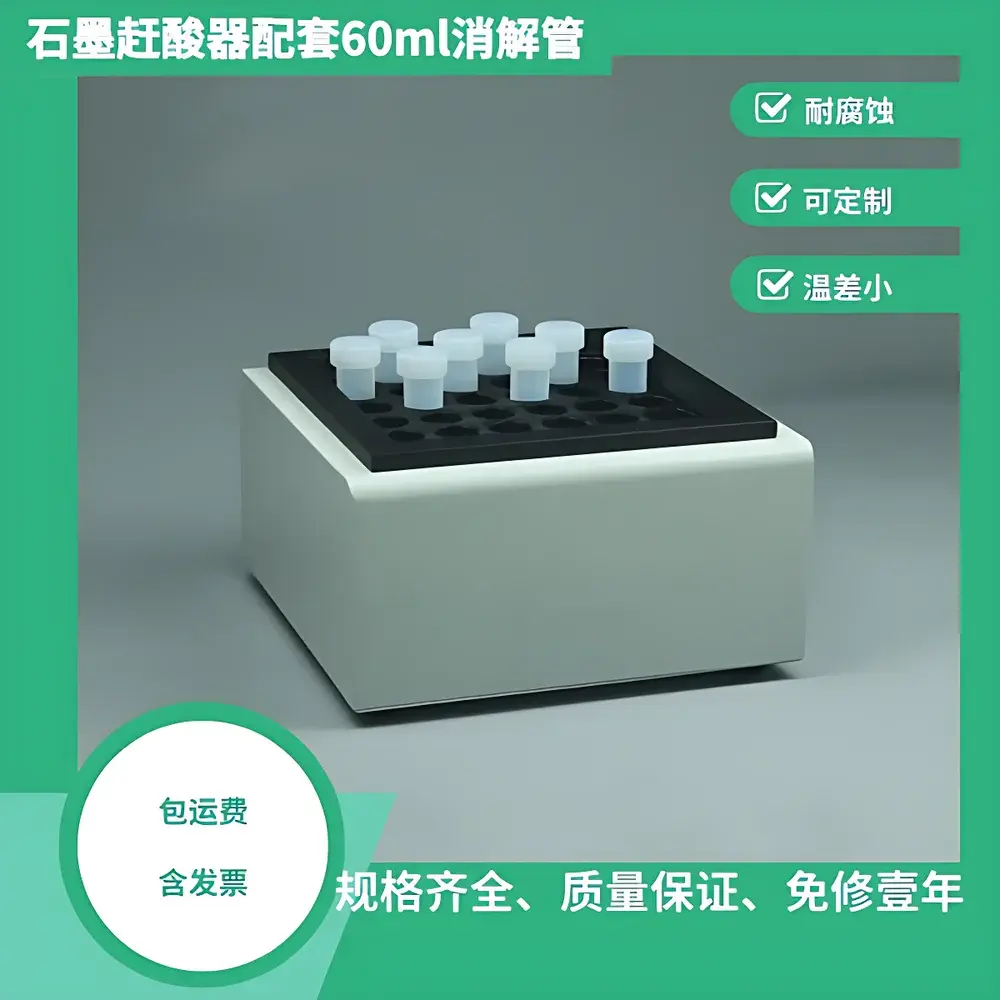
Binzhenghong Graphite Block Digestion System – 40-Position Electronic Temperature-Controlled Microwave Vessel Compatible Digestor
| Brand | Binzhenghong |
|---|---|
| Origin | Jiangsu, China |
| Manufacturer Type | Direct Manufacturer |
| Product Category | Domestic |
| Models Available | 25-, 40-, 42-, 48-position configurations |
| Instrument Type | Graphite Block Digestion System |
| Automation Level | Semi-Automatic |
| Digestion Positions | 40 |
| Max Heating Temperature | 260 °C |
| Temperature Control Accuracy | ±1 °C |
| Heating Principle | Uniform Graphite Block Heating with Integrated Thermal Mass |
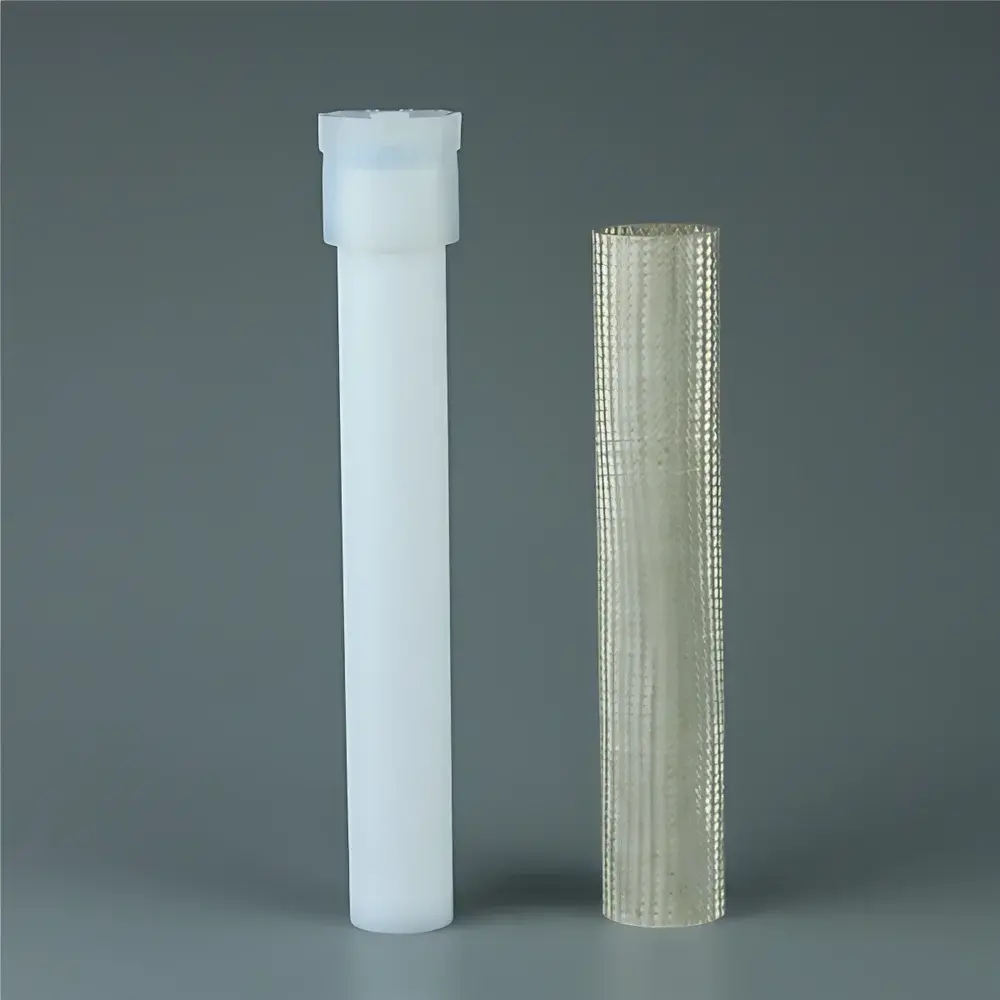
| Sample Vessel Compatibility | Standard Microwave Digestion Tubes (e.g., Teflon®-lined PFA or quartz) |
Overview
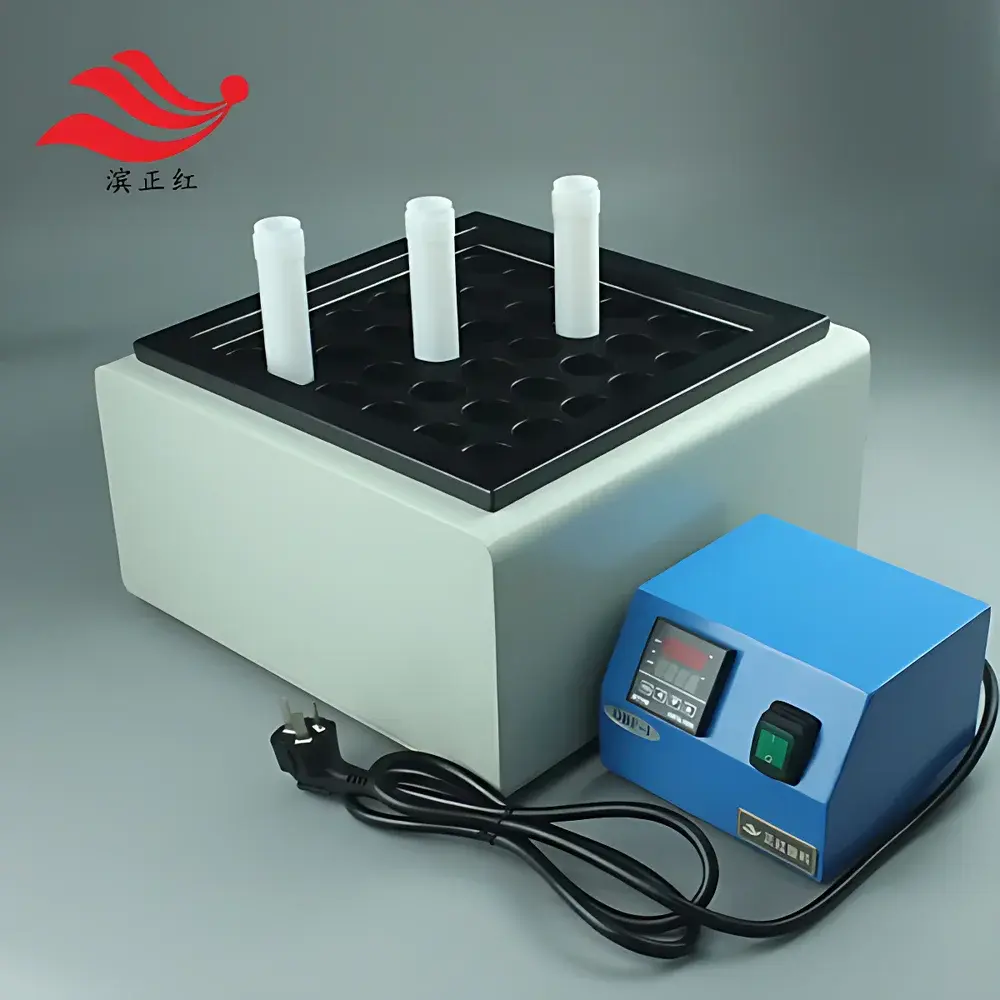
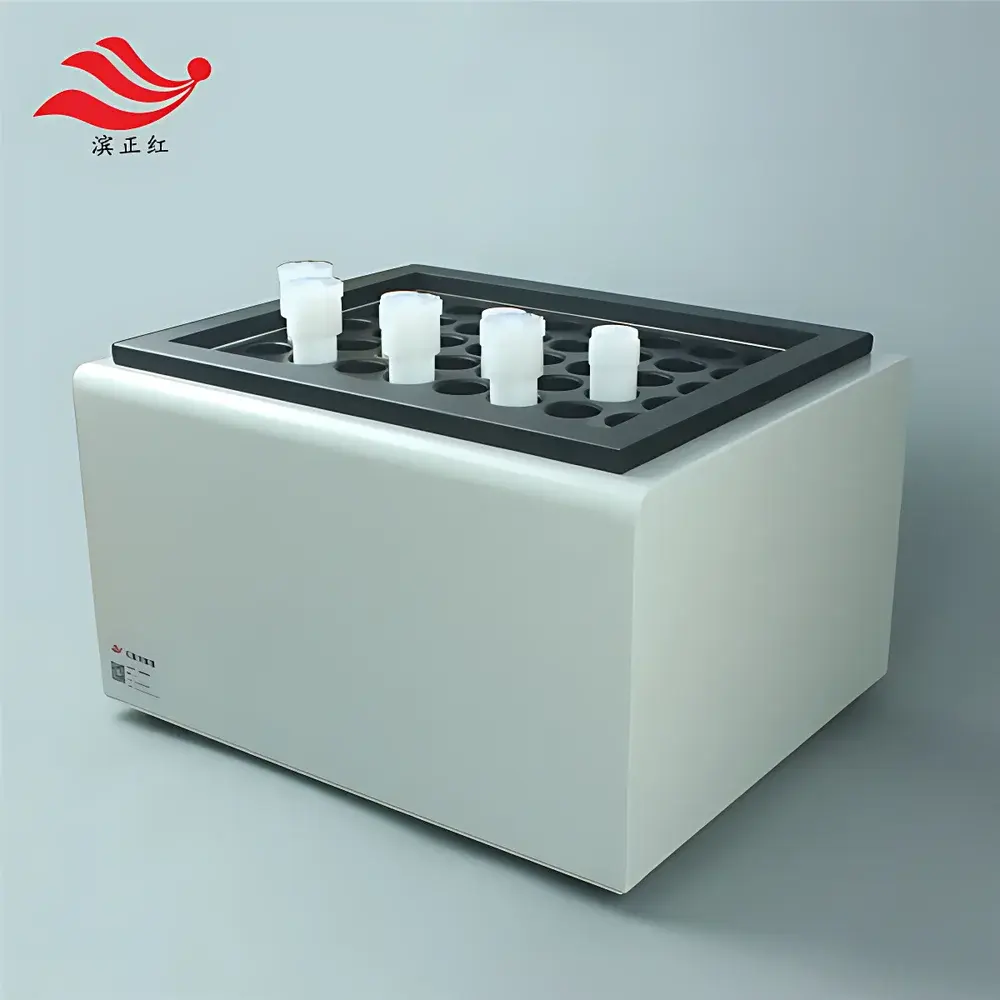
The Binzhenghong Graphite Block Digestion System – 40-Position is a precision-engineered semi-automatic sample preparation instrument designed for high-throughput, reproducible acid digestion of solid and semi-solid matrices. It operates on the principle of conductive heating via a high-density, machined graphite block—engineered to deliver uniform thermal distribution across all 40 sample positions. Unlike traditional hotplate or ceramic-heated digestors, this system leverages graphite’s exceptional thermal conductivity and heat retention capacity, enabling stable ramp-and-hold temperature profiles from ambient to 260 °C. Its design conforms to core principles of analytical sample preparation: minimizing cross-contamination, maximizing digestion completeness, and ensuring trace-metal integrity through controlled, closed-vessel-compatible heating. The system is optimized for integration with microwave-assisted digestion workflows—serving both as a primary digestion platform and as a dedicated post-microwave acid evaporation (‘dry-down’ or ‘赶酸’) station.
Key Features
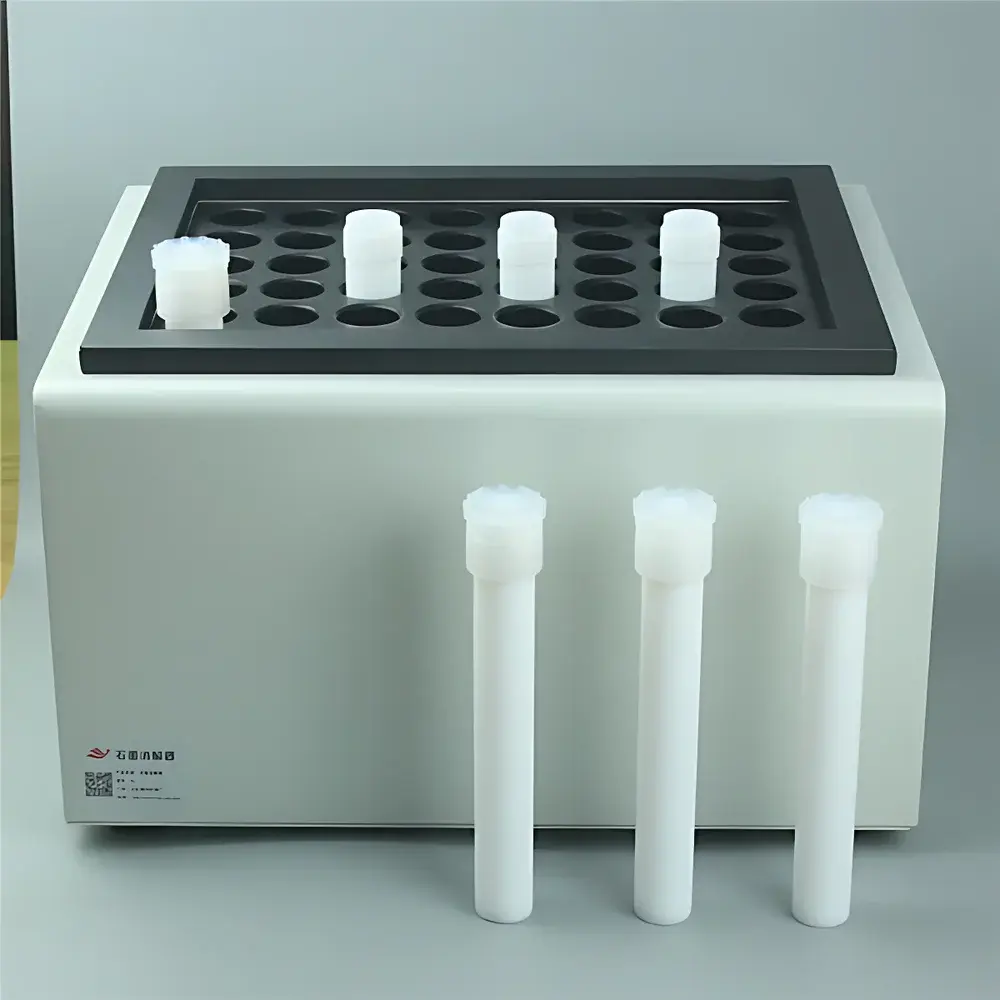
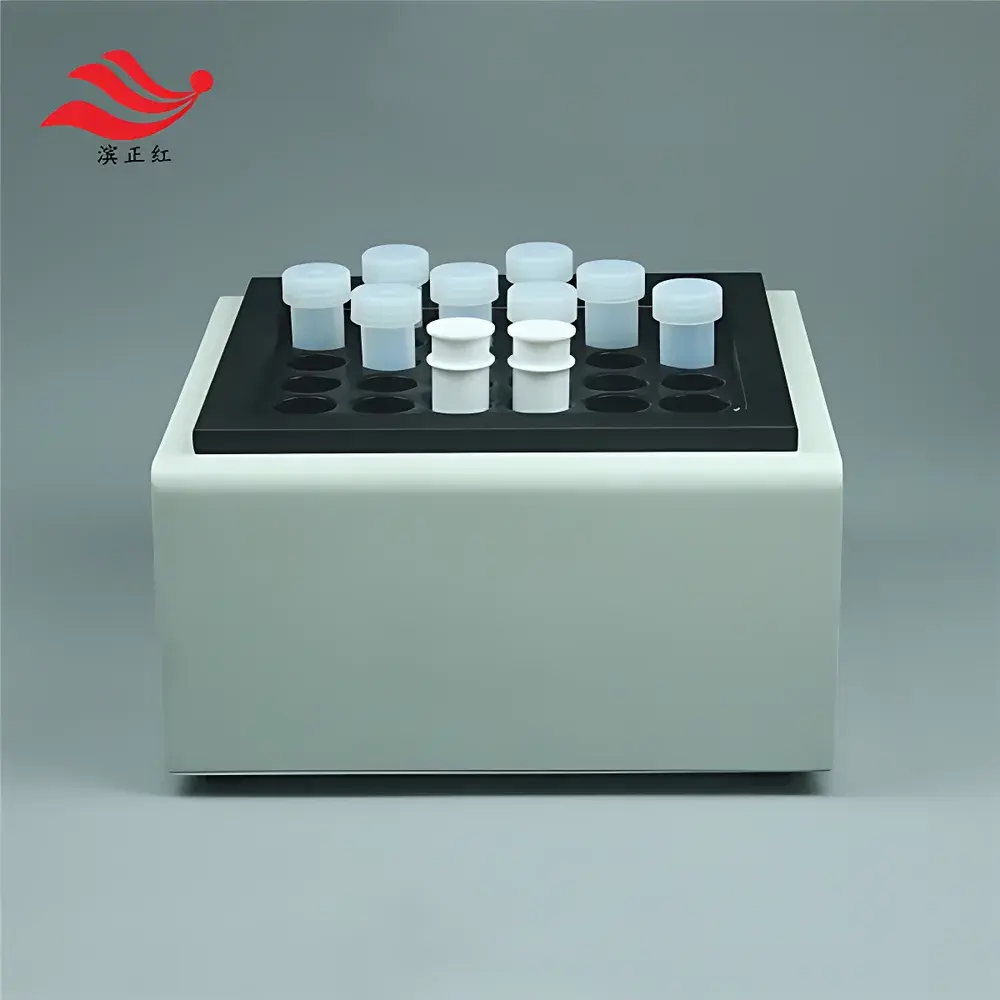
- 40-position graphite block with precision-machined wells accommodating standard microwave digestion tubes (PFA, quartz, or reinforced Teflon®-lined vessels)
- PID-based digital temperature control with real-time feedback loop; accuracy maintained at ±1 °C over full operating range (room temperature to 260 °C)
- Uniform thermal distribution: inter-hole temperature variation ≤ ±1.5 °C; surface gradient across block < 3–5 °C under steady-state conditions
- Corrosion-resistant architecture: graphite substrate coated with chemically inert, high-adhesion fluoropolymer (PTFE/Teflon®-equivalent) layer—resistant to HNO₃, HCl, HF (low concentration), H₂O₂, and organic solvents
- Full enclosure design minimizes convective heat loss and suppresses acid vapor dispersion—protecting electronics, lab personnel, and adjacent instrumentation
- Programmable heating protocol support: adjustable ramp rates, multi-step hold times, and user-defined temperature setpoints for method standardization
- Robust power management: 220 V / 50 Hz input with thermal cutoff protection and grounded chassis compliance
Sample Compatibility & Compliance
The system supports digestion of environmental, food, agricultural, geological, and industrial samples in accordance with internationally recognized regulatory methods. Validated applications include EPA Methods 3010A, 3050B, 3060A (soil/sediment), EPA 200.7/200.8 (water), EPA 7470A/7471 (mercury), and Chinese national standards GB/T 17138–1997 (soil), GB/T 22105.1–2008 (total arsenic in soil), GB/T 5009.11–2003 (arsenic in food), and SJ/T 1365–2006 (RoHS-compliant electronics digestion). All components meet GLP-aligned construction requirements—non-leaching materials, documented thermal calibration traceability, and absence of heavy-metal contaminants in contact surfaces. While not inherently 21 CFR Part 11 compliant, the system supports audit-ready documentation when paired with validated LIMS or ELN systems.
Software & Data Management
This semi-automatic digestion system features an integrated digital controller with LED display and tactile keypad interface—no proprietary software required for basic operation. Temperature setpoints, ramp rates, and hold durations are manually configured and retained in non-volatile memory. For laboratories requiring electronic recordkeeping, optional RS-232 or USB-to-serial interfaces enable connection to external data loggers or laboratory information management systems (LIMS). All temperature profiles can be exported as CSV-formatted time-series datasets for QA/QC review, method validation reports, or regulatory submissions. The controller supports password-protected parameter locking to prevent unauthorized changes during routine analysis—supporting ISO/IEC 17025 and GMP-aligned operational discipline.
Applications
The 40-position graphite digestion system is routinely deployed in accredited environmental testing labs for wastewater, sludge, sediment, and soil analysis; in food safety laboratories for heavy metal screening in dairy, seafood, vegetables, and infant formula; in agrochemical QA/QC for fertilizer and feedstock digestion; and in R&D settings for catalyst residue analysis, polymer ashing, and nanomaterial dissolution studies. Its thermal stability and corrosion resistance make it especially suitable for mercury speciation workflows requiring low-background digestion, as well as for high-acid protocols involving hydrofluoric acid–nitric acid mixtures (with appropriate vessel selection). The system also serves as a critical secondary step in microwave digestion workflows—enabling controlled, low-temperature acid removal prior to ICP-MS or AAS quantification.
FAQ
Is this system compatible with my existing microwave digestion vessels?
Yes—designed to accept standard 50 mL and 100 mL microwave digestion tubes made of PFA, quartz, or reinforced Teflon®, provided outer diameters fall within 28–32 mm tolerance.
Can I use hydrofluoric acid (HF) with this unit?
HF may be used only with HF-rated digestion vessels (e.g., quartz or specially lined PFA); the graphite block coating is resistant to low-concentration HF but not intended for prolonged exposure above 2 % v/v.
What maintenance is required for long-term accuracy?
Annual verification of temperature uniformity using NIST-traceable PT100 probes across all 40 positions is recommended; graphite surface cleaning with dilute nitric acid followed by deionized water rinse preserves coating integrity.
Does the system include temperature calibration certification?
Each unit ships with a factory temperature uniformity report (measured at 100 °C and 220 °C); full ISO 17025 calibration certificates are available upon request with third-party accreditation.
How does this compare to ceramic or aluminum-block digestors?
Graphite offers superior thermal mass and conductivity—resulting in faster stabilization, lower energy consumption per cycle, and reduced positional variance compared to ceramic or aluminum alternatives.



