
Binzhenghong NJ-DBF-I Series High-Temperature Corrosion-Resistant Electric Heating Plate (400×300 mm)
| Brand | Binzhenghong |
|---|---|
| Origin | Jiangsu, China |
| Manufacturer Type | Direct Manufacturer |
| Product Category | Domestic |
| Model | NJ-DBF-I (400×300 mm), NJ-DBF-II (600×400 mm) |
| Heating Power | 2 kW / 3 kW |
| Temperature Range | Ambient to 260 °C |
| Max Continuous Operation | 48 h |
| Ramp Time to 200 °C | 5–30 min (dependent on well depth) |
| Temperature Uniformity | ±1 °C across 200–260 °C zone |
| Heating Surface Material | Precision-cast aluminum or high-purity graphite with PTFE/PFA coating |
| Display | PID digital controller with perimeter-mounted LED display |
| Power Supply | 220 V AC, 50 Hz |
| Cable Length | Standard 1.5 m (power + signal) |
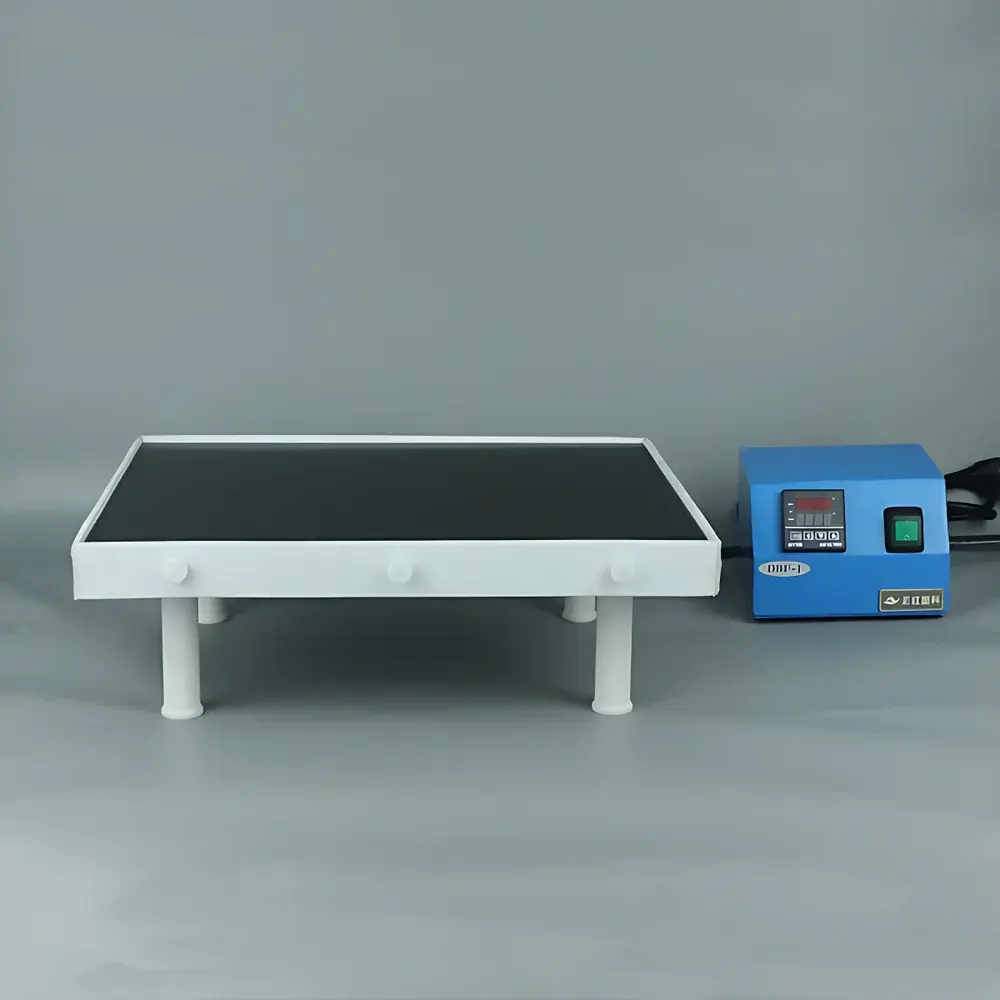
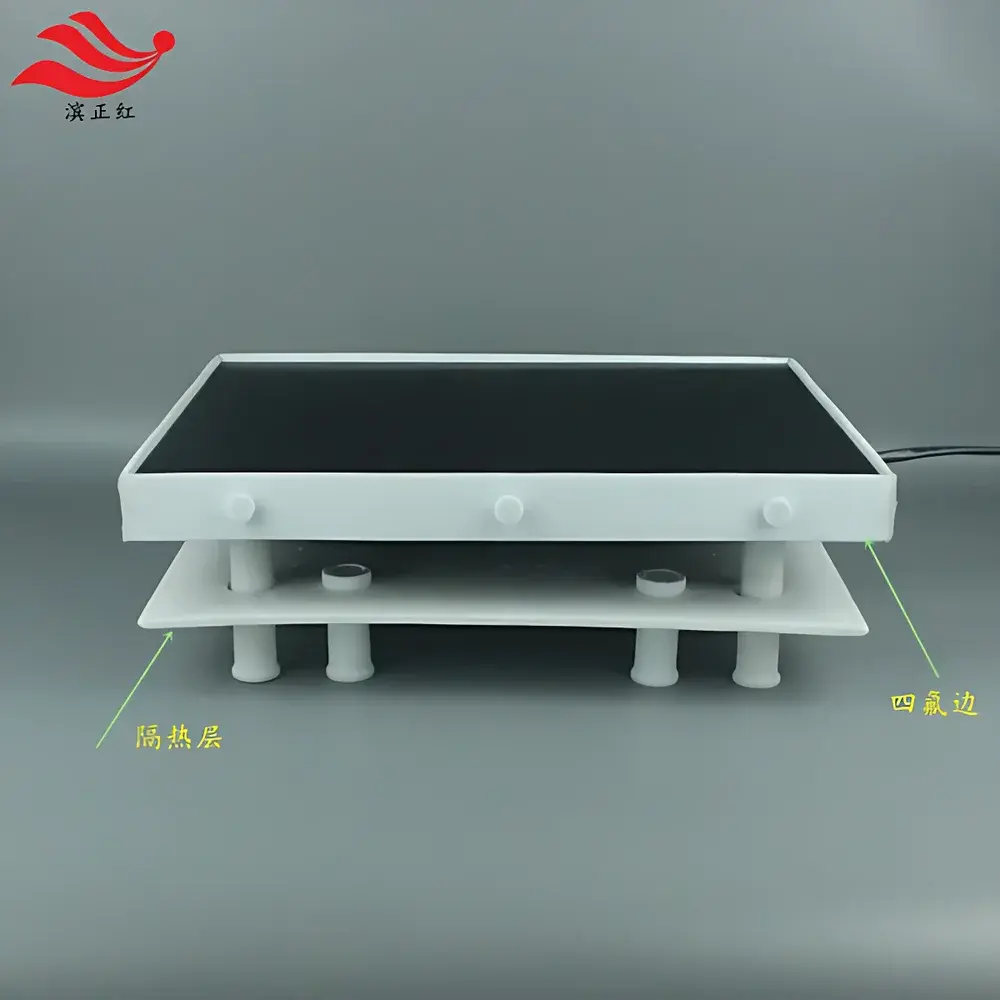
| Structural Design | Split-body configuration with PTFE-coated support feet and PFA-insulated aviation-grade connectors |
| Compliance | Designed for GLP-compliant sample preparation workflows |
Overview
The Binzhenghong NJ-DBF-I Series High-Temperature Corrosion-Resistant Electric Heating Plate is an engineered solution for controlled, uniform thermal treatment of samples during digestion, evaporation, concentration, and solvent removal in analytical and quality control laboratories. Built upon a fundamental principle of resistive heating combined with closed-loop PID temperature regulation, the device delivers stable thermal output across its designated heating zone—without reliance on open flames or volatile heating media. Its core architecture integrates either precision-cast aluminum or high-purity graphite as the heat-conducting substrate, both surface-treated with polytetrafluoroethylene (PTFE) or perfluoroalkoxy alkane (PFA) coatings to ensure chemical inertness against aggressive reagents including concentrated HNO₃, HF, aqua regia, and alkaline melts. The split-body design physically isolates the heating plate from its control unit, enabling safe placement of the controller outside fume hoods—a critical feature for long-duration acid digestion protocols where corrosive vapors would otherwise compromise electronic integrity.
Key Features
- Corrosion-resistant construction: All exposed surfaces—including housing, support feet, and terminal housings—are coated with PTFE or PFA, eliminating bare metal contact with laboratory chemicals.
- PID-controlled thermal stability: Digital microprocessor regulation maintains setpoint accuracy within ±1 °C over the full operating range (ambient to 260 °C), verified under load at 200–260 °C.
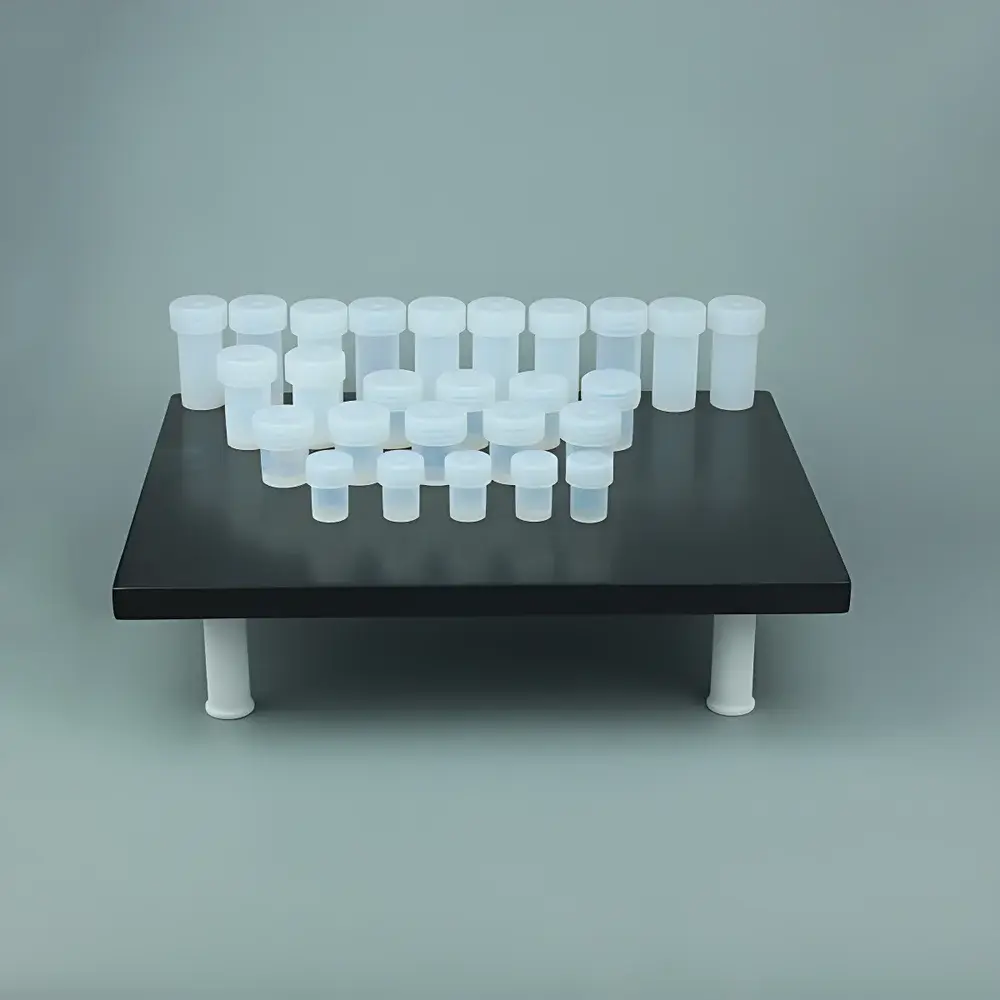
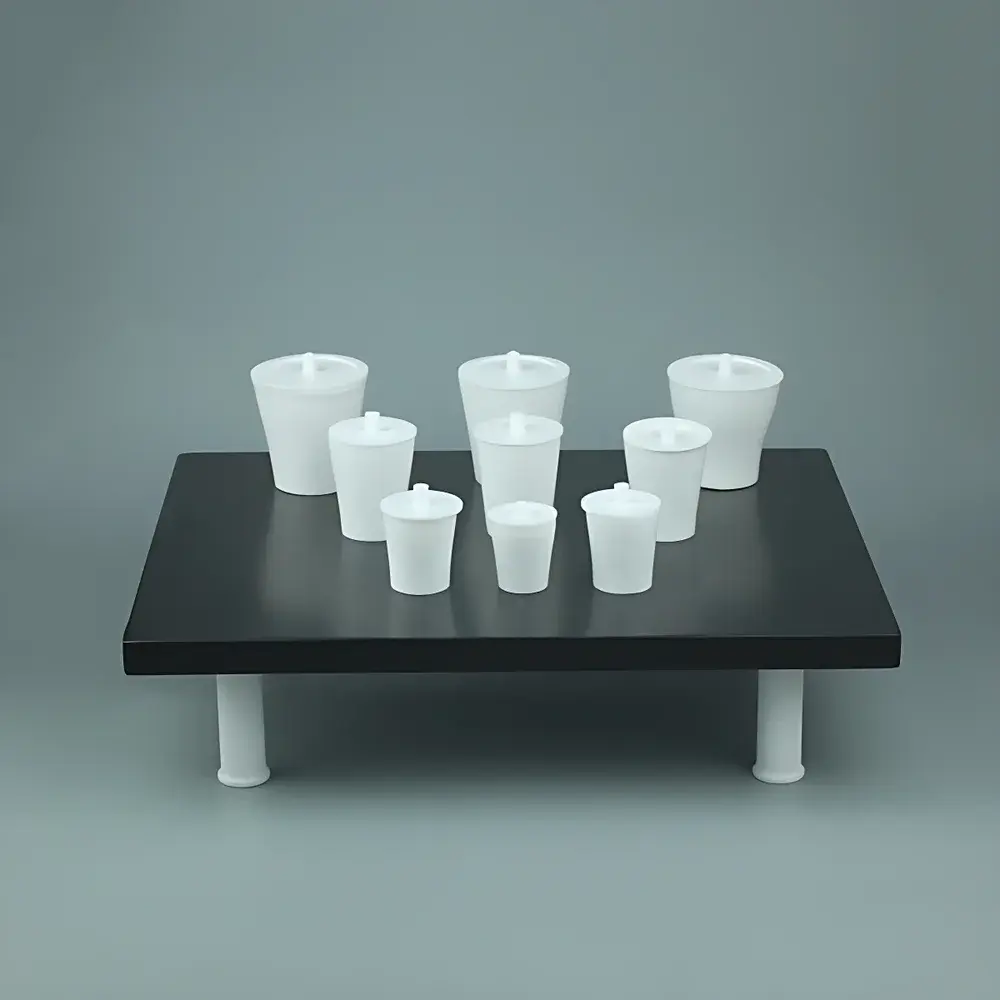
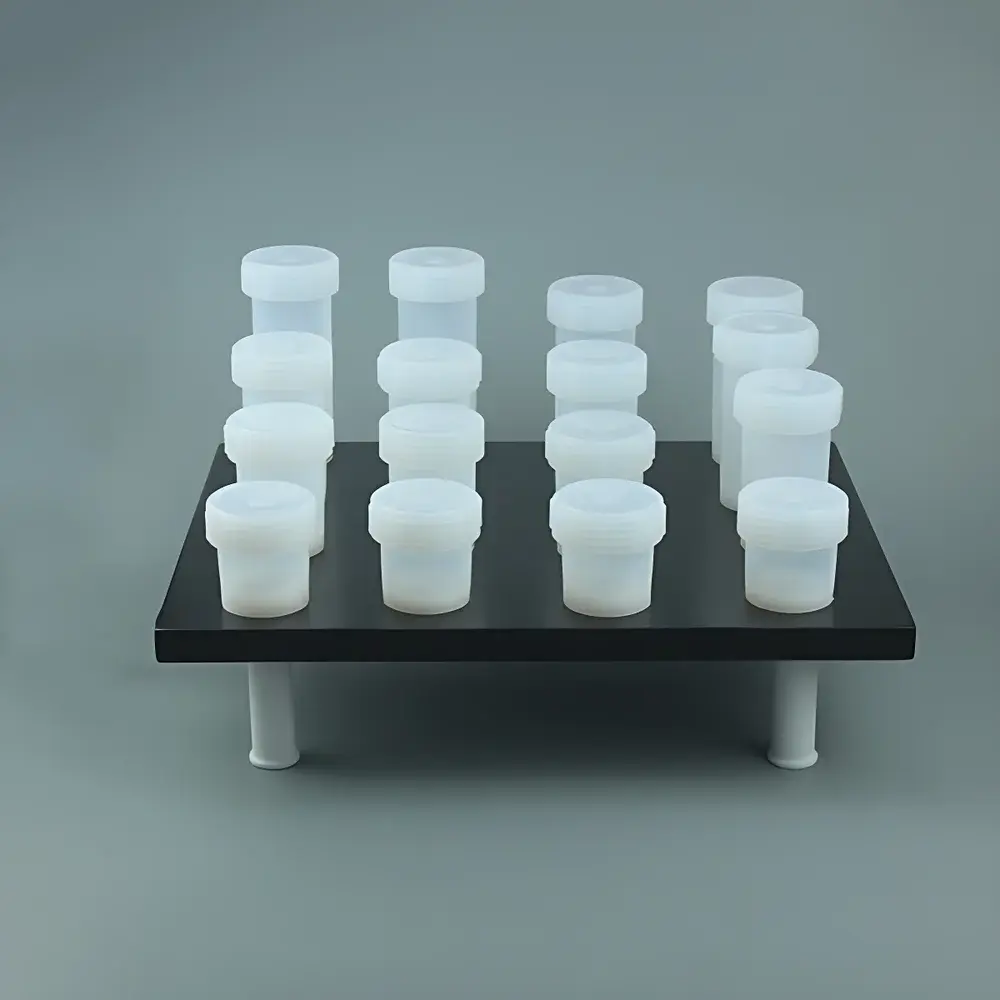
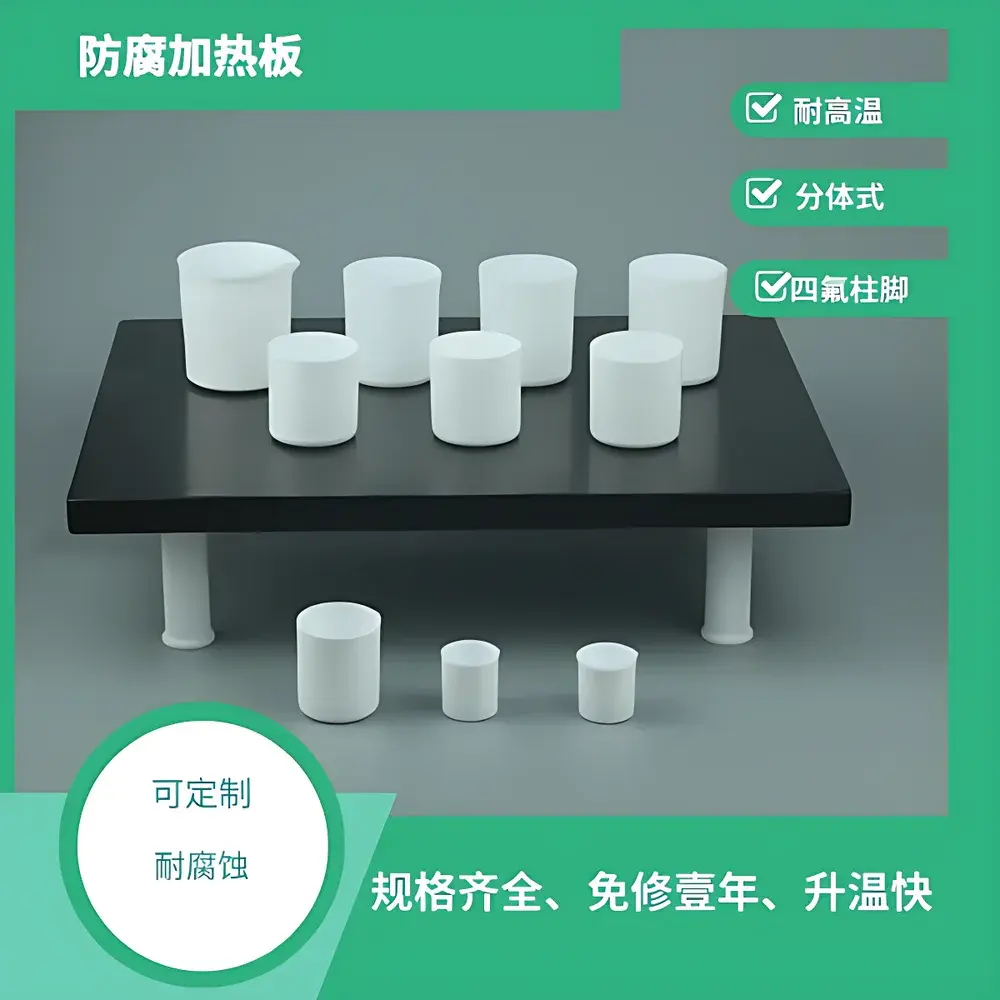
- Modular thermal platform: Available in standard configurations (400×300 mm, 600×400 mm, 450×350 mm) with fully customizable dimensions and well layouts to accommodate diverse vessel types (e.g., quartz crucibles, Teflon® digestion vessels, borosilicate beakers).
- Dual-material substrate options: Cast-aluminum plates offer rapid thermal response and mechanical rigidity; graphite plates provide superior thermal homogeneity and resistance to thermal shock—both treated with high-temperature PTFE/PFA for consistent anti-adhesion and corrosion protection.
- Split-system architecture: Controller unit connects via shielded, PFA-insulated aviation-grade cables (standard 1.5 m, extendable to 3 m), permitting remote operation outside hazardous environments while preserving signal fidelity and EMI immunity.
- Continuous-duty rating: Certified for uninterrupted operation up to 48 hours at maximum temperature, supporting overnight digestion cycles without thermal drift or component fatigue.
Sample Compatibility & Compliance
The NJ-DBF-I series supports a broad spectrum of sample matrices, including environmental soils, biological tissues, pharmaceutical excipients, polymer additives, and geological digests. Its inert surface prevents catalytic interference or metal leaching—critical for trace-metal analysis (e.g., ICP-MS, AAS) where contamination must remain below sub-ppt detection limits. The device complies with foundational requirements of ISO/IEC 17025:2017 for equipment calibration traceability and is routinely deployed in laboratories adhering to EPA Method 3050B, ASTM D5511, and USP heavy metals testing protocols. While not inherently 21 CFR Part 11 compliant, its digital PID controller supports external data logging systems equipped with audit-trail functionality for GMP/GLP environments.
Software & Data Management
The NJ-DBF-I operates as a standalone instrument with no embedded software stack. Its PID controller features non-volatile memory for up to 10 user-defined temperature profiles, each with ramp-hold segments and auto-shutdown timers. Real-time temperature data is accessible via analog 0–5 V or 4–20 mA outputs (optional), enabling integration into SCADA systems or third-party LIMS platforms using standard industrial I/O modules. For regulatory traceability, users may pair the unit with validated external dataloggers that meet ALCOA+ principles (Attributable, Legible, Contemporaneous, Original, Accurate) and support electronic signature workflows.
Applications
- Acid digestion of solid samples prior to elemental analysis (ICP-OES, ICP-MS, AAS)
- Controlled evaporation of digestates and extracts under inert atmosphere
- Pre-concentration of aqueous environmental samples (e.g., wastewater, leachates)
- Thermal conditioning of catalysts and ceramic precursors
- Standardized ashing procedures per AOAC 990.10 and ISO 11885
- Heating baths for reflux setups involving halogenated solvents
FAQ
What materials are used for the heating surface—and how do they affect performance?
The NJ-DBF-I offers two substrate options: precision-cast aluminum (optimized for fast thermal response and mechanical durability) and high-purity graphite (optimized for extreme thermal uniformity and resistance to thermal cycling). Both are uniformly coated with PTFE or PFA, ensuring chemical passivation without altering thermal conductivity.
Can this heating plate be used inside a fume hood without compromising control electronics?
Yes—the split-body design allows the controller to be mounted externally, connected via PFA-insulated, aviation-grade cables rated for continuous exposure to acidic vapors.
Is temperature calibration traceable to national standards?
The unit ships with a factory calibration certificate referencing NIST-traceable reference thermometers. Users may perform in-house verification using Class A platinum RTDs or calibrated thermocouples per ISO/IEC 17025 internal calibration procedures.
What safety protections are built into the system?
Over-temperature cut-off (hardware-based, independent of PID logic), ground-fault circuit interruption (GFCI), and thermal fuse redundancy prevent runaway conditions. The PTFE/PFA coating also provides dielectric insulation exceeding 10⁹ Ω at 250 °C.
How does the plate achieve ±1 °C uniformity across large areas like 600×400 mm?
Through optimized resistive trace layout, multi-zone power distribution, and substrate-specific thermal mass tuning—validated by grid-point mapping per ASTM E220 using calibrated thermocouples spaced at ≤50 mm intervals.



